
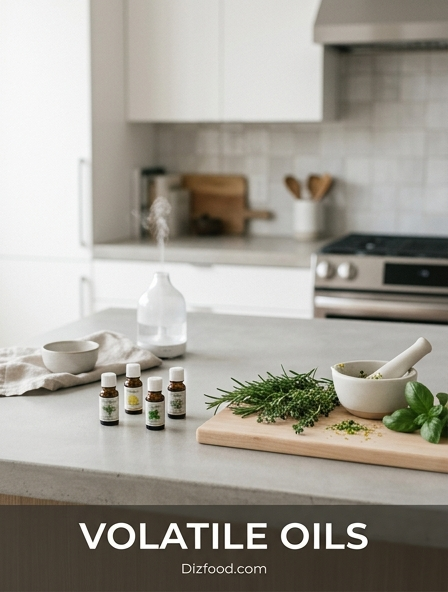
The Science of Spice Volatile Oils
Volatile oils, often referred to as essential oils, are the concentrated hydrophobic liquids containing aroma compounds from plants. In the culinary world, these oils are the primary source of a spice's characteristic flavor and fragrance. Chemically, these substances are composed of complex mixtures of terpenes, alcohols, esters, and aldehydes. For example, the pungent warmth of cinnamon is derived from cinnamaldehyde, while the distinct note of cloves comes from eugenol. These molecules are termed "volatile" because they have a high vapor pressure at room temperature, allowing them to evaporate easily and reach our olfactory receptors.
The concentration of these oils varies significantly depending on the plant's origin, harvesting time, and processing methods. Understanding their chemical nature is vital for any chef, as these oils are sensitive to environmental stressors. Key components include:
- Terpenes: Found in citrus peels and black pepper, providing bright and sharp notes.
- Phenolics: Found in thyme and oregano, offering antiseptic properties and intense savory flavors.
- Ketones: Present in spearmint, contributing to cooling sensations.
Benefits of Storing Whole vs Ground Spices
The physical state of a spice determines how effectively it retains its volatile oil content over time. Whole spices acts as a natural protective capsule, shielding the delicate oils within a dense cellular matrix. Once a spice is ground, its surface area increases exponentially, exposing more of the essential oils to the air. This exposure leads to rapid evaporation and oxidation, causing the spice to lose its potency within weeks. In contrast, whole spices like peppercorns, nutmeg, or cumin seeds can maintain their integrity for several years if stored correctly.
| Feature | Whole Spices | Ground Spices |
|---|---|---|
| Shelf Life | 2 to 4 Years | 6 to 12 Months |
| Oil Retention | High (Protected) | Low (Exposed) |
| Flavor Profile | Complex and Nuanced | Muted and One-dimensional |
By keeping spices whole, you ensure that the chemical compounds remain trapped and stable until the moment they are needed for cooking.
Optimal Temperature for Essential Oil Stability
Temperature is perhaps the most critical factor in preserving the delicate chemical bonds of kitchen volatiles. Heat acts as a catalyst, providing the kinetic energy necessary for volatile molecules to escape into the atmosphere. When spices are stored near a stovetop, oven, or dishwasher, the fluctuating temperatures cause the oils to bleed out of the plant material and evaporate. High temperatures can also trigger chemical rearrangements, turning pleasant aromatic compounds into bitter or rancid-tasting byproducts. Ideally, spices should be kept in a "cool, dark place," which generally translates to a consistent temperature between 60°F and 70°F (15°C to 21°C).
Consistent cooling prevents the expansion and contraction of air within storage containers, which can draw in fresh oxygen and moisture. While heat is necessary to "activate" spices during the cooking process, premature exposure to warmth during storage effectively "cooks off" the flavor before the spice ever hits the pan. Maintaining a stable, cool environment ensures that the high-energy volatile molecules remain dormant and preserved within the spice's structure.
Protecting Fragrance from Light and Humidity
Environmental factors such as light and humidity are silent enemies of culinary aromatics. Ultraviolet (UV) light triggers a process known as photodegradation, where the energy from light waves breaks down the molecular structure of essential oils. This results in the fading of vibrant colors-like the deep red of paprika or the bright green of dried herbs-and a simultaneous loss of flavor. Humidity is equally destructive; moisture promotes the growth of mold and causes ground spices to clump, a process known as caking. Furthermore, moisture can facilitate enzymatic reactions that further degrade the quality of the oils.
- Opaque Containers: Use tins or dark amber glass to block UV rays.
- Avoid Steam: Never shake a spice bottle directly over a boiling pot to prevent moisture ingress.
- Dry Storage: Ensure the storage area is far from sinks or refrigerators that may leak or produce condensation.
By controlling these variables, you prevent the premature decomposition of the delicate terpenes and esters that provide the "soul" of the spice.
Airtight Containers and Oxidation Prevention
Oxidation is a chemical reaction that occurs when volatile oils interact with oxygen in the air. This process leads to the formation of free radicals and peroxide compounds, which manifest as "off" flavors or a complete lack of aroma. To combat this, airtight storage is non-negotiable. Many commercial spice jars are sold with flimsy lids that do not provide a true seal, allowing for a constant exchange of air. High-quality storage solutions utilize silicone gaskets or heavy-duty screw-top lids to create a hermetic seal. Minimizing the "headspace"-the amount of empty air inside a jar-is also beneficial; as you use the spice, moving the remainder to a smaller container reduces the volume of oxygen available to react with the oils.
Vacuum sealing is an even more advanced technique for bulk storage, as it removes the reactive agent entirely. For everyday use, glass is preferred over plastic, as many volatile oils are chemically reactive and can leach plasticizers from containers or, conversely, the plastic can absorb the oils, leading to cross-contamination of scents. A proper seal keeps the volatiles in and the oxygen out.
Maximizing Aroma Through On-Demand Grinding
The most effective way to experience the full spectrum of a spice's volatile oils is through on-demand grinding. When you grind a whole spice, you are physically rupturing the oil glands and increasing the surface area just seconds before the spice is introduced to the heat of the pan. This ensures that the initial "burst" of fragrance-the most volatile top notes-ends up in your food rather than dissipating in a warehouse or pantry. To maximize this effect, follow a consistent preparation routine:
- Measure: Select the exact amount of whole spice needed for the recipe.
- Toast: Briefly heat whole spices in a dry pan to mobilize the oils.
- Grind: Use a mortar and pestle or a dedicated electric grinder for a fresh powder.
- Incorporate: Add the freshly ground material immediately to the dish.
This method captures the volatile compounds at their peak potency. Even a few minutes of delay can result in a measurable loss of the more delicate, floral, or citrusy aromatic fractions.
Cold Storage Strategies for Delicate Aromatics
While most spices thrive at room temperature, certain "delicate" aromatics benefit from the extreme cold of a refrigerator or freezer. Spices derived from seeds with high oil content, such as poppy seeds, sesame seeds, and oily nuts, can turn rancid quickly due to the oxidation of their fats. Similarly, members of the red pepper family, including paprika and chili powder, retain their color and flavor much longer when kept cold. The low temperature slows down the chemical kinetics of degradation and prevents the oils from becoming volatile.
However, cold storage requires strict adherence to moisture control. When removing a container from the freezer, condensation can form on the cold spice, introducing moisture that leads to spoilage. To avoid this, it is essential to allow the container to reach room temperature before opening it, or to use small, pre-portioned amounts that can be used instantly. For long-term preservation of bulk quantities, the freezer is an excellent tool, provided the spices are double-bagged or stored in vacuum-sealed pouches to prevent "freezer burn" and the absorption of neighboring food odors.
Managing Spice Shelf Life for Peak Potency
Managing a spice collection is an exercise in inventory rotation. Even under perfect conditions, volatile oils eventually dissipate or change chemically. A common mistake is buying large "value" containers that sit in the pantry for years. Instead, it is better to buy smaller quantities that are replenished more frequently. To effectively manage shelf life, implement a "First-In, First-Out" (FIFO) system and keep track of the following:
- Purchase Dates: Label every jar with the date it was opened or purchased.
- Visual Inspection: Check for color fading; if a spice looks pale, its oils are likely gone.
- The Sniff Test: Rub a small amount of the spice in your palm; if the aroma is weak or musty, replace it.
Generally, ground spices should be evaluated every six months, while whole spices can be checked annually. By maintaining a fresh inventory, you ensure that your cooking consistently benefits from the high-impact flavors that only active volatile oils can provide. Regular purging of old, "dead" spices is necessary to maintain culinary standards.
Techniques for Capturing Volatiles During Cooking
Capturing volatile oils during the cooking process requires a strategic approach to heat and timing. Because these oils evaporate so easily, long simmering times can actually strip a dish of its aroma. To counteract this, many culinary traditions use specific techniques to "fix" or protect the volatiles. One common method is "blooming," where spices are briefly toasted in fat (oil or butter). Since volatile oils are fat-soluble, the fat captures and holds the flavor compounds, distributing them more evenly throughout the dish.
- Fat Infusion: Start the dish by sautéing spices in oil to trap aromatics.
- Layered Addition: Add whole spices early for deep flavor and ground spices late for aroma.
- Lid Usage: Keep the pot covered when simmering to allow evaporated oils to condense and fall back into the food.
- Finishing: Add a final pinch of freshly ground spice just before serving for maximum olfactory impact.
These methods ensure that the volatile compounds are either bonded to a carrier (like oil) or kept physically contained within the cooking vessel until the moment of consumption.
Identifying Signs of Essential Oil Degradation
Recognizing when volatile oils have reached the end of their useful life is essential for maintaining food quality. Degradation often follows a predictable pattern: first, the bright "top notes" disappear, followed by a change in the base flavor, and finally, the development of unpleasant odors. The most reliable tool for identification is the human senses. If a spice requires double the amount called for in a recipe to achieve the desired taste, the essential oils have significantly degraded. Use the following table to identify common signs of decline:
| Spice Type | Sign of Degradation | Probable Cause |
|---|---|---|
| Leafy Herbs | Brittle, gray color, no scent | Oxidation and Light |
| Red Spices | Brownish tint, dusty smell | UV Exposure |
| Seeds/Pods | Soft texture, rancid/soapy odor | Oil spoilage (Rancidity) |
In addition to sensory checks, look for physical changes like clumping or "sweating" inside the jar, which indicates that the oils have separated from the plant material and are likely breaking down.

Comments