
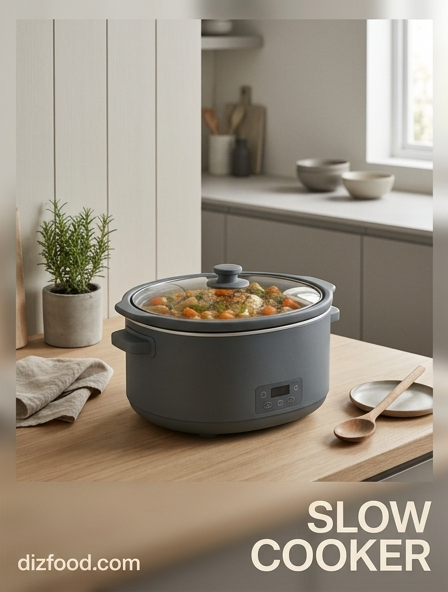
Searing meats for maximum flavor development
While the convenience of a slow cooker often tempts home cooks to adopt a "dump and go" approach, taking the extra time to sear meats before they enter the ceramic pot is a fundamental step for gourmet results. This process, known as the Maillard reaction, occurs when proteins and sugars are subjected to high heat, creating a complex array of flavor compounds and a deep brown crust that a slow cooker cannot replicate due to its moist-heat environment.
By browning your beef roast, pork shoulder, or chicken thighs in a heavy skillet with a small amount of oil, you lock in savory juices and develop a foundational richness that permeates the entire dish during the long simmering process. This step also improves the final visual appeal of the meat, preventing it from appearing gray or unappetizing. To maximize the benefit, follow these steps:
- Pat the meat dry with paper towels to ensure a proper crust.
- Use a high-smoke-point oil in a preheated cast-iron or stainless steel pan.
- Deglaze the skillet with wine, broth, or water after searing to capture the fond.
- Pour those flavorful browned bits directly into the slow cooker.
Layering root vegetables for even cooking
One of the most common challenges in slow cooking is achieving a uniform texture across different types of ingredients. Because the heating element in most slow cookers is located at the bottom and wrapped around the lower sides, the base of the ceramic insert is consistently the hottest zone. Root vegetables, such as carrots, potatoes, parsnips, and rutabagas, are much denser and have higher fiber content than muscle fibers, meaning they require more direct heat and longer contact with liquid to soften.
Strategically layering your ingredients ensures that your vegetables are tender by the time the meat is succulent. If placed on top of the meat, root vegetables often remain crunchy or undercooked because they are steamed rather than simmered. To optimize your pot's internal geography, consider the following order:
- Place dense root vegetables at the very bottom of the pot.
- Layer aromatics like onions and celery over the roots.
- Place the seared meat on top of the vegetable bed.
- Add softer vegetables, like peas or bell peppers, only in the final hour of cooking.
Choosing the ideal liquid ratios
A frequent mistake when adapting stovetop recipes for a slow cooker is adding too much liquid. In traditional Dutch oven cooking or simmering, a significant amount of moisture evaporates into the air. However, a slow cooker features a sealed environment where steam condenses on the lid and drips back into the pot. This creates a self-basting cycle that results in almost zero liquid loss. Consequently, if you start with too much water or broth, you may end up with a diluted, flavorless sauce rather than a rich gravy.
For most stews and pot roasts, the liquid should only reach about halfway up the sides of the solid ingredients. The meat and vegetables will release their own natural juices as they break down, further increasing the volume of liquid in the pot. If you find the result is too watery at the end of the cycle, you can whisk in a cornstarch slurry or leave the lid off for the final thirty minutes on high heat to encourage reduction and thickening.
Understanding low versus high heat settings
Most modern slow cookers utilize two primary settings: Low and High. It is a common misconception that these settings represent different final temperatures. In reality, both settings eventually reach the same simmer point, which is just below boiling. The primary difference lies in the amount of time it takes for the appliance to reach that peak temperature. The "Low" setting takes longer to ramp up the heat, allowing for a slower breakdown of connective tissues, while "High" reaches the target temperature significantly faster.
| Setting | Time to Simmer | Best For |
|---|---|---|
| Low | 7-10 hours | Tough cuts like brisket, bone-in roasts, and dried beans. |
| High | 3-5 hours | Lean meats, chicken breasts, and fruit-based desserts. |
Choosing the correct setting depends on your schedule and the specific cut of meat. Tougher cuts benefit from the extended time on Low to fully gelatinize collagen.
Incorporating aromatics and fresh herbs
The prolonged cooking times associated with slow cookers can have a detrimental effect on the potency and flavor profile of various seasonings. Aromatics like garlic and onions can become muted, while delicate herbs often lose their bright characteristics entirely. To combat this, it is helpful to distinguish between "hardy" herbs and "soft" herbs. Hardy herbs, such as rosemary, thyme, and bay leaves, have sturdy leaves and stems that can withstand hours of heat, slowly infusing the liquid with their essential oils.
In contrast, soft herbs like parsley, cilantro, basil, and chives are highly volatile and will turn brown and bitter if added at the beginning of the cycle. To ensure your dish has a professional finish, follow these seasoning guidelines:
- Add dried herbs and hardy fresh herbs at the start of the cooking process.
- Use slightly more garlic than a standard recipe calls for to account for flavor dissipation.
- Stir in chopped soft herbs immediately before serving to provide a fresh aromatic punch.
- Consider blooming dried spices in a pan with oil before adding them to the pot.
Timing the addition of dairy products
Incorporating dairy into a slow-cooked meal requires precision and patience. High heat and extended cooking durations are the enemies of milk, cream, and cheese, as they cause the proteins to denature and the fats to separate. This results in a grainy, curdled texture that can ruin the aesthetics and mouthfeel of a creamy soup or casserole. Sour cream and yogurt are particularly sensitive to heat and should never be subjected to a full cooking cycle.
To achieve a smooth, velvety finish, dairy should almost always be added during the final stages of the cooking process. Once the meat and vegetables are fully tender, stir in your dairy components and allow them to warm through for approximately 15 to 30 minutes. This provides enough time for the flavors to meld without compromising the structural integrity of the dairy. If you are using cheese, sprinkle it on top and replace the lid just long enough for it to melt. For recipes requiring heavy cream, tempered additions-mixing a little hot liquid into the cream before pouring it back-can further prevent curdling.
Using acidity to brighten slow cooked meals
A common complaint regarding slow cooker meals is that they can taste "flat" or overly heavy after hours of simmering. This occurs because the long cooking process mellows out the sharp notes of the ingredients, leaving the dish dominated by savory and salty tones. The secret to elevating these dishes is the strategic application of acidity. Acid acts as a flavor enhancer, cutting through the richness of fats and brightening the overall profile of the meal.
Because acidic ingredients can slow down the softening of vegetables if added too early, it is usually best to incorporate them at the very end. A small splash of vinegar or citrus juice can transform a dull stew into a vibrant, multi-layered dish. Consider the following additions just before serving:
- A squeeze of fresh lemon or lime juice for chicken or fish dishes.
- A teaspoon of balsamic or red wine vinegar for beef stews and pot roasts.
- A spoonful of pickle brine or caper juice for a salty, acidic kick.
- A dollop of sour cream or Greek yogurt (which provides both fat and acid).
Prepping ingredients for morning efficiency
The primary appeal of the slow cooker is having dinner ready when you return from work, but the morning rush can make chopping and searing difficult. To maximize efficiency, most prep work can be handled the evening before. By organizing your ingredients in advance, you can reduce the morning routine to a mere few minutes. Chop your vegetables, trim your meats, and even pre-measure your spices and liquids into separate containers or a single large bowl.
However, safety and quality are paramount. Avoid placing the cold ceramic insert filled with refrigerated ingredients directly into the heating base, as the thermal shock could cause the ceramic to crack. Instead, store the prepped ingredients in airtight containers in the refrigerator. In the morning, simply transfer the ingredients into the slow cooker, add your liquids, and set the timer. If you must prep in the insert itself, allow it to sit on the counter for about 20 minutes to take the chill off before turning on the heat. This ensures a safe transition and consistent heating.
Converting traditional recipes for slow cooking
Most traditional oven or stovetop recipes can be successfully adapted for a slow cooker with a few simple adjustments to time and moisture. The general rule is that recipes with high moisture content, such as soups, stews, and braises, convert most easily. Because the slow cooker retains almost all moisture, you should reduce the liquid in a standard recipe by approximately 30 to 50 percent, unless the recipe involves rice or pasta which absorbs liquid.
Time conversion is equally critical to prevent overcooking. Use the following general guidelines for converting oven times to slow cooker durations:
- If the oven recipe takes 30-60 minutes, cook for 2-3 hours on High or 5-7 hours on Low.
- If the oven recipe takes 1-2 hours, cook for 3-4 hours on High or 6-8 hours on Low.
- If the oven recipe takes 2-4 hours, cook for 4-6 hours on High or 8-12 hours on Low.
Always remember to add delicate ingredients, like seafood or quick-cooking greens, toward the end of the cycle to maintain their texture.
Essential safety tips for unattended cooking
While slow cookers are designed for unattended use, following basic safety protocols is essential to prevent kitchen accidents or foodborne illnesses. Ensuring the appliance is in good working order and placed correctly is the first step toward a safe cooking experience. The slow cooker should always be placed on a flat, heat-resistant surface, such as a tiled countertop, and kept away from walls or other appliances to allow for proper ventilation of the heat generated by the exterior casing.
Food safety is another critical concern, particularly regarding internal temperatures. Consider these essential safety rules:
- Never put frozen meat directly into a slow cooker; always thaw it in the refrigerator first.
- Fill the pot between one-half and two-thirds full to ensure even heat distribution.
- Keep the lid closed; every time it is opened, the internal temperature drops significantly, extending the cooking time.
- Check the power cord for any signs of fraying or damage before every use.
- Ensure the ceramic insert is free of cracks that could harbor bacteria or cause breakage.

Comments