
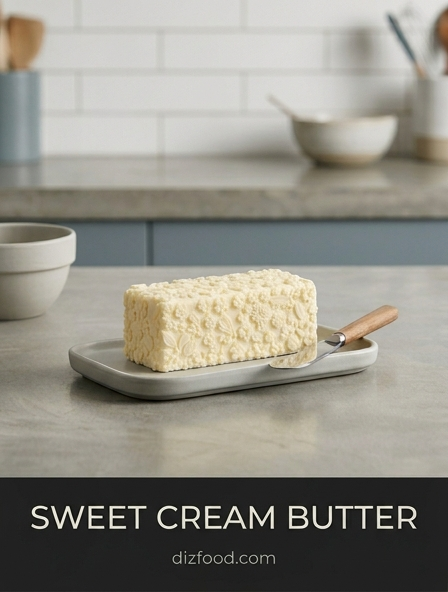
Understanding Sweet Cream Butter Basics
Sweet cream butter serves as the foundational fat in most American kitchens, prized for its versatility and consistent performance. Unlike its cultured counterparts, this variety is produced from fresh, pasteurized cream that has not undergone fermentation. The manufacturing process begins with high-quality cow's milk, which is separated to isolate the cream. This cream is then pasteurized to ensure safety and longevity before being agitated or churned. During churning, the fat globules rupture and coalesce into solid masses, effectively separating the butterfat from the liquid buttermilk. The resulting product must contain a minimum of 80 percent milkfat to meet federal standards, with the remaining percentage consisting of water and milk solids.
- Produced from fresh, non-fermented pasteurized cream.
- Maintains a minimum of 80% milkfat concentration.
- Available in both salted and unsalted varieties.
- Commonly used as a standard for commercial and home baking.
Understanding these basics is essential for any cook, as the lack of acidity differentiates it significantly from European-style butters. Because it is made from "sweet" (fresh) cream rather than "sour" (fermented) cream, it provides a neutral palette that complements a wide array of ingredients without introducing unexpected tangy notes to a finished dish.
The Subtle Flavor Profile
The flavor of sweet cream butter is characterized by its clean, mild, and distinctly milky essence. It lacks the pungent or sharp lactic acid notes found in cultured butter, making it an ideal carrier for other delicate flavors. When tasted alone, high-quality sweet cream butter offers a smooth, velvety mouthfeel and a faint sweetness derived from the natural lactose present in the cream. This profile is often described as "pure" because it reflects the quality of the dairy and the diet of the cattle from which the cream was sourced.
In culinary applications, this subtlety is a significant advantage. It provides a rich, fatty backbone to recipes without overpowering the primary ingredients. For example, when used in a delicate white sauce or a simple sugar cookie, the butter enhances the existing flavors through its lipid content rather than competing for dominance. The aroma of melting sweet cream butter is equally gentle, releasing a comforting, toasted milk scent that is synonymous with home cooking. This neutrality ensures that whether you are searing a sea scallop or frosting a vanilla cake, the butter supports the dish's integrity while contributing a luxurious, creamy finish that is universally appealing to the palate.
Why Bakers Choose Sweet Cream
Professional and amateur bakers predominantly reach for sweet cream butter due to its predictable chemical behavior and neutral flavor profile. In the chemistry of baking, butter serves multiple roles: it provides moisture, assists in leavening, and creates a tender crumb. Because sweet cream butter is not fermented, it does not introduce additional acidity that could potentially interfere with the leavening action of baking soda or baking powder. This stability allows bakers to have precise control over the final rise and texture of their baked goods.
- Consistency in moisture content ensures uniform dough hydration.
- Neutral pH levels prevent interference with chemical leaveners.
- Clean flavor allows vanilla, citrus, and chocolate notes to shine.
- Predictable melting point aids in creating consistent pastry layers.
Furthermore, the absence of strong fermented notes makes it the perfect base for buttercreams and delicate pastries. When whipped with powdered sugar, sweet cream butter creates a light, airy frosting that tastes primarily of the added flavorings, such as almond extract or fresh berries. Its ability to emulsify smoothly with liquids and sugars makes it indispensable for creating the homogenous structures required for high-quality cakes and cookies that melt in the mouth.
Sweet Cream vs Cultured Butter
The primary distinction between sweet cream and cultured butter lies in the preparation of the cream before churning. Sweet cream butter is made from fresh cream, resulting in a mild taste, whereas cultured butter is made from cream that has been inoculated with live bacteria to ferment. This fermentation process converts milk sugars into lactic acid, producing a tangy, complex flavor often associated with traditional European dairy products. In the kitchen, choosing between the two depends largely on the desired flavor impact and the specific requirements of the recipe.
| Feature | Sweet Cream Butter | Cultured Butter |
|---|---|---|
| Flavor | Mild, sweet, milky | Tangy, acidic, nutty |
| Fat Content | Usually 80-81% | Often 82-86% |
| Best Use | General baking, cookies | Finishing, spreading, flaky pastry |
| Aroma | Fresh cream | Strong, fermented dairy |
While cultured butter is often praised for its depth of flavor when eaten raw on bread, sweet cream butter remains the industry standard for most American-style recipes. The lower fat content and higher water ratio in standard sweet cream butter are what many recipes are specifically formulated for, making it the safer choice for achieving traditional results.
Role of Unsalted Sweet Cream
In many professional recipes, "unsalted sweet cream butter" is the standard specification. This preference stems from the baker's need for absolute control over the salt content in a recipe. Salted butter can vary significantly between brands, with salt concentrations ranging from 1% to 3% of the total weight. By using unsalted butter, the cook can add the exact amount of salt required to enhance the other flavors without the risk of over-seasoning. This is particularly crucial in delicate desserts where a hint of salt is needed to balance sweetness but an accidental excess could ruin the flavor profile.
Another benefit of unsalted sweet cream butter is its perceived freshness. Salt acts as a preservative, meaning salted butter can potentially sit on grocery store shelves longer than unsalted varieties while maintaining an acceptable taste. Unsalted butter, lacking this preservative, is often cycled through inventory faster, ensuring a fresher dairy taste. When using unsalted butter, the cook is essentially starting with a blank canvas. This allows for the creation of compound butters, sauces, and doughs that are perfectly seasoned according to the specific needs of the dish, rather than being dictated by the manufacturer's salt preferences.
Improving Pastry and Cookie Texture
The physical state of sweet cream butter is a critical factor in determining the final texture of pastries and cookies. In pastry making, cold cubes of sweet cream butter are worked into flour to create distinct pockets of fat. When the dough hits the hot oven, the water content in the butter evaporates, creating steam that lifts the layers of dough. This process results in the sought-after flakiness of pie crusts and biscuits. The relatively high water content in standard sweet cream butter (compared to high-fat European styles) can actually be beneficial here, as it provides the necessary steam for maximum lift.
- Cold butter creates steam pockets for flaky layers.
- Creamed butter traps air bubbles for a light cake crumb.
- Melted butter yields a chewier, denser cookie texture.
- Softened butter ensures even distribution in cake batters.
For cookies, the temperature of the sweet cream butter dictates the spread and chewiness. Creaming softened butter with sugar incorporates air, leading to a cake-like cookie. Conversely, using melted butter results in a denser, chewier texture as the fat coats the flour more thoroughly, inhibiting gluten development. Mastering the manipulation of sweet cream butter's physical state allows for a wide range of textural outcomes from a single set of ingredients.
Fat Content and Baking Performance
The performance of sweet cream butter in the kitchen is largely dictated by its milkfat-to-water ratio. Most American sweet cream butters are standardized at 80% milkfat, while premium or European-style versions may reach 82% to 85%. This difference, though seemingly small, has a profound impact on baking. High-fat butters contain less water, which means there is less moisture to react with the flour's gluten. This often results in a more tender, melt-in-your-mouth quality in shortbreads and puff pastries. However, the higher fat content also means a lower melting point, which can make doughs more difficult to handle in warm kitchens.
When a recipe calls for standard butter, using a high-fat version can sometimes cause cookies to spread too much or cakes to become overly greasy. The 80% fat content in standard sweet cream butter provides a reliable balance of fat for richness and water for steam-leavening. This balance ensures that cookies maintain their shape and cakes have enough structural integrity to hold their rise. Understanding the fat content on the label helps the cook anticipate how the butter will behave when subjected to heat, allowing for adjustments in chilling times or mixing techniques to ensure the best possible performance.
Storing Butter for Optimal Freshness
Proper storage is vital for maintaining the delicate flavor and performance of sweet cream butter. Because butter is a high-fat product, it is highly susceptible to absorbing odors from nearby foods and undergoing oxidation. When exposed to light and air, the fats can become rancid, resulting in a sour or "off" taste that can ruin a dish. To prevent this, butter should always be kept tightly wrapped in its original foil or parchment paper, or stored in a dedicated airtight container. While many people keep butter on the counter for spreadability, this should only be done with small amounts intended for immediate use.
- Keep refrigerated at 40°F (4°C) or below for daily use.
- Store in an airtight container to prevent odor absorption.
- Freeze butter in its original packaging for up to nine months.
- Thaw frozen butter in the refrigerator overnight before using.
Freezing is an excellent option for those who buy sweet cream butter in bulk. It preserves the freshness of the cream and prevents the fat from breaking down over time. When using butter for baking, it is important to remember that frozen butter should be thawed completely in the refrigerator to maintain its emulsion. For pastries requiring cold butter, chilled butter is superior to partially frozen butter, as it integrates more evenly into the flour without creating hard clumps.
Culinary Uses Beyond Baking
While sweet cream butter is a staple in the bakery, its utility in savory cooking is equally significant. It serves as a superior medium for sautéing vegetables and proteins, providing a richness that oils cannot match. However, because sweet cream butter contains milk solids, it has a lower smoke point than purified fats like clarified butter or ghee. This makes it ideal for medium-heat cooking where the browning of milk solids adds a pleasant, nutty flavor to the dish, such as in the preparation of a classic meunière sauce for fish.
In addition to sautéing, sweet cream butter is essential for finishing sauces through a process known as "monter au beurre." By whisking cold chunks of butter into a hot sauce at the very end of cooking, the chef creates a stable emulsion that adds shine, thickness, and a luxurious mouthfeel. It is also the primary ingredient in compound butters, where it is blended with herbs, garlic, or spices to create a flavorful topping for grilled steaks or roasted vegetables. The mild profile of the sweet cream ensures that the added aromatics remain the focus of the condiment. Whether used to baste a roasting chicken or to emulsify a delicate beurre blanc, sweet cream butter is a fundamental tool for achieving professional-level results in savory cuisine.
Selecting High Quality Sweet Cream Butter
Choosing the best sweet cream butter involves looking beyond the brand name to the specific grades and sourcing information provided on the packaging. In the United States, the USDA provides grading based on flavor, body, color, and salt content. Grade AA is the highest classification, indicating that the butter possesses a smooth texture and a highly pleasing, fresh cream flavor. Grade A is slightly lower in quality but still suitable for most household needs. When selecting butter, checking for these grades ensures a baseline of quality that will translate into better results in the kitchen.
Beyond grading, consumers may consider the diet of the cows. Grass-fed sweet cream butter often has a deeper yellow hue due to the higher concentration of beta-carotene in the cows' diet. This variety usually contains more Omega-3 fatty acids and a more pronounced, "grassy" flavor compared to grain-fed dairy. Organic certifications also ensure that the cream was produced without the use of synthetic hormones or pesticides. While these premium options may cost more, the difference in flavor and nutritional profile can be significant, especially in recipes where butter is a primary ingredient. Always inspect the packaging for a tight seal and ensure the expiration date is well into the future to guarantee the freshest possible product.



Comments