

The Science of Rapid Airflow in Home Kitchens
The application of high-velocity airflow in a culinary environment relies on the principles of fluid dynamics and heat transfer. In a standard kitchen setting, air acts as a thermal insulator when stagnant. By introducing high-velocity fans, the boundary layer of cool, moist air surrounding food is stripped away. This process increases the convective heat transfer coefficient, allowing thermal energy to penetrate the surface of the food more efficiently. This isn't merely about cooling; it is about managing the kinetic energy of air molecules to manipulate the cooking environment.
- Boundary Layer Reduction: Rapid air movement breaks the stagnant air film, facilitating faster energy exchange.
- Evaporative Cooling Management: Control over the rate at which surface moisture exits the ingredient.
- Thermal Gradient Uniformity: Ensuring that the temperature remains consistent across the entire surface area.
When these variables are controlled, the home cook can replicate industrial processes that traditionally required expensive machinery. The science dictates that the faster the air moves, the more effectively it can transport moisture away from the target, leading to chemical reactions that are otherwise impossible in a high-humidity environment.
Moisture Evaporation and the Path to Perfect Crunch
The pursuit of the perfect "crunch" is essentially a battle against water activity. High-velocity fans accelerate the transition of liquid water on a food's surface into vapor. In a typical oven, the air becomes saturated with steam, which halts the drying process and results in a rubbery texture. By utilizing external high-velocity fans during the preparation or roasting phase, the relative humidity near the food's surface is kept at a minimum.
- Surface water begins to vibrate and escape as vapor under the influence of moving air.
- The cellular structure of the food's exterior becomes rigid as the water content drops below critical levels.
- Starch molecules begin to cross-link without the interference of excess moisture.
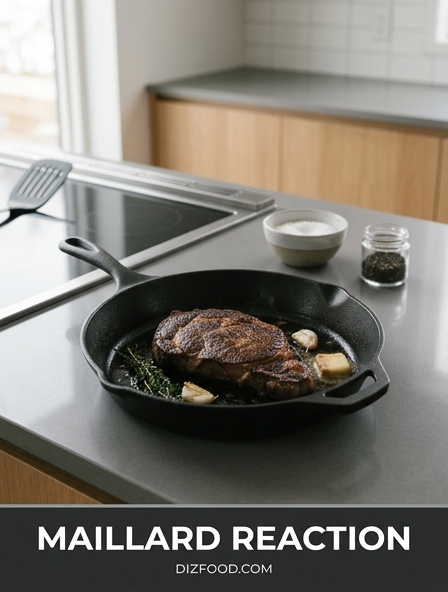
- The Maillard reaction triggers earlier because the surface temperature can exceed the boiling point of water.
This rapid dehydration is vital for items like french fries or battered fish. If the exterior is not sufficiently dried before or during the initial stages of high-heat application, the internal steam will soften the crust from the inside out. High-velocity air ensures that the moisture escape path is unidirectional and rapid, securing a lasting crispness.
Comparing Convection Ovens to High Velocity Fan Techniques
While convection ovens utilize fans to circulate air, they often lack the sheer force required for specific textural outcomes. A standard convection fan moves air at a relatively low CFM (Cubic Feet per Minute), designed primarily for temperature uniformity. In contrast, high-velocity fans used in a specialized kitchen setup provide targeted, high-pressure airflow that can significantly shorten drying and cooking times.
| Feature | Standard Convection | High Velocity Airflow |
|---|---|---|
| Air Speed | Low to Moderate | High (Industrial Grade) |
| Moisture Removal | Passive / Internal | Active / Rapid |
| Primary Goal | Even Heating | Surface Dehydration |
| Texture Result | Soft Crisp | Extremely Brittle / Crunchy |
The mechanical difference lies in the fan's RPM and blade pitch. High-velocity fans create a focused stream that can penetrate crevices in textured foods, such as the nooks of a cauliflower floret or the scales of a fish skin, where standard convection would simply bypass. This distinction is critical for chefs who prioritize structural integrity and specific mouthfeel in their final dishes.
The Essential Role of Air Circulation in Surface Dehydration
Surface dehydration is the foundational step for various culinary techniques, from curing meats to preparing a steak for the pan. When air is forced across the surface of a protein at high speeds, it draws out moisture from the top layers of the muscle fibers. This creates a dry, concentrated zone that is much more reactive to heat. Without this airflow, the protein remains "wet," and any applied heat must first spend energy evaporating that surface water before the browning process can begin.
This delay in browning often leads to overcooking the interior of the food. By using a high-velocity fan for even 30 minutes prior to cooking, the chef ensures that the surface is primed for immediate caramelization. This is particularly useful in humid climates where natural air drying is ineffective. The circulation prevents the growth of spoilage organisms by keeping the surface water activity low, making it a safer and more efficient method for preparing high-quality ingredients for short-duration, high-heat cooking methods.
Achieving the Ideal Pellicle for Better Sear and Texture
In the context of smoking and searing, a "pellicle" is a thin, tacky layer of proteins that forms on the surface of meat or fish. This layer is crucial because it acts as a substrate for smoke flavors to adhere to and provides the structural basis for a superior sear. High-velocity fans are the most effective tool for creating this layer quickly and consistently. By blowing air over the protein, the proteins begin to denature and knit together at the surface.
- Tackiness: The surface becomes slightly sticky, allowing smoke particles to "grab" onto the meat.
- Barrier Formation: The pellicle prevents internal juices from leaking out during the initial sear.
- Uniformity: Controlled airflow ensures the pellicle forms evenly, preventing bald spots that won't brown.
Achieving this without high-velocity air can take hours in a refrigerator, often leading to uneven drying. With the right equipment, a perfect pellicle can be achieved in a fraction of the time, leading to a professional-grade crust that maintains a juicy interior, whether the final step is a low-and-slow smoke or a high-heat cast iron sear.
Transforming Home Roasts with Industrial Level Airflow
Roasting large cuts of meat, such as a prime rib or a whole pork shoulder, presents a challenge in balancing interior temperature with exterior bark. Industrial-level airflow changes the equation by allowing the cook to manipulate the skin's tension and moisture content before the roast even enters the oven. When subjected to high-velocity fans, the exterior fats and skin undergo a pre-treatment that makes them more susceptible to "puffing" or "crackling."
For a roast chicken, this means the skin can be rendered paper-thin and brittle. The air movement encourages the subcutaneous fat to render more efficiently once heat is applied, as the moisture that usually traps the fat in a liquid state has been removed. This results in a roast that has a distinctive snap when carved. Furthermore, the increased air circulation ensures that the bottom of the roast-often the soggiest part-receives enough air to dry out, resulting in an all-around uniform texture that is typically only found in professional rotisseries or high-end commercial ovens.
Accelerated Drying Times for Crispy Poultry Skin
The secret to legendary crispy chicken or duck skin is time and dry air. Traditionally, chefs would leave poultry uncovered in a refrigerator for 24 to 48 hours. However, high-velocity fans can compress this timeline into just a few hours. By focusing a concentrated stream of air directly onto the bird, the evaporation process is supercharged. This is particularly effective for poultry because the skin contains a high percentage of water and fat.
- Wash and thoroughly pat the poultry dry with paper towels.
- Position a high-velocity fan approximately 2 feet from the bird.
- Rotate the poultry every 30 minutes to ensure all surfaces, including under the wings, are exposed to the air.
- Observe the skin turning translucent and tight; this indicates the moisture has been removed.
This method not only saves time but also improves food safety by reducing the window in which the meat is exposed to the open air. The resulting skin, once roasted, shatters upon impact and provides a distinct contrast to the tender meat beneath, elevating a simple home meal to a gourmet experience.
Optimizing Heat Distribution for Uniform Results
In many kitchens, the biggest enemy of quality is the "hot spot." Ovens and stovetops rarely distribute heat with perfect parity. High-velocity fans can be used strategically to move heat around the cooking vessel or within a modified cooking chamber to ensure that every square inch of the food receives the same thermal energy. This is especially important for delicate items like meringues or dehydrated fruits that require low, consistent heat over long periods.
| Equipment Type | Heat Variance | With HV Fan Support |
|---|---|---|
| Gas Oven | +/- 15°F | +/- 3°F |
| Electric Range | +/- 10°F | +/- 2°F |
| Outdoor Grill | +/- 50°F | +/- 10°F |
By normalizing the temperature gradient, the cook eliminates the need for constant rotation and monitoring. The air acts as a medium that carries the heat into every crevice, ensuring that there are no "cold zones" where bacteria could survive or where the texture remains under-developed. This precision is the hallmark of modern technical cooking.
The Impact of Targeted Ventilation on Vegetable Caramelization
Vegetables often struggle with caramelization because they are composed mostly of water. When heat is applied, they release this water, effectively steaming themselves in the pan. Targeted ventilation from a high-velocity fan helps to whisk this steam away as soon as it is released. This allows the natural sugars in the vegetables to reach the temperatures necessary for caramelization and pyrolysis much faster than in a stagnant environment.
- Broccoli and Cauliflower: Prevents the florets from becoming mushy while the edges char.
- Root Vegetables: Encourages a thick, sweet crust on carrots and parsnips.
- Mushrooms: Helps them brown quickly without shedding all their internal juices into a pool in the pan.
Using a fan in this manner transforms the roasting process from a slow, softening heat into a fast, crisping heat. The difference is most notable in the flavor profile; caramelized vegetables possess a nutty, complex sweetness that is absent in those that have been primarily steamed. This technique turns standard side dishes into the highlight of the meal.
Essential Equipment for High Velocity Cooking Success
To implement these techniques, one must move beyond standard kitchen gadgets and look toward industrial-grade airflow tools. A simple desk fan is rarely sufficient; instead, floor-mounted high-velocity blowers or "air movers" are the preferred choice. These units are designed to move a large volume of air at high pressure, which is necessary to overcome the humidity of a working kitchen. Look for units with adjustable speeds and directional nozzles to target specific items.
Safety is also a primary consideration. Ensure that the fans are kept clean and free of dust, as they will be in close proximity to food. Using stainless steel racks to elevate the food is equally important, as it allows the high-velocity air to circulate underneath the ingredient, ensuring 360-degree dehydration. Additionally, a digital hygrometer can be useful to monitor the ambient humidity in the kitchen, helping the cook determine exactly how long the fan needs to run to achieve the desired surface dryness. With these tools, the home kitchen becomes a laboratory for texture and flavor development.




Comments