
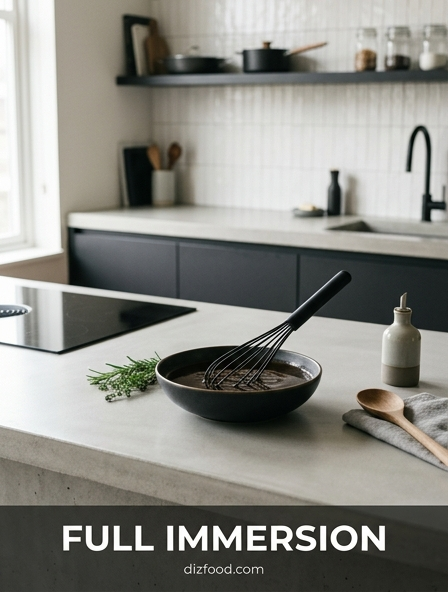
Understanding Full Immersion Brewing Basics
Full immersion brewing is a fundamental coffee preparation method where the grounds are completely submerged in water for the entire duration of the extraction. Unlike percolation methods, such as pour-over or drip, where water passes through a bed of coffee, immersion allows for a uniform and gentle interaction between the solvent and the solute. This results in a highly consistent extraction profile, as the pressure remains atmospheric and the flow rate is not a variable during the steeping phase. This method is celebrated for its simplicity and its ability to produce a beverage with significant body and a rich mouthfeel.
Because the water becomes saturated with coffee solids over time, the extraction process naturally slows down as it reaches equilibrium. This makes it a very forgiving technique for beginners, as slight variations in timing or pouring technique have a less drastic impact on the final cup than they would in high-velocity brewing methods. Popular devices include:
- The traditional French Press
- The AeroPress (when used in the inverted position)
- The Clever Dripper
- Cold Brew carafes
Choosing the Right Coffee Beans for Body
In the world of immersion brewing, the choice of coffee bean is paramount to achieving the signature heavy texture and lingering finish this method provides. Because the immersion process facilitates the extraction of oils and insoluble solids-especially when using metal filters-beans with specific profiles tend to shine. Typically, medium to dark roasts are preferred for those seeking a classic, bold flavor profile. These roasts offer lower acidity and higher levels of caramelized sugars, which complement the long contact time.
When selecting beans, consider the following origin characteristics to better predict the body of your brew:
| Origin Region | Typical Body Profile | Flavor Notes |
|---|---|---|
| Sumatra | Full / Heavy | Earthy, Spicy, Tobacco |
| Brazil | Medium / Creamy | Chocolate, Nutty, Low Acid |
| Guatemala | Medium / Syrupy | Toffee, Cocoa, Stone Fruit |
Higher altitude beans that are processed naturally (dry-processed) also tend to add more viscosity and sweetness to an immersion brew compared to washed counterparts.
Essential Gear for Immersion Brewing Success
To achieve a professional-grade cup within your kitchen, specific tools are required to maintain consistency and control. While immersion is forgiving, precision in measurement and temperature transforms a good cup into an extraordinary one. The most critical piece of equipment is a high-quality burr grinder, which ensures that all coffee particles are of a similar size, leading to an even extraction. A digital scale is equally vital, allowing you to move away from unreliable "scoops" and toward precise mass-based ratios.
Furthermore, the vessel itself plays a role in heat retention. Heavy-walled glass, ceramic, or double-walled stainless steel brewers help maintain a stable temperature throughout the four-to-eight-minute steeping window. Below is a checklist of essential gear for the enthusiast:
- Burr grinder (manual or electric)
- Digital gram scale with timer
- Variable temperature gooseneck or standard kettle
- Immersion vessel (e.g., French Press)
- Long-handled spoon or paddle for agitation
Perfecting the Coarse Grind for Texture
Grind size is the most influential variable in immersion brewing. Because the coffee grounds sit in water for several minutes, a coarse grind-resembling sea salt or cracked peppercorns-is traditionally used. A larger particle size slows down the extraction process, preventing the coffee from becoming overly bitter or astringent during the long contact time. Moreover, most immersion brewers use metal mesh filters; a coarse grind ensures that the mesh can effectively separate the liquid from the grounds without getting clogged or allowing excessive silt into the cup.
Consistency in the grind is key to achieving a clean texture. If your grinder produces too many "fines" (microscopic coffee dust), your brew will likely taste muddy and bitter. To optimize your grind, follow these observations:
- Visual check: Aim for distinct, visible chunks.
- Tactile check: It should feel gritty and sharp between the fingers.
- Resistance check: If plunging a press is too difficult, the grind is too fine.
- Flavor check: If the coffee tastes sour, slightly refine the grind size.
Calculating the Ideal Coffee to Water Ratio
The relationship between the weight of your coffee grounds and the volume of water used determines the strength (TDS) and the extraction yield of the brew. In immersion brewing, we typically use a slightly higher coffee-to-water ratio compared to drip methods because the extraction is less efficient without the force of flowing water. A standard starting point is 1:15, which provides a robust and full-bodied result, though many enthusiasts prefer 1:16 for a more delicate profile.
To find your preference, use the following table as a guide for a standard 500ml brewing volume:
| Target Strength | Ratio | Coffee (Grams) | Water (Grams/ml) |
|---|---|---|---|
| Concentrated | 1:12 | 42g | 500g |
| Standard | 1:15 | 33g | 500g |
| Lighter Body | 1:17 | 29g | 500g |
Consistency is only possible when you weigh both ingredients. Volume-based measurements fluctuate based on bean density and roast level, making the scale your best friend for repeatable results.
Water Temperature and Extraction Dynamics
Water acts as the solvent that pulls oils, acids, and sugars from the coffee cells. In immersion brewing, temperature stability is a challenge because the brewing vessel is often open to the air, leading to rapid heat loss. To compensate for this and ensure proper extraction, the water should generally be between 195°F and 205°F (90°C to 96°C). Using water straight off the boil is often acceptable for lighter roasts, as it provides the necessary energy to break down the dense cellular structure of the bean.
Lower temperatures (around 185°F) may be used for darker roasts to avoid extracting unpleasant charred or bitter notes. However, regardless of the starting temperature, pre-heating your equipment is a mandatory step. Pouring hot water into a cold ceramic or glass carafe can drop the brewing temperature by as much as 10 degrees instantly, stalling the extraction process. Always rinse your brewer with hot water before adding the grounds to ensure the thermal mass of the vessel works with you rather than against you.
The Science of Steeping Time Explained
Steeping time refers to the duration the coffee grounds remain in full contact with the water before the filtration process begins. Unlike pour-over brewing, where the time is dictated by the grind size and flow rate, immersion brewing gives you total control over this variable. For a standard French Press, a steeping time of four minutes is the traditional benchmark, but modern techniques often suggest extending this to six or eight minutes to ensure a more complete and sweet extraction.
During the first minute, the water extracts acids and light fruit notes. In the middle minutes, the sugars are dissolved. In the final stage, the heavier compounds provide body. The process follows these general phases:
- 0:00 - 0:30: The Bloom and initial wetting.
- 0:30 - 4:00: Primary extraction and diffusion.
- 4:00 - 8:00: Sediment settling and flavor smoothing.
Extended steeping times in immersion rarely lead to the same harsh over-extraction seen in percolation, as the water becomes increasingly saturated, slowing the chemical transfer naturally.
Mastering the Bloom for Enhanced Flavor
The "bloom" is the initial phase of the brewing process where a small amount of hot water is added to the dry coffee grounds. This causes the coffee to "puff up" and release trapped carbon dioxide gas, a byproduct of the roasting process. In immersion brewing, performing a bloom is essential because if the gas is not expelled, it can create a physical barrier around the coffee particles, preventing the water from penetrating the core and extracting the desired flavors.
To master the bloom in your kitchen, follow these steps:
- Add your coffee grounds to the vessel and level them out.
- Pour roughly twice the weight of the coffee in water (e.g., 60g of water for 30g of coffee).
- Gently stir or swirl to ensure every particle is saturated.
- Wait for 30 to 45 seconds as the bubbles rise and pop.
- Slowly add the remaining water to complete the brew.
This simple step ensures a much more uniform extraction and results in a cleaner, more vibrant flavor profile in the final cup.
Filtering Techniques for a Cleaner Mouthfeel
The final stage of any immersion brew is the separation of the spent grounds from the finished beverage. The method of filtration chosen significantly alters the "mouthfeel" or texture of the coffee. Metal mesh filters, common in French Presses, allow fine coffee particles and natural oils to pass into the cup, creating a heavy, silty, and creamy texture. However, for those who prefer the clarity of a pour-over but the body of an immersion brew, alternative filtering techniques can be employed.
Consider these filtration options based on your sensory preferences:
- Metal Mesh: Maximum body, high oil content, some sediment.
- Paper Filter: High clarity, removes most oils, zero sediment. (Used in Clever Drippers or AeroPress).
- Cloth Filter: A balance of both; allows oils through but captures all fine sediment.
- Double Filtration: Pressing through a metal mesh and then pouring the result through a paper filter for a "best of both worlds" experience.
Decanting the coffee immediately after the steep time is also crucial to prevent the "over-brewed" taste that occurs if the liquid sits on the grounds for too long.
Common Immersion Brewing Mistakes to Avoid
While immersion brewing is often marketed as the easiest way to make coffee, several common errors can degrade the quality of the result. One of the most frequent mistakes is leaving the coffee in the brewer after the extraction is complete. Even though the "plunger" is down, the water remains in contact with the grounds, leading to slow over-extraction and a bitter, metallic aftertaste. Always decant the entire brew into a carafe or mug immediately.
Other pitfalls to watch out for include:
- Using "Off-the-Boil" Water: While some heat is good, water that is too hot can scorch the beans, particularly darker roasts.
- Inconsistent Grinding: Using a blade grinder creates a mix of boulders and dust, leading to an uneven and muddy cup.
- Neglecting Cleanliness: Old coffee oils stick to mesh filters and glass carafes, becoming rancid and ruining future brews.
- Skipping the Stir: Failing to break the "crust" that forms on top can lead to dry pockets of coffee and a weak extraction.
Avoiding these simple errors will significantly elevate the quality of your daily kitchen ritual.


Comments