
Halting Carryover Cooking Immediately
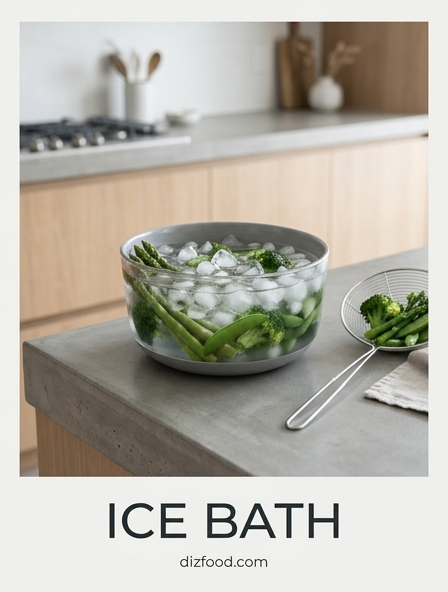
In the culinary arts, carryover cooking refers to the phenomenon where food continues to cook after being removed from a heat source due to retained thermal energy. This process is particularly dangerous for delicate items like seafood, asparagus, or haricots verts, where a few seconds of internal heat can transform a perfect texture into something mushy or overdone. The ice bath serves as the definitive solution to this problem, providing an immediate and drastic temperature drop that neutralizes residual heat.
By immersing cooked items into a mixture of half ice and half water, the chef creates an environment of high thermal conductivity. Unlike air, which is a poor conductor, the icy water surrounds the food entirely, drawing out heat from the core to the surface at an accelerated rate. This precision allows for greater control over the final product, ensuring that the internal temperature stops rising the moment the food leaves the pot. Without this intervention, meats can easily climb five to ten degrees higher than intended, leading to inconsistent results that can compromise a professional service.
Preserving Vibrant Vegetable Pigments
The aesthetic appeal of a dish often relies on the vividness of its colors, particularly the deep greens of chlorophyll-rich vegetables. When vegetables are boiled, the cell walls break down and gases are released; however, prolonged exposure to heat eventually dulls these pigments, turning bright emerald into an unappealing olive drab. An ice bath is essential for locking in these colors through a process often referred to as "shocking."
The rapid cooling stops the enzymatic reactions that lead to pigment degradation. This is especially vital for vegetables destined for cold preparations, such as salads or crudité platters. By halting the breakdown of the plant's cellular structure, the ice bath ensures that the chlorophyll remains stable and visually striking. Furthermore, this technique prevents the leaching of color into the surrounding moisture, keeping the vegetables looking as fresh as the moment they were harvested. This visual vibrancy serves as a hallmark of high-quality cooking and professional preparation, signaling to the diner that the ingredients have been handled with technical precision and care.
Mastering the Blanch and Refresh Technique
The "blanch and refresh" technique is a foundational skill in professional kitchens, used to partially cook food while maintaining its structural integrity. This two-stage process requires a boiling pot of salted water and a prepared ice bath. The synergy between these two extremes allows chefs to prepare large quantities of food in advance, which can then be finished "to order" during a busy service.
- Prepare a large bowl with equal parts ice and cold water to ensure total submersion.
- Boil the vegetables in heavily salted water until they reach a crisp-tender state.
- Immediately transfer the items from the boiling water to the ice bath using a spider or slotted spoon.
- Submerge completely for at least sixty seconds to ensure the core temperature has dropped.
- Drain thoroughly and pat dry to prevent waterlogging before final service.
This method is not just for vegetables; it is equally effective for loosening the skins of tomatoes or peaches. The sudden contraction caused by the ice bath separates the skin from the flesh, making peeling effortless while the interior remains raw and firm.
Ensuring Food Safety Through Rapid Cooling
Food safety protocols dictate that cooked foods must pass through the "Danger Zone"-the temperature range between 40°F and 140°F-as quickly as possible to inhibit bacterial growth. Large batches of stocks, soups, or sauces can hold heat for hours if left at room temperature, creating an ideal breeding ground for pathogens. Utilizing an ice bath is the most efficient way to achieve rapid cooling for liquid-based preparations before refrigeration.
| Food Type | Target Cooling Time | Critical Temperature |
|---|---|---|
| Stocks/Soups | Under 2 Hours | 70°F (First Stage) |
| Blanched Greens | Immediate | 40°F or lower |
| Thick Sauces | Under 90 Minutes | 40°F (Final Stage) |
By placing the container of hot liquid into a larger basin filled with ice and water, the heat is transferred away through the vessel walls. Stirring the liquid during this process further accelerates cooling by ensuring that the hotter center consistently reaches the chilled edges of the container. This practice is mandatory in commercial kitchens to meet health department standards and ensure the longevity and safety of prepped ingredients.
Achieving Perfectly Peeled Soft Boiled Eggs
Peeling a soft-boiled egg without tearing the delicate white is a common culinary challenge. The ice bath is the secret weapon for achieving a clean, smooth surface. When a hot egg is plunged into ice water, the sudden temperature shock causes the physical structure of the egg to contract. Specifically, the egg white shrinks slightly away from the interior membrane and the shell, creating a small pocket of space that facilitates easy peeling.
Moreover, the ice bath is crucial for stopping the cooking of the yolk. For a soft-boiled or "jammy" egg, the window of perfection is incredibly narrow. Even a minute of carryover cooking can turn a liquid gold center into a solid, chalky mass. By leaving the eggs in the ice bath for approximately five to ten minutes, the chef ensures the core is cold enough to handle and the yolk has set to the desired consistency. This method results in eggs that are not only aesthetically perfect but also consistent in texture across every serving, which is vital for breakfast services and ramen toppings.
Maintaining Crisp Textures in Greens
The texture of a vegetable is arguably as important as its flavor. When vegetables are cooked, the heat softens the pectin and cellulose that provide their "crunch." If the cooling process is slow, these fibers continue to break down, resulting in a limp and unappetizing product. The ice bath provides an immediate structural "reset," snapping the fibers back into a firm state. This is particularly noticeable in snap peas, broccoli rabe, and green beans.
Maintaining this turgidity is essential for dishes where a contrast in textures is required. For instance, a salad featuring blanched vegetables benefits significantly from the snap provided by an ice bath. Beyond just stopping the cooking, the cold water helps the vegetable cells retain their internal moisture, preventing the shriveled appearance that often accompanies air-cooled produce. Professional chefs rely on this crispness to add a fresh, high-quality mouthfeel to their compositions, ensuring that even pre-cooked components taste as though they were prepared seconds before hitting the plate. This attention to tactile detail separates amateur preparation from professional culinary execution.
Locking in Vital Nutrients and Flavor
Prolonged exposure to heat is the enemy of many water-soluble vitamins, such as Vitamin C and B-complex vitamins, which are highly sensitive to thermal degradation. By using an ice bath to minimize the duration of heat exposure, a chef effectively preserves the nutritional profile of the ingredient. The "shocking" process seals the surface of the vegetable, helping to keep both vitamins and natural sugars trapped within the cellular structure rather than leaching out into the cooking liquid or being destroyed by extended heat.
From a flavor perspective, the ice bath preserves the "bright" notes of the vegetable. Overcooked vegetables often develop a sulfurous or bitter taste as their chemical compounds break down over time. By halting the process at the peak of flavor development, the chef ensures that the natural sweetness and terroir of the produce remain front and center. This is especially important for ingredients like asparagus or spring peas, where the flavor is delicate and easily overwhelmed by the tastes associated with over-processing. Consequently, the ice bath is as much a tool for flavor management as it is for temperature control.
Setting Emulsions and Thickened Sauces
The ice bath is not solely reserved for whole vegetables and proteins; it is an invaluable tool for pastry chefs and sauciers. When preparing delicate emulsions like hollandaise or thickened bases like crème anglaise, temperature control is the difference between a silky finish and a curdled mess. If a custard base is left to cool slowly, the residual heat can over-coagulate the egg proteins, creating a grainy texture. Placing the mixing bowl into an ice bath while whisking allows for a controlled descent in temperature.
This technique is also used to set certain types of fat-based sauces and ganaches. Rapidly cooling a chocolate ganache while stirring encourages the formation of small, stable fat crystals, resulting in a glossier finish and a smoother mouthfeel. In the world of modernist cuisine, ice baths are frequently used to set gels and foams quickly. The ability to manipulate the viscosity of a liquid through rapid thermal change allows for greater creativity and precision in plating. Whether it is stabilizing a mayonnaise or cooling a fruit purée for a sorbet, the ice bath ensures the desired consistency is achieved and maintained.
The Science of Thermal Shock in Professional Kitchens
The effectiveness of an ice bath is rooted in the physics of heat transfer, specifically the principle of conduction. Water is approximately 25 times more thermally conductive than air. This means that a vegetable placed in an ice bath will lose its heat 25 times faster than one placed on a counter at room temperature. In a high-volume professional kitchen, this efficiency is not just a luxury; it is a mechanical necessity for maintaining the "flow" of production and ensuring that prep work stays ahead of service demands.
Thermal shock also plays a role in the physical transformation of the food's surface. The rapid contraction of the outermost layers of the food creates a barrier that helps retain internal moisture. This is why "shocked" vegetables often appear plump and succulent compared to their air-cooled counterparts. Understanding the rate of heat exchange allows chefs to calculate exactly how long an item should stay in the bath-typically long enough to reach the core but not so long that the food becomes waterlogged. This scientific approach to temperature management ensures that the chemical and physical properties of the ingredients are optimized for the final dish.
Elevating Culinary Consistency with Ice Baths
Consistency is the hallmark of any great kitchen. An ice bath removes the variable of "ambient temperature," which can fluctuate wildly depending on the season or the heat of the kitchen line. Without an ice bath, a batch of beans cooled on a hot summer day will cook significantly longer than a batch cooled in a drafty winter kitchen. By using a standardized ice bath, the chef ensures that every batch of food reaches a stable, low temperature in exactly the same amount of time.
This standardization is critical for mise en place, where components are prepared by different members of the kitchen staff. When every cook follows the same shocking protocol, the final dishes will taste and look identical regardless of who prepared the initial components. This level of reliability is what allows a restaurant to maintain its reputation and provide a dependable experience for the guest. The ice bath, therefore, is more than just a bowl of cold water; it is a vital tool for quality control, ensuring that the high standards of the chef are reflected in every single plate that leaves the kitchen.

Comments