
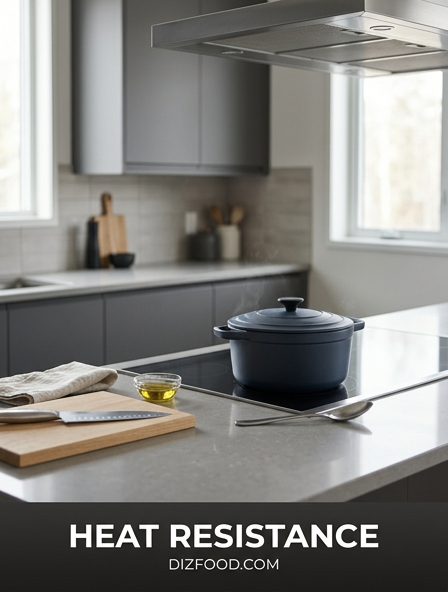
Basics of Kitchen Heat Resistance Ratings
Understanding heat resistance ratings is fundamental for kitchen safety and equipment longevity. These ratings indicate the maximum temperature a specific material can withstand before its structural integrity is compromised. Manufacturers typically express these limits in either Fahrenheit or Celsius, often stamped directly onto the bottom of cookware or listed within the product specifications. A rating is not merely a suggestion; it represents the threshold at which a material may warp, melt, or release harmful fumes. For instance, a wooden spoon has a high combustion point but can char, while certain plastics may deform at relatively low temperatures.
When evaluating kitchen tools, it is essential to distinguish between intermittent heat exposure and sustained high temperatures. Many tools are rated for brief contact, such as flipping a steak, but cannot be left in a hot pan. Common rating categories include:
- Low-Heat: Up to 200°F (Suitable for serving, not cooking).
- Medium-Heat: 200°F to 400°F (Standard baking and light frying).
- High-Heat: 400°F to 600°F (Searing, roasting, and professional grilling).
- Extreme-Heat: Above 600°F (Cast iron and specialized ceramics).
Properly interpreting these symbols prevents accidental damage to expensive cookware and ensures that the chemical composition of the tool remains stable during the cooking process.
Material Safety in High Temperature Cooking
Material safety in the kitchen is directly linked to how substances react when exposed to thermal energy. Every material used in modern culinary environments, from polymers to alloys, has a specific thermal degradation point. Safety is categorized by a material's ability to remain inert, meaning it does not react with food or oxygen when heated. For example, stainless steel is highly prized because it does not leach metallic flavors even when subjected to the intense heat required for deglazing or searing. In contrast, reactive materials like unlined copper or aluminum can migrate into acidic foods at high temperatures.
Furthermore, safety involves the physical stability of the item. Handles and lids often utilize secondary materials like bakelite or silicone, which have lower heat thresholds than the primary vessel body. If a pot is rated for high heat but the handle is not, the structural safety of the unit is compromised during transport. Users must ensure that every component of a tool-including coatings, rivets, and decorative elements-is compatible with the intended cooking method. Maintaining safety requires a thorough knowledge of how different materials expand and contract, as excessive heat can lead to permanent warping or "bowing" in thinner metal pans.
Comparing Silicone vs Metal Thermal Limits
Silicone and metal represent two ends of the heat-resistance spectrum in contemporary kitchens. Silicone is a synthetic polymer valued for its flexibility and non-stick properties. Most food-grade silicone is rated to withstand temperatures up to 450°F or 500°F. While this makes it ideal for baking mats and spatulas, it cannot be used for direct flame contact or broiler applications. Conversely, metals like carbon steel and cast iron can endure temperatures exceeding 1,500°F, far beyond the capabilities of any home oven or stovetop.
| Material Type | Typical Heat Limit (°F) | Primary Kitchen Use |
|---|---|---|
| Food-Grade Silicone | 450°F - 500°F | Baking, Spatulas, Mats |
| Aluminum | 400°F - 600°F (Coated) | Sheet Pans, Saucepans |
| Stainless Steel | 800°F+ | Searing, Boiling, Roasting |
| Cast Iron | 1,500°F+ | Grilling, Heavy Searing |
The primary difference lies in heat conduction. Metals conduct heat rapidly and efficiently, making them the standard for browning and frying. Silicone acts as an insulator, protecting hands and surfaces from heat transfer. While metal is more durable under extreme heat, silicone offers the advantage of not scratching delicate non-stick surfaces, provided it is kept within its rated thermal window.
Understanding Oven Safe vs Stovetop Ratings
The distinction between "oven safe" and "stovetop safe" is a critical safety parameter that refers to the type of heat application. Stovetops provide conductive heat, where the energy is concentrated at the base of the vessel through direct contact with a flame or induction element. Cookware designed for the stovetop must have a heavy base to distribute this concentrated energy and prevent "hot spots" that can scorch food or damage the pan. However, many stovetop-safe pans are not oven safe if they feature plastic handles, glass lids with low thermal thresholds, or non-stick coatings that degrade in the ambient heat of an oven.
Oven-safe ratings imply that the entire piece of cookware can be submerged in a high-temperature environment where heat is radiant and convective, hitting the item from all angles. In an oven, handles and knobs reach the same temperature as the cooking surface, requiring materials like stainless steel or specialized heat-resistant phenolic resins. Broiler-safe is a further sub-category, indicating an item can withstand the intense, direct infrared heat of a broiler element, which often reaches 500°F to 550°F. Always verify both ratings before transitioning a dish from the burner to the oven rack.
The Science of Thermal Shock in Glassware
Thermal shock occurs when a material undergoes a rapid temperature change, causing different parts of the object to expand or contract at different rates. In glassware, this stress can lead to catastrophic failure, resulting in the glass shattering or "exploding." The resistance to thermal shock is determined by the material's coefficient of thermal expansion (COE). Low COE materials are less likely to break when moved from a cold environment to a hot one. Historically, borosilicate glass was the standard for ovenware due to its very low COE, making it highly resistant to temperature swings.
Modern consumer glassware often utilizes tempered soda-lime glass. While soda-lime glass is physically stronger and more resistant to impact than borosilicate, it has a higher COE, making it more susceptible to thermal shock. To prevent breakage, users should avoid placing hot glass dishes directly on cold granite countertops or adding cold liquids to a hot glass pan. The gradual equalization of temperature is key to maintaining the integrity of glass. Understanding these physical properties ensures that glassware remains a safe and transparent medium for both cooking and food storage without the risk of sudden mechanical failure.
Food Grade Standards for Heat Exposure
Food grade standards are regulations established by agencies like the FDA (U.S.) and EFSA (Europe) to ensure that kitchenware does not contaminate food. When materials are heated, the molecular activity increases, which can lead to the "migration" of chemicals from the container into the food. Heat resistance standards specify the maximum temperatures at which a material is considered "food-safe." For example, certain plastics are food-grade at room temperature but may release phthalates or bisphenols when microwaved or exposed to boiling water.
To meet these standards, manufacturers perform rigorous migration testing using "food simulants" like acetic acid or olive oil at elevated temperatures. These tests confirm that the amount of substances leaching into the food stays below a strictly defined threshold. Furthermore, high-heat standards apply to coatings, such as PTFE or ceramic glazes. If a coating begins to flake or gas off at high heat, it no longer meets food-grade safety requirements. Consumers should look for compliance marks such as the "glass and fork" symbol in Europe or NSF certification in the United States to ensure their high-heat tools have been vetted for chemical stability under thermal stress.
Essential Temperature Thresholds for Kitchenware
Successful cooking and kitchen safety rely on knowing the specific temperature thresholds for various tools. Exceeding these limits can result in permanent damage to the item or the introduction of toxins into the meal. Below are the essential thresholds for common kitchen materials:
- Teflon (PTFE) Coatings: 500°F (260°C). Beyond this point, coatings can begin to break down and release polymer fumes.
- Wood and Bamboo: 400°F (204°C). While they won't melt, they can become brittle, char, or ignite if left in direct contact with high heat.
- Hard Anodized Aluminum: 500°F to 600°F. Excellent for heat distribution but often limited by the exterior finish or handle material.
- Nylon Utensils: 400°F (200°C). Nylon can melt quickly if left resting on a hot pan rim or submerged in hot oil.
- Ceramic Coatings: 600°F to 850°F. These are generally more heat-tolerant than traditional non-stick surfaces and are safer at higher searing temperatures.
Monitoring these thresholds is particularly important when using modern high-output gas burners or induction cooktops, which can heat pans to these limits in a matter of seconds. Using an infrared thermometer can help home cooks stay within these essential safety zones.
Identifying Certified Heat Resistant Materials
Identifying truly heat-resistant materials requires looking beyond marketing claims and focusing on official certifications and material markings. Authentic heat resistance is often validated by third-party organizations that conduct standardized testing. For instance, the NSF (National Sanitation Foundation) provides certifications for commercial kitchen equipment, ensuring that materials can withstand the rigors of high-temperature industrial dishwashers and cooking lines. Another important indicator is the UL (Underwriters Laboratories) mark, which is often found on electrical kitchen appliances to certify that the housing and internal components won't ignite or melt during operation.
On consumer products, icons are the most common identifier. A small oven-shaped icon indicates oven safety, while a wavy line icon typically denotes microwave safety. If a product is marked "BPA-Free" and "Heat Resistant," it suggests the manufacturer has used specialized polymers like Tritan or high-heat silicone. For professional-grade cookware, look for "18/10 Stainless Steel" or "Full Clad" labels, which signify a build quality capable of handling extreme thermal loads. Always cross-reference the packaging with the manufacturer's digital manual, as certifications may specify different temperature limits for different parts of the same product, such as the lid versus the base.
Preventing Melting and Chemical Leaching Risks
The dual risks of melting and chemical leaching are the primary concerns when heat resistance is ignored. Melting is a physical change where a solid becomes a liquid, often ruining the cookware and the cooktop. Leaching, however, is a chemical process that is often invisible. It occurs when heat causes the molecular bonds in a material to weaken, allowing chemicals to migrate into the food. This is common in low-quality plastics and older non-stick pans. To prevent these risks, users should implement several best practices in the kitchen.
First, never preheat a non-stick pan on "high" while empty, as it can reach 500°F in less than two minutes. Second, replace any utensils that show signs of pitting, bubbling, or warping, as these are indicators that the material has reached its thermal limit and is degrading. Third, match the tool to the task: use metal or high-heat silicone for frying and save plastic or nylon for cold prep or serving. By respecting the thermal boundaries of materials, you ensure that the only things entering your food are the ingredients you intentionally added, maintaining a healthy and safe cooking environment.
Performance Benefits of High Heat Cookware
Investing in high-heat resistant cookware offers significant performance advantages that directly impact the quality of the final dish. The most prominent benefit is the ability to achieve the Maillard reaction-the chemical process that creates the savory, brown crust on roasted meats and vegetables. This reaction requires surface temperatures that would cause standard non-stick pans to fail. Materials like cast iron and carbon steel excel here because they can hold and radiate intense heat, ensuring a perfect sear without losing temperature when the food is added.
Additionally, high-heat cookware offers superior durability. Items rated for extreme temperatures are less likely to warp over time, meaning they stay flat on the stovetop for even heating. They are also more versatile, allowing for "one-pan" cooking where a dish is started on the burner and finished under the broiler. This versatility streamlines the cooking process and reduces cleanup. Finally, high-heat materials often have a longer lifespan; while a plastic-handled pan might last a few years, a fully metal-clad or cast iron piece can last for generations, making it a more sustainable and cost-effective choice for the serious home cook.

Comments