
Achieving the perfect bake often comes down to more than just your ingredients; it is truly about how your chosen surface materials manage heat distribution within the oven. Different surfaces, from heavy-duty metal pans to flexible liners, interact with thermal energy in unique ways, directly influencing how your cookies brown or how evenly your pastries rise. By understanding how various materials conduct, reflect, or insulate heat, you can gain much better control over the final texture and consistency of your favorite treats. Selecting the right thermal barrier is essential for professional results, which is why many home bakers weigh the benefits of Silpat vs Parchment Paper when prepping their next batch.
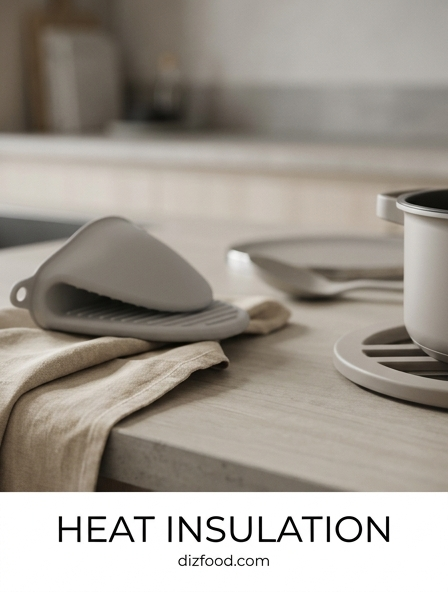
Thermal Conductivity and Heat Distribution
Thermal conductivity is a fundamental physical property that dictates how quickly heat moves through a material. In the kitchen, this determines how efficiently energy transfers from the oven's heating elements to your food. High-conductivity materials, such as copper and aluminum, allow heat to spread rapidly and evenly across the entire surface of the cookware. This minimizes the risk of localized hot spots that can lead to uneven cooking or scorched edges. Conversely, materials with low thermal conductivity act as insulators, slowing the movement of energy and requiring more time to reach a uniform temperature.
Understanding the distribution of heat is critical for achieving professional results in baking and roasting. When heat is distributed poorly, the part of the dish closest to the heat source may overcook while the center remains raw. Factors influencing this include:
- Material Gauge: Thicker walls tend to distribute heat more evenly by providing more mass for the energy to travel through.
- Surface Area: Larger pans require higher conductivity to ensure the center reaches the same temperature as the perimeter.
- Molecular Structure: The density and bonding of the atoms in the metal determine the speed of kinetic energy transfer.
Dark vs Light Baking Sheets
The color and finish of a baking sheet significantly impact the rate of heat absorption due to the principles of radiant energy. Dark-colored pans are highly emissive, meaning they absorb and radiate thermal energy much faster than their lighter counterparts. This leads to rapid browning and a crisper texture, which is often desirable for roasted vegetables or thin, crunchy cookies. However, this increased heat absorption can easily lead to over-browning or burning the bottoms of delicate items before the centers are fully set.
Light-colored or shiny aluminum pans reflect a greater portion of the oven's radiant heat. This results in a slower, more controlled rise in temperature, making them ideal for delicate cakes, shortbread, and sugar cookies where a pale, even finish is required. The following table summarizes the typical outcomes based on the pan's finish:
| Pan Finish | Heat Absorption | Best For |
|---|---|---|
| Dark/Matte | High/Fast | Pizza, Roasted Veggies, Crispy Cookies |
| Light/Shiny | Low/Slow | Sponge Cakes, Light Biscuits, Pastries |
The Science of Metal Bakeware
Metal remains the preferred choice for most professional bakers due to its predictable thermal response and durability. Aluminum is the industry standard because it offers an excellent balance between cost and high thermal conductivity. It heats up quickly and, just as importantly, cools down rapidly when removed from the oven, preventing carry-over cooking. Steel, while less conductive than aluminum, is often used for its structural strength and magnetic properties, making it compatible with induction surfaces.
The manufacturing process also affects how metal bakeware interacts with heat. For example, aluminized steel combines the strength of steel with the superior heat distribution of an aluminum-silicon alloy coating. To maximize the performance of metal pans, consider these stages of the baking process:
- Preheating: Metal pans reach equilibrium with the oven air quickly, ensuring a consistent start.
- Thermal Transfer: Efficient conduction promotes the Maillard reaction on the dough's surface.
- Cooling: The low thermal mass of thin metal allows for quick stabilization after baking.
Ceramic and Glass Heat Retention
Ceramic and glass are characterized by their low thermal conductivity but high thermal mass. Unlike metals, these materials take a significant amount of time to heat up. However, once they reach the desired temperature, they retain that heat exceptionally well. This property makes them ideal for "low and slow" cooking methods, such as casseroles, lasagnas, and deep-dish pies. The insulating nature of ceramic ensures that even after the oven is turned off, the food remains warm for an extended period.
One challenge with glass and ceramic is their vulnerability to thermal shock. Rapid temperature changes, such as moving a dish from the freezer directly into a hot oven, can cause the material to shatter due to uneven expansion. To utilize these materials effectively, one should observe the following characteristics:
- Steady Heat Release: Provides a gentle, constant heat that prevents the edges of moist dishes from drying out.
- Slow Preheating: Requires longer oven times to ensure the vessel itself is not cooling the food initially.
- Non-Reactive Surface: Glass and glazed ceramic do not interact with acidic ingredients like tomatoes or citrus.
Baking Steels vs Pizza Stones
When it comes to achieving a professional-grade crust for bread or pizza, the choice between a baking steel and a pizza stone depends on heat flux. A baking steel is a dense slab of carbon steel that possesses extremely high thermal conductivity. It can transfer heat to a dough much faster than a stone can, leading to a dramatic "oven spring" and a charred, blistered crust. This is due to the steel's ability to store a massive amount of energy and release it nearly instantaneously upon contact.
Pizza stones, typically made of cordierite or ceramic, are more porous and have lower conductivity. While they take longer to transfer heat, their porosity helps wick moisture away from the dough, contributing to a dry, crispy bottom. Comparison of their properties includes:
| Property | Baking Steel | Pizza Stone |
|---|---|---|
| Conductivity | Very High | Moderate |
| Durability | Indestructible | Prone to Cracking |
| Recovery Time | Short | Long |
Impact of Surface Texture on Crust
The physical texture of a pan's surface plays a subtle but vital role in heat insulation and air circulation. Many modern baking sheets feature a quilted or corrugated pattern. These raised textures create tiny pockets of air between the food and the metal. Since air is an excellent insulator, these pockets prevent the bottom of the baked goods from making full contact with the hot surface, reducing the risk of scorching and ensuring a more even bake across the entire base.
Perforated pans take this a step further by allowing hot air to flow directly through the pan and contact the food. This is particularly effective for items that require a very crisp exterior, such as baguettes or oven fries. The mechanical advantages of textured surfaces include:
- Reduced Friction: Makes it easier to slide delicate pastries off the tray without breaking.
- Steam Escape: Allows moisture to evaporate from the bottom of the dough, preventing sogginess.
- Structural Integrity: Corrugation adds strength to the metal, preventing the pan from warping under high heat.
Insulated Bakeware Performance
Insulated bakeware is specifically designed to provide a "safety net" for bakers dealing with delicate recipes. These pans consist of two layers of metal with a thin cushion of air trapped between them. Because air is a poor conductor of heat, it acts as a thermal barrier that slows down the transfer of energy from the oven to the bottom of the pan. This design ensures that the temperature of the inner layer remains significantly lower than the oven's ambient air temperature for a longer period.
This type of bakeware is perfect for cookies that need to stay soft and pale, or for recipes with high sugar content that caramelize too quickly. However, the insulation means that baking times usually need to be extended. To get the most out of insulated pans, follow these guidelines:
- Increase Baking Time: Add 2-5 minutes to standard recipes to account for the slower heat transfer.
- Avoid for Crispy Goods: Do not use these for items that require a hard snap or dark browning.
- Check Center Doneness: Ensure the middle is cooked through, as the bottom will not brown as an indicator.
Cast Iron Thermal Mass Secrets
Cast iron is the king of thermal mass in the kitchen. Although it is a relatively poor conductor of heat compared to aluminum-meaning it takes a long time to heat up and often develops hot spots-its ability to retain heat is unmatched. Once a cast iron skillet or Dutch oven is thoroughly preheated, it acts as a heat reservoir. This is essential for searing meats, as the surface temperature of the pan does not drop significantly when a cold piece of protein is placed upon it.
In baking, cast iron creates a radiant environment that mimics a stone oven. It is the gold standard for crusty sourdough bread and cornbread. Key thermal benefits of cast iron include:
- High Emissivity: It radiates heat effectively, cooking food from multiple angles rather than just through direct contact.
- Temperature Stability: Maintains a constant heat level even when the oven door is opened and closed.
- Seasoning Layer: The polymerized oil layer provides a slight thermal buffer and a natural nonstick surface.
Nonstick Coatings and Heat Absorption
Nonstick coatings, such as PTFE (Teflon) or ceramic-based finishes, do more than just prevent food from sticking; they also alter the thermal properties of the cookware. Most nonstick coatings are applied over a dark base material, which naturally increases radiant heat absorption. However, the coating itself can act as a very thin insulating layer, slightly modifying the interface between the metal and the food. This can result in a more uniform browning compared to raw, untreated stainless steel.
It is important to note that nonstick coatings have temperature limitations. High heat can degrade the chemical bonds of the coating, releasing fumes or reducing the pan's lifespan. Consider the following data regarding nonstick surfaces:
| Coating Type | Heat Limit | Thermal Character |
|---|---|---|
| PTFE (Traditional) | 500°F (260°C) | Consistent, moderate browning |
| Ceramic (Sol-Gel) | 840°F (450°C) | Higher heat tolerance, rapid transfer |
| Hard Anodized | Very High | Excellent conductivity and durability |
Choosing Materials for Specific Bakes
Selecting the right material for a specific culinary task requires a deep understanding of how that material manages heat. A recipe's success often hinges on whether you need rapid heat flux or slow, steady insulation. For example, a delicate custard or cheesecake requires the gentle, insulating environment of a glass dish or a water bath to prevent the proteins from curdling. In contrast, a thin-crust pizza requires the aggressive heat transfer of a preheated baking steel to achieve the desired char and rise.
When deciding which tool to use, consider the desired final texture of your dish. Matching the material to the outcome is a hallmark of an experienced cook. The following hierarchy is generally recommended for home kitchens:
- For Crispy/Browned Edges: Choose dark, heavy-gauge metal or cast iron.
- For Uniform, Soft Textures: Opt for light-colored aluminum or insulated pans.
- For Slow-Cooked Depth: Utilize ceramic or thick glass to maintain steady internal temperatures.
- For Maximum Crust: Use materials with high thermal mass like stone or steel.

Comments