
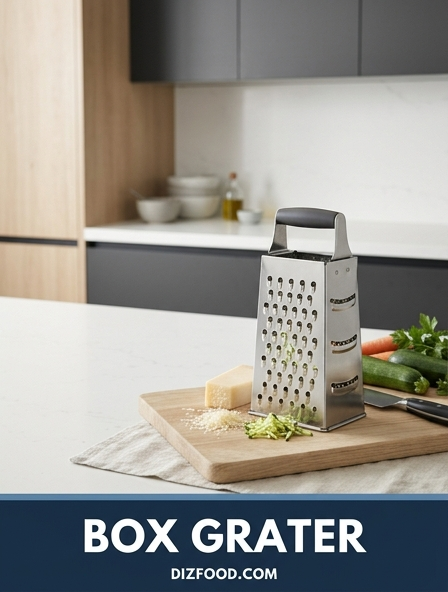
The Benefits of High Volume Shredding
High volume shredding is a cornerstone of efficient culinary management, particularly when dealing with bulk ingredients like cheese, root vegetables, and firm fruits. By processing large quantities at once, home cooks and professional chefs can significantly reduce the unit cost of their ingredients. Purchasing blocks of cheddar or mozzarella is notoriously more economical than buying pre-shredded bags, which often contain added starches and anti-caking agents that affect melting quality. Freshly shredded items retain more moisture, leading to superior flavor profiles in cooked dishes.
Furthermore, the ability to rapidly process piles of vegetables allows for the creation of nutrient-dense bases for soups, salads, and slaws in a fraction of the time. This approach facilitates a healthier lifestyle by making fresh produce more accessible during busy weekdays. When ingredients are shredded in bulk, the physical labor is condensed into a single session, minimizing the repetitive setup and cleanup associated with daily preparation. The primary advantages include:
- Significant cost savings on bulk-purchased dairy and produce.
- Elimination of unnecessary chemical additives found in pre-packaged goods.
- Improved melting characteristics and texture in finished recipes.
- Enhanced consistency in ingredient size for even cooking results.
Essential Equipment for Bulk Food Prep
Every kitchen requires a robust toolkit to handle large-scale food preparation without succumbing to physical fatigue or mechanical failure. At the center of this toolkit is the classic four-sided box grater, a versatile powerhouse capable of handling everything from fine zesting to coarse shredding. However, for true bulk preparation, supplementary tools are necessary to provide support and variety in texture. A high-quality chef's knife remains indispensable for preliminary dicing, while a bench scraper helps manage the resulting piles of shredded material efficiently.
| Tool Name | Primary Function | Volume Capacity |
|---|---|---|
| Box Grater | Manual Shredding/Zesting | Medium |
| Mandoline | Uniform Slicing | Medium-High |
| Food Processor | Rapid High-Volume Shredding | High |
| Bench Scraper | Ingredient Organization | N/A |
Selecting the right equipment depends on the specific requirements of the recipe and the total volume of ingredients. For many, the box grater remains the most reliable option due to its simplicity and ease of cleaning, especially when working with smaller batches of varying textures.
Streamlining Your Kitchen Prep Workflow
An efficient kitchen prep workflow relies heavily on organization and the logical sequencing of tasks. To maximize productivity, a cook must arrange their workspace to minimize unnecessary movement. This starts with a clear countertop and a stable cutting board. When using a box grater for multiple ingredients, the order of operations is vital to prevent cross-contamination and to reduce the need for constant washing between items. Generally, one should start with the hardest, driest ingredients and move toward the softest or most moist items.
- Clear the workspace and set up a large tray to catch shredded food.
- Prepare all vegetables by washing and peeling before starting the shredding process.
- Begin with items like hard cheeses or firm carrots to keep the grater blades clean.
- Process aromatic items like ginger or garlic last to contain their strong oils.
- Transfer shredded piles to labeled containers immediately to maintain an organized station.
By following a standardized routine, the cook can enter a state of flow, reducing the mental burden of the task. This systematic approach ensures that every ingredient is ready before the actual cooking begins, leading to a much smoother and more enjoyable culinary experience.
Time Saving Techniques for Vegetable Processing
Vegetable processing can be one of the most time-consuming aspects of meal preparation, but specific techniques can drastically shorten the duration of these tasks. One effective method is the "vertical stroke" technique on a box grater, where the vegetable is moved in long, continuous motions to maximize blade contact. Utilizing the entire surface area of the grater prevents uneven wear and speeds up the shredding of large items like zucchini or potatoes. Additionally, keeping the vegetables cold-or even partially frozen-can make them firmer and much faster to grate.
- Use the long side of the vegetable to produce longer, more attractive shreds.
- Apply consistent, moderate pressure rather than short, forceful bursts.
- Keep a bowl of ice water nearby for shredded potatoes to prevent oxidation.
- Utilize a food pusher or a small flat lid to grate the final nubs of vegetables safely.
Implementing these methods not only saves minutes off the clock but also reduces physical strain on the wrists and shoulders. When the technique is refined, processing five pounds of carrots can take less than ten minutes, making batch cooking much more feasible for the average household.
Mastering Versatile Food Prep Strategies
Mastering a box grater involves more than just cheese; it requires understanding how to use every surface for different culinary effects. The coarse shredding side is ideal for creating hash browns or cabbage for slaw, while the fine shredding side works perfectly for hard cheeses like Parmesan or for pureeing onions into sauces. The slicing side, often overlooked, can produce uniform rounds of cucumber or radish for garnishes. Even the smallest star-shaped holes serve a purpose, acting as a micro-plane for ginger, garlic, or nutmeg.
Versatility also means using the tool for non-traditional items. Cold butter can be shredded directly into flour for flaky pastry crusts, and chocolate bars can be grated for delicate dessert toppings. By viewing the box grater as a multi-functional processor rather than a single-use tool, a cook can eliminate the need for several bulky appliances. This mastery allows for a minimalist kitchen setup that does not sacrifice variety or quality in food texture. Successful prep strategies involve matching the specific hole size to the desired mouthfeel of the final dish, ensuring that every ingredient is optimized for its role in the recipe.
The Impact of Automated Shredders on Efficiency
In high-traffic commercial environments or for those who process immense quantities of food, automated shredders represent a significant leap in efficiency. These machines, whether they are standalone units or attachments for a stand mixer, remove the physical exertion from the equation. The speed at which an electric motor can rotate a shredding disc far exceeds human capability, allowing for several pounds of produce to be processed in seconds. This speed is particularly beneficial for large families or during holiday meal preparation.
- Reduces the risk of repetitive strain injuries in the kitchen.
- Ensures absolute uniformity across large batches of ingredients.
- Allows the cook to multitask while the machine handles the labor-intensive shredding.
- Handles difficult ingredients like hard nuts or dense root vegetables with ease.
While automated tools require more storage space and a higher initial investment, the time recovered is often worth the cost. However, the trade-off usually involves more complex cleanup compared to a manual box grater. For many, the choice between manual and automated comes down to the frequency of high-volume tasks and the available counter space.
Safety Protocols for High Speed Food Processing
Speed in the kitchen should never come at the expense of safety, especially when using tools with sharp, exposed blades. Box graters and electric shredders are responsible for many minor kitchen injuries, most of which are preventable with proper technique and focus. Maintaining a firm grip on both the tool and the food item is the first line of defense. As the ingredient becomes smaller, the risk to fingertips increases significantly. Using safety accessories can mitigate these hazards and provide peace of mind during fast-paced preparation sessions.
- Always use a cut-resistant glove when working with manual graters.
- Never attempt to shred the very last bit of a food item by hand; use a pusher.
- Ensure the base of the grater is secured on a non-slip surface or tray.
- Keep eyes focused on the blade and the fingers at all times during the process.
- Turn off and unplug electric shredders immediately after use and before cleaning.
By establishing these protocols as habit, the cook can maintain a high pace of production without the fear of injury. Safety is an integral part of professional efficiency, ensuring that work continues without interruption.
Optimizing Ingredient Prep for Batch Cooking
Batch cooking is an effective strategy for saving time and money, but its success depends on how well the ingredients are prepped and stored. Shredded ingredients are particularly useful for batching because they cook quickly and integrate easily into various recipes. When processing large quantities, it is important to consider the shelf life and moisture content of the food. For example, shredded zucchini should be salted and drained if it is intended for baking, whereas shredded carrots can be stored in airtight containers for several days to be used in salads and stir-fries.
| Ingredient | Best Prep Method | Storage Tip |
|---|---|---|
| Potatoes | Coarse Shred | Store in water to prevent browning. |
| Hard Cheese | Fine Shred | Freeze in flat bags for easy portioning. |
| Onions | Slicing Side | Keep in airtight glass to contain odor. |
| Carrots | Medium Shred | Damp paper towel in the container. |
Optimizing this stage means thinking ahead to how the ingredients will be utilized throughout the week. Having a variety of textures ready to go makes the final assembly of meals nearly effortless.
Comparing Manual and Electric Food Shredders
Choosing between a manual box grater and an electric food shredder depends on the specific needs of the cook and the scale of the tasks at hand. The manual box grater is prized for its simplicity, reliability, and precision. It requires no electricity, is easy to store, and provides the user with total control over the pressure and speed of the shredding. It is the ideal tool for quick tasks, such as grating a bit of cheese for a single pasta dish or zesting a lemon for a cake.
In contrast, electric shredders are built for speed and volume. They excel at processing massive quantities of food that would be exhausting to do by hand. However, they come with drawbacks:
- Electric models are louder and take up significantly more kitchen real estate.
- Cleaning an electric processor often involves multiple parts and attachments.
- Manual graters offer a better "feel" for the texture of the food.
- Manual tools are generally more affordable and have a longer lifespan due to fewer moving parts.
Ultimately, a well-equipped kitchen might benefit from having both: a manual grater for daily use and an electric option for seasonal canning or large gatherings.
Maintaining Equipment for Consistent Performance
To ensure that kitchen tools remain efficient over time, a strict maintenance routine must be observed. For box graters, the most critical factor is the sharpness of the blades and the structural integrity of the frame. Dull blades require more force, which increases the risk of slipping and causes the food to tear rather than cut cleanly. While sharpening a box grater is difficult, its lifespan can be extended through proper cleaning and drying. Most graters are dishwasher safe, but hand-washing can prevent the high heat from dulling the edges over many cycles.
- Rinse the grater immediately after use to prevent food from hardening in the holes.
- Use a soft brush to scrub in the direction of the blades to remove stubborn residue.
- Dry the tool thoroughly before storing to prevent rust or corrosion, especially in carbon steel models.
- Inspect the handle and base for any signs of loosening or cracking.
- Store the grater in a way that the blades are not rubbing against other metal utensils.
Consistent maintenance ensures that the tool performs as well in five years as it did on the day it was purchased. High-quality equipment is an investment in culinary precision.

Comments