
Ever wonder why your cookies come out golden on one side but pale on the other? The secret lies in the battle between convection and conventional baking. While a traditional oven relies on stagnant radiant heat rising from a fixed element, convection ovens utilize a powerful fan and exhaust system to circulate hot air continuously around your food. This active airflow eliminates pesky cold spots and creates an environment of total thermal uniformity, ensuring that whether you're roasting a succulent chicken or baking three trays of pastries at once, you achieve that perfectly even, professional-grade finish every single time. It's the ultimate upgrade for anyone looking to bring consistency and speed to their kitchen game.
| Feature | Convection Baking | Conventional Baking |
|---|---|---|
| Heat Source | Fan-circulated hot air | Radiant heat (top/bottom) |
| Cook Speed | ~25% faster cooking times | Standard recipe duration |
| Temperature | Requires 25°F (15°C) reduction | Follows standard recipe temps |
| Airflow | Active, constant circulation | Static; prone to hot spots |
| Evenness | Uniform browning; no rotating | Requires manual tray rotation |
| Best For | Roasting, crisping, multi-rack | Cakes, soufflés, quick breads |
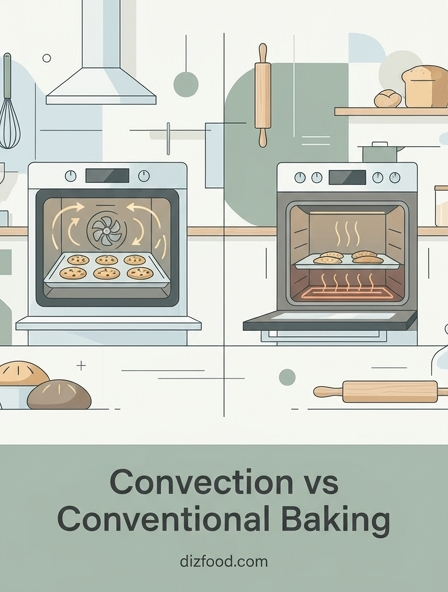
Understanding the Core Differences Between Convection and Conventional Ovens
The primary distinction between convection and conventional ovens lies in how they manage heat distribution within the cooking chamber. A conventional oven, often referred to as a thermal or traditional oven, relies on stationary heating elements typically located at the top and bottom of the unit. Heat rises naturally from the bottom element, creating pockets of varying temperatures. This often results in "hot spots," where certain areas of the oven are significantly warmer than others, requiring the baker to rotate trays to ensure an even cook.
In contrast, a convection oven incorporates an internal fan and an exhaust system designed to circulate hot air continuously around the food. This forced-air mechanism strips away the "cold air blanket" that naturally surrounds food as it enters a hot oven, allowing the heat to penetrate more efficiently. Some high-end models, known as "true convection" or "European convection" ovens, include a third heating element located directly behind the fan to ensure the air being blown is already at the target temperature.
Understanding these mechanics is essential for any home cook looking to master their kitchen equipment. While both appliances can achieve excellent results, they operate on different thermodynamic principles:
- Conventional: Relies on radiant heat and natural convection (heat rising).
- Convection: Utilizes mechanical convection to move air and maintain uniform heat.
- Energy Use: Convection is generally more efficient due to faster cooking times.
- Moisture: Conventional ovens can sometimes trap more moisture, whereas convection ovens tend to create a drier environment.
How the Convection Fan Impacts Heat Distribution and Airflow
The convection fan is the defining feature that transforms a standard heating box into a high-performance cooking machine. In a traditional oven environment, air is relatively stagnant. As a tray of cookies or a large roast absorbs heat, the air immediately surrounding the food cools down, creating an insulating layer of cooler air. This slows the cooking process and can lead to uneven results, such as the bottoms of cookies burning while the tops remain doughy. The fan effectively disrupts this boundary layer, ensuring that every inch of the food's surface is exposed to a consistent temperature.
Airflow dynamics are also influenced by how the oven is loaded. Because the fan relies on the movement of air, overcrowding a convection oven can hinder its performance. If air cannot move freely between the racks, the benefits of the fan are negated, and the oven may behave more like a conventional one with unpredictable hot spots. When used correctly, however, the airflow allows for multi-rack baking. Since the temperature is uniform throughout the chamber, you can place trays on the top, middle, and bottom racks simultaneously without worrying about the bottom rack shielding the top ones from heat.
The exhaust system works in tandem with the fan to vent out excess moisture. This creates a dry atmosphere that is ideal for achieving certain culinary textures. By removing steam that evaporates from the food, the convection process allows for a more direct transfer of heat to the surface, which is critical for specialized roasting and browning techniques.
Benefits of Convection Baking for Faster Cooking and Even Browning
One of the most celebrated advantages of convection baking is the significant reduction in cooking time. Because the moving air transfers energy more rapidly than still air, most dishes cook approximately 25% faster in a convection setting. This efficiency is not just a time-saver; it also translates to lower energy consumption over the long term. For busy households or professional environments, this increased throughput is invaluable for maintaining a steady flow of prepared food.
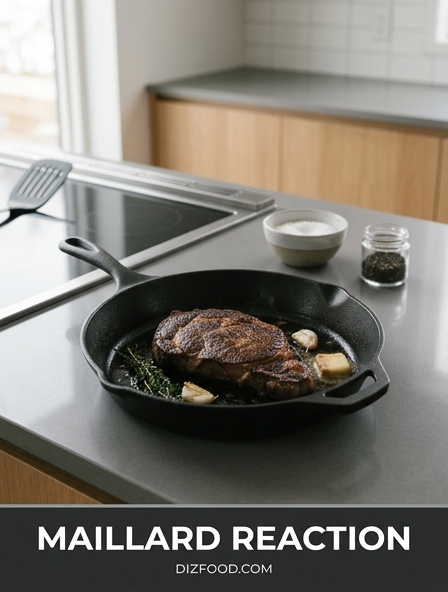
Beyond speed, convection is the gold standard for achieving superior browning and texture through the Maillard reaction. This chemical reaction between amino acids and reducing sugars occurs more effectively in the dry, hot environment produced by a convection fan. When roasting a chicken or baking potatoes, the constant airflow dries the exterior quickly, creating a crisp, golden-brown crust while keeping the interior moist. This is often difficult to replicate in a conventional oven, where the ambient moisture can lead to steaming rather than roasting.
The consistency of the heat distribution also ensures that food browning is uniform across the entire surface. You can compare the results in the following table:
| Feature | Conventional Result | Convection Result |
|---|---|---|
| Exterior Texture | Softer, occasionally uneven | Crispy and caramelized |
| Cooking Time | Standard recipe time | 20-25% faster |
| Coloration | Variable (patchy) | Uniform golden brown |
When to Choose a Conventional Oven for Delicate Baked Goods
Despite the many advantages of convection, the conventional oven remains the preferred choice for specific, delicate recipes. The primary reason for this is the physical force of the moving air. In a convection oven, the fan can be strong enough to deform soft batters or disturb the rise of sensitive items. For instance, a soufflé or a delicate sponge cake relies on a gentle, steady rise. The wind from a convection fan can cause these items to tilt, collapse, or form a lopsided crust before they have had a chance to set structurally.
Furthermore, the drier environment of a convection oven is not always desirable. Certain baked goods, such as custards, cheesecakes, and some types of bread, benefit from a more humid atmosphere. In a conventional oven, the lack of an exhaust fan allows more of the moisture evaporating from the food to remain in the chamber, preventing the surface from cracking or becoming too tough. Quick breads and muffins also tend to fare better in conventional heat, as they require a slower, more radiant heat to rise fully without the tops setting too early.
When deciding whether to stick with a conventional setting, consider the following list of items that typically perform better without forced airflow:
- Soufflés: The air movement can cause them to fall or lean.
- Custards and Flans: They require a moist environment to remain silky.
- Cakes: Particularly delicate sponges or angel food cakes.
- Cheesecakes: To prevent surface cracking from over-drying.
- Thick Batters: Items that need time to rise before a crust forms.
How to Convert Conventional Recipes for Convection Oven Success
Most recipes found in cookbooks and online are written for conventional ovens. When switching to a convection setting, simply following the original instructions can lead to overcooked or burnt food. To adapt these recipes successfully, bakers generally follow two main rules of thumb: the "25/25" rule. This involves either lowering the temperature or reducing the cooking time to account for the increased efficiency of the moving air.
The first method is to reduce the oven temperature by 25 degrees Fahrenheit (approximately 15 degrees Celsius). For example, if a recipe calls for 350°F, you should set your convection oven to 325°F. This lower temperature prevents the exterior of the food from burning before the interior is fully cooked. The second method is to keep the temperature the same but reduce the cooking time by 25%. If a dish normally takes 60 minutes, check it at 45 minutes. For the best results, many professionals recommend a combination of both: lower the temperature by 25 degrees and start checking for doneness about three-quarters of the way through the suggested time.
It is also important to use the right cookware. Low-sided pans and baking sheets are ideal for convection because they allow the air to circulate freely over the surface of the food. High-sided pans can block the airflow, creating a "dead zone" where the air remains stagnant, effectively turning your convection oven back into a conventional one for that specific dish.
The Impact of Oven Airflow on Roasting and Baking Results
The science of airflow plays a critical role in the final quality of roasted meats and baked treats. In a roasting context, the airflow facilitates the rapid evaporation of surface moisture. This is particularly beneficial for large cuts of meat, such as a prime rib or a whole turkey. As the fan moves air around the meat, the fat renders more quickly and the skin dehydrates, leading to a much crispier result than what is achievable in the relatively humid, still air of a conventional oven. This process also seals in juices by quickly creating a seared exterior barrier.
In baking, airflow affects how leavening agents react. For items like puff pastry or croissants, the rapid heat transfer from the moving air causes the water in the dough to turn to steam almost instantly. This creates a dramatic "lift" or "oven spring," resulting in more layers and a lighter, flakier texture. However, for items that need to remain flat or have a smooth surface, such as certain cookies or macarons, too much airflow can be a disadvantage, potentially blowing the delicate shells or causing them to bake unevenly if the tray is positioned too close to the fan.
Effective airflow management also means understanding the placement of racks. Even with a fan, the center of the oven remains the most stable zone. When using multiple racks, ensure there is at least an inch of space between the pans and the oven walls to allow the air to circulate effectively around the perimeter of the food.
Comparing Temperature Accuracy in Convection vs Conventional Settings
Temperature accuracy is a common struggle for home bakers. Conventional ovens are notorious for temperature fluctuations and "swinging" cycles. When a conventional oven reaches its set temperature, the heating element turns off. The temperature then drops significantly before the element kicks back on to reheat the chamber. This creates a wave-like temperature profile that can vary by as much as 25 to 30 degrees. Additionally, the lack of air movement means the top of the oven is often much hotter than the bottom, making precise baking difficult.
Convection ovens provide a more stable and accurate temperature environment. Because the fan is constantly mixing the air, the entire chamber stays at a more uniform temperature. This eliminates the massive swings seen in conventional models. Furthermore, many modern convection ovens feature "auto-conversion" technology. When you input a standard recipe temperature, the oven's computer automatically adjusts the actual heat output down by 25 degrees to compensate for the convection effect, ensuring the results match the recipe's intentions without manual calculation.
To maintain accuracy in either oven type, it is recommended to use an independent oven thermometer. This helps identify if your oven's internal sensor is miscalibrated. In a convection oven, you will likely notice that the thermometer reading remains consistent regardless of where you place it, whereas, in a conventional oven, you may find "cold corners" near the door or "hot spots" directly above the heating elements.
Best Foods to Cook in a Convection Oven vs a Standard Oven
Choosing the right oven setting often depends on the specific food being prepared. Convection is generally the "powerhouse" setting, while conventional is the "gentle" setting. Understanding which foods thrive under each condition can elevate the quality of your cooking. Foods that benefit from high heat, crispy exteriors, or shortened cooking times are perfect candidates for the convection fan.
- Roast Meats: Whole chickens, turkeys, and beef roasts get a better sear and cook faster.
- Vegetables: Roasting broccoli, carrots, or potatoes in convection results in better caramelization and crispier edges.
- Cookies and Biscuits: The even heat allows for multiple trays to be baked at once with uniform results.
- Pies and Pastries: The intense heat helps the fat in the crust melt quickly, creating flaky layers.
- Toasted Items: Dehydrating fruits or toasting nuts is faster and more even with airflow.
Conversely, the standard or conventional oven is the better choice for foods that require a "set" structure or a moist finish. This includes delicate cakes, custards, and certain breads. If a recipe relies heavily on a chemical leavener like baking powder or soda to create a very light, airy crumb, the moving air of a convection oven might set the crust too quickly, preventing the bread or cake from reaching its full volume. When in doubt, if the food is "liquid" or "fragile" when it goes into the oven, conventional is usually the safer bet.
Key Advantages of Even Heat Circulation for Professional Results
Professional bakers and chefs prefer convection ovens primarily for their reliability and consistency. In a commercial setting, the ability to predict exactly how long a tray of baguettes or a rack of lamb will take to cook is vital for kitchen timing. Even heat circulation removes the guesswork associated with "hot spots," allowing for a level of precision that conventional ovens simply cannot match. This consistency ensures that the first cookie on the tray looks and tastes exactly like the last one.
Another professional advantage is the capacity for high-volume production. Because the heat is moved mechanically, every rack in the oven becomes a viable cooking surface. In a conventional oven, the middle rack is usually the only place for even cooking; the top rack bakes the top too fast, and the bottom rack burns the bottom. Convection eliminates this hierarchy. Professionals can fill every shelf to capacity, which is essential for holiday baking or catering events, without sacrificing quality or needing to play "musical chairs" with the baking sheets halfway through the cycle.
Finally, the "True Convection" feature found in many professional-grade ovens includes a dedicated heating element for the fan. This ensures that the air being circulated is not just moved, but is also precisely heated to the correct temperature before it even touches the food. This results in a faster recovery time after the oven door has been opened, maintaining a tight temperature tolerance that is crucial for technical pastry work.
Choosing the Right Oven Setting for Cakes Pastries and Roasts
The decision-making process for oven settings can be simplified by looking at the desired final texture and the structural integrity of the item. For roasts, the choice is almost always convection. Whether it is a pork loin or a leg of lamb, the goal is a flavorful, browned exterior and a juicy interior. The convection fan excels here by accelerating the rendering of fat and the browning of the skin. If you are roasting a large bird for a holiday, the convection setting can save you over an hour of cooking time while providing a more "picture-perfect" golden finish.
For pastries, the choice depends on the type. Puff pastries, croissants, and pie crusts thrive in convection because the rapid heat creates steam pockets for flakiness. However, for cakes, the choice is more nuanced. Hearty cakes like pound cakes or carrot cakes can handle convection well, often resulting in a nice dome. But for delicate sponges, Genoise, or chiffon cakes, the conventional setting is superior. The moving air can cause these light batters to develop "waves" on the surface or rise unevenly, leading to a lopsided cake that is difficult to frost.
Ultimately, a successful cook knows when to toggle the fan on or off. Most modern ovens offer both modes. A good rule of thumb is: use convection for anything you want to be "crispy, crunchy, or roasted," and use conventional for anything you want to be "soft, moist, or perfectly level." By matching the oven setting to the culinary goal, you ensure the best possible outcome for every dish.

Comments