
Creating a clutter-free kitchen starts with reclaiming your precious counter space to foster a more functional and calming environment. To achieve a true minimalist aesthetic, focus on clearing non-essential appliances and utilizing vertical storage solutions like wall-mounted magnetic knife strips or hanging pot racks. By prioritizing multi-purpose tools and keeping surfaces clear, you not only improve your workflow but also transform your kitchen into a serene culinary sanctuary. When managing wet dishes, choosing the right accessories is crucial, so consider the benefits of a Dish Drying Rack vs Absorbent Drying Mat to see which best fits your streamlined lifestyle.
Essential Appliance Decluttering Tips
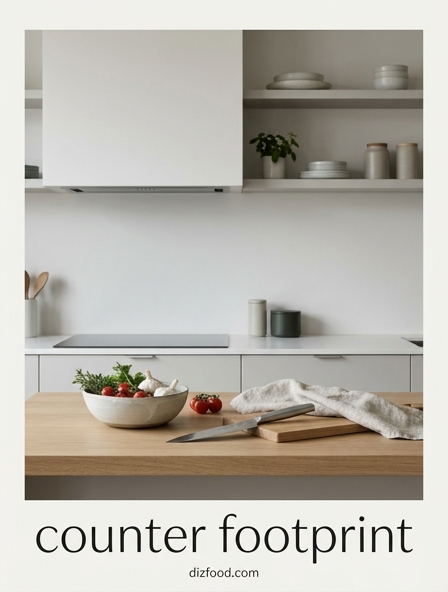
Maintaining a functional kitchen begins with a critical assessment of the items occupying your primary workspace. The counter footprint is often dominated by bulky appliances that are rarely used, leading to a cramped and inefficient cooking environment. To reclaim this valuable real estate, start by categorizing every item based on its frequency of use. Items that are not touched daily should be relocated to secondary storage areas, such as high cabinets or a pantry, ensuring the countertop remains reserved for essential preparation tasks.
- Assess usage frequency: Only keep daily-use items like coffee makers or toasters on the surface.
- Seasonal rotation: Store heavy mixers or slow cookers in lower cabinets during the off-season.
- The one-in, one-out rule: Before adding a new gadget, remove an existing one to prevent clutter creep.
- Visual clarity: Store cords neatly behind appliances to reduce perceived visual noise.
By strictly managing what earns a spot on the counter, you create a more streamlined workflow. This process not only improves the aesthetics of the kitchen but also reduces the time spent cleaning around obstacles, ultimately making the heart of the home more inviting and productive for daily meal preparation.
Leverage Vertical Wall Space
When horizontal counter space is at a premium, the most effective strategy is to look upward. Vertical wall space is an underutilized resource in most kitchens, offering ample opportunities to move items off the counter while keeping them within arm's reach. By installing floating shelves or pegboards, you can transform empty walls into highly functional storage zones. This approach is particularly effective for small kitchens where every square inch of the counter footprint is vital for food prep and assembly.
- Install floating shelves for frequently used spices and canisters.
- Use pegboards to customize the layout for pans, colanders, and measuring cups.
- Mount a paper towel holder under a shelf to free up corner space.
- Utilize high-mounted baskets for lightweight items like bread or fruit.
Embracing verticality shifts the storage burden away from the countertop, allowing for a cleaner and more organized appearance. This design choice also allows you to display decorative cookware or artisanal jars, blending utility with style. The key is to ensure that items are arranged logically, with the most frequently used tools positioned at eye level for maximum efficiency during busy cooking sessions.
Magnetic Tool and Knife Strips
Traditional knife blocks are notorious for consuming significant counter space and can often be difficult to clean, leading to hygiene concerns. Replacing these bulky blocks with magnetic tool and knife strips is a sophisticated way to minimize your kitchen's counter footprint. These strips are typically mounted directly onto the backsplash or wall, providing a secure and visible location for your cutlery. This not only clears the workspace but also protects the blades from dulling against other utensils in a drawer.
| Feature | Knife Block | Magnetic Strip |
|---|---|---|
| Space Usage | High (Countertop) | Zero (Wall-mounted) |
| Hygiene | Difficult to deep clean | Easy to wipe down |
| Accessibility | Limited by slots | High visibility and reach |
| Versatility | Knives only | Knives and metal tools |
Beyond knives, these magnetic strips can hold metal measuring spoons, whisks, and even spice tins with magnetic bottoms. This versatility makes them an essential component of a minimalist kitchen design. By moving these sharp and frequently used items to the wall, you create a safer environment and leave the countertop free for actual food preparation.
Under Cabinet Storage Hooks
The space directly beneath upper cabinets is often forgotten, yet it offers a prime opportunity to reduce the counter footprint. Under-cabinet storage hooks and rails allow you to suspend various items, keeping them off the work surface while maintaining immediate accessibility. This solution is ideal for items that traditionally clutter the area around the stove or sink, such as mugs, utensils, or even small herb pots. By utilizing this "dead space," you effectively double the functionality of your cabinet undersides.
- Stemware racks for wine glasses to prevent cabinet crowding.
- Swivel hooks for hanging ladles, spatulas, and tongs.
- Banana hangers to keep delicate fruit from being bruised on the counter.
- Under-shelf baskets for storing wraps, foil, or napkins.
Implementing these hanging solutions provides a cleaner look and makes cleaning the countertops much faster, as there are fewer items to lift or move. It also encourages a more organized workflow, as tools are suspended exactly where they are needed. When choosing hooks, ensure they are securely fastened to support the weight of your most-used culinary implements without damaging the cabinetry.
Streamlined Appliance Garage Solutions
An appliance garage is a dedicated cabinet space designed to house frequently used electronics behind a retractable or folding door. This architectural solution is one of the most effective ways to manage the counter footprint, as it hides the visual clutter of cords and machines while keeping them plugged in and ready for use. By integrating an appliance garage into your kitchen layout, you can enjoy a completely clear countertop without the hassle of moving heavy machinery in and out of deep pantry shelves every morning.
- Tambour doors: Slide upward to provide full access without taking up external space.
- Lift-up doors: Swing outward and up, ideal for wider appliance bays.
- Pocket doors: Slide back into the cabinet sides for a seamless look.
- Swing-out shelves: Specialized hardware that lifts heavy mixers to counter height.
These solutions are particularly beneficial for coffee stations, blenders, and toasters. By centralizing these items in a "garage," you define a specific zone for activity, which helps contain crumbs and spills. This strategic organization ensures that the primary work surfaces remain pristine for meal prep, significantly enhancing the overall ergonomics and aesthetic appeal of the kitchen environment.
Wall Mounted Hanging Racks
Wall-mounted hanging racks, often featuring a rail-and-hook system, are a hallmark of professional-grade kitchens adapted for home use. These systems are incredibly versatile and can be customized to fit any wall segment, effectively removing bulky pots, pans, and lids from the counter footprint. By using the backsplash or an empty side wall, you can create a modular storage area that evolves with your cooking needs. These racks keep your most essential tools within sight, eliminating the need to rummage through deep, disorganized drawers.
- Pot rails: Designed to hold heavy cast iron and copper cookware.
- Lid organizers: Slim racks that keep pot lids upright and accessible.
- S-hooks: Moveable hooks that allow for flexible spacing of different-sized tools.
- Integrated spice racks: Small shelves that clip onto the rail for flavor essentials.
This approach to storage not only saves counter space but also adds a professional, culinary aesthetic to the room. It encourages better organization, as every item has a specific hanging point. For those with limited cabinetry, hanging racks are a lifesaver, allowing the few available drawers to be used for non-hangable items while the main work surface remains completely unobstructed and ready for action.
Multi Functional Kitchen Gadgets
One of the most common causes of a bloated counter footprint is the accumulation of single-purpose gadgets. To combat this, homeowners should prioritize multi-functional appliances that consolidate several tasks into a single unit. By replacing multiple machines with one versatile tool, you drastically reduce the physical space required on your countertop. Modern technology has made it possible to combine heat, pressure, and mechanical processing in compact designs that perform the work of three or four traditional appliances.
| Multi-Tool | Replaces These Items |
|---|---|
| Air Fryer Toaster Oven | Toaster, Air Fryer, Convection Oven |
| Multi-Cooker | Pressure Cooker, Slow Cooker, Rice Cooker |
| High-Speed Blender | Food Processor, Juicer, Standard Blender |
| Immersion Blender | Hand Mixer, Small Food Chopper |
Choosing "all-in-one" devices is a strategic investment in kitchen efficiency. Not only do these gadgets save space, but they also simplify the cooking process by reducing the number of items that need to be cleaned and maintained. When selecting new equipment, always look for high-quality, versatile models that justify their presence on your countertop by serving multiple roles throughout the day.
Smart Drawer Organization Systems
The key to a clear countertop is often hidden just below the surface. Smart drawer organization systems allow you to transition items that usually live on the counter-like knife blocks, spice jars, and utensil crocks-into hidden, well-organized compartments. By utilizing tiered inserts and adjustable dividers, you can maximize the volume of your drawers, ensuring that every tool has a designated spot. This keeps the counter footprint minimal while ensuring that nothing is lost in a "junk drawer" environment.
- In-drawer knife docks: Safely store blades horizontally and out of sight.
- Tiered spice inserts: Lay jars flat so labels are visible at a glance.
- Deep drawer dividers: Keep pots and lids separated and easy to grab.
- Expandable cutlery trays: Custom-fit the drawer width to eliminate shifting.
Effective drawer management requires a commitment to putting items back in their specific places. When the internal storage is as efficient as the external workspace, the temptation to leave items on the counter diminishes. This holistic approach to organization ensures that your kitchen remains a high-performance environment where the focus is on the craft of cooking rather than the management of clutter.
Integrated Pull Out Trash Bins
A standalone trash can often competes for floor space or takes up a corner of the counter footprint when used for food scraps. Integrated pull-out trash bins move waste management inside the cabinetry, streamlining the kitchen's appearance and improving hygiene. These systems are typically installed in a base cabinet near the sink or prep area, allowing you to sweep debris directly from the counter into the bin without moving across the room. This seamless integration is a hallmark of modern, efficient kitchen design.
- Dual-bin systems: Separate trash and recycling in one hidden unit.
- Soft-close slides: Prevent slamming and ensure smooth operation.
- Odour-sealing lids: Keep the kitchen smelling fresh even with hidden waste.
- Foot-pedal kits: Allow for hands-free opening when your hands are full of prep.
By removing the waste bin from the open floor plan, you increase the maneuverability within the kitchen. It also prevents the "visual heaviness" of a large plastic or metal can sitting against a wall. This hidden solution contributes to a more cohesive cabinetry aesthetic while making the cleanup process significantly more ergonomic and efficient for the home cook.
Space Saving Workstation Sinks
The sink is the most used area in any kitchen, but it often represents a "hole" in the counter footprint where work cannot be performed. Space-saving workstation sinks solve this by featuring built-in ledges that support various accessories, effectively turning the sink into an extension of the countertop. This allows for washing, chopping, and draining to happen all in the same vertical space. By moving these tasks over the sink basin, you preserve the dry counter areas for other stages of meal preparation.
- Integrated cutting boards: Fit perfectly over the sink for mess-free chopping.
- Roll-up drying racks: Provide a surface for dishes then disappear when not in use.
- Colander inserts: Allow for rinsing produce directly above the drain.
- Bottom grids: Protect the sink surface while allowing water to flow freely.
Workstation sinks are a game-changer for small kitchens or for cooks who handle large volumes of produce. They minimize the spread of moisture and scraps across the main countertops, making post-cooking cleanup much faster. By transforming the sink into a multi-purpose preparation hub, you maximize the utility of every square inch of your kitchen's layout without sacrificing style or functionality.


Comments