
Switch to Natural Fiber Sponges
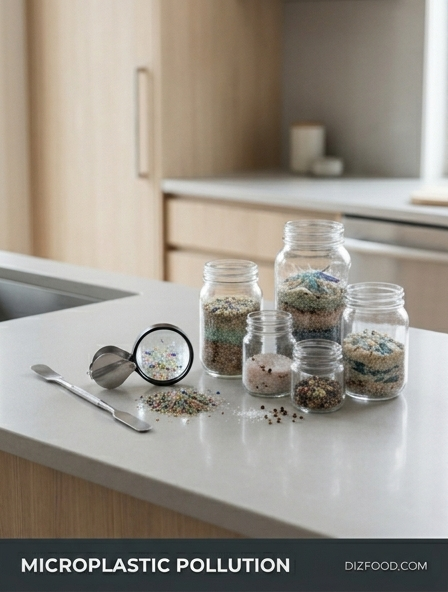
Conventional kitchen sponges are typically manufactured from synthetic polymers like polyurethane or polyester. As these sponges degrade through daily abrasive scrubbing, they shed thousands of microscopic plastic fragments that flow directly into the sewage system and eventually into aquatic ecosystems. Transitioning to natural fiber sponges significantly mitigates this localized pollution. Plant-based alternatives offer comparable scrubbing power without the environmental toll of synthetic shedding. These biodegradable options ensure that as the material wears down, the resulting debris is organic and compostable rather than a permanent pollutant. Furthermore, many synthetic sponges are treated with chemical antimicrobials that leach out over time; natural fibers avoid this chemical contamination.
- Luffa: Derived from dried gourds, providing excellent abrasive texture for tough stains.
- Coconut Coir: Made from the husks of coconuts, these are durable and naturally resistant to mold.
- Cellulose: Derived from wood pulp, these are highly absorbent and fully biodegradable.
- Hemp and Jute: Strong natural fibers that offer gentle scrubbing for delicate surfaces.
Choose Wood or Stone Cutting Boards
Recent scientific research indicates that using plastic cutting boards, often made of high-density polyethylene or polypropylene, can release upward of tens of millions of microplastic particles annually. Every knife stroke shears away tiny fragments of the plastic surface, which then adhere to vegetables, fruits, and proteins being prepared. By choosing wood or stone surfaces, homeowners eliminate a primary source of direct microplastic ingestion. Hardwood boards like maple, walnut, or cherry possess natural antimicrobial properties that inhibit bacterial growth within the grain. Stone, marble, or tempered glass provide non-porous, inert surfaces that do not shed polymers into food, ensuring a cleaner preparation environment for every meal.
| Material | Microplastic Risk | Durability |
|---|---|---|
| Plastic (PE/PP) | High shedding via knife cuts | Low (scars easily) |
| Hardwood | Zero (organic fibers) | High (self-healing) |
| Stone/Marble | Zero (mineral-based) | Very High (permanent) |
Install an Effective Water Filtration System
Microplastics are pervasive in both municipal tap water and commercial bottled water, entering the supply through industrial runoff, atmospheric fallout, and the degradation of larger plastic waste. Installing a high-quality filtration system is a critical defensive measure in the modern kitchen. Advanced systems, particularly those utilizing reverse osmosis or multistage activated carbon blocks, are capable of capturing particles as small as 0.5 microns. This prevents the cumulative ingestion of plastic fibers that have entered the global water cycle. Beyond health benefits, filtered water reduces the need for single-use plastic bottles, addressing the problem of microplastic pollution at both the consumption and waste-generation stages of the kitchen cycle.
- Identify local water contaminants to choose the correct filter micron rating.
- Select a Point-of-Use (POU) system such as an under-sink reverse osmosis unit.
- Ensure the filter is certified by organizations like the NSF for particulate reduction.
- Maintain a strict replacement schedule for filter cartridges to prevent breakthrough.
Replace Plastic Storage with Glass
Plastic food containers are highly susceptible to structural degradation, especially when exposed to microwave heat, acidic foods, or dishwasher cycles. Over time, these containers develop microscopic scratches and a "cloudy" appearance, which are physical indicators of polymer breakdown and the subsequent release of microplastics into stored leftovers. Replacing these items with glass or stainless steel alternatives provides a safer, non-reactive environment for food preservation. Borosilicate glass is particularly effective as it withstands extreme temperature shifts, allowing for a seamless transition from freezer to oven without the risk of chemical migration. These materials are also non-porous, meaning they do not retain odors or stains, ensuring a more hygienic kitchen environment over the long term.
- Glass: Chemically inert, transparent, and infinitely recyclable without loss of quality.
- Stainless Steel: Lightweight, unbreakable, and ideal for dry goods or lunchboxes.
- Silicone: A more stable alternative to traditional plastics for flexible storage needs.
- Ceramic: Excellent for pantry storage and aesthetic countertop organization.
Use Organic Cotton Cleaning Cloths
Standard microfiber cleaning cloths are essentially woven plastic, composed of a blend of polyester and polyamide. While they are marketed for their ability to trap dirt, they shed millions of microfibers during every wash cycle and every wipe across a kitchen counter. These fibers are so small they bypass most water treatment facilities. Organic cotton, linen, or bamboo cloths serve as the ideal sustainable alternative, providing high absorbency and durability without the synthetic fallout. Because organic cotton is grown without synthetic pesticides and processed without harsh plastics, the fibers that eventually wear away are fully biodegradable and pose no threat to marine life or soil health when they eventually enter the waste stream.
| Feature | Microfiber Cloth | Organic Cotton |
|---|---|---|
| Material Source | Petroleum-based | Plant-based |
| Washing Impact | High fiber shedding | Biodegradable shedding |
| End of Life | Landfill (non-degradable) | Compostable |
Avoid Plastic in Tea Bags
Many premium "silky" tea bags are actually manufactured from nylon or polyethylene terephthalate (PET). Research has demonstrated that when steeped in boiling water, a single plastic tea bag can release approximately 11.6 billion microplastics and 3.1 billion nanoplastics into a single cup. This represents one of the highest concentrated sources of microplastic ingestion in the kitchen environment. Switching to loose leaf tea or unbleached compostable paper bags completely eliminates this exposure. Utilizing stainless steel or glass infusers allows for a superior brewing experience, as the tea leaves have more room to expand, while ensuring that no synthetic polymers are leached into the beverage through thermal degradation or physical breakdown of the bag material.
- Switch to loose-leaf tea varieties to avoid all bag-related pollutants.
- Use a stainless steel mesh infuser or a glass teapot with a built-in strainer.
- Check labels for "plastic-free" certifications on paper tea bags.
- Avoid "pyramid" style bags unless they are specifically labeled as cornstarch-based (PLA).
Wash Synthetic Rags with Laundry Bags
If you currently own synthetic kitchen rags or microfiber towels and wish to avoid sending them to the landfill prematurely, washing them in specialized laundry bags is an essential mitigation strategy. These bags are engineered with a micro-filter mesh that captures synthetic fibers released during the mechanical agitation of the washing machine. By containing these fibers within the bag, they are prevented from exiting the machine and entering the wastewater stream. This simple habit addresses the "hidden" microplastic path that leads from the kitchen sink to the ocean. Once the wash cycle is complete, the captured fibers can be wiped out of the bag and disposed of in the trash, significantly reducing the volume of plastic entering aquatic ecosystems.
- Filter Mesh: Typically uses a 50-micron mesh to trap the smallest fibers.
- Protection: Also protects the fabrics themselves, reducing the rate of wear and tear.
- Disposal: Ensure collected fibers are placed in a sealed bin to prevent them from becoming airborne.
- Cold Water: Washing on lower temperatures further reduces the rate of fiber shedding.
Select Eco Friendly Surface Cleaners
Many commercial kitchen cleaners contain "scrubbing beads," stabilizing polymers, or synthetic fragrances that contribute to the microplastic load within the home. Furthermore, the abrasion of plastic spray bottles and the degradation of plastic-based surfactants can introduce liquid polymers into the kitchen environment. Selecting eco-friendly, concentrated cleaners or making DIY solutions using vinegar, citric acid, and baking soda reduces the introduction of these pollutants. High-quality eco-cleaners avoid synthetic thickeners and plastic-based stabilizers, ensuring that the residue left on counters-and eventually washed down the drain-is free from persistent synthetic pollutants. Using glass spray bottles for these solutions further minimizes the plastic footprint of your cleaning routine.
| Ingredient Type | Conventional (Avoid) | Eco-Friendly (Choose) |
|---|---|---|
| Abrasives | Plastic microbeads | Baking soda / Salt |
| Surfactants | Synthetic polymers | Castile soap / Alkyl polyglucosides |
| Packaging | Single-use plastic | Glass or concentrated refills |
Minimize Use of Plastic Cling Wrap
Plastic cling wrap is a thin-film pollutant typically made from low-density polyethylene (LDPE) or polyvinyl chloride (PVC). It is notoriously difficult to recycle and is prone to shedding microscopic fragments when stretched, pulled, or heated against food surfaces. Reducing reliance on these films significantly lowers the volume of single-use plastic in the kitchen. Alternatives such as beeswax wraps, which utilize cotton coated in natural wax and resin, provide a breathable yet protective seal for vegetables and bread. For liquid-heavy items or leftovers, silicone stretch lids or simply placing a ceramic plate over a bowl provides an effective, plastic-free barrier. These methods prevent chemical leaching and physical microplastic contamination while reducing overall household waste.
- Use beeswax wraps for dry or cold food items like cheese and produce.
- Invest in a set of silicone stretch lids that fit various bowl sizes.
- Opt for glass containers with airtight locking lids for long-term storage.
- Utilize traditional methods like inverted plates or damp cloth covers for short-term needs.
Maintain Dust Free Kitchen Floors
Kitchen floors are major collection points for household dust, which scientific studies show is comprised of up to 30% microplastics sourced from synthetic textiles, appliance coatings, and deteriorating plastic items. As people walk through the kitchen, this dust is kicked up into the air and can be inhaled or settle directly onto food preparation surfaces. Maintaining a dust-free floor through regular maintenance is vital for reducing indoor microplastic exposure. Using a vacuum cleaner equipped with a HEPA filter ensures that microscopic plastic particles are trapped within the machine rather than being recirculated into the air. Following a vacuum session with a damp mop using natural fiber cloth effectively removes any remaining settled plastic debris from the floor surface.
- HEPA Vacuuming: Captures 99.97% of particles, including microplastic dust.
- Damp Mopping: Prevents particles from becoming airborne during the cleaning process.
- Natural Mop Heads: Use cotton or cellulose mops to avoid adding more microfibers to the floor.
- Entrance Mats: Utilize natural fiber mats to catch outdoor plastic debris before it enters the kitchen.


Comments