
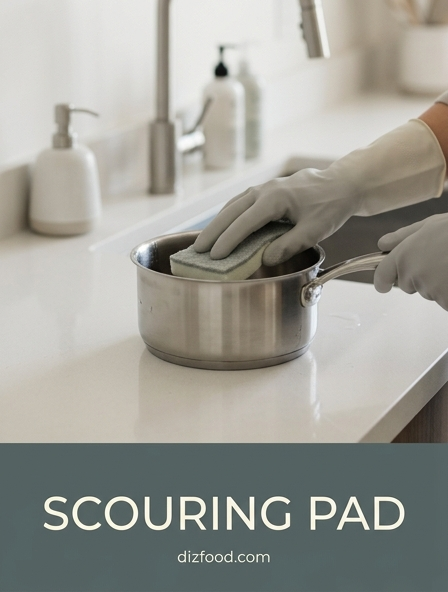
Essential Multi-Surface Cleaning Strategies
Maintaining a professional kitchen environment requires a nuanced understanding of abrasive levels in scouring pads. Multi-surface strategies involve selecting the correct pad density to balance agitation with surface integrity. For general use, synthetic fiber pads offer a versatile solution for removing daily grime from ceramic basins, glass storage containers, and plastic prep bins. The goal is to apply consistent pressure without inducing micro-scratches that can harbor bacteria over time.
- Soft White Pads: Ideal for delicate porcelain and glassware.
- General Purpose Green Pads: Suitable for standard metal cookware and heat-resistant surfaces.
- Heavy Duty Brown Pads: Reserved for thick carbon deposits on cast iron.
Staff should always perform a spot test on an inconspicuous area when introducing a new scouring tool. Effective multi-surface cleaning also depends on the moisture level of the pad; a damp pad provides better friction for surface stains, while a fully saturated pad is more effective at rinsing away loosened particles. Proper rinsing after each use prevents the accumulation of organic matter within the fibers, extending the tool's lifespan and effectiveness across various kitchen stations.
Stainless Steel Preservation Techniques
Stainless steel is a staple in modern kitchens due to its durability, yet it requires specific scouring techniques to preserve its passive oxide layer. To prevent unsightly marring, the scouring motion must always follow the direction of the metal's grain. Utilizing non-scratch scouring pads made from non-woven synthetic fibers ensures that burnt-on proteins are lifted without compromising the reflective finish of sinks, backsplashes, and appliance exteriors.
- Identify the grain direction by observing the linear texture of the metal.
- Apply a specialized stainless steel cleaner or mild detergent to a dampened non-scratch pad.
- Scrub gently in long, straight strokes parallel to the grain.
- Rinse with clean water and dry immediately with a microfiber cloth to prevent water spots.
Avoid using steel wool on stainless steel surfaces, as microscopic carbon steel fragments can become embedded in the surface, leading to "false rust" or localized corrosion. If heavy carbonization occurs on the bottom of stainless steel pans, a more aggressive copper-coated scouring pad may be used with caution, provided the contact is limited to the non-visible undersides where aesthetic preservation is less critical than thermal conductivity.
Industrial Grade Degreasing Protocols
In high-volume commercial kitchens, the accumulation of polymerized grease on vent hoods and stovetops necessitates industrial-grade degreasing protocols. This process relies heavily on high-abrasion scouring pads that can cut through layers of tacky oil and carbonized soot. These protocols often involve a chemical pre-treatment to soften the grease before manual agitation begins. The scouring pad serves as the primary mechanical force to break the chemical bonds of the residue.
| Target Area | Pad Type | Chemical Agent |
|---|---|---|
| Vent Hood Filters | Stainless Steel Mesh | High-Alkaline Degreaser |
| Griddle Sides | Heavy Duty Scouring Screen | Heat-Activated Griddle Liquid |
| Deep Fryer Exterior | Nylon Abrasive Pad | Solvent-Based Degreaser |
Personnel must ensure that pads are changed frequently during industrial degreasing. Once a scouring pad becomes saturated with liquefied grease, its abrasive efficacy drops significantly, leading to "grease smearing" rather than removal. Using a fresh pad for the final pass ensures that all remaining film is stripped away, leaving a clean substrate ready for sanitization.
Sanitizing High-Touch Preparation Zones
High-touch zones such as refrigerator handles, prep table edges, and faucet levers are primary vectors for cross-contamination. Effective sanitization in these areas begins with mechanical cleaning using a scouring pad to remove biofilms. Biofilms are protective layers created by bacteria that can shield them from chemical sanitizers. A light scouring action breaks these layers, allowing the subsequent sanitizing solution to penetrate and kill pathogens effectively.
- Focus on seams and crevices where organic matter accumulates.
- Use color-coded pads to prevent moving bacteria from raw meat zones to vegetable zones.
- Apply moderate pressure on textured plastic handles to reach deep into the molding.
The frequency of this process should be dictated by the kitchen's traffic volume, but generally, a thorough scouring should occur at every shift change. By integrating the scouring pad into the sanitization workflow, staff ensure that surfaces are not just chemically treated but physically cleared of the biological debris that supports microbial growth. This dual-action approach is the standard for maintaining food safety in professional environments.
Commercial Countertop Care Methods
Commercial countertops, ranging from granite and quartz to high-pressure laminates, require specific maintenance to ensure longevity and hygiene. Scouring pads play a vital role in removing dried sauces and flour buildup, but the choice of pad is critical. For natural stone surfaces, use only "soft-scrub" approved pads to avoid etching the sealant. For stainless steel or poly-topped prep tables, more aggressive scrubbing is permissible to ensure a perfectly smooth working surface for food preparation.
- Granite: Use white, non-abrasive pads with pH-neutral cleaners.
- Laminate: Use blue non-scratch pads to avoid dulling the decorative top layer.
- Polyethylene (Cutting Boards): Use green heavy-duty pads to scrub into knife grooves.
When cleaning large countertop expanses, a circular scrubbing motion is most effective for covering the maximum surface area while ensuring even pressure. It is important to avoid concentrated scrubbing in one spot for too long, as this can create a "bright spot" or a dip in the finish. Regular maintenance with the appropriate scouring tool prevents the need for harsh chemical stripping or professional resurfacing, saving the establishment significant operational costs over time.
Deep Clean Flooring Solutions
Kitchen floors are subject to constant spills, grease mist, and heavy foot traffic, leading to buildup in grout lines and slip-resistant textures. Deep cleaning these surfaces requires heavy-duty scouring pads, often attached to floor machines or handheld blocks for detail work. The abrasive nature of the pad is necessary to lift dirt trapped in the microscopic pores of the tile. This is especially important in "wet zones" where slippery buildup poses a significant safety risk to kitchen staff.
- Sweep the floor to remove loose debris that could clog the scouring pad.
- Apply a high-strength floor stripper or degreaser and allow it to dwell for ten minutes.
- Agitate the surface using a black or brown heavy-duty scouring pad.
- Use a specialized narrow scouring brush for deep grout lines.
- Mop or vacuum the slurry and rinse with clear water.
Regular deep scouring of the flooring ensures that the slip-resistance rating of the tile remains functional. Over time, grease can fill the "peaks and valleys" of safety flooring, rendering it smooth and dangerous. Mechanical agitation with a scouring pad is the only reliable way to clear these valleys and restore the floor's original grip and appearance.
Microbial Control for Kitchen Equipment
Kitchen equipment like meat slicers, mixers, and blenders contains complex geometries that harbor bacteria. Microbial control in these areas involves using scouring pads to reach into tight spaces and remove food particles before they rot. The pad itself must be managed carefully to ensure it does not become a breeding ground for germs. In a professional setting, scouring pads used on food-contact equipment should be sanitized daily or disposed of if they show signs of fraying or excessive soil load.
- Sterilize pads in a high-temperature dishwasher or a 100ppm bleach solution.
- Assign specific pad colors to equipment types (e.g., red for meat slicers).
- Replace pads immediately if they begin to shed fibers, as these can become physical contaminants in food.
The texture of the scouring pad is particularly useful for cleaning the knurled knobs and serrated edges common in industrial equipment. By physically dislodging bio-burden, the pad ensures that the subsequent application of sanitizer is 100% effective. Without this mechanical step, sanitizers may only kill the top layer of bacteria, leaving the underlying colonies to thrive and contaminate the next batch of food processed by the machine.
Eco-Friendly Maintenance Agents
As sustainability becomes a priority, many kitchens are transitioning to eco-friendly scouring pads and maintenance agents. These products replace petroleum-based plastics with natural fibers such as coconut husk, walnut shells, or agave fibers. These natural abrasives are surprisingly effective at tackling tough kitchen tasks while being biodegradable. When paired with green cleaning agents like citric acid or baking soda, they provide a powerful cleaning solution that minimizes the chemical footprint of the kitchen.
| Natural Material | Best Use Case | Benefit |
|---|---|---|
| Coconut Coir | Cast Iron & Root Veggies | Oil Resistant, Durable |
| Walnut Shell | Non-Stick Cookware | Non-Scratch, Effective | Spill Absorption | Highly Absorbent, Compostable |
The transition to eco-friendly scouring tools also reduces the release of microplastics into the wastewater system. Traditional synthetic pads shed tiny plastic fibers during use, which eventually enter the water cycle. By using plant-based alternatives, kitchen managers can maintain high standards of cleanliness while supporting environmental initiatives. These pads perform similarly to their synthetic counterparts but offer the added benefit of being compostable at the end of their service life.
Restorative Polishing and Surface Protection
Restorative cleaning goes beyond daily hygiene to return kitchen surfaces to their original luster. For copper cookware, brass fittings, or dull stainless steel, very fine-grade scouring pads can be used as a polishing medium. When used with a polishing paste, the pad helps to remove oxidation and fine scratches, creating a smooth surface that resists future staining. This level of maintenance is essential for open-concept kitchens where equipment is visible to the public and must remain aesthetically pleasing.
- Clean the surface thoroughly to remove all grease and food residue.
- Apply a small amount of polishing compound to a fine-grade (light gray or white) scouring pad.
- Work in small circular motions, applying consistent light pressure.
- Buff the surface with a clean, dry cloth to reveal the shine.
Once restored, surfaces are often treated with a food-safe mineral oil or protective spray. This coating fills the micro-pores smoothed by the scouring pad, creating a barrier against moisture and acids. This proactive protection makes daily cleaning easier, as food is less likely to bond to a polished, protected surface, thereby reducing the amount of aggressive scouring required in the future.
Regulatory Compliance Sanitization Standards
Health departments and regulatory bodies like the NSF have strict standards regarding the use and storage of cleaning tools. Scouring pads are scrutinized during inspections to ensure they are not harboring pathogens or contributing to physical contamination. Compliance involves maintaining a clear system for pad replacement and ensuring that pads are stored in a manner that allows them to air dry completely between uses. Damp pads left in the bottom of a sink are a major violation and a significant health risk.
- Store pads in a designated, ventilated rack away from food prep surfaces.
- Maintain a log of deep-cleaning schedules where scouring is required.
- Ensure all pads are "food grade" and free from prohibited dyes or chemicals.
Furthermore, regulatory standards often require that scouring pads used for "clean-in-place" (CIP) procedures for large equipment meet specific durability requirements to prevent fiber shedding. Inspectors may check the condition of pads to ensure they are not "spent," as degraded pads lose their cleaning ability and become a source of debris. Following these standards not only ensures a passing grade during inspections but also guarantees a safer dining experience for the customers by upholding the highest levels of kitchen sanitation.

Comments