
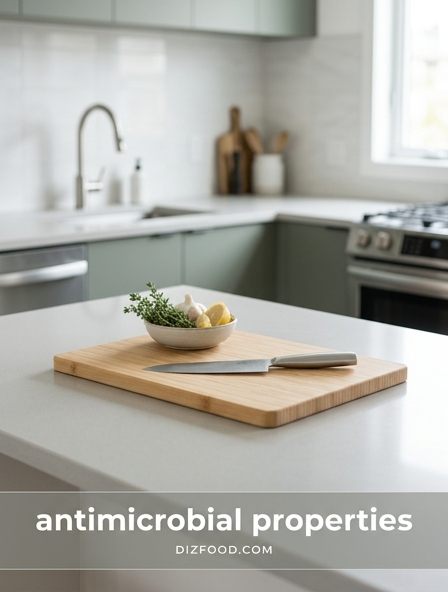
Understanding Natural Antimicrobial Properties in Kitchenware
Natural antimicrobial properties in kitchenware refer to the inherent ability of certain materials to inhibit the growth of or destroy harmful microorganisms, such as bacteria, fungi, and viruses. Unlike synthetic coatings that may wear off over time, these materials possess intrinsic biological or chemical characteristics that provide a continuous defense against pathogens. In a culinary environment, where cross-contamination is a significant risk, leveraging these natural defenses is crucial for maintaining food safety and hygiene.
The efficacy of these materials often depends on their physical structure or chemical composition. For instance, some materials use desiccation to starve bacteria of moisture, while others release ions that disrupt cellular membranes. Understanding these mechanisms allows homeowners and professional chefs to make informed decisions about their tools.
- Bio-active agents: Natural compounds found in plants like bamboo that repel pests and microbes.
- Oligodynamic effect: The toxic effect of metal ions on living cells, common in copper and silver.
- Capillary action: The physical process by which porous materials like wood trap and neutralize bacteria.
- Surface pH: Specific acidity levels that prevent microbial colonization.
Why Wooden Cutting Boards Outperform Plastic for Hygiene
For decades, plastic cutting boards were marketed as the more hygienic choice because their non-porous surfaces were thought to be easier to sanitize. However, scientific research has revealed that wood often outperforms plastic in long-term food safety. When plastic boards develop deep scratches from knife use, those grooves become breeding grounds for bacteria that are nearly impossible to reach with standard cleaning. In contrast, wood possesses a unique cellular structure that actively works against microbial survival.
Wood utilizes capillary action to draw bacteria down into the grain. Once trapped inside the wood's internal fibers, the bacteria are deprived of moisture and oxygen, leading to their eventual death. This natural filtration system makes wood remarkably resilient against common foodborne pathogens.
| Feature | Wooden Boards | Plastic Boards |
|---|---|---|
| Surface Scratches | Self-healing or deep-trapping | Permanent bacteria traps |
| Microbial Action | Natural desiccation | No inherent action |
| Longevity | High (can be sanded) | Low (must be discarded) |
The Science of Self Sanitizing Copper Kitchen Tools
Copper is one of the most powerful antimicrobial materials available in the kitchen, thanks to the oligodynamic effect. This phenomenon occurs when copper ions come into contact with a microorganism. The ions penetrate the cell wall, causing essential nutrients to leak out and disrupting the cell's metabolic processes. This leads to the rapid death of the pathogen, often within minutes or a few hours. This makes copper-based tools, including bowls, hardware, and even countertops, exceptionally effective at reducing the spread of germs.
- Ion Release: Copper atoms lose electrons and become reactive ions when exposed to moisture.
- Membrane Disruption: These ions attach to the bacterial cell membrane, causing oxidative stress.
- DNA Destruction: The ions penetrate the interior, destroying the genetic material of the microbe to prevent mutation or reproduction.
- Total Neutralization: The cell loses its structural integrity and dies completely.
Because of this continuous self-sanitizing cycle, copper surfaces can maintain a much lower microbial load than stainless steel or ceramic, even between regular cleanings.
How Bamboo Naturally Inhibits Bacterial Proliferation
Bamboo is frequently categorized with wood, but as a grass, it possesses distinct antimicrobial characteristics. One of the primary reasons bamboo is so resistant to decay and microbial growth is a natural bio-agent known as "Bamboo Kun." This substance is found within the bamboo fiber and acts as a natural pest and bacteria repellent, allowing the plant to thrive in the wild without the need for pesticides. When harvested and processed into kitchenware, these properties remain largely intact.
Furthermore, bamboo is significantly harder and less porous than many hardwoods. This density prevents moisture from soaking into the core of the tool, which is a critical factor in preventing the growth of mold and mildew. Its rapid drying time further enhances its hygienic profile.
- High Density: Resists knife scarring and water absorption.
- Bamboo Kun: Inherent antimicrobial agent that protects the fibers.
- Eco-friendly Processing: Requires fewer chemical sealants than synthetic alternatives.
- Thermal Stability: Remains stable under various kitchen temperatures, preventing cracks where bacteria hide.
The Role of Cast Iron in Maintaining a Clean Kitchen
Cast iron is often praised for its heat retention and durability, but its contribution to kitchen hygiene is frequently overlooked. While the metal itself is not "antibacterial" in the same chemical sense as copper, the way cast iron is used and maintained creates a hostile environment for bacteria. The high temperatures required for effective cast iron cooking-often exceeding 400 degrees Fahrenheit-are more than sufficient to sterilize the cooking surface before and during food preparation.
- Polymerized Seasoning: The layer of baked-on oil creates a hydrophobic barrier that prevents food and moisture from seeping into the iron.
- High Heat Sterilization: Rapid heating kills any residual surface pathogens.
- Iron Release: Small amounts of dietary iron are released, which is beneficial for health rather than harmful like plastic chemical leaching.
- Dry Environment: Proper maintenance requires thorough drying, which eliminates the moisture necessary for bacterial life.
When properly seasoned, the surface of cast iron becomes nearly non-stick and extremely easy to clean without the need for harsh chemicals that might compromise food quality.
Mechanisms of Action for Naturally Antibacterial Surfaces
Understanding how different surfaces fight bacteria involves looking at the microscopic interactions between the material and the microbe. Naturally antibacterial surfaces do not rely on toxic additives; instead, they utilize mechanical or chemical pathways to ensure hygiene. These mechanisms ensure that the kitchen remains a safer place for food preparation by providing a passive layer of protection that works 24/7.
- Physical Desiccation: Porous organic materials like wood pull moisture away from bacteria, causing them to dry out and die.
- Oxidative Stress: Metals like copper and brass create reactive oxygen species that damage bacterial proteins and lipids.
- Surface Tension: Certain polished or naturally dense materials prevent the formation of biofilms, making it harder for bacteria to adhere.
- Enzymatic Interference: Naturally occurring compounds in materials like bamboo interfere with the enzymes bacteria need to process energy.
These diverse mechanisms show that nature has provided multiple solutions for managing microbial loads. By integrating a variety of these materials into kitchen design, one can create a multi-faceted defense system against foodborne illnesses.
Reducing Foodborne Pathogens with Organic Materials
The use of organic materials such as wood, bamboo, and beeswax wraps is a strategic way to reduce the prevalence of pathogens like Salmonella, E. coli, and Listeria. Organic materials often possess complex chemical profiles that are naturally evolved to resist decay. In the kitchen, this translates to surfaces that are less likely to harbor dangerous colonies even after contact with raw meats or unwashed produce. This is particularly important in busy kitchens where cross-contamination risks are high.
| Pathogen | Organic Material Response | Effectiveness |
|---|---|---|
| Salmonella | Trapped in wood grain and desiccated | High reduction within 2 hours |
| E. coli | Neutralized by copper ion contact | 99.9% elimination |
| Listeria | Inhibited by bamboo kun bio-agents | Moderate to High inhibition |
By choosing organic tools, users can rely on these natural barriers to supplement their standard cleaning routines, providing an extra layer of safety during food prep.
Comparing Synthetic and Natural Kitchen Tool Surfaces
The debate between synthetic and natural surfaces often centers on convenience versus long-term health. Synthetic materials like silicone, plastic, and Teflon are valued for their low cost and dishwasher-safe nature. However, they lack the inherent ability to fight bacteria. Once the surface of a synthetic tool is compromised by heat or sharp edges, its hygienic value drops significantly. Natural materials, while requiring more specific care, offer active protection that synthetic materials cannot match.
- Synthetic: Generally inert; relies entirely on external sanitizers; prone to micro-plastic shedding.
- Natural Wood: Active antimicrobial properties; self-healing; biodegradable.
- Natural Metal: Active ion-based sanitization; extremely durable; recyclable.
- Bamboo: Resists moisture better than most synthetics; naturally antibacterial; sustainable.
While synthetics are easy to clean in the short term, they eventually become "dead" surfaces that harbor invisible risks. Natural materials provide a "living" defense that adapts to the kitchen environment and maintains its efficacy for years when treated correctly.
Maintenance Tips for Preserving Natural Antimicrobial Efficacy
To ensure that natural materials keep their antimicrobial properties, proper maintenance is essential. Unlike plastic, which is simply discarded when worn, natural materials can be rejuvenated to maintain their protective qualities. Improper care, such as leaving wood to soak or using harsh degreasers on copper, can strip away the very elements that provide hygiene. Following a specific maintenance protocol ensures these tools remain safe for a lifetime.
- Seasoning Wood and Bamboo: Regularly apply food-grade mineral oil to keep fibers hydrated and prevent cracking.
- Avoiding the Dishwasher: High heat and harsh detergents can strip natural oils and cause warping or oxidation.
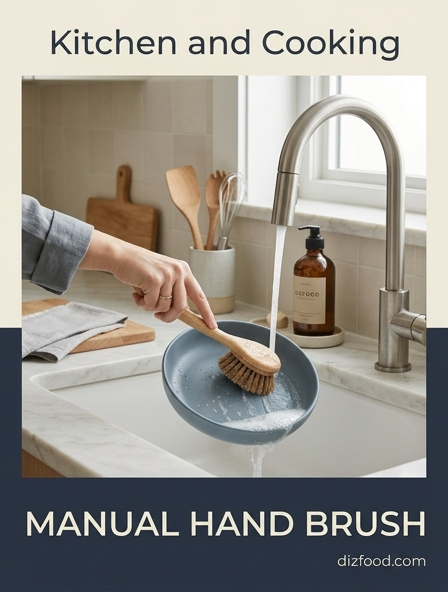
- Hand Washing: Use mild soap and warm water, followed by immediate air-drying to prevent moisture buildup.
- Copper Care: Avoid over-polishing if you want to maintain the patina, which still holds antimicrobial properties, but ensure no toxic verdigris (green film) forms.
- Cast Iron Drying: Always dry on a warm stove to ensure every molecule of water evaporates.
The Future of Sustainable and Hygienic Kitchen Design
The future of kitchen design is moving toward a synthesis of ancient wisdom and modern technology. As we become more aware of the limitations of synthetic chemicals and the dangers of antibiotic resistance, there is a renewed interest in "biophilic" kitchen environments. This involves the widespread integration of natural antimicrobial materials into the very architecture of the kitchen, rather than just the handheld tools. We are seeing a rise in solid wood workstations, copper sinks, and stone surfaces that prioritize health without sacrificing aesthetics.
- Copper Infusions: Integrating copper into high-touch areas like cabinet pulls and faucet handles.
- End-Grain Wood Counters: Utilizing large-scale wooden surfaces for their natural bacteria-killing properties.
- Sustainable Sourcing: Using bamboo and recycled cast iron to reduce the carbon footprint of kitchen manufacturing.
- Bio-based Sealants: Developing natural oils and waxes that enhance the inherent defenses of organic materials.
By moving away from "sterile" plastics and toward "active" natural materials, the kitchens of the future will be more sustainable, more durable, and significantly more hygienic for everyone.

Comments