
Keeping your morning tea ritual perfect starts with a spotless kettle, which is why choosing a professional descaling solution is a game-changer for busy households. Unlike DIY alternatives, specialized descalers are engineered to dissolve stubborn mineral buildup in minutes, eliminating the need for tedious scrubbing or multiple rinse cycles. These high-efficiency formulas protect your appliance's heating element while ensuring your water remains free from lingering odors or off-tastes. By opting for a dedicated product, you achieve a factory-fresh finish and extend your kettle's lifespan with minimal effort. To decide which cleaning route is right for you, compare the performance of a tea kettle descaler vs vinegar soak to see which method delivers the best results.
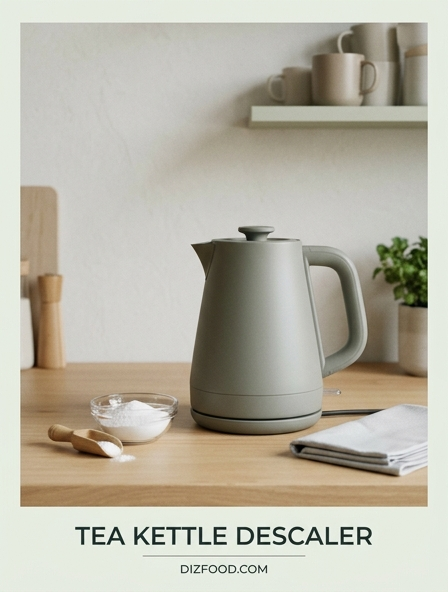
The limits of vinegar and baking soda
While vinegar and baking soda are staples in the natural cleaning world, they often fall short when addressing the stubborn calcium carbonate deposits found in tea kettles. Vinegar, primarily composed of acetic acid, is a weak acid that requires significant time and high concentrations to dissolve thick limescale. The most significant drawback of using vinegar is the lingering, pungent odor that can permeate the kettle's plastic components and seals, often requiring multiple boil cycles to fully eliminate. This process can be incredibly time-consuming and may still leave behind a microscopic film of mineral residue.
Baking soda, on the other hand, is an alkaline substance. While it is excellent for deodorizing and mild scrubbing, it lacks the chemical properties necessary to break the strong ionic bonds of mineral scale. Attempting to use a combination of the two results in a neutral reaction that produces carbon dioxide and water, effectively canceling out the cleaning power of both ingredients. For modern households with high-performance appliances, these traditional pantry methods often result in wasted effort and incomplete results, leaving the appliance vulnerable to recurring buildup.
Faster mineral breakdown for busy kitchens
In a fast-paced kitchen environment, efficiency is paramount. Specialized tea kettle descalers are engineered to provide a rapid chemical reaction that dissolves mineral deposits in a fraction of the time required by traditional methods. These professional-grade solutions utilize concentrated organic acids, such as citric or sulfamic acid, which are specifically calibrated to target calcium and magnesium without damaging the integrity of the vessel. Where vinegar might require an overnight soak, a dedicated descaler can often achieve superior results in under fifteen minutes.
This speed is particularly beneficial for high-traffic kitchens or office breakrooms where the kettle is in constant use. By reducing the downtime associated with maintenance, users can ensure their appliances remain in peak condition without disrupting daily routines. Furthermore, many modern descaling agents are formulated to work effectively at lower temperatures, meaning you do not always need to reach a full boil to initiate the cleaning process. This efficiency not only saves time but also reduces the energy consumption associated with repetitive boiling cycles typically used during DIY cleaning attempts.
Protecting internal heating elements from corrosion
The heating element is the heart of any electric kettle, and its protection is vital for the longevity of the appliance. Limescale acts as an insulating layer, forcing the element to work harder and run hotter to transfer heat to the water. This added thermal stress can eventually lead to burnout. However, cleaning the element incorrectly can be just as damaging. Using harsh industrial chemicals or highly concentrated unbuffered acids can lead to pitting and corrosion on the metal surface, which permanently compromises the heating component.
Professional descaling solutions are formulated with corrosion inhibitors that create a temporary protective barrier on the metal while the acid works to dissolve the scale. This ensures that only the mineral buildup is targeted, leaving the stainless steel or copper elements untouched. By maintaining a smooth, clean surface on the heating element, you prevent the formation of "hot spots" that can cause the metal to warp or crack over time. Consistent use of a balanced descaler ensures that the internal mechanics of the kettle remain as robust as the day the unit was purchased, preventing premature mechanical failure.
Eliminating limescale taste in every cup
For tea enthusiasts, the purity of water is just as important as the quality of the tea leaves. Limescale is composed of concentrated minerals that leach back into the water during the boiling process, resulting in a distinctively "chalky" or "metallic" aftertaste. This altered chemistry interferes with the delicate flavor profiles of green teas, oolongs, and specialty coffees, often making them taste flat or unpleasantly bitter. Furthermore, suspended mineral particles can create an unappealing oily film or "scum" on the surface of the liquid.
A thorough descaling regimen restores the neutral pH and mineral balance of the water by completely removing these contaminants from the interior of the kettle. Unlike vinegar, which can leave a sour residue that masks the natural sweetness of the tea, modern descalers are designed to be completely free of odors and flavors once rinsed. The result is a crisp, clean base that allows the true aromatics and nuances of your beverage to shine. Ensuring your kettle is free of buildup is the simplest way to upgrade your daily brewing experience and guarantee a consistently high-quality cup.
Scientific formulas versus home remedies
Understanding the chemistry behind descaling reveals why scientific formulas consistently outperform home remedies. While household items are convenient, they are not optimized for the specific mineralogy of hard water. Commercial descalers leverage a synergistic blend of surfactants and chelating agents that wrap around mineral molecules, pulling them away from the surface and holding them in suspension so they can be easily rinsed away. This prevents the redeposition of minerals during the cleaning cycle.
| Feature | Home Remedies (Vinegar) | Scientific Descalers |
|---|---|---|
| Active Ingredient | Acetic Acid (Weak) | Citric/Sulfamic Acid (Optimized) |
| Action Time | 4-12 Hours | 10-20 Minutes |
| Rinsing Difficulty | High (Residual Odor) | Low (Odorless) |
| Material Safety | May degrade seals | Safe for gaskets/elements |
By using a product designed for the task, you eliminate the guesswork associated with concentrations and soak times. These formulas are tested to ensure they provide maximum efficacy while remaining food-safe and biodegradable, offering a level of precision that a bottle of pantry vinegar simply cannot match.
Extending the lifespan of high end kettles
Investing in a high-end electric kettle, such as those with precision temperature controls or designer aesthetics, requires a commitment to proper maintenance. Premium appliances often feature sensitive thermistors and intricate internal sensors that can be easily confused by mineral interference. When scale builds up on these sensors, the kettle may shut off prematurely or fail to reach the desired temperature, leading to inconsistent performance and eventual electronic malfunction. Regular descaling is the primary defense against these common technical issues.
By keeping the interior environment free of debris, you reduce the mechanical strain on the kettle's auto-shutoff and boil-dry protection mechanisms. This proactive care prevents the need for costly repairs or early replacement of the unit. For many manufacturers, evidence of regular maintenance is also a factor in warranty claims; using a recommended descaling agent shows that the owner has taken the necessary steps to preserve the appliance. In the long run, the small investment in a quality descaler pays for itself by doubling or even tripling the functional life of your luxury kitchen hardware.
Effortless cleaning with professional grade solutions
The primary appeal of professional-grade descaling solutions is the total elimination of physical labor. Scrubbing the inside of a kettle is often impossible due to the narrow neck, integrated filters, and delicate heating coils. A liquid or powder descaler does the work through chemical action alone, reaching into every crevice and around every curve of the heating element where a brush could never penetrate. The user simply adds the solution, fills the kettle with water, and lets it sit or simmer according to the package instructions.
This "hands-off" approach ensures that even hidden areas, such as the pour spout and the underside of the lid, are treated for mineral buildup. Many professional solutions also include color-change technology, where the liquid changes hue to indicate that the acid has been neutralized and the cleaning process is complete. This visual cue provides peace of mind that the kettle is truly clean. Once the solution is discarded and the kettle is rinsed, the interior is left hygienically clean and ready for immediate use, making the entire maintenance process virtually effortless for the consumer.
Restoring optimal boiling efficiency
A kettle choked with limescale is an inefficient machine. Because calcium deposits are poor conductors of heat, they create a physical barrier between the energy source and the water. This leads to significantly longer wait times for the water to reach a boil. Restoring boiling efficiency is not just about convenience; it is about energy conservation and performance. A clean kettle uses the minimum amount of electricity required to heat water, which can lead to noticeable energy savings over the course of a year.
The benefits of a descaled kettle include:
- Reduced noise during the boiling cycle.
- Faster auto-shutoff response times.
- Lower energy consumption per use.
- Consistent temperature accuracy for pour-over coffee.
- Elimination of overheating risks for the base unit.
When the mineral barrier is removed, the heat transfer is instantaneous and uniform. This return to peak performance ensures that your appliance operates exactly as the engineers intended, providing a quiet, fast, and reliable boil every time you press the switch.
Preventing future buildup and mineral deposits
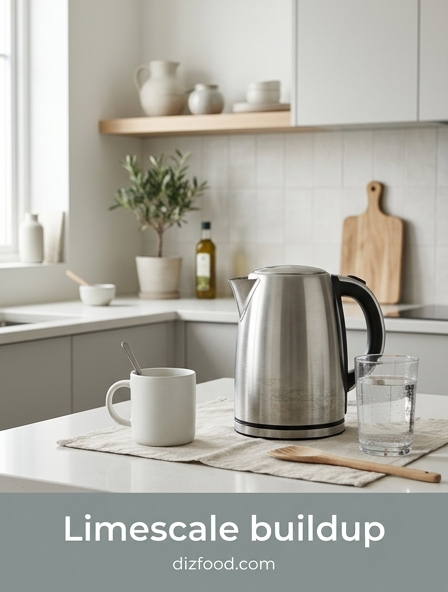
While descaling is a corrective measure, preventing future buildup can reduce the frequency of deep cleans. Mineral deposits occur when hard water-water high in calcium and magnesium-is heated, causing the minerals to solidify and stick to surfaces. One of the most effective ways to slow this process is to never leave standing water in the kettle after use. Emptying the vessel and leaving the lid open to air dry prevents the remaining droplets from evaporating and leaving behind mineral spots.
Using filtered water can also significantly delay the onset of scale. Carbon filters or ion-exchange pitchers remove a large portion of the dissolved solids before the water ever touches the kettle. For those in extremely hard water areas, a dedicated descaling schedule is essential. Instead of waiting for visible flakes to appear, performing a "maintenance descale" every month can prevent the minerals from hardening into a thick, difficult-to-remove crust. This proactive approach keeps the interior surfaces smooth, making it much harder for new particles to find a foothold and begin the cycle of buildup again.
Achieving a streak free polished interior
The final step in a comprehensive descaling routine is achieving a pristine, factory-like finish on the interior walls. Beyond the removal of thick scale, many kettles suffer from "ghosting" or cloudy streaks caused by light mineral film. Professional descalers often contain polishing agents that help buff the stainless steel at a molecular level during the rinsing process. This results in a mirror-like finish that not only looks better but is also functionally superior, as a smooth surface is more resistant to future mineral adhesion.
To achieve the best visual results, after the final rinse with fresh water, it is helpful to wipe the reachable parts of the interior with a soft microfiber cloth. This removes any lingering loosened particles and prevents water spots from forming during the drying process. A streak-free, polished interior is a hallmark of a well-maintained kitchen and provides a sense of hygienic security. When you peer into your kettle and see a bright, gleaming surface, you can be confident that your water is boiling in the cleanest environment possible, free from any contaminants or residues.




Comments