
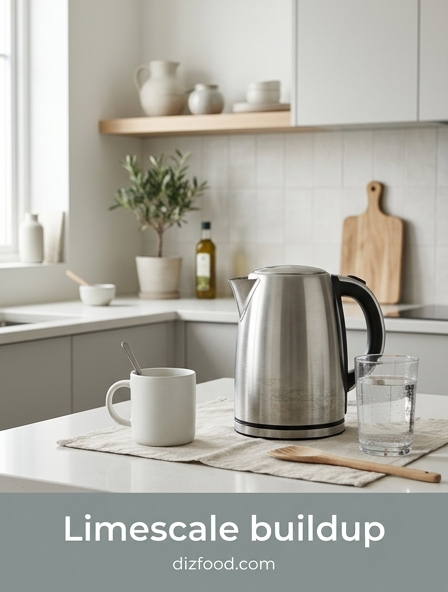
Understanding Limescale Causes in Kitchen Kettles
Limescale is a hard, chalky deposit primarily composed of calcium carbonate, which frequently accumulates inside kitchen appliances that heat water. The root cause of this buildup is "hard water," which contains high concentrations of dissolved minerals, specifically calcium and magnesium cations. When water is boiled in a kettle, these minerals undergo a chemical reaction. The heat causes the bicarbonate ions to break down, precipitating as solid carbonate that adheres to the internal surfaces and heating elements.
This process is particularly aggressive in regions where groundwater has passed through limestone or chalk deposits. Over time, the microscopic crystals bond together to form a resilient, crusty layer that is difficult to remove with standard soap. The severity of the buildup is influenced by several factors:
- Mineral concentration levels in the local municipal water supply.
- The frequency of boiling cycles performed daily.
- The maximum temperature reached during the heating process.
- The duration water is left standing in the kettle after use.
Understanding these causes is the first step in managing kitchen hygiene, as ignored limescale can eventually lead to mechanical failure and poor water quality.
Benefits of Regular Descaling for Appliance Longevity
Maintaining a clean, scale-free kettle is not merely an aesthetic choice; it is a critical maintenance task that directly impacts the lifespan of the appliance. Limescale acts as an unwanted insulator. When it coats a heating element, the element must work significantly harder and stay on longer to reach the desired temperature. This extra thermal stress can lead to premature burnout of the internal components, forcing consumers to replace expensive appliances more frequently.
Beyond mechanical health, regular descaling improves the sensory quality of your beverages. Large flakes of scale can break off into tea or coffee, creating an unpleasant texture and a metallic aftertaste. Furthermore, a clean kettle operates much more quietly than one choked with mineral deposits, which often produce loud popping sounds during the boiling cycle. By implementing a routine cleaning schedule, you ensure that the appliance functions at peak performance while protecting your financial investment. Consistent care prevents the buildup from becoming so thick that it requires harsh abrasive scrubbing, which could potentially damage the delicate interior linings of modern electric kettles.
Natural Cleaning Agents Vinegar and Lemon Juice
For those looking to avoid harsh chemicals in the kitchen, natural acids like white vinegar and lemon juice offer an effective and eco-friendly alternative for dissolving calcium deposits. The acetic acid in vinegar and the citric acid in lemons react chemically with the calcium carbonate, breaking it down into water-soluble salts and carbon dioxide gas. This reaction allows the scale to be easily wiped away without the need for intense physical labor.
While both are effective, they have different characteristics that might make one more suitable for your specific needs. Vinegar is generally more affordable and readily available in large quantities, making it ideal for heavy-duty descaling. Lemon juice, while slightly more expensive, leaves behind a pleasant, fresh citrus scent instead of the pungent aroma associated with vinegar. Below is a comparison of these two popular natural agents:
| Feature | White Vinegar | Lemon Juice |
|---|---|---|
| Active Acid | Acetic Acid (approx. 5%) | Citric Acid (approx. 5-8%) |
| Odor Profile | Strong, pungent aroma | Fresh, citrus fragrance |
| Cost Efficiency | High (Very inexpensive) | Moderate |
| Rinsing Effort | Requires multiple rinses | Easily rinsed |
Step by Step White Vinegar Descaling Method
Using white vinegar is one of the most reliable ways to restore a kettle to its original condition. This method is highly effective because the liquid can reach into small crevices and around complex heating elements that brushes cannot access. To ensure the best results without damaging the kettle's seals, follow this structured approach:
- Fill the kettle with a solution consisting of equal parts water and white distilled vinegar, ensuring the scaled areas are fully submerged.
- Switch the kettle on and bring the solution to a full boil.
- Once the kettle turns off, allow the mixture to sit for at least 30 to 60 minutes. For severe buildup, let it soak overnight.
- Pour out the vinegar solution and observe the interior; most of the scale should have dissolved or loosened.
- Use a soft sponge to wipe away any remaining softened particles.
- Fill the kettle with fresh water, boil it, and discard it. Repeat this rinsing process at least twice to eliminate any lingering vinegar scent or taste.
This routine should be performed once a month in hard water areas to prevent the minerals from hardening into a permanent shell.
Using Citric Acid for Fast Mineral Removal
Citric acid is often considered the gold standard for descaling by appliance professionals. It is typically sold in a concentrated powder form, which makes it incredibly potent and space-efficient for storage. Unlike vinegar, citric acid is virtually odorless, which is a significant advantage for individuals sensitive to the sharp smell of acetic acid. When dissolved in hot water, it creates a powerful solution that attacks limescale more aggressively than diluted vinegar, often working in half the time.
The process for using citric acid is straightforward and highly effective for both plastic and metal kettles:
- Fill the kettle halfway with water and bring it to a boil.
- Add 1 to 2 tablespoons of citric acid powder to the boiled water. You will notice immediate fizzing as the reaction begins.
- Leave the solution to react for 15 to 20 minutes.
- Empty the kettle and rinse thoroughly with cold water.
Because citric acid is so efficient, it is particularly useful for kettles with hidden elements where visual inspection is difficult. It ensures that even the smallest mineral traces are eradicated quickly.
Commercial Descaling Products vs Homemade Solutions
When faced with heavy limescale, homeowners must choose between specialized commercial descalers and common household items. Commercial products are often formulated with a blend of acids (such as lactic, phosphoric, or sulfamic acid) designed to work rapidly, sometimes in under five minutes. These are convenient for busy households but come with a higher price point and potential environmental concerns regarding chemical runoff. Homemade solutions, while slower, offer a non-toxic profile that is safe for food-contact surfaces.
The choice often depends on the severity of the scale and the user's priority regarding speed versus safety. Below is a comparison to help determine the best approach:
| Attribute | Commercial Descaler | Homemade (Vinegar/Citric) |
|---|---|---|
| Speed | Fast (5-10 minutes) | Slow (30-60 minutes) |
| Toxicity | Variable (May require caution) | Low (Food grade) |
| Cost | $5 - $15 per application | < $1 per application |
| Availability | Specialty stores | Everyday pantry item |
Cleaning Stainless Steel and Glass Electric Kettles
The material of your kettle dictates the cleaning precautions you should take. Stainless steel kettles are durable but can suffer from "pitting" if harsh chemicals are left inside for too long. Glass kettles, on the other hand, show every speck of limescale, making them look dirty even if the water is fresh. For glass models, the clarity of the material is the primary concern, while for stainless steel, maintaining the integrity of the metal surface is paramount.
- For Glass: Avoid using abrasive scouring pads, as micro-scratches can trap more minerals and eventually lead to cracks under thermal stress. Stick to liquid acids.
- For Stainless Steel: Ensure you rinse thoroughly to prevent the acid from reacting with the metal over long periods, which can cause discoloration.
- Exterior Care: Use a microfiber cloth dampened with a bit of the vinegar solution to wipe the exterior, removing water spots and fingerprints for a polished finish.
Regardless of the material, always ensure the kettle is unplugged and cooled before cleaning the exterior to avoid shocks or burns.
Preventative Tips to Stop Hard Water Buildup
While descaling is necessary, preventing the buildup in the first place can save significant time and effort. The most effective way to manage limescale is to limit the amount of mineral-heavy water that sits in the kettle. Many people make the mistake of filling the kettle to the maximum line and leaving the leftover water inside for the next use. As this water cools, the minerals settle and begin to harden on the floor and walls of the appliance.
Consider the following preventative measures to keep your kitchen appliances in top shape:
- Only boil the amount of water you need for your immediate beverage. This reduces mineral concentration.
- Empty the kettle completely after every use. Do not leave water standing overnight.
- Use a water filter pitcher to fill your kettle. This removes a significant portion of the calcium before it ever reaches the heating element.
- Install a "kettle protector," which is a small stainless steel mesh ball that attracts the limescale to itself rather than the kettle walls.
- Perform a "light rinse" daily to flush out loose mineral particles.
Improving Energy Efficiency Through Clean Heating Elements
Limescale is a poor conductor of heat. In an electric kettle, the heating element is designed to transfer thermal energy directly into the water. When a layer of scale forms, it creates a barrier of high thermal resistance. This means the element must reach much higher temperatures than intended to push heat through the chalky crust. This inefficiency translates directly into higher electricity bills and a longer wait time for your water to boil.
Research suggests that even a thin layer of scale (about 1.5mm) can decrease heat transfer efficiency by up to 10-15%. In a busy kitchen where the kettle is used multiple times a day, these costs accumulate over the year. By keeping the element shiny and clear of minerals, you ensure that almost 100% of the energy consumed is used to heat the water rather than fighting against an insulating layer of stone. This not only saves money but also reduces the carbon footprint of your household by minimizing unnecessary power consumption.
Essential Post Cleaning Rinse and Maintenance Routine
The final steps of the descaling process are just as important as the acid soak. Residual cleaning agents, whether natural or commercial, can alter the taste of your water and may be mildly irritating if ingested in concentrated amounts. A proper maintenance routine ensures that the kettle is safe and ready for food preparation immediately after the cleaning cycle is complete.
Follow this checklist after every descaling session to ensure quality results:
- Discard the descaling solution safely down the drain and rinse the interior with cold running water.
- Check the filter near the spout. Limescale often gets trapped here and may require a gentle scrub with a soft toothbrush.
- Fill the kettle to the maximum capacity with fresh, clean water and bring it to a boil.
- Discard this first boil entirely. This step flushes out any remaining microscopic scale particles and neutralizing agents.
- Perform a second boil if you used white vinegar, as the scent can be particularly stubborn.
- Wipe the base and the cord with a dry cloth to ensure no moisture interferes with the electrical connections.
Regularly following these steps ensures your morning cup remains pure and untainted.

Comments