

Understanding Copper Verdigris Formation
In the kitchen, copper cookware and decorative items often develop a distinct greenish crust known as verdigris. This chemical phenomenon occurs when copper is exposed to oxygen, moisture, and carbon dioxide over time. Unlike standard dark brown tarnish, which is a thin layer of copper oxide, verdigris is a complex combination of copper carbonates or copper chlorides. In a culinary environment, the process is frequently accelerated by exposure to acidic ingredients like vinegar, wine, or citrus juices left on the surface of the metal.
While some collectors appreciate the antique aesthetic of a green patina on outdoor statues, verdigris is generally undesirable on active kitchenware. It can be toxic if ingested in significant quantities and may alter the flavor of food. Understanding the specific triggers for this reaction is essential for any home chef:
- High humidity levels in the kitchen area.
- Residual salt or acidic food particles left after cooking.
- Exposure to atmospheric pollutants and moisture.
- Inadequate drying after washing copper pots and pans.
Essential Tools for Copper Restoration
Restoring a verdigris-covered copper pot requires a specific set of tools to ensure the metal is cleaned effectively without causing deep scratches or permanent damage. Because copper is a relatively soft metal, the choice of applicators and protective gear is paramount to achieving a professional finish. Before beginning the restoration process, gather the following items to ensure efficiency and safety throughout the cleaning stages.
| Tool Category | Recommended Items |
|---|---|
| Applicators | Microfiber cloths, soft-bristled toothbrushes, non-abrasive sponges. |
| Protection | Nitrile gloves, kitchen apron, eye protection for chemical splashes. |
| Finishing | Chamois leather, cotton buffing pads, dry lint-free towels. |
| Containers | Small glass bowls for mixing pastes, plastic tubs for soaking. |
Always avoid using steel wool or metal scouring pads, as these will create micro-scratches that trap future oxidation and dull the copper's natural glow. Consistency in using soft materials ensures the longevity of the kitchenware's surface.
The Natural Vinegar and Salt Solution
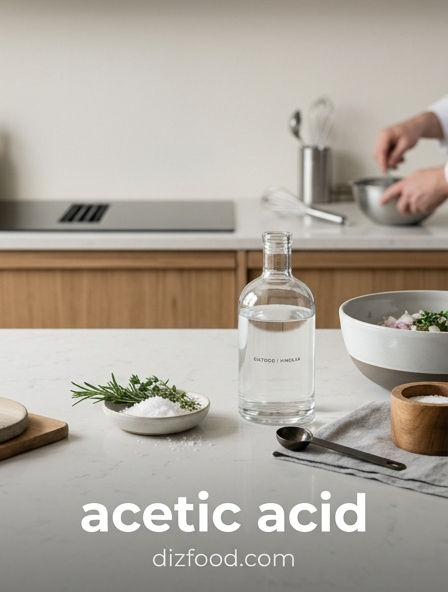
The combination of distilled white vinegar and table salt is one of the most effective traditional methods for dissolving verdigris in the kitchen. The acetic acid in the vinegar reacts chemically with the copper acetate or carbonate, breaking down the tough green crust. Meanwhile, the salt acts as a mild catalyst and a gentle abrasive to help lift the loosened particles from the surface. This method is particularly favored because it uses food-safe ingredients commonly found in any pantry.
- Mix one tablespoon of salt with one cup of white vinegar in a small bowl.
- Stir until the salt is mostly dissolved, creating a liquid solution.
- Apply the solution directly to the green spots using a soft cloth or sponge.
- For heavy verdigris, soak the entire item in a larger basin filled with the mixture.
- Let the solution sit for five to ten minutes, but do not allow it to dry completely.
- Rinse thoroughly with warm water to remove all traces of acid and salt.
This approach is ideal for items with intricate designs where a liquid can penetrate small crevices better than a thick paste.
Lemon and Salt Scrubbing Technique
For localized spots of verdigris or heavy tarnish on copper handles and rims, the lemon and salt technique provides a high-precision cleaning method. Lemons contain citric acid, which is highly effective at cutting through the alkaline nature of the green oxidation. When combined with the abrasive texture of coarse salt, this method creates a powerful scrubbing tool that refreshes the metal while leaving a pleasant citrus scent in the kitchen.
- Cut a fresh lemon in half and remove any visible seeds to avoid scratching.
- Dip the exposed flesh of the lemon directly into a small pile of kosher salt.
- Scrub the copper surface in a circular motion, focusing on the greenest areas.
- Squeeze the lemon slightly as you work to release more juice onto the metal.
- Re-dip the lemon in salt frequently to maintain the abrasive quality.
- Rinse the item under cool running water and dry immediately with a soft towel.
This technique is particularly useful for maintaining copper-bottomed pans, as it allows for targeted pressure on the areas most exposed to high heat and moisture.
Baking Soda Paste for Stubborn Spots
When verdigris has built up into a thick, stubborn layer, a liquid solution may run off before it can fully penetrate the oxidation. In these instances, a baking soda paste is the preferred remedy. Baking soda is a very mild abrasive that provides mechanical cleaning power without the harshness of industrial chemicals. When mixed with water or lemon juice, it creates a stable medium that clings to vertical surfaces, such as the sides of a copper stockpot or a hanging kettle.
- Combine three parts baking soda with one part water to form a thick paste.
- Spread the paste generously over the verdigris-affected areas using your fingers or a spatula.
- Allow the paste to sit for at least fifteen to twenty minutes to react with the copper salts.
- Use a damp microfiber cloth to rub the paste into the spots, using firm pressure.
- If the green color persists, add a few drops of lemon juice to the paste for an acidic boost.
- Rinse the paste away completely, ensuring no gritty residue remains in the crevices.
This method is exceptionally safe for delicate kitchen antiques that require a gentler touch than acidic soaking.
Commercial Cleaners for Heavy Oxidation
While natural methods are effective for minor maintenance, severe verdigris buildup on neglected kitchen copper may require industrial-strength commercial cleaners. These products often contain specialized chelating agents and mild mineral acids designed to strip heavy oxidation rapidly. When using these chemicals, it is vital to follow manufacturer instructions strictly to avoid damaging the metal or compromising food safety. Commercial cleaners often include protective additives that leave a temporary film to delay future tarnishing.
- Select a cleaner specifically formulated for copper rather than multi-metal polishes.
- Ensure the kitchen is well-ventilated to avoid inhaling chemical fumes.
- Wear gloves to protect your skin from the caustic agents found in many heavy-duty creams.
- Apply the product with a disposable applicator to prevent cross-contamination.
- Wash the copper item with grease-cutting dish soap after cleaning to remove chemical residues.
- Always check if the cleaner is rated as "food-safe" for surfaces that contact ingredients.
These cleaners are particularly efficient for restoring copper collections found at estate sales or those stored in damp basements for many years.
Step by Step Verdigris Removal Process
Successfully removing verdigris requires a systematic approach to ensure the copper is not only cleaned but also stabilized against future corrosion. Rushing the process can result in uneven patches or lingering acids that cause the green patina to return within days. Following a structured workflow ensures that every trace of oxidation is neutralized and the metal is prepared for a final polish. This sequence is designed for standard kitchenware like pots, bowls, and canisters.
- Wash the item with warm, soapy water to remove surface grease and dust.
- Identify the severity of verdigris to choose between liquid, paste, or commercial cleaners.
- Apply the chosen cleaning agent and allow it sufficient dwell time to react.
- Scrub gently using a non-abrasive tool until the green color disappears.
- Rinse the item thoroughly with distilled water to remove mineral impurities.
- Dry the copper immediately and completely using a soft, lint-free cloth.
- Inspect the surface for any remaining spots and repeat the process if necessary.
Thorough drying is the most critical step, as even a single drop of water left on the surface can initiate a new cycle of oxidation and verdigris formation.
Polishing for a Brilliant Mirror Finish
Once the verdigris is removed, the copper often appears dull or matte. Polishing is the final aesthetic step that restores the mirror-like finish highly prized in professional kitchens. This process involves using very fine polishing compounds to smooth out the microscopic surface of the metal, allowing it to reflect light evenly. A well-polished copper surface is not just about looks; a smooth surface has fewer "anchors" for moisture and pollutants, which helps prevent the return of verdigris.
- Use a dedicated copper polish or a homemade mixture of flour, salt, and vinegar.
- Apply a small amount of polish to a clean, dry microfiber cloth.
- Rub the metal in small, overlapping circular motions across the entire surface.
- Apply consistent pressure, but avoid leaning too hard on thin-walled vessels.
- Buff the surface with a separate, clean chamois or cotton cloth to bring out the shine.
- Continue buffing until the cloth glides effortlessly across the metal.
For a true mirror finish, repeat the buffing process several times, ensuring the copper remains free of fingerprints or oil during the final stage.
Tips to Prevent Copper Tarnish
Prevention is the most effective way to manage copper in the kitchen and avoid the labor-intensive process of verdigris removal. By controlling the environment and the way copper is handled, you can maintain its luster for months without needing a deep clean. Copper is highly reactive, so minor changes in storage and usage habits can have a significant impact on how quickly tarnish and green oxidation develop on the surface.
| Prevention Method | Action Required |
|---|---|
| Lacquer Coating | Apply a food-safe wax or lacquer to decorative pieces only. |
| Humidity Control | Store copper in dry cabinets away from the steam of the stove. |
| Protective Layers | Apply a thin coat of mineral oil to items before long-term storage. |
| Handling Care | Avoid touching polished copper with bare, sweaty hands. |
Regularly inspecting your copper collection allows you to catch minor darkening before it transitions into the more damaging green verdigris. Maintaining a dry environment is the single most important factor in copper preservation.
Daily Maintenance for Lasting Shine
Maintaining copper kitchenware does not always require intense scrubbing sessions if daily care is prioritized. Integrating simple habits into your post-cooking routine will keep your pots and pans looking professional and prevent the chemical conditions that lead to verdigris. The goal of daily maintenance is to remove residues quickly and ensure the metal remains dry and neutralized. Consistency is key to preserving the brilliant orange-gold hue of high-quality copperware.
- Hand-wash copper immediately after use with a mild, pH-neutral dish soap.
- Avoid the dishwasher, as the harsh detergents and high heat strip the finish.
- Dry the item instantly with a soft towel; never leave copper to air-dry.
- Remove acidic food spills, such as tomato sauce or lemon juice, right away.
- Store items in a well-ventilated area rather than stacked in damp drawers.
- Perform a quick "maintenance buff" with a dry cloth once a week.
By treating copper with a little extra attention during the daily cleaning cycle, you significantly extend the time between deep polishing sessions and ensure your kitchen remains a showcase of well-cared-for culinary tools.



Comments