
Cost Effective Brewing Solutions
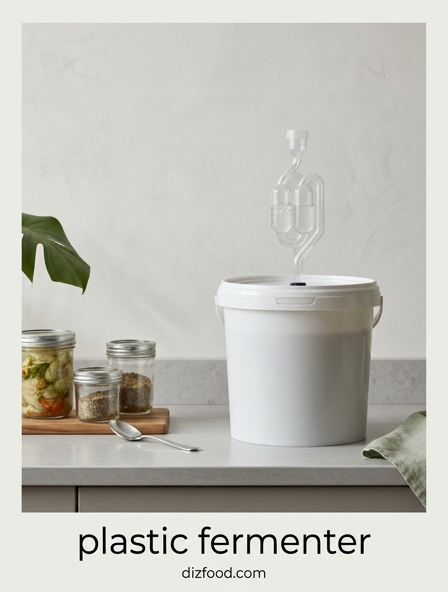
For many homebrewers, the initial investment in equipment can be a significant barrier to entry. Plastic fermenters, typically manufactured from high-density polyethylene (HDPE) or high-quality PET, offer a budget-friendly alternative to stainless steel or specialized glass vessels. By choosing plastic, brewers can allocate more of their budget toward premium ingredients, such as high-alpha acid hops, liquid yeast cultures, and specialty malts, which directly impact the flavor profile of the final product.
The affordability of plastic vessels does not necessarily equate to a sacrifice in quality. These containers are engineered to be food-grade and oxygen-resistant, ensuring that the fermentation environment remains stable throughout the primary and secondary stages. Furthermore, the low price point allows brewers to maintain multiple fermenters simultaneously, facilitating a continuous brewing pipeline without a massive financial layout.
- Lower initial purchase price compared to conical stainless steel units.
- Reduced replacement costs if a unit becomes damaged or scratched.
- Minimal investment required for secondary fermentation vessels.
- Wider availability in local homebrew supply shops.
Durability and Shatterproof Safety
Safety is a paramount concern in the kitchen, especially when handling large volumes of liquid. Traditional glass carboys, while effective at blocking oxygen, pose a significant risk of shattering if dropped or subjected to thermal shock. A plastic fermenter eliminates this danger entirely; its resilient construction allows it to withstand accidental impacts and drops that would result in catastrophic failure for glass equivalents. This shatterproof nature is particularly beneficial when working on wet kitchen floors where slips can occur.
Beyond physical impact, the durability of modern plastics ensures they can handle the rigors of frequent use. Unlike glass, which can develop micro-fractures over time, plastic vessels remain structurally sound under normal operating pressures. This reliability provides peace of mind for the brewer, knowing that a five-gallon batch of precious wort is secure and that the risk of injury from broken shards is non-existent.
- Impact resistance prevents loss of product during transport.
- Safe for use in households with pets or children.
- High tolerance for rapid temperature changes during cleaning.
- No risk of sharp edges or dangerous debris upon failure.
Lightweight Portability for Homebrewers
Moving a full fermenter is one of the most physically demanding tasks in the brewing process. A standard five-gallon batch of beer weighs approximately 42 pounds, excluding the weight of the vessel itself. Glass carboys add significant heft, often making them difficult to maneuver safely. In contrast, plastic fermenters are exceptionally lightweight, allowing the brewer to focus on the weight of the liquid rather than the container. This portability is essential for those who must brew in one area of the kitchen and ferment in another.
The reduced weight also simplifies the process of aeration and trub management. Shaking a plastic vessel to incorporate oxygen before pitching yeast is much more manageable than attempting the same move with a heavy glass or steel unit. For brewers who frequently move their batches into temperature-controlled chambers or closets, the ergonomic advantage of plastic is undeniable.
- Easier to lift into fermentation chambers or onto counters.
- Reduces strain on the back and shoulders during transport.
- Facilitates easier pouring and transfer between vessels.
- Ideal for brewers with limited physical strength or mobility.
Easy Customization and Spigot Installation
One of the greatest advantages of plastic fermenters is the ease with which they can be modified to suit a brewer's specific workflow. Unlike glass, which requires specialized diamond drill bits and carries a high risk of cracking, plastic can be easily modified using standard household tools. Adding a spigot at the base of a bucket or fermenter allows for gravity-fed transfers, eliminating the need for a racking cane and reducing the risk of oxidation during bottling.
Brewers can also easily install thermowells for precise temperature monitoring or blow-off tubes for high-gravity fermentations. The soft nature of HDPE and PET allows for a tight seal with rubber grommets, ensuring the vessel remains airtight despite the modifications. This flexibility turns a simple bucket into a sophisticated piece of brewing hardware tailored to the individual's needs.
- Mark the desired location for the spigot or sensor.
- Use a step bit to drill a clean hole through the plastic wall.
- De-burr the edges to ensure a smooth, sanitizable surface.
- Install the hardware with food-grade silicone gaskets for an airtight seal.
Simplified Cleaning and Maintenance Routines
Cleaning is arguably the most important aspect of successful brewing, and plastic fermenters simplify this chore significantly. Most plastic buckets feature wide-mouth openings, allowing the brewer to reach inside and scrub every internal surface manually. This accessibility ensures that no "krausen ring" or yeast residue is left behind to contaminate future batches. In contrast, narrow-neck carboys often require specialized brushes and long soaking periods with caustic chemicals to achieve the same level of cleanliness.
While plastic is susceptible to scratching if abrasive pads are used, a soft cloth and a quality brewery wash like PBW (Powdered Brewery Wash) are usually sufficient to maintain the vessel. Regular maintenance is straightforward, and because the components are often modular, replacing a worn-out gasket or a stained lid is inexpensive and quick. This ease of maintenance helps ensure a sterile environment for the yeast to thrive.
- Wide openings allow for direct physical scrubbing of internal walls.
- Compatibility with standard oxygen-based brewery cleaners.
- Removable lids and seals for deep sanitization.
- Fast drying times compared to deep-vessel alternatives.
Space Saving Storage and Stackability
Kitchen space is often at a premium, and the ability to store equipment efficiently is a major benefit for homebrewers. Many plastic fermenters, particularly bucket-style models, are designed with a slight taper that allows them to be nested inside one another when not in use. This "nesting" capability means that several fermenters can occupy the footprint of just one, making them ideal for apartment dwellers or those with limited storage cabinets.
Even when full, many plastic fermenters are designed with recessed lids that allow for stable stacking. This vertical storage capability enables a brewer to manage multiple active fermentations in a very small area. The following table illustrates the space-saving potential of typical plastic fermentation buckets compared to non-stackable glass carboys.
| Feature | Plastic Bucket | Glass Carboy |
|---|---|---|
| Nesting (Empty) | Yes | No |
| Stacking (Full) | Yes (with specific lids) | No |
| Footprint | Moderate | Small to Moderate |
Reduced Risk of Equipment Damage
The kitchen environment can be chaotic, with heavy pots, pans, and tools frequently being moved around. In this setting, the resilience of plastic fermentation gear is a major asset. While a metal spoon dropped onto a glass carboy could cause a crack, a plastic fermenter will simply absorb the impact. This resistance extends to the hardware as well; plastic spigots and airlocks are less likely to snap off or damage the vessel body if they are bumped during a busy brew day.
Furthermore, plastic is less prone to damage from the thermal cycles of cleaning. While glass must be heated and cooled slowly to avoid stress fractures, plastic can handle the transition from a hot PBW soak to a cold sanitizer rinse with ease. This ruggedness ensures that the equipment remains in service for many years, provided it is treated with care to avoid deep scratches where bacteria could hide.
- High resistance to "clanking" against other kitchen equipment.
- Absorbs vibrations from nearby appliances without stress.
- Grommets and seals are easily replaced if they dry out.
- Lids resist warping even under slight pressure.
Affordable Entry Level Fermentation Gear
For the novice brewer, the sheer variety of equipment can be overwhelming. Plastic fermentation kits are the standard recommendation for beginners because they provide all the necessary features at a fraction of the cost of professional-grade gear. These entry-level vessels usually come as a complete package, including a lid, an airlock, and sometimes a pre-installed spigot. This allows the beginner to focus on the science of fermentation and the art of recipe formulation without getting bogged down in complex hardware maintenance.
Starting with plastic also allows a brewer to learn the "feel" of fermentation-observing the krausen rise and fall through the semi-translucent walls or monitoring the airlock activity. If the brewer eventually decides to upgrade to stainless steel, the plastic vessels can be repurposed as grain storage bins, sanitizing buckets, or secondary fermenters for fruit additions.
- Purchase a standard 6.5-gallon fermentation bucket kit.
- Sanitize the vessel thoroughly using a no-rinse solution.
- Transfer cooled wort and pitch yeast directly into the bucket.
- Snap the lid tight and monitor the airlock for CO2 production.
Better Ergonomics for Heavy Batches
Ergonomics play a vital role in long-term brewing success and health. Plastic fermenters are frequently designed with integrated handles that make lifting and carrying much safer than the "hug-and-lift" method required for glass carboys. Some models feature robust metal bail handles with plastic grips, while others have molded-in handles on the sides of the vessel. These features significantly reduce the risk of dropping the fermenter and provide better control when pouring or tilting the vessel to collect the last bit of beer.
The shape of plastic buckets also contributes to better ergonomics. The wider base provides a lower center of gravity, making the fermenter more stable on a counter or in a fridge. This stability is crucial when attaching blow-off tubes or dry-hopping, as it prevents the vessel from tipping over easily. Improved ergonomics mean less physical fatigue at the end of a long brew day.
- Molded handles provide a secure, non-slip grip.
- Bail handles allow for one-handed carrying of empty vessels.
- Lower center of gravity prevents tipping during active fermentation.
- Balanced weight distribution for safer pouring and transfers.
Versatile Sizes for Every Recipe
Homebrewing is not a one-size-fits-all hobby. Some brewers prefer small-batch experimentation, while others want to fill a full 19-liter keg in one go. Plastic fermenters are available in a vast array of sizes to accommodate these different needs. From one-gallon "test batch" jugs to eight-gallon buckets that provide ample headspace for vigorous fermentations, there is a plastic vessel for every scenario. This variety allows brewers to match the vessel size to the batch size, minimizing the headspace and reducing the risk of oxidation.
The versatility extends to the types of beverages being produced. A brewer might use a small plastic fermenter for a high-gravity barleywine and a large one for a standard strength pale ale. The ability to own a variety of sizes without spending a fortune is a key reason why plastic remains a staple in the home brewing community. The table below outlines common plastic fermenter sizes and their typical uses.
| Capacity | Primary Use Case | Headspace Benefit |
|---|---|---|
| 1 Gallon | Experimental / Small Batches | Perfect for limited space |
| 2 Gallon | Split Batches / Fruit Additions | Ideal for test variations |
| 6.5 Gallon | Standard 5-Gallon Beer Batches | Prevents blow-outs with high krausen |
| 8 Gallon | High Gravity / Double Batches | Massive headspace for safety |





Comments