
Role of Base Malts in Flavor
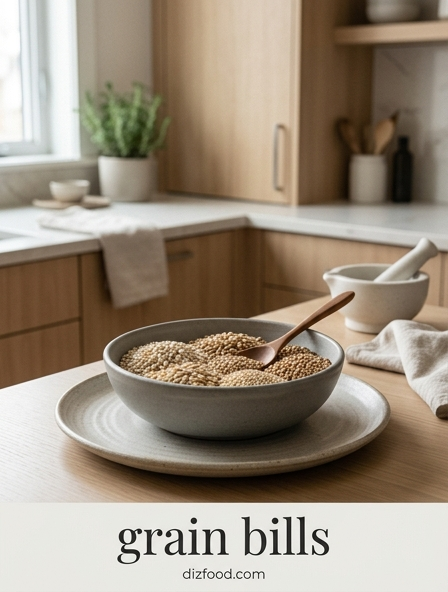
Base malts serve as the primary engine for any grain bill, providing the necessary enzymes for starch conversion and the majority of the fermentable sugars. While their main function is functional, they contribute a subtle but essential foundational flavor profile that defines the style of the final brew. For instance, Pilsner malt offers a crisp, slightly grainy, and cracker-like finish, whereas Pale Ale malt provides a more robust, bready, and biscuit-forward character. High-kilned base malts like Munich and Vienna introduce deeper toasted notes and a golden hue without requiring specialty additions.
- Pilsner Malt: Delicate, honey-like sweetness and straw color.
- Maris Otter: Rich, nutty, and distinctly British character.
- Vienna Malt: Toasty, orange-hued, and slightly sweet.
- Munich Malt: Deep maltiness with bready and melanoidin-rich flavors.
Selecting the right base malt is the first step in recipe design. A brewer must account for the diastatic power, which ensures that even with a high percentage of specialty or unmalted grains, the mash will successfully convert starches into fermentable sugars. The terroir of the grain also plays a role, as barley grown in different regions will exhibit unique mineral and protein characteristics.
Increasing Body with Dextrin Grains
Dextrin malts, often referred to by trade names such as Carapils or Carafoam, are specifically processed to increase the concentration of non-fermentable complex sugars. These sugars survive the fermentation process, remaining in the liquid to provide a fuller mouthfeel and enhanced foam stability. Unlike caramel malts, dextrin grains are kilned at lower temperatures to ensure they do not contribute significant color or flavor, making them ideal for light-colored lagers or West Coast IPAs where a crisp profile is desired alongside a substantial body.
| Grain Type | Primary Benefit | Usage Rate |
|---|---|---|
| Carapils | Head retention and body | 2% to 10% |
| Carafoam | Improved foam structure | 5% to 15% |
| Dextrine Malt | Mouthfeel without sweetness | 3% to 8% |
By incorporating these grains, brewers can manipulate the viscosity of the beverage. This is particularly useful in low-alcohol recipes where the lack of residual sugar can otherwise result in a watery or thin consistency. The inclusion of dextrins provides a "slick" or "creamy" sensation on the palate that balances hop bitterness or high carbonation levels, ensuring the drink feels complete and well-rounded.
Adding Sweetness via Crystal Malts
Crystal malts, also known as caramel malts, are unique because they undergo a "stewing" process where the starches are converted to sugars inside the husk before being kilned. This process results in a glassy, crystallized interior that provides unfermentable sugars and distinct sweet flavors. Depending on the lovibond rating-which measures color-these malts can range from light honey notes to deep, dark fruit and burnt sugar characteristics. They are essential for balancing the bitterness of hops in styles like Red Ales, Porters, and Stouts.
- Light Crystal (10-20L): Delicate sweetness, honey, and light caramel.
- Medium Crystal (40-60L): Toffee, toasted marshmallow, and intense caramel.
- Dark Crystal (80-120L): Raisin, plum, prune, and dark bitter sugar.
When designing a grain bill, it is vital to use crystal malts sparingly. Excessive amounts can lead to a cloying sweetness that overwhelms the palate and reduces drinkability. Most recipes benefit from a crystal malt inclusion of 5% to 15%, providing a complex sugar backbone that withstands the attenuation of the yeast, ensuring the finished product maintains its intended sweetness profile through the last sip.
Flavor Profiles of Dark Roasted Grains
Dark roasted grains are the hallmark of dark beers, providing the intense colors and bold flavors associated with stouts and porters. These grains are kilned at extremely high temperatures until the sugars and proteins undergo heavy Maillard reactions and eventually carbonization. The resulting flavors are often compared to coffee, dark chocolate, and roasted nuts. Because these grains are highly acidic, they can impact the mash pH significantly, requiring careful water chemistry adjustments to avoid harsh, acrid, or astringent "burnt" flavors.
- Chocolate Malt: Provides a smooth, cocoa-like flavor and deep brown hue.
- Black Patent: Offers a sharp, smoky, and charcoal-like intensity.
- Roasted Barley: Essential for Irish Dry Stouts, giving a dry, coffee-ground finish.
- Carafa Special: De-husked to provide dark color without the harsh bitterness.
The key to using dark grains is layering. Combining a small amount of chocolate malt with an even smaller portion of roasted barley creates a more nuanced and "three-dimensional" flavor than using a single dark grain. Brewers must also consider the timing of the addition; adding dark grains late in the mash can extract color and flavor while minimizing the extraction of harsh tannins from the husks.
Using Flaked Oats for Silky Mouthfeel
Flaked oats are a popular adjunct grain used to transform the texture of a beverage, lending a heavy, silky, and cream-like mouthfeel. They are particularly favored in New England IPAs and Oatmeal Stouts. Oats are rich in beta-glucans and proteins, which increase the viscosity of the liquid. Unlike malted grains, flaked oats have been steamed and rolled, gelatinizing the starches so they can be added directly to the mash without a separate cereal cook.
- Choose high-quality flaked oats to avoid "dusty" off-flavors.
- Incorporate between 10% and 25% of the total grain bill for maximum effect.
- Ensure a thorough mash rest to allow enzymes to break down the complex starches.
- Monitor the lautering process, as the high beta-glucan content can make the mash "gummy."
Beyond texture, oats contribute a subtle earthy or nutty flavor that complements both fruity hops and dark roasted malts. They also help stabilize the haze in certain styles, as the proteins interact with hop polyphenols to create a permanent suspension. However, because of their high fat and protein content, excessive use of oats can occasionally hinder long-term head stability if not managed correctly during the boil and fermentation.
Wheat Malts for Head Retention and Body
Wheat malt is a versatile ingredient that serves as the backbone for German Weizen and Belgian Witbier, but it is also used in small quantities in many other styles. The primary advantage of wheat is its high protein content, which is significantly higher than that of barley. These proteins are instrumental in creating a thick, mousse-like foam that persists throughout the drinking experience. Additionally, wheat contributes a light, bready flavor and a slightly tangy finish that enhances refreshment.
- Red Wheat: Provides a slightly nuttier flavor and more robust body.
- White Wheat: Offers a cleaner, lighter taste and is preferred for American Wheat ales.
- Torrified Wheat: Pre-gelatinized wheat that expands when heated, excellent for head retention.
Because wheat lacks a husk, using it in high percentages (above 50%) can lead to a "stuck mash" where the liquid cannot flow through the grain bed. To mitigate this, many brewers use rice hulls to provide the necessary filtration structure. In smaller amounts, around 5% to 10%, wheat malt acts as an "insurance policy" for head retention, ensuring that even in highly hopped or high-alcohol beverages, the foam remains stable and attractive.
Complexity Through Specialty Grain Additions
Specialty grains are the "spice cabinet" of the grain bill, used in small increments to provide specific flavor nuances that base malts cannot achieve. These include honey malt, which provides an intense, nectar-like sweetness, and biscuit or victory malts, which lend a warm, toasted bread-crust aroma. Smoked malts, such as those dried over beechwood or peat, can introduce campfire or earthy notes that define styles like Rauchbier. The diversity of specialty grains allows for endless creativity in recipe development.
| Specialty Grain | Flavor Profile | Common Style |
|---|---|---|
| Honey Malt | Intense honey, sweet bread | Blonde Ale |
| Biscuit Malt | Saltine crackers, dry toast | Brown Ale |
| Aromatic Malt | Strong malty aroma, syrup | Belgian Dubbel |
| Smoked Malt | Wood smoke, savory, ham | Rauchbier |
The challenge with specialty grains is maintaining balance. Because many of these grains have very specific and potent flavor markers, they can easily dominate the profile if used in excess. A well-constructed grain bill often uses these grains as accents, layering them to build a complex flavor tapestry that unfolds as the drink warms, revealing different layers of toast, fruit, and spice.
Impact of Unmalted Adjuncts on Texture
Unmalted adjuncts like corn (maize), rice, and flaked barley are used to alter both the flavor and the physical properties of the beverage. In many light lagers, corn and rice are used to lighten the body and provide a crisp, clean finish that 100% barley malts cannot achieve. Conversely, flaked barley is often used in stouts to add a grainy complexity and boost head retention without increasing the sweetness of the final product. These ingredients do not contain the enzymes necessary for conversion, so they must be mashed alongside diastatic base malts.
- Flaked Corn: Adds a subtle sweetness and thins the body for high drinkability.
- Rice Flakes: Contributes almost no flavor, resulting in an ultra-dry finish.
- Flaked Barley: Enhances "slickness" and foam stability in dark beers.
Using adjuncts requires an understanding of gelatinization temperatures. While flaked versions are pre-processed, raw grains may require a "cereal mash" to break down the starch structure before they can be converted by the enzymes in the main mash. When used correctly, these adjuncts allow a brewer to fine-tune the texture, ensuring a heavy beer doesn't feel too cloying or a light beer doesn't feel too heavy.
Balancing Malt Sweetness and Toastiness
Achieving the perfect balance between sweetness and toastiness is a fundamental goal in grain bill design. Sweetness typically comes from residual sugars left by crystal malts or high mash temperatures, while toastiness is derived from the Maillard reactions occurring in kilned grains like Munich, Amber, or Brown malts. A beverage that is too sweet can feel heavy and tiring to drink, while one that is too toasty or roasted can become harsh and astringent. The interplay between these two poles creates the "malty" center of the flavor wheel.
- Identify the target style to determine the desired sweet-to-toasty ratio.
- Use base malts like Vienna to provide a toasty foundation without excess sugar.
- Add small amounts of medium-range crystal malts for roundness.
- Balance the malt profile with appropriate hop bitterness to "cut" through the sweetness.
The perceived balance is also affected by the water profile; sulfate-heavy water can accentuate the dry, toasty notes, while chloride-heavy water enhances the perception of sweetness and fullness. By adjusting both the grain selection and the mineral content of the water, a brewer can direct the palate toward a crisp, toasted finish or a lush, sweet experience, depending on the culinary goals of the recipe.
Grain Ratios for Targeted Viscosity
Viscosity, or the "thickness" of the liquid, is a direct result of the ratio between fermentable and unfermentable components in the grain bill. To target a specific viscosity, brewers must calculate the percentage of grains high in proteins and beta-glucans versus those that produce simple, highly fermentable sugars. A high-viscosity beverage, such as a Double Oatmeal Stout, will feature a high percentage of flaked grains and dextrin malts, while a low-viscosity Pilsner will rely almost exclusively on highly modified base malts and perhaps a starch adjunct like rice.
| Target Feel | Key Ingredient | Ratio in Bill |
|---|---|---|
| Thin/Crisp | Rice or Corn | 20% to 40% |
| Standard/Balanced | Pale Malt + 5% Crystal | 90% to 100% | Flaked Oats or Wheat | 15% to 30% |
In addition to grain selection, mash temperature plays a vital role in determining viscosity. Mashing at a higher temperature (156°F-158°F) favors alpha-amylase, which produces more complex, unfermentable dextrins. Mashing at a lower temperature (148°F-150°F) favors beta-amylase, resulting in a more fermentable wort and a thinner final body. Mastering the relationship between grain ratios and enzymatic activity allows for precise control over the mouthfeel and "weight" of the finished drink.



Comments