
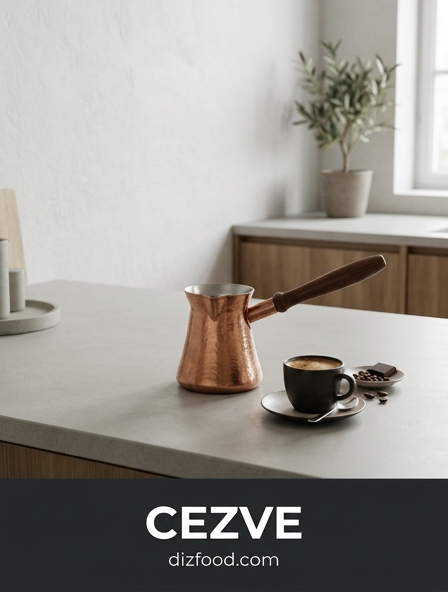
Stepping into the world of traditional brewing is a sensory journey back in time. Mastering the ancient art of coffee brewing with the traditional copper pot, or cezve, allows you to unlock a depth of flavor that modern machines simply cannot replicate. Hand-hammered copper ensures perfect heat distribution, essential for creating that signature thick foam and velvety texture. By simmering finely ground beans over a low flame, you honor a ritual passed down through generations, resulting in a rich, unfiltered cup that celebrates heritage. To truly appreciate these nuances, it is fascinating to explore the unique regional styles of Turkish Coffee Vs Greek Coffee.
History of the Copper Cezve
The copper cezve, known in various regions as an ibrik, traces its origins back to the 16th-century Ottoman Empire. As coffee culture flourished in the bustling marketplaces of Istanbul, the need for a specialized vessel that could withstand direct heat while facilitating a rapid rise in pressure became evident. Craftsmen in the Levant and Balkan regions perfected the design, utilizing heavy-gauge copper for its malleability and endurance. Historically, the cezve was more than just a kitchen utensil; it was a symbol of hospitality and social status.
During the height of the Ottoman expansion, the design of the pot evolved to include a narrow neck and a wide base, specifically engineered to manage the foam that defines Turkish coffee. Artisans often adorned these pots with intricate engravings and long, ornate handles made of brass or wood to protect the brewer's hands from the intense heat of the glowing embers. Today, the cezve remains a cornerstone of Middle Eastern and Mediterranean domestic life, bridging the gap between ancient metallurgical traditions and modern culinary practices.
Thermal Conductivity and Flavor
Copper is widely regarded as the premier material for brewing coffee because of its exceptional thermal conductivity. This physical property allows the heat to distribute evenly across the entire surface of the pot, preventing the formation of "hot spots" that can scorch delicate coffee oils and introduce a bitter, burnt aftertaste. When coffee is brewed in a copper cezve, the gradual increase in temperature ensures a steady extraction of flavors, resulting in a brew that is both balanced and aromatic.
- Even Heating: Minimizes temperature fluctuations during the brewing cycle.
- Precision Control: Responds instantly to changes in the heat source.
- Lining Protection: Interior tin or silver lining prevents copper leaching while maintaining heat efficiency.
The interaction between the heat-conductive copper and the water creates a specific convective motion inside the pot. This movement keeps the ultra-fine coffee grounds in suspension longer, which is essential for developing the thick, silken body that characterizes a traditional cup of ibrik coffee. Without this thermal stability, the complex acidity and sweetness of the beans would be lost to inconsistent extraction.
Precision Grinding for Ibrik
The foundation of a successful cezve brew lies in the grind size, which must be significantly finer than what is used for espresso. To achieve the correct consistency, the coffee must be pulverized into a powder that resembles flour or cocoa. This extreme fineness creates a massive surface area, allowing for nearly instantaneous extraction when the water reaches the appropriate temperature. Because the grounds are not filtered out, the texture of the powder contributes directly to the viscous mouthfeel of the final beverage.
Achieving this level of precision typically requires a specialized manual brass mill or a high-end electric burr grinder capable of "Turkish" settings. If the grind is too coarse, the grounds will sink quickly, and the characteristic foam will fail to form. Conversely, if the grind is perfect, the particles remain suspended during the "rise," creating a dense, stable crema. Most enthusiasts recommend grinding the beans immediately before brewing to preserve the volatile aromatics that dissipate rapidly once the bean's structure is compromised into such a fine state.
Selecting Quality Copperware
When purchasing a cezve, the quality of construction determines both the longevity of the pot and the quality of the coffee produced. A high-quality cezve should be made from thick copper, typically between 1.5mm and 2mm. Thinner pots are prone to warping and uneven heating. Buyers should also distinguish between hand-hammered and machine-pressed versions, as the hammering process increases the density and durability of the metal.
| Feature | Hand-Hammered | Machine-Pressed |
|---|---|---|
| Durability | High; thick gauge | Moderate; thinner metal |
| Aesthetics | Unique artisanal patterns | Uniform, smooth surface |
| Performance | Superior heat retention | Standard heat distribution |
The interior lining is equally critical. Since raw copper can react with the acidity in coffee, a food-safe lining of tin or silver is mandatory. A well-applied tin lining should be smooth and silver-toned. Furthermore, the handle should be securely attached, preferably with rivets rather than solder, to ensure it remains stable over years of exposure to high heat.
Water Ratios and Temperature
Precision in measuring water and coffee is what separates a professional brew from a mediocre one. The traditional ratio for Turkish coffee is approximately 1:10, meaning one gram of coffee for every ten milliliters of water. For a standard 60ml fincan (cup), one would use roughly 6 to 7 grams of coffee. Using filtered or bottled water is highly recommended, as the mineral content significantly impacts the extraction and the final flavor profile of the brew.
- Measure room-temperature water into the cezve based on the number of cups.
- Add the coffee and sugar (if desired) before placing the pot on the heat.
- Stir gently only once to incorporate the grounds, then refrain from further agitation.
Unlike other brewing methods that use boiling water, the cezve method begins with cool or room-temperature water. This allows the coffee grounds to slowly saturate as the temperature climbs. The ideal goal is to reach the foaming point without ever allowing the liquid to reach a rolling boil, as boiling will destroy the delicate foam and over-extract the grounds.
The Art of Creating Foam
The presence of a thick, velvety foam, known as "köpük," is the hallmark of a masterfully prepared Turkish coffee. This foam is composed of trapped CO2 gases and oils released from the ultra-fine grounds. To achieve the perfect foam, the heat source must be kept low and consistent. As the water nears approximately 90 degrees Celsius, the coffee will begin to rise toward the rim of the cezve. This is the critical moment where the brewer must intervene to preserve the bubbles.
Many traditional techniques involve removing the pot from the heat just as the foam reaches the top, allowing it to settle, and then returning it for a second or even third "rise." During the first rise, it is common to spoon a small amount of the foam into each serving cup before pouring the rest of the coffee. This ensures that every guest receives a portion of the prized crema. If the coffee boils, the bubbles will pop, leaving the surface flat and the flavor profile overly bitter. Managing this delicate thermal balance requires patience and constant observation.
Traditional Brewing Techniques
While the basic steps of brewing in a cezve are straightforward, the nuances of the technique vary across different cultures. In the traditional Turkish method, the coffee and water are mixed initially and then left undisturbed on a bed of hot sand or a low flame. The sand method is particularly prized because it surrounds the copper pot with consistent heat, allowing for a more controlled rise. In Greece, where the drink is called Ellinikos, the focus is often on a single, slow rise to create a more delicate foam layer.
Another variation involves the timing of the sugar. Unlike Western coffee culture, where sugar is added after brewing, sugar in a cezve must be added to the cold water and coffee mixture before heating begins. This allows the sugar to dissolve and caramelize slightly during the heating process, integrating more deeply with the coffee's oils. The brewing process is considered a meditative act, requiring the brewer to remain present and attentive to the visual cues of the rising liquid, ensuring the heat is cut at the exact millisecond of the peak.
Cultural Rituals of Service
The service of coffee from a copper cezve is steeped in etiquette and tradition. It is customary to serve the coffee with a small glass of water and a piece of Turkish delight or a date. The water is used to cleanse the palate before the first sip, allowing the drinker to fully appreciate the coffee's complexity. In many households, the eldest guest is always served first as a sign of respect. The coffee is poured slowly down the side of the cup to keep the foam intact and the sediment at the bottom.
Beyond the drink itself, the cezve plays a role in social customs such as "tasseography," or fortune-telling. Once the coffee is consumed, the cup is turned upside down on the saucer to cool. The patterns formed by the remaining grounds on the sides of the cup are then interpreted to predict the drinker's future. This ritual reinforces the coffee's role as a social lubricant, extending the gathering long after the liquid has been finished. In this context, the cezve is not just a tool but the catalyst for community interaction.
Maintaining Your Copper Pot
To ensure a copper cezve lasts for generations, proper maintenance is essential. Copper is a reactive metal that naturally develops a patina over time-a dark film that some collectors admire, but others prefer to polish away. The exterior can be cleaned using a paste of lemon juice and salt or a dedicated copper cleaner to restore its original luster. However, the interior requires much gentler care. One should never use abrasive sponges or harsh detergents on the tin lining, as this can wear away the protective layer and expose the copper.
- Rinsing: Use only warm water and a soft cloth for the interior.
- Drying: Always dry the pot immediately to prevent water spots and oxidation.
- Retinning: If the silver-colored lining wears thin and the copper peaks through, it must be professionally retinned.
By following these steps, the integrity of the vessel is preserved. It is also important to avoid "dry heating" the pot; always ensure there is liquid inside before placing it on a heat source to prevent the tin lining from melting, which occurs at a relatively low temperature compared to the copper itself.
Modern Twists on Ancient Brews
In recent years, the third-wave coffee movement has rediscovered the cezve, bringing modern specialty coffee standards to this ancient method. Baristas are now experimenting with light-roast single-origin beans, which offer floral and fruity notes that were traditionally masked by very dark roasts. Using digital scales and thermometers, modern brewers are bringing scientific precision to the ibrik, documenting specific brew times and temperature curves to achieve the perfect extraction. This evolution has led to the "Cezve/Ibrik Championship," a global competition that celebrates both technical skill and creative flair.
Innovations also extend to the flavors and tools used. While cardamom remains the classic spice addition, contemporary recipes might incorporate lavender, cacao nibs, or even citrus peels. Some modern cezves are now designed with induction-compatible bases or are crafted from stainless steel, though purists argue that these materials cannot replicate the specific thermal dynamics of hand-hammered copper. Regardless of the equipment used, the resurgence of the cezve demonstrates that this traditional brewing method remains relevant, offering a tactile and sensory experience that automated machines simply cannot replicate.






Comments