
Primary Fermentation Fundamentals
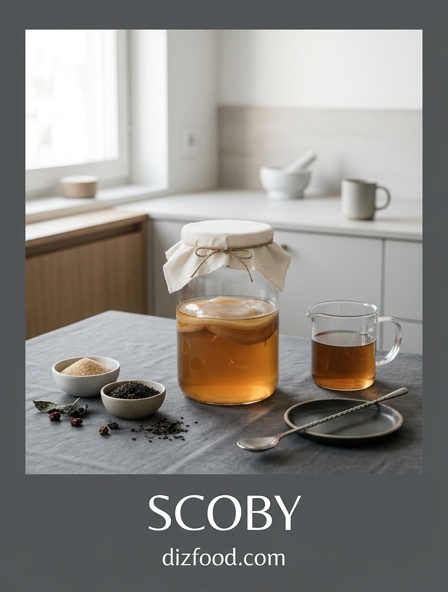
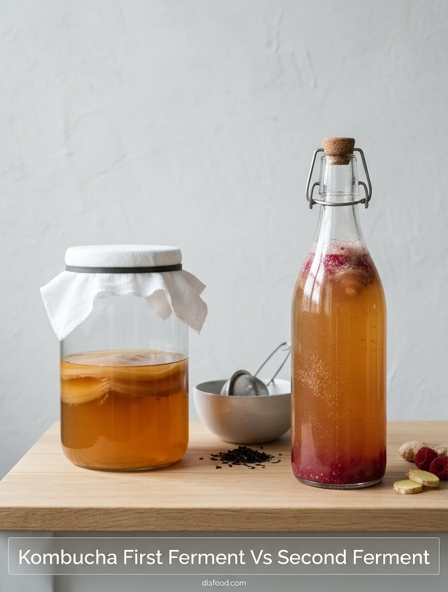
The journey of kombucha begins with primary fermentation, a metabolic process where the SCOBY (Symbiotic Culture of Bacteria and Yeast) transforms sweetened tea into a tangy, probiotic beverage. This stage requires a delicate balance of nitrogen from tea leaves and glucose from cane sugar. During this period, the yeast consumes the sugar to produce ethanol and carbon dioxide, which the bacteria then convert into acetic, gluconic, and uronic acids. This transformation typically occurs over seven to fourteen days, depending on the desired acidity level. Providing an aerobic environment is crucial, as the bacteria require oxygen to thrive and build the cellulose pellicle on the surface. Success in this phase relies on following specific ratios to maintain the health of the culture:
- Standard Ratio: 1 cup of sugar per gallon of water.
- Tea Base: 8 to 10 bags of black or green tea for essential nutrients.
- Starter Liquid: At least 2 cups of mature kombucha to lower the initial pH.
- Covering: A breathable cloth secured with a band to prevent insect intrusion.
The resulting brew serves as the foundation for all subsequent flavor profiles and carbonation levels. Monitoring the pH is essential to ensure the environment remains too acidic for harmful pathogens to take hold.
Optimizing Yeast for Flavor
While bacteria provide the signature snap of kombucha, the yeast component of the SCOBY is responsible for the aromatic complexity and body of the brew. Yeast activity is highly sensitive to the type of sugar provided and the specific tea polyphenols available. By selecting high-quality organic cane sugar or honey (in the case of Jun), brewers can influence the ester production that leads to fruity or floral notes. If the yeast becomes too dominant, the brew may taste overly yeasty or "bread-like," whereas a weak yeast population results in a flat, thin beverage. Managing the yeast balance often involves physical intervention, such as filtering out excess brown yeast strands or stirring the vessel before bottling to ensure an even distribution of the culture. The table below outlines how different sugar types influence yeast behavior and the resulting flavor profile:
| Sugar Type | Yeast Reaction | Flavor Outcome |
|---|---|---|
| White Cane Sugar | Rapid, clean fermentation | Neutral, crisp acidity |
| Raw Sugar / Demerara | Moderate fermentation speed | Caramel, molasses undertones |
| Honey (Jun Style) | Very active, high esters | Floral, delicate sweetness |
Careful sugar selection allows the home brewer to curate a specific sensory experience before the second stage begins.
Benefits of Secondary Fermentation
Secondary fermentation is where the "kitchen chemist" truly shines, moving the brew from a basic acetic tonic to a sophisticated, carbonated culinary creation. This phase occurs in a sealed, anaerobic environment, forcing the remaining yeast to process new sugars without the presence of oxygen. This stage is vital for building deep flavor profiles that cannot survive the primary fermentation process. By adding fruits, herbs, or spices at this juncture, the brewer prevents the SCOBY from being contaminated by oils or foreign bacteria found in fresh produce. The benefits extend beyond flavor, as this process naturally carbonates the liquid, creating a mouthfeel similar to sparkling wine or soda. To execute a successful secondary fermentation, follow these steps:
- Remove the SCOBY and starter liquid for the next batch.
- Pour the remaining kombucha into pressure-rated glass bottles.
- Add fresh fruit puree, whole berries, or botanical extracts.
- Seal tightly and store in a dark place for two to four days.
- Refrigerate once the desired carbonation level is reached.
This stage allows for infinite creativity, enabling the infusion of seasonal ingredients like ginger, hibiscus, or stone fruits into the final product.
Controlling Fermentation Temperature
Temperature is perhaps the most influential variable in the fermentation timeline and the final health of the SCOBY. The ideal range for a balanced kombucha culture is between 75°F and 85°F (24°C to 29°C). Within this window, the yeast and bacteria work in perfect harmony. If the temperature drops below 70°F, the fermentation slows significantly, making the brew vulnerable to mold growth and creating a dormant state for the SCOBY. Conversely, temperatures exceeding 90°F can over-stimulate the yeast, leading to a vinegar-heavy taste and a cloudy appearance. Consistency is key; wild fluctuations in temperature can stress the culture and lead to off-flavors. To maintain control, brewers often use the following tools:
- Adhesive liquid crystal thermometers for real-time monitoring.
- Electric seedling mats or specialized fermentation wraps for winter brewing.
- Insulated cabinets to shield vessels from kitchen drafts.
- Cooler placements in summer months to prevent overheating.
By stabilizing the thermal environment, you ensure that the SCOBY remains resilient and the fermentation cycle stays predictable throughout the seasons.
Methods for Perfect Carbonation
Achieving the perfect "fizz" requires a mastery of sugar ratios and vessel integrity during the bottling phase. Carbonation is the result of carbon dioxide being trapped within the liquid; because the gas cannot escape the sealed bottle, it dissolves into the kombucha. The amount of residual sugar and the vitality of the yeast are the primary drivers of this process. If the primary brew is too dry, adding a "priming" sugar source is necessary to wake up the yeast. The type of sugar used during bottling significantly affects the size and persistence of the bubbles. For instance, fruit juices provide a rapid burst of carbonation, while simple syrups offer a more controlled and fine-beaded effervescence. Consider the following sugar sources for carbonation:
| Source | Recommended Amount | Fizz Characteristic |
|---|---|---|
| Fresh Ginger Juice | 1 tsp per 16oz | Aggressive, sharp bubbles | 2 tbsp per 16oz | Rapid, frothy carbonation |
| Maple Syrup | 1/2 tsp per 16oz | Gentle, wine-like fizz |
Proper headspace-the gap between the liquid and the cap-is also critical; too much air prevents pressure buildup, while too little can lead to explosive bottle opening.
Maintaining Brewery Level Sanitation
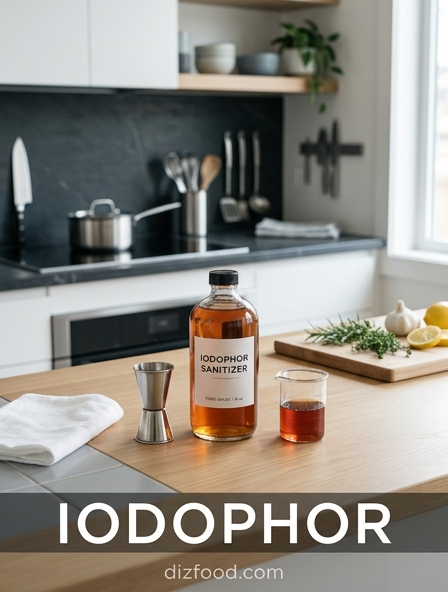
In the world of SCOBY cultivation, sanitation is the boundary between a healthy ferment and a dangerous batch of mold. Because kombucha is a raw, living product, it is susceptible to competition from wild molds and "bad" bacteria found on kitchen surfaces. Maintaining brewery-level standards ensures that only the intended microbes thrive. This begins with the hands and extends to every vessel, spoon, and funnel used in the process. Avoid using antibacterial soaps, which can leave residues that harm the SCOBY. Instead, rely on acidic sanitizers or distilled white vinegar to prep your equipment. Following a strict sanitation protocol is non-negotiable for consistent results:
- Wash all glassware with hot, soapy water and rinse thoroughly.
- Sanitize equipment with a solution of Star San or a vinegar rinse.
- Avoid wooden spoons, as they are porous and can harbor unwanted bacteria.
- Ensure the fermentation area is free of fruit flies and household dust.
- Always wash hands up to the elbows before handling the SCOBY pellicle.
By creating a "sterile-adjacent" environment, you protect the longevity of your culture and the safety of the final beverage.
When to Rack Your Brew
Racking refers to the process of transferring the kombucha from the primary fermentation vessel into bottles or a secondary vessel while leaving the sediment and SCOBY behind. Timing this move is a skill developed through sensory evaluation. If you rack too early, the brew will be overly sweet and lack the probiotic complexity required for a healthy gut tonic. If you rack too late, the liquid becomes overly acidic, resembling vinegar more than tea. Most brewers begin tasting their batch around day five. Look for a flavor that is mostly tart with a very slight lingering sweetness. Several indicators suggest it is time to move the liquid:
- pH Level: A reading between 2.8 and 3.2 is typically the "sweet spot."
- Pellicle Growth: A new layer at least 1/8 inch thick usually indicates completion.
- Aroma: A pleasant, slightly vinegary scent without a heavy punch of alcohol.
- Visual Clarity: The liquid should be slightly translucent, with yeast strands settled at the bottom.
Racking at the peak of flavor ensures that the secondary fermentation has enough energy to carbonate without becoming unpleasantly sour during bottle conditioning.
Enhancing Aroma and Depth
To elevate kombucha from a simple kitchen hobby to an artisanal craft, one must focus on aroma and "length" of flavor. Depth is achieved by layering ingredients that hit different parts of the palate-sweet, sour, bitter, and umami. Aromatics are often the most overlooked component; the olfactory experience begins before the first sip. Utilizing dried botanicals, hops, or even toasted wood chips can introduce complexities usually reserved for fine beers or spirits. For example, adding dried lavender provides a floral high note, while a small amount of oak chips can provide a tannic structure and vanilla finish. To enhance your brew's profile, consider these infusion techniques:
- Cold-steeping delicate herbs like mint or basil for 24 hours.
- Using "Dry Hopping" with Citra or Mosaic hops for citrusy aromas.
- Incorporating peppercorns or cardamom for a spicy, warming back-note.
- Blending different tea varieties (e.g., Oolong and Rooibos) in the primary stage.
Experimenting with these elements allows you to create a "signature" brew that offers a multi-sensory experience beyond basic fruit flavoring.
Bottle Conditioning and Fizz
Bottle conditioning is the final resting phase where the kombucha matures and develops its characteristic effervescence. This period is influenced by the ambient temperature and the amount of fermentable sugars present in the bottle. During this time, the bottles should be kept in a dark, room-temperature environment, away from direct sunlight which can degrade the tea polyphenols. It is a period of high pressure, so using "Grolsch-style" flip-top bottles or heavy-duty fermentation jars is essential to prevent glass failure. The conditioning time varies based on the desired carbonation level. Refer to the table below for general conditioning timelines at 75°F:
| Conditioning Days | Carbonation Level | Best For |
|---|---|---|
| 1 to 2 Days | Light Effervescence | Floral or delicate tea blends |
| 3 to 5 Days | Standard Fizz | Fruit-based kombuchas |
| 6+ Days | High Carbonation | Ginger or root-based flavors |
Once the desired fizz is achieved, moving the bottles to the refrigerator is vital to halt the yeast activity and "set" the CO2 into the liquid for a clean pour.
Troubleshooting Flavor Profiles
Even experienced brewers occasionally encounter a batch that doesn't meet expectations. Troubleshooting involves identifying which part of the SCOBY's symbiotic relationship has shifted out of balance. Common issues include "vinegar-burn," where the bacteria have overproduced acetic acid, or a "sulfur-funk," which often points to stressed yeast or poor water quality. If your brew is too sweet, it likely needs more time or a warmer environment to facilitate complete fermentation. Conversely, if it lacks any "bite," the SCOBY may be aging and in need of a "SCOBY Hotel" rest. Use this checklist to diagnose common flavor faults:
- Bitter Aftertaste: Over-steeped tea or using tea with too many tannins.
- Plastic or Chemical Taste: Use of tap water with high chlorine content.
- Flat Flavor: Insufficient sugar in the second ferment or loose bottle seals.
- Cloudy Liquid: High yeast population or use of unfiltered fruit juices.
Most flavor issues can be corrected in future batches by adjusting the temperature, shortening the steep time of the tea, or refreshing the starter liquid with a more vibrant, younger culture.

Comments