
Understanding Coffee Extraction Science
Coffee extraction is the chemical process wherein water dissolves flavors, oils, and aromatic compounds from roasted coffee grounds. This scientific phenomenon determines the quality of your morning cup. When hot water comes into contact with coffee, it acts as a solvent, pulling out organic acids, sugars, and eventually heavier bitter compounds. The goal of a skilled barista is to achieve an optimal extraction yield, typically falling between 18% and 22% of the coffee's total weight.
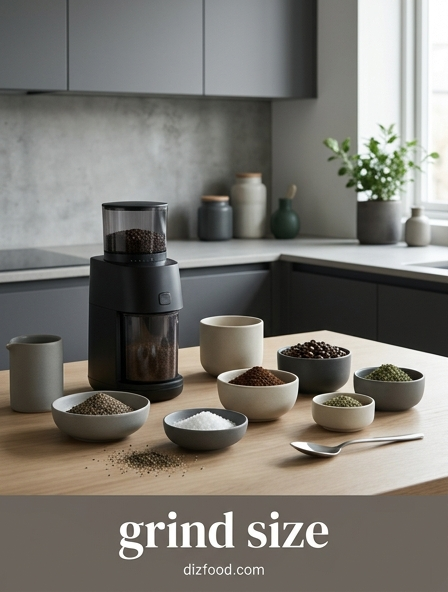
Grind size serves as the primary variable in controlling this rate of dissolution. Because water can only penetrate the coffee particles to a certain depth within a specific timeframe, the size of the grounds dictates how much "stuff" is removed. If the grounds are too large, the water cannot reach the center of the particle, leading to a wasted product. Conversely, if the grounds are too small, the water extracts every available compound, including those that are undesirable. Balancing this extraction is a delicate dance of chemistry and physics that occurs inside the brewing vessel.
Surface Area and Water Contact
The concept of surface area is fundamental to understanding how grind size influences the speed of extraction. When you grind a whole coffee bean, you are essentially increasing the total surface area exposed to the water. A single bean broken into a thousand tiny pieces provides significantly more contact points for the water to begin the work of dissolution than a bean broken into only ten pieces.
Think of it as the difference between trying to dissolve a large block of ice versus a bowl of crushed ice. The crushed ice melts faster because more of it is touching the surrounding environment. In coffee brewing, fine grounds offer a massive surface area, allowing water to strip away flavors almost instantly. Coarser grounds, such as those used in a French press, require significantly more time for the water to migrate into the core of the particle and carry the flavor back out into the liquid. This relationship dictates why different brewing devices require specific textures to achieve the same level of flavor concentration and strength.
Matching Grind Size to Brewing Method
Every brewing method utilizes a unique combination of pressure, gravity, and time to produce coffee. Consequently, each method requires a specific grind size to ensure the water moves through the coffee at the correct speed. Selecting the wrong grind for a specific device will almost always result in a poor-tasting cup. The table below outlines the standard industry recommendations for common brewing tools:
| Brewing Method | Grind Texture | Approximate Particle Size |
|---|---|---|
| French Press | Coarse | Sea Salt consistency |
| Chemex / Drip | Medium-Coarse | Kosher Salt consistency |
| Hario V60 | Medium-Fine | Table Salt consistency |
| Espresso | Fine | Powdered Sugar / Flour |
| Turkish Coffee | Extra Fine | Dust / Talc |
Matching these textures allows the water to interact with the coffee for the ideal duration. For instance, espresso uses high pressure to force water through fine grounds in 30 seconds, whereas a French press relies on four minutes of immersion with coarse grounds.
The Impact on Flavor Balance
Flavor extraction follows a specific chronological order: first come the fruit acids and salts, then the sugars and sweetness, and finally the heavy plant fibers and bitter tannins. Grind size acts as the accelerator or decelerator for this timeline. When the grind size is perfectly calibrated, you achieve a balanced cup that displays the bright acidity of the bean, backed by a pleasant sweetness and a clean finish.
If the grind is inconsistent or poorly matched to the method, the flavor balance shifts dramatically. A balanced cup is often described as having "clarity," meaning you can taste the specific notes of the coffee's origin, such as citrus, chocolate, or jasmine. If the grind is too fine for the method, the sweetness is overshadowed by harshness. If it is too coarse, the sweetness never fully develops, leaving the cup tasting empty and sharp. Mastering grind size is essentially the act of stopping the extraction precisely when the sugar levels are at their peak and before the bitter notes begin to dominate the profile.
Avoiding Bitter Over Extraction
Over-extraction occurs when the water has pulled too much material from the coffee grounds, specifically the heavy, astringent compounds found in the cell walls of the bean. This is most commonly caused by using a grind size that is too fine for the brewing method or leaving the grounds in contact with water for too long. The result is a cup that tastes excessively bitter, dry, and often "burnt," even if the roast itself is light.
When grounds are too small, they provide very little resistance to extraction but high resistance to flow. This means the water stays in contact with the particles for an extended period, leaching out tannins and polyphenols that create a dry sensation on the tongue. To fix this, you must increase the particle size. By coarsening the grind, you reduce the available surface area, slowing down the extraction process and allowing the water to flow through the bed of coffee more freely. This adjustment helps bypass the bitter stage of the extraction cycle, resulting in a much smoother and more palatable beverage.
Preventing Sour Under Extraction
Under-extraction is the opposite of over-extraction; it happens when the water has not had enough opportunity to pull the sweetness and body out of the coffee. This frequently occurs when the grind size is too coarse for the chosen brewing time. Because the acids in coffee are the first elements to dissolve, an under-extracted cup is dominated by sharp, sour, and sometimes even salty flavors. It often lacks body and feels thin or "watery" in the mouth.
To prevent this, you must increase the surface area by making the grind finer. Smaller particles allow the water to penetrate the center of the coffee grounds more quickly, accessing the sugars and oils that provide balance to the initial acidity. If you find your pour-over or espresso tastes sharp like a lemon or has a vinegary bite, your grind is likely too coarse. Adjusting the grinder to a finer setting will slow the water down and increase the extraction rate, transforming that sourness into a pleasant, vibrant acidity supported by a rich, sweet foundation.
Role of Particle Size Uniformity
The consistency of your grind is arguably more important than the size itself. High-quality burr grinders are designed to produce uniform particles, whereas cheaper blade grinders create a mixture of "fines" (micro-dust) and "boulders" (large chunks). This lack of uniformity leads to uneven extraction, where the fines over-extract and become bitter, while the boulders under-extract and stay sour. This creates a muddy, confusing flavor profile in the cup.
- Fines: These tiny particles clog filters and extract instantly, adding unwanted bitterness.
- Boulders: These large pieces never fully saturate, leading to wasted potential and sour notes.
- Uniformity: Consistent particles ensure that every grain of coffee finishes extracting at the exact same time.
Achieving a uniform grind ensures that you can accurately "dial in" your coffee. When all particles are the same size, a single adjustment to the grinder affects the entire batch equally. This predictability is what allows professional baristas to repeat high-quality results consistently, ensuring that every cup meets the same flavor standards without the interference of stray bitter or sour notes caused by uneven grinding.
Controlling Brew Time and Flow Rate
In percolation methods like drip coffee or espresso, the bed of coffee grounds acts as a filter that regulates the speed of the water. This is known as the flow rate. The grind size determines how much resistance the water encounters. A fine grind packs together tightly, creating a dense barrier that slows the water down, thereby increasing contact time. A coarse grind creates larger gaps between particles, allowing water to rush through quickly with minimal resistance.
- Slow Flow: Caused by fine grinds; increases contact time and extraction.
- Fast Flow: Caused by coarse grinds; decreases contact time and extraction.
- Resistance: The physical pressure created by the density of the grounds.
By adjusting the grind, you are essentially adjusting a valve. If your brew is finishing too quickly (e.g., a 15-second espresso shot), you must grind finer to create more resistance. If your brew is stalling or taking too long (e.g., a six-minute pour-over), you must grind coarser to allow the water to pass through more efficiently. This control is vital for balancing strength and flavor extraction.
How Roast Level Affects Grinding
The roast level of a coffee bean significantly changes its physical structure and solubility, which in turn necessitates adjustments to your grind size. As coffee is roasted longer, it becomes more porous and brittle. Darker roasts have undergone more heat-induced chemical changes, making them much easier for water to dissolve. Conversely, light roasts are denser, tougher, and less soluble, requiring more effort to extract flavor.
When working with dark roasts, it is often beneficial to use a slightly coarser grind than usual. Because dark beans are so soluble, they can easily become over-extracted and bitter if ground too finely. Light roasts, however, often benefit from a finer grind. The increased surface area helps the water penetrate the dense cellular structure of the bean, allowing you to extract the complex acids and sugars that might otherwise remain trapped inside. Understanding this relationship helps you adapt your technique to the specific bag of coffee you are using, ensuring that you treat every roast with the specific care it requires to shine.
Achieving Consistent Results at Home
Consistency is the hallmark of a great home barista. To achieve this, you must treat the grind size as a measurable variable rather than a guess. Investing in a quality burr grinder is the most significant step toward better coffee, as it provides the uniformity necessary for predictable results. Beyond equipment, keeping a brew journal can help you track how different grind settings affect the taste of specific beans over time.
Regular maintenance is also crucial for consistency. Coffee oils and tiny particles can build up inside the grinder, affecting the flavor and the mechanical precision of the burrs. Cleaning your grinder every few weeks ensures that old, stale grounds don't contaminate your fresh brew. Finally, always grind your coffee fresh, immediately before brewing. Once coffee is ground, the increased surface area leads to rapid oxidation, causing the delicate aromatic compounds to dissipate within minutes. By grinding fresh and maintaining your equipment, you ensure that the scientific principles of extraction work in your favor every single morning, leading to a consistently delicious and professional-grade cup of coffee at home.



Comments