
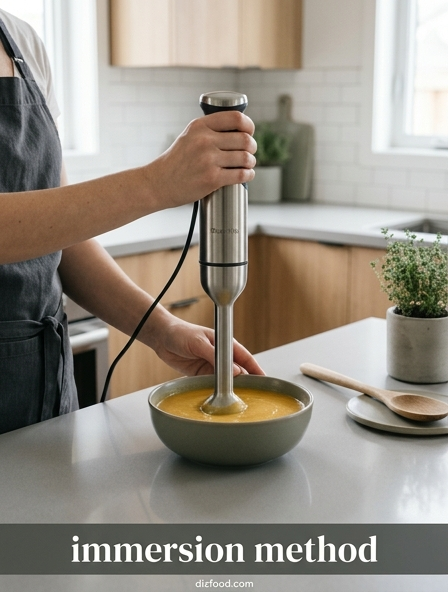
Understanding Immersion Brewing Basics
Immersion brewing is a fundamental culinary technique where coffee grounds remain in constant, direct contact with water for the entire duration of the extraction process. Unlike percolation methods, where water passes through a bed of coffee, immersion allows for a uniform distribution of heat and saturation. This method is celebrated for its simplicity and the forgiving nature of the extraction, as the rate of soluble solids being pulled into the water slows down naturally over time. By saturating the grounds completely, the chemical reaction between the water and coffee becomes more balanced, often resulting in a beverage with a heavier body and a more substantial mouthfeel.
- Uniform Saturation: Every particle is submerged simultaneously, ensuring consistent flavor development.
- Passive Extraction: The process relies on time rather than the technique of the pour.
- Solubility Management: Higher extraction of lipids and oils that are often trapped by paper filters.
- Versatility: This technique applies to French presses, Clever drippers, and even cold brew applications.
The result is a robust cup that highlights the intrinsic sweetness and complexity of the coffee bean, making it a favorite for those who prioritize texture and depth over clarity.
Immersion vs Drip Extraction Comparison
The distinction between immersion and drip brewing lies primarily in the physics of fluid dynamics and how they impact flavor profiles. In drip brewing, fresh water constantly enters the coffee bed and exits, creating a high concentration gradient that aggressively pulls out acidity and bright notes. Conversely, immersion brewing creates an equilibrium where the water becomes saturated with coffee solids, slowing down the extraction as time progresses. This leads to a smoother, less acidic profile with a more prominent presence of chocolate and nutty notes. The following table highlights the core differences between these two popular kitchen methods.
| Feature | Immersion Method | Drip (Percolation) |
|---|---|---|
| Extraction Style | Total Submersion | Continuous Flow |
| Body/Mouthfeel | Heavy and Syrupy | Light and Tea-like |
| Clarity of Flavor | Lower (Rich Complexity) | Higher (Distinct Notes) |
| Margin for Error | High (Very Forgiving) | Low (Technique Sensitive) |
| Filtration | Metal or Mesh | Paper Filter |
Choosing between them depends on whether a barista desires the crisp, highlighted acidity of a pour-over or the comforting, velvety richness of an immersion brew.
Essential Equipment for Full Body Coffee
To achieve professional-grade results with immersion brewing, selecting the right equipment is paramount. The primary vessel, such as a French press or a vacuum pot, must be constructed of materials that retain heat effectively, such as borosilicate glass, stainless steel, or thick ceramic. Because the coffee stays in contact with the water for several minutes, temperature stability is a critical factor in preventing the "sour" taste associated with under-extraction. Beyond the brewing vessel, a high-quality burr grinder is indispensable to ensure uniformity in particle size, which prevents fine particles from over-extracting while larger chunks remain dry inside.
- French Press: The classic choice for full-bodied coffee using a metal mesh filter.
- AeroPress: A versatile tool that combines immersion with pressure-driven filtration.
- Digital Scale: Essential for maintaining precision in coffee-to-water weight ratios.
- Precision Timer: Critical for monitoring the exact contact time to avoid bitterness.
- Thermal Carafe: Used for immediate decanting to stop the extraction process once complete.
Investing in these tools allows the home brewer to control every variable, transforming a simple kitchen routine into a refined culinary art form.
Optimal Grind Size for Immersion Methods
Grind size serves as the most influential variable in immersion brewing, determining the total surface area available for extraction. Because immersion methods typically involve a longer contact time than drip methods, a coarser grind is generally preferred. When coffee is ground coarsely-resembling sea salt-the water takes longer to penetrate the center of the particles, which aligns perfectly with a four-to-five-minute steeping window. If the grind is too fine, the high surface area will cause the coffee to over-extract rapidly, leading to an unpleasantly bitter and astringent taste. Furthermore, fine grounds can easily bypass metal mesh filters, resulting in a silty, muddy cup.
Finding the "sweet spot" involves balancing extraction and clarity. A medium-coarse setting is often the best starting point for devices like the French press. If the coffee tastes weak or watery, a slight adjustment toward a finer setting can increase the strength. Conversely, if the brew is harsh or dry on the tongue, moving back to a coarser setting will soften the flavor profile. Consistency is the goal; even a few stray "fines" can significantly muddy the final product, which is why a burr grinder is vastly superior to a blade grinder in this specific context.
Perfecting the Water to Coffee Ratio
The ratio of coffee to water is the mathematical foundation of a successful immersion brew. It dictates the strength and intensity of the beverage, allowing the brewer to calibrate the flavor to their personal preference. In the kitchen, using a digital scale to measure by weight (grams) is far more accurate than using volumetric measurements like scoops or tablespoons, which can vary based on bean density and roast level. A common starting point for immersion is a 1:15 ratio, meaning one gram of coffee for every fifteen grams of water. This creates a bold, intense cup that highlights the body and oils of the bean.
- Measure the Coffee: Start with 30 grams of medium-coarse coffee grounds.
- Calculate Water: Multiply the coffee weight by your desired ratio (e.g., 30g x 15 = 450g of water).
- Adjust for Strength: If the 1:15 ratio is too strong, try 1:16 or 1:17 for a lighter, more delicate profile.
- Consistency Check: Record your findings to replicate the perfect cup every single morning.
By mastering these ratios, you ensure that the coffee is neither too concentrated nor too diluted, resulting in a balanced extraction that showcases the bean's origin characteristics and the immersion method's unique texture.
The Importance of Steeping Time Control
Time is the primary catalyst in immersion brewing, functioning as the "on-off switch" for flavor extraction. Unlike drip brewing, where the speed of water flow is dictated by gravity and grind resistance, immersion allows the brewer to choose exactly when the extraction ends. Most professionals agree that four minutes is the standard baseline for a French press or similar device. During the first minute, the water extracts acids and light sugars; by the fourth minute, the heavier sugars and complex compounds have fully dissolved into the liquid. Precision is necessary because even an extra sixty seconds can lead to the extraction of unwanted tannins.
Controlling this variable requires a simple digital timer and a focused workflow. Once the water is added to the grounds, the clock starts. Some advanced techniques suggest a "break and clean" approach at the four-minute mark, where the surface crust of grounds is agitated and then allowed to settle for an additional few minutes. While the coffee is still technically immersing during this settling phase, the rate of extraction drops significantly as the temperature cools. Monitoring these temporal shifts allows for a customized experience, ensuring the brew is pulled at the peak of its flavor window before bitterness takes hold.
Advanced French Press Brewing Techniques
While the basic French press method is straightforward, advanced techniques can elevate the results to a professional level. One popular approach involves the "no-press" method, which focuses on minimizing agitation to produce a cleaner cup. Instead of immediately plunging the filter after four minutes, the brewer breaks the "crust" of coffee floating on top with a spoon, allowing the grounds to sink naturally to the bottom. Any remaining foam or floating bits are skimmed off the top to remove bitter elements and fine particulates that contribute to siltiness. This patience results in a much clearer beverage that retains the immersion body without the grit.
- The Bloom: Pour a small amount of water over the grounds and wait 30 seconds to release trapped CO2.
- The Main Pour: Gently add the remaining water to ensure all grounds are fully submerged.
- The Break: At four minutes, stir the top layer gently to settle the grounds.
- The Skim: Use two spoons to remove the light-colored foam and floating oils from the surface.
- The Wait: Allow the coffee to sit for another 5 minutes before gently lowering the plunger just to the surface.
This method significantly reduces sediment and allows the flavors to stabilize, producing a sophisticated and exceptionally smooth cup of coffee.
Unlocking Richer Flavor Profiles
To truly unlock the richness of immersion-brewed coffee, one must look beyond the beans and consider the chemistry of the water and the roast level. Immersion thrives with medium to dark roasts, as the long contact time excels at extracting the caramelized sugars and toasted notes characteristic of these profiles. However, lighter roasts can also shine if the water temperature is increased slightly to compensate for the denser bean structure. Water quality is equally important; since coffee is 98% water, using filtered water with a balanced mineral content will prevent "flat" flavors and allow the natural brightness of the coffee to emerge.
- Temperature Control: Aim for 200°F to 205°F for lighter roasts, and 190°F to 195°F for darker roasts.
- Agitation: A gentle stir after pouring ensures no dry pockets remain, promoting even flavor.
- Freshness: Use beans roasted within the last two to four weeks for maximum aromatic impact.
- Decanting: Transfer the coffee to a different vessel immediately after brewing to stop further extraction.
By paying attention to these subtle nuances, a kitchen enthusiast can move from making "good" coffee to crafting a sensory experience that rivals the world's best specialty cafes.
Troubleshooting Common Brewing Issues
Even with the best equipment, immersion brewing can occasionally yield suboptimal results. The most frequent complaint is "muddy" or "silty" coffee, which is usually a result of an inconsistent grind or plunging too aggressively. If the plunger is difficult to push down, it is a clear indication that the grind is too fine, which can lead to over-extraction and bitterness. Conversely, if the plunger falls with no resistance, the grind is likely too coarse, resulting in a weak, sour, and under-extracted brew. Understanding these physical cues is the first step toward correcting the process for the next session.
Another common issue is a lack of heat, resulting in a lukewarm beverage that tastes flat. Pre-heating the brewing vessel with hot water before adding the grounds can solve this problem instantly. If the coffee tastes metallic or "off," it may be due to old coffee oils trapped in the mesh filter or the seal of the plunger. Regular deep cleaning is necessary to prevent these oils from becoming rancid and tainting future brews. By systematically adjusting one variable at a time-grind, time, or temperature-most issues can be identified and resolved, ensuring a consistently delicious result every time you use the immersion method.
Maintenance Tips for Professional Results
Proper maintenance of immersion brewing equipment is essential for preserving the integrity of the coffee's flavor. Over time, coffee oils and fine particulates accumulate in the nooks and crannies of the filter assembly, particularly in the mesh screen and the spiral spring of a French press. If these residues are not removed, they will oxidize and impart a stale, bitter taste to every subsequent cup. A professional maintenance routine involves disassembling the entire plunger mechanism after every use and washing each component with warm, soapy water or a dedicated coffee equipment cleaner that breaks down organic proteins.
- Daily Rinse: Disassemble the filter and rinse all parts thoroughly to remove visible grounds.
- Weekly Deep Clean: Soak the metal parts in a solution of water and espresso machine cleaner.
- Glass Care: Check the carafe for hairline fractures, which can lead to heat loss or breakage under pressure.
- Filter Replacement: Replace the metal mesh screen every six to twelve months if it becomes frayed or misshapen.
- Dry Storage: Ensure all components are completely dry before reassembling to prevent mold or odors.
By treating your brewing tools with the same respect as a chef treats their knives, you guarantee that the only flavors in your cup are the ones intended by the roaster.


Comments