
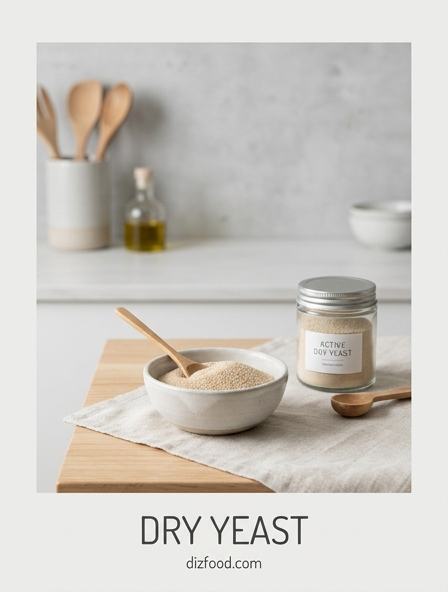
Benefits of Dry Yeast Longevity
Dry yeast is a powerhouse of kitchen convenience primarily due to its incredible longevity. Unlike its fresh counterpart, which typically spoils within a few weeks, dry yeast undergoes a specialized dehydration process that puts the microorganisms into a state of dormancy. This allows the product to remain viable for months or even years when kept in the proper environment. For the home baker who does not bake daily, this longevity is a massive advantage, ensuring that a reliable leavening agent is always available without constant trips to the store.
The stability of dry yeast means it can survive temperature fluctuations during shipping and storage far better than live, hydrated cultures. Because nearly all moisture is removed, the risk of mold growth or premature activation is significantly reduced. This reliability makes it a staple in emergency food supplies and long-term pantry planning. When you purchase dry yeast in vacuum-sealed packets, you are essentially buying a biological insurance policy for your baking projects, knowing that the granules will spring to life the moment they are introduced to warm water and nutrients.
Comparing Dry and Fresh Yeast
When deciding between dry and fresh yeast, bakers must consider potency, shelf life, and ease of use. Fresh yeast, often referred to as cake yeast, is moist and highly perishable, whereas dry yeast is concentrated and shelf-stable. The conversion ratio is a critical factor in successful recipe adaptation; generally, dry yeast is much more potent, requiring only about one-third of the weight of fresh yeast to achieve the same leavening power.
| Feature | Fresh Yeast | Dry Yeast |
|---|---|---|
| Moisture Content | High (approx. 70%) | Low (approx. 5%) |
| Shelf Life | 1-3 weeks | 1-2 years |
| Preparation | Crumble into liquid | Bloom or mix direct |
| Storage | Refrigerated | Cool, dry pantry |
While some professional bakers argue that fresh yeast provides a more nuanced, sweet flavor and better performance in high-sugar doughs, dry yeast offers a level of consistency that is hard to match in a non-commercial setting. Dry yeast is less sensitive to slight variations in kitchen temperature during the storage phase, making it the more practical choice for most households.
Storage Tips for Extended Freshness
To maximize the lifespan of dry yeast, one must carefully manage its exposure to oxygen, heat, and moisture. Once a vacuum-sealed package is opened, the yeast begins to lose its potency as it interacts with the environment. Proper storage techniques are essential for maintaining the vigor of the cells over several months. Many bakers choose to transfer bulk yeast into airtight glass jars to prevent moisture ingress and oxidation.
- Store unopened packets in a cool, dark place like a pantry or climate-controlled cellar.
- Once opened, keep the yeast in an airtight container in the refrigerator to slow down cellular degradation.
- For long-term storage exceeding six months, dry yeast can be kept in the freezer without harming the cells.
- Always allow frozen yeast to come to room temperature before attempting to hydrate or mix it.
- Label containers with the date of purchase and the date of opening to track viability accurately.
By adhering to these storage protocols, you can extend the efficacy of the yeast well beyond the manufacturer's "best by" date. Testing the yeast by blooming a small amount in warm water is recommended if it has been stored for an extended period.
Why Instant Yeast Saves Time
Instant yeast, a specific subspecies of dry yeast, is a revolutionary time-saver in modern kitchens. The primary difference lies in the size of the granules and the manufacturing process. Instant yeast is milled into much smaller particles than active dry yeast, which allows it to dissolve and activate almost immediately upon contact with moisture. This eliminates the need for "blooming"-the traditional step of soaking yeast in warm water before adding it to flour. Bakers can simply whisk the instant yeast directly into the dry ingredients, streamlining the mixing process significantly.
This "no-step" activation is particularly beneficial for bread machines, where ingredients are often added in a specific order and left to sit. Furthermore, instant yeast is engineered to produce carbon dioxide more rapidly during the initial stages of fermentation, often resulting in a faster first rise. For busy home cooks or commercial operations looking to increase throughput, the minutes saved by skipping the hydration phase and benefiting from accelerated fermentation cycles add up to significant efficiency gains without compromising the structural integrity or the flavor profile of the final loaf.
Reliability in Home Brewing Cycles
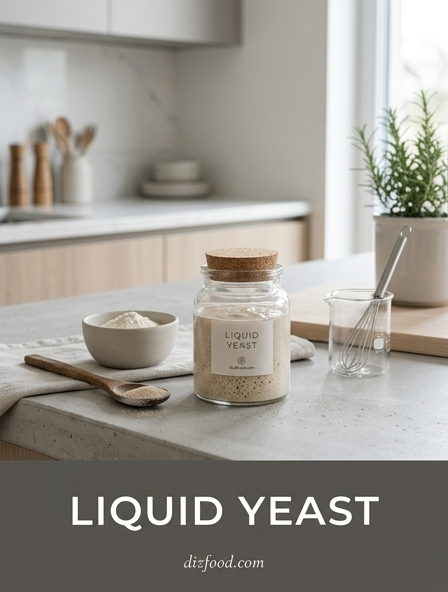
In the realm of home brewing, dry yeast cultures provide a level of reliability and repeatability that is essential for perfecting beer and cider recipes. While liquid yeast strains offer a wider variety of specialized flavor profiles, dry brewing yeast is prized for its high cell count and resilience. It is manufactured under strict conditions to ensure that every gram contains a predictable number of viable cells, which simplifies the process of pitching the correct amount for a specific batch volume.
- Choose a strain that matches your desired beer style, such as ale, lager, or wheat beer.
- Rehydrate the yeast in sterilized, lukewarm water if recommended by the manufacturer instructions.
- Maintain consistent fermentation temperatures to avoid the development of off-flavors or esters.
- Observe the airlock activity and gravity readings to gauge the health of the fermentation cycle.
The predictability of dry yeast reduces the risk of "stuck" fermentations where the yeast fails to consume all the sugars. The ease of keeping several different dry yeast strains in the refrigerator allows brewers to be spontaneous with their brew days, confident that their leavening agent will perform exactly as expected.
Cost Effectiveness of Dry Cultures
Analyzing the cost-effectiveness of dry yeast reveals significant savings for both hobbyists and professionals. When purchased in bulk, such as one-pound vacuum-sealed bags, the price per teaspoon of dry yeast is a fraction of what one pays for individual paper sachets at the grocery store. Because dry yeast is highly concentrated, a small amount goes a long way, and its long shelf life means that very little product is ever wasted due to expiration. In contrast, fresh yeast must be used quickly, often leading to discarded portions.
For those who bake several times a week, switching from small packets to bulk dry yeast can reduce annual leavening costs by over seventy percent. Furthermore, the reduced weight and volume of dry yeast lower shipping and distribution costs, which is often reflected in a lower retail price. This economic efficiency does not come at the expense of quality; high-quality dry cultures from reputable manufacturers provide professional-grade results. By investing in a single large bag and storing it correctly in the freezer, a kitchen can remain stocked with a potent leavening agent for a very low capital outlay over many months.
Consistent Fermentation for Every Batch
Achieving consistent fermentation is the hallmark of a skilled baker, and dry yeast is the most effective tool for reaching this goal. Because dry yeast is produced in large, standardized batches, its potency is uniform throughout the entire package. This allows for precise measurements and predictable rise times, which is essential when following a strict kitchen schedule. When using fresh yeast, the age and storage conditions of the cake can lead to variations in activity levels, making it difficult to time the bake perfectly.
Consistency is also aided by the yeast's tolerance to various environmental factors. Dry yeast is designed to be hardy, meaning it can withstand slight errors in water temperature or ambient humidity better than more delicate cultures. This robustness ensures that whether you are baking in a humid summer or a dry winter, the fermentation curve remains relatively flat. By removing the guesswork from the leavening process, dry yeast allows the baker to focus on other variables like hydration levels, flour types, and crust development, leading to a superior and repeatable final product every time the oven is turned on.
Easy Pantry Storage Solutions
Organizing a kitchen for maximum efficiency requires smart storage solutions, and dry yeast is perfectly suited for space-saving pantry management. Because it is a dry, granular product, it can be stored in a variety of containers that maximize shelf space and accessibility. Unlike bulky refrigerated items, dry yeast packets are slim and can be filed in small bins or magnetic spice tins. For those who buy in bulk, transferring the yeast to labeled, airtight containers ensures that the product remains fresh while fitting neatly into a modular system.
- Use clear glass jars to easily monitor the remaining quantity of yeast at a glance.
- Utilize vacuum-sealing canisters to remove excess air and prolong the viability of the cells.
- Store small packets in an over-the-door organizer for quick access during recipe preparation.
- Keep a small "working jar" in the refrigerator and the main supply in the freezer for safety.
The compact nature of dry yeast means it takes up minimal real estate, leaving more room for bulky items like flour and sugar. This ease of organization helps prevent "lost" ingredients at the back of the cupboard, ensuring that you always know your inventory levels.
Mastering Dough Rise with Dry Yeast
Mastering the dough rise with dry yeast involves understanding the critical relationship between temperature, time, and sugar. While instant yeast can be mixed directly into dry ingredients, active dry yeast benefits from a short blooming period to "wake up" the dormant cells. This step involves stirring the yeast into warm water-ideally between 105°F and 115°F-along with a pinch of sugar. The sugar acts as immediate fuel, and the resulting foam confirms the yeast is active and ready.
To achieve the perfect rise, bakers must control the ambient temperature. A warm, draft-free environment encourages the yeast to work efficiently. however, a slower rise in a cooler environment can often lead to better flavor development, as the yeast has more time to produce organic acids and complex esters. Mastering this balance allows the baker to manipulate the texture of the bread, from the light structure of a brioche to the chewy crumb of a rustic loaf. Understanding that dry yeast is a living organism that responds precisely to its environment is the first step toward consistent baking success and a perfect crust.
Versatility Across Kitchen and Brewery
The versatility of dry yeast extends far beyond the standard loaf of white bread, making it an indispensable asset in both the kitchen and the home brewery. In the culinary world, dry yeast is the driving force behind pizza doughs, cinnamon rolls, pretzels, and even certain types of pancakes and waffles. Its ability to thrive in various dough environments-whether high-fat, high-sugar, or high-hydration-demonstrates its incredible biological adaptability.
| Application | Role of Yeast | Key Benefit |
|---|---|---|
| Artisan Bread | Leavening & Flavor | Strong gluten support |
| Sweet Pastry | Texture & Rise | Tolerance to sugar |
| Pizza Crust | Elasticity & Char | Rapid gas production |
| Home Brewing | Alcohol Conversion | Clean fermentation |
Beyond baking, specialized dry yeast strains are used to ferment fruit juices into cider or malt extracts into a wide array of beer styles. This multi-purpose nature means that a single pantry staple can serve various creative outlets. Whether you are aiming for a crisp lager or a fluffy focaccia, dry yeast provides the engine necessary to transform simple ingredients into complex, flavorful foods and beverages. Its reliable performance across these different disciplines makes it a foundational component of modern food craft.



Comments