
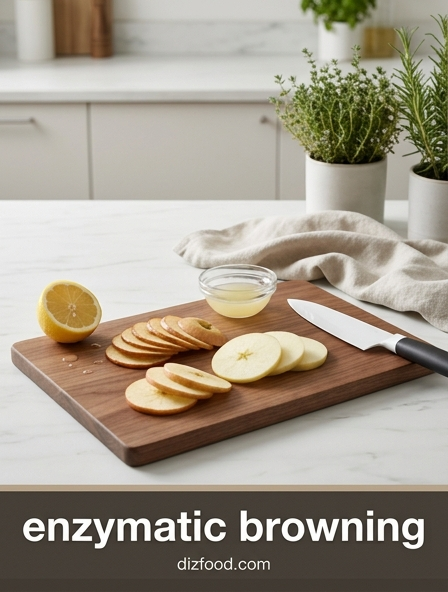
Blanching Techniques for Enzyme Deactivation
Blanching serves as a primary thermal intervention to halt the metabolic activities that lead to food spoilage and discoloration. By exposing produce to high temperatures for a calculated duration, the specific proteins known as polyphenol oxidase are denatured, rendering them unable to catalyze the oxidation of phenols. This process is essential for preparing vegetables for long-term storage, as it stabilizes the cellular matrix against enzymatic breakdown.
- Water Blanching: Submerging food in boiling water at 212°F (100°C) to achieve rapid core temperature elevation.
- Microwave Blanching: Utilizing electromagnetic radiation to vibrate water molecules, though often less uniform than liquid immersion.
- Chemical Blanching: Supplementing heat with compounds like calcium chloride to maintain structural firmness while deactivating enzymes.
- Oil Blanching: Often used in potato preparation to deactivate surface enzymes while simultaneously initiating the par-cooking process.
Proper execution requires a delicate balance; insufficient heat allows residual enzyme activity to persist, while excessive heat results in the degradation of texture and the leaching of water-soluble vitamins. The success of deactivation is often tested using a peroxidase indicator, ensuring the heat has reached the geometric center of the food item.
Acidic Solutions to Prevent Oxidation
The application of acidic solutions is a classic chemical approach to inhibiting enzymatic browning in the kitchen. Polyphenol oxidase, the enzyme responsible for the brown pigments seen in cut apples or avocados, functions optimally at a neutral pH. By introducing an acidic environment, the enzyme's molecular structure is altered, significantly slowing its reaction rate. This technique is particularly effective for raw preparations where heat application is undesirable.
| Acid Source | Active Component | Primary Kitchen Use |
|---|---|---|
| Lemon Juice | Citric Acid | Sliced fruits and white vegetables |
| Vinegar | Acetic Acid | Pickling and potato pre-soaking |
| Cream of Tartar | Tartaric Acid | Boiling water additive for cauliflower |
| Pineapple Juice | Ascorbic Acid / Bromelain | Tropical fruit salads |
Beyond pH manipulation, many acidic fruits contain ascorbic acid, which acts as a reducing agent. It reverses the initial oxidation step by converting quinones back into phenols before they can polymerize into dark pigments. This dual-action mechanism provides a robust defense against atmospheric oxygen during prep work.
Precision Boiling Times for Color Stability
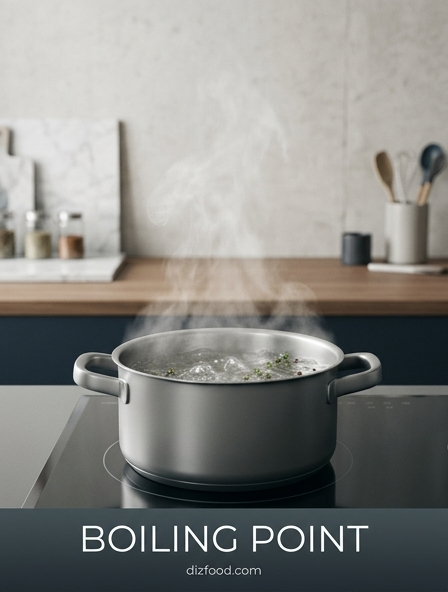
Achieving color stability through boiling requires strict adherence to temporal parameters. When vegetables are introduced to boiling water, the heat immediately begins to impact the chloroplasts and cellular membranes. Within the first minute, the air trapped between cells is expelled, resulting in a more vivid appearance. However, if the boiling continues beyond the optimal window, organic acids are released from the vacuoles, leading to the chemical replacement of magnesium in chlorophyll with hydrogen, causing a dull olive-drab color.
- Initial Immersion: Water must be at a rolling boil to minimize the time taken to return to temperature.
- Vibrant Phase: Usually occurs between 60 and 180 seconds, where pigments are most saturated.
- Enzyme Death Point: The specific second when the internal temperature hits approximately 160°F to 180°F.
- Texture Evaluation: Monitoring the breakdown of pectin to ensure the vegetable remains "al dente."
Precision timing varies significantly based on the surface-area-to-volume ratio of the ingredient. Thinly sliced zucchini may require only 45 seconds, while dense broccoli florets may need a full three minutes to ensure the enzymes in the thick stems are fully neutralized without overcooking the delicate buds.
Saltwater Pretreatment for Vibrant Pigments
Saltwater pretreatment, or brining, is a sophisticated method used to preserve the aesthetic integrity of vegetables. When produce is soaked in a mild saline solution, a process of osmosis occurs that strengthens the cell walls. Specifically, sodium ions interact with the pectin within the cell walls, helping to keep the structure intact during subsequent cooking processes. This prevents the "mushy" texture and color leaching often associated with direct boiling.
- Inhibition: Salt acts as a mild enzyme inhibitor, slowing the rate at which polyphenol oxidase reacts with oxygen.
- Pigment Retention: Saline environments help stabilize anthocyanins in red and purple vegetables.
- Deaeration: The brine helps displace oxygen from the surface of the produce, reducing the potential for oxidative browning.
Furthermore, saltwater helps to draw out certain bitter compounds and excess moisture from high-water-content vegetables like eggplant. This allows for a more concentrated flavor and a more resilient pigment profile when the vegetable is eventually exposed to heat or air. A 2% salt concentration is generally sufficient for most kitchen pretreatment applications.
Ice Bath Shocking for Instant Fixation
The transition from a boiling environment to an ice bath, known as "shocking" or "refreshing," is critical for halting the cooking process instantly. Even after removal from a heat source, internal temperatures remain high enough to continue the degradation of pigments and the softening of tissues. By plunging the items into a vessel of ice and water, the thermal energy is rapidly dissipated, locking in the bright colors achieved during the brief blanching phase.
- Immediate Transfer: Use a slotted spoon or spider to move items directly from boiling water to ice.
- Agitation: Move the vegetables within the ice bath to ensure cold water contacts all surfaces.
- Submersion Duration: Keep the items submerged only until they are cold to the touch; over-soaking can lead to waterlogging.
- Drainage: Thoroughly dry the produce after shocking to prevent surface dilution of flavors.
This rapid cooling is particularly vital for green vegetables. It prevents the prolonged exposure to heat that would otherwise facilitate the conversion of chlorophyll to pheophytin. The result is a crisp texture and a neon-bright green that remains stable even when the food is later reheated or served cold in salads.
Oxygen Exclusion Methods in Kitchen Prep
Since enzymatic browning requires oxygen as a primary reactant, excluding it from the surface of cut produce is a highly effective prevention strategy. In a professional kitchen, this is often achieved through physical barriers that separate the phenolic compounds from the surrounding atmosphere. By removing the oxygen component of the reaction, the enzyme polyphenol oxidase remains dormant regardless of the cellular damage caused by slicing or peeling.
- Water Submersion: Storing cut potatoes or apples completely underwater to create a physical oxygen barrier.
- Vacuum Sealing: Utilizing chamber vacuum sealers to remove all air from the packaging.
- Oil Coating: Tossing ingredients in a light layer of oil to seal the cut surfaces.
- Plastic Wrap: Pressing film directly against the surface of purees (like guacamole) to eliminate air pockets.
While water submersion is the most common technique, it can lead to the loss of water-soluble nutrients over long periods. Therefore, vacuum sealing is often preferred for high-end prep, as it maintains the ingredient's integrity and flavor concentration while providing a near-perfect vacuum that halts oxidative processes entirely until the seal is broken.
Natural Antioxidant Barriers for Freshness
Utilizing natural antioxidants found in common kitchen ingredients provides a flavorful and effective way to combat enzymatic browning. These substances work by sacrificing themselves to oxidation or by interfering with the enzyme's active site. Unlike harsh chemical preservatives, these natural barriers often enhance the final flavor profile of the dish while maintaining a "clean label" approach to food preparation.
| Natural Barrier | Active Agent | Application Method |
|---|---|---|
| Honey Water | Peptides | Dipping fruit slices in a 1:10 honey-water ratio |
| Apple Juice | Ascorbic Acid | Spritzing over sliced orchard fruits |
| Herbal Infusions | Polyphenols | Soaking produce in chilled green tea |
| Vitamin C Crushed | L-ascorbic acid | Dissolving tablets in soaking water for bulk prep |
Honey is particularly interesting as it contains specific peptides that inhibit polyphenol oxidase activity more effectively than some synthetic alternatives. Similarly, using fruit juices high in vitamin C provides a sacrificial antioxidant layer; the oxygen reacts with the vitamin C rather than the fruit's internal phenols, preserving the original color of the produce for several hours.
Steam Blanching vs Rapid Boiling Benefits
Choosing between steam and boiling water for enzyme deactivation involves weighing the benefits of nutrient retention against speed. Boiling is generally faster due to the higher heat-transfer coefficient of liquid water compared to steam. However, boiling results in significant leaching of water-soluble vitamins (such as B-complex and C) and minerals into the cooking water. Steam blanching, conversely, keeps the produce out of the liquid, preserving the nutritional density and natural sugars.
| Feature | Rapid Boiling | Steam Blanching |
|---|---|---|
| Processing Time | Very Fast | Moderate (requires 1.5x time) |
| Nutrient Loss | High (Leaching) | Low (Retention) | High | Moderate |
| Energy Use | High | Moderate |
For vegetables with high surface areas, such as leafy greens, boiling is often preferred for its ability to quickly collapse the volume and evenly deactivate enzymes. For denser or more porous vegetables like cauliflower or broccoli, steam blanching is superior as it prevents the vegetable from becoming waterlogged, ensuring a better texture for subsequent roasting or sautéing steps.
PH Regulation for Maximum Chlorophyll Retention
The visual appeal of green vegetables is entirely dependent on the chemical state of chlorophyll. In a kitchen environment, the pH of the cooking water is the most significant factor in maintaining this pigment. Natural plant acids released during cooking tend to lower the pH of the water, which facilitates the loss of the magnesium atom from the chlorophyll molecule, turning it brown. By regulating this pH, chefs can manipulate the color output of their dishes.
- Alkaline Adjustment: Adding a pinch of baking soda raises the pH, keeping greens intensely bright, though it can soften texture.
- Acidic Avoidance: Delaying the addition of vinegar or lemon juice until the final serving moment to prevent color dulling.
- Volume Buffering: Using a large volume of water relative to the vegetables to dilute the released plant acids.
- Lid Management: Keeping the pot uncovered allows volatile plant acids to escape into the air rather than condensing back into the water.
While a slightly alkaline environment produces the most vibrant green, it can also lead to the breakdown of hemicellulose in cell walls, resulting in a slimy texture. Therefore, the most effective approach is often using a large, neutral-pH water bath with a high salt concentration, which stabilizes the pigment without compromising structural integrity.
Post-Boil Handling to Stop Heat Damage
The moments immediately following the removal of produce from heat are as critical as the cooking process itself. Residual heat, often referred to as carry-over cooking, can continue to degrade enzymes and pigments if not addressed. Proper post-boil handling ensures that the precision achieved during the blanching phase is not lost to environmental heat retention. This involves more than just cooling; it involves the management of moisture and airflow to preserve the food's peak state.
- Rapid Aeration: Spreading blanched items in a single layer on a perforated tray to allow steam to escape.
- Centrifugal Drying: Using a salad spinner for leafy greens to remove excess water that might harbor residual heat.
- Oil Buffering: Lightly coating cooled vegetables in oil to prevent surface dehydration and oxidation during storage.
- Temperature Monitoring: Ensuring items reach a storage temperature of 40°F (4°C) as quickly as possible.
Failure to dry vegetables properly after an ice bath can lead to "soggy" textures and the dilution of sauces. Furthermore, stacking hot vegetables in a deep container creates an insulation effect, where the center remains at cooking temperatures for long periods, leading to uneven browning and localized overcooking. Proper spacing and airflow are the final steps in the chain of enzymatic control.

Comments