
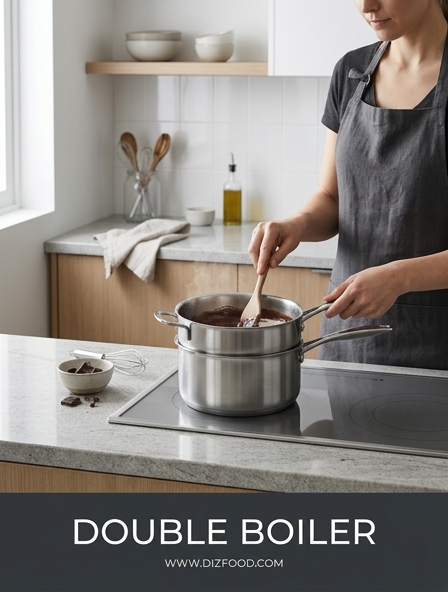
The Mechanics of Indirect Heat
The double boiler, or bain-marie, operates on the fundamental principle of thermal conduction via steam rather than direct contact with a concentrated heat source. By placing a secondary vessel over a pot of simmering water, the cook ensures that the temperature of the upper container never exceeds the boiling point of water. This creates a gentle, uniform environment ideal for sensitive ingredients that would otherwise break, separate, or scorch over an open flame.
The efficiency of this system relies on the physical properties of water vapor. As the water in the lower pot reaches a simmer, it releases steam that rises and envelops the bottom and sides of the upper bowl. This phase transition from liquid to gas allows for a steady energy transfer that is significantly more manageable than the fluctuating heat of a gas burner or electric coil. The key advantages of this indirect method include:
- Prevention of localized hot spots that lead to burning.
- Slow, incremental temperature rises for precise control.
- Stability during lengthy cooking processes requiring constant heat.
- Reduced risk of curdling protein-heavy mixtures.
Essential Double Boiler Setup
Establishing a proper double boiler setup is the foundation of successful confectionary and sauce work. Whether using a commercial unit or a makeshift version, the structural integrity of the apparatus is paramount. The lower pot should be filled with approximately one to two inches of water, ensuring there is enough liquid to generate steam throughout the process without running dry. Crucially, the bottom of the upper bowl must not touch the water; if contact occurs, the heat becomes direct and defeats the purpose of the setup.
To ensure a safe and effective assembly, follow these sequential steps:
- Select a heat-proof glass or stainless steel bowl that fits snugly over the rim of your saucepan.
- Add water to the saucepan, checking the depth to maintain a clear gap between the water surface and the bowl.
- Bring the water to a boil, then immediately reduce to a steady, low simmer.
- Set the upper bowl in place, ensuring no steam escapes from the sides, as this can burn the cook's hands or introduce unwanted moisture into the mixture.
Perfecting Temperature Control
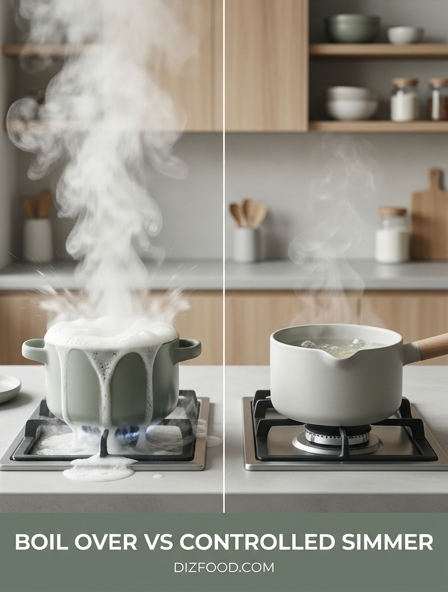
Precision is the hallmark of double boiling, allowing the chef to maintain temperatures far below the 212°F threshold. Mastering this requires constant monitoring of the lower pot's activity. A violent boil creates excessive steam pressure and can overheat the ingredients, whereas a stagnant pool of water provides insufficient energy. Ideally, the water should stay at a gentle simmer, characterized by small, rising bubbles that break the surface without turbulence.
Using a digital thermometer is highly recommended to track the internal temperature of the food in the upper vessel. Because the heat is indirect, changes occur slowly, giving the cook a wider window to react. To manage heat effectively, consider these variables:
- Lid Usage: Covering the upper bowl can trap heat and speed up melting, but may cause condensation.
- Burner Adjustment: Small shifts in the dial can significantly alter steam production.
- Residual Heat: The upper bowl retains warmth even after the burner is turned off, which is useful for finishing delicate tasks.
Tempering Professional Grade Chocolate
Tempering chocolate is a sophisticated application of the double boiler, requiring strict adherence to temperature ranges to ensure a glossy finish and a crisp snap. The goal is to melt the cocoa butter crystals and then reform them into a stable structure. Using indirect heat prevents the chocolate from seizing or developing a grainy texture caused by burnt solids. Each type of chocolate has a specific thermal profile that must be managed during the melting and cooling phases.
The following table outlines the standard temperature targets for the tempering process:
| Chocolate Type | Melting Point | Working Temp |
|---|---|---|
| Dark Chocolate | 115°F - 120°F | 88°F - 91°F |
| Milk Chocolate | 110°F - 115°F | 84°F - 87°F |
| White Chocolate | 105°F - 110°F | 82°F - 84°F |
Always ensure that not a single drop of water enters the upper bowl, as moisture causes chocolate to seize into a dull, clumpy mass.
Infusing Delicate Oils and Butters
Infusing fats with herbs, spices, or aromatics requires a gentle touch to extract flavors without degrading the quality of the oil. High heat can cause delicate herbs like basil or mint to turn bitter and brown. By using a double boiler, the oil remains at a constant, low temperature, allowing the volatile compounds in the botanicals to slowly migrate into the fat. This method is particularly effective for making garlic-infused olive oil, chili oils, or herbal butters for culinary and medicinal use.
To maximize the efficiency of your infusion, keep the following tips in mind:
- Cut aromatics into small pieces to increase the surface area exposed to the oil.
- Maintain a very low simmer to keep the oil below 180°F.
- Stir occasionally to ensure even heat distribution and contact.
- Avoid covering the pot if using fresh herbs, as trapped moisture can encourage bacterial growth in the oil.
This slow-burn approach preserves the bright, fresh notes of the ingredients while providing a shelf-stable, flavored oil.
Crafting Silky Emulsified Sauces
Classic sauces such as Hollandaise, Béarnaise, and Zabaglione rely on the emulsification of egg yolks and fats. These mixtures are notoriously finicky; if the temperature rises too high, the eggs will scramble, resulting in a lumpy, unappealing mess. The double boiler provides the necessary buffer, allowing the proteins in the yolks to coagulate slowly and thicken the sauce while they are whisked into a stable foam with butter or wine. The gentle steam ensures the sauce reaches a safe consumption temperature without losing its velvet-like consistency.
The process generally follows these critical steps:
- Whisk yolks and acid (like lemon juice) in the upper bowl until pale and frothy.
- Place the bowl over the simmering water and continue whisking vigorously.
- Slowly drizzle in melted butter or oil, maintaining the emulsion through constant motion.
- If the sauce begins to look oily or thin, briefly remove it from the heat while continuing to whisk to lower the temperature.
Avoiding Common Scorching Mistakes
While the double boiler is a safety net, it is not foolproof. The most frequent error is allowing the water level in the bottom pot to deplete entirely. Once the water evaporates, the bottom of the pan will superheat, and the dry air will rapidly transfer intense heat to the bowl, leading to immediate scorching. Another common mistake is using a bowl that is too small, allowing steam to escape around the edges. This not only wastes energy but can also heat the handles of the bowl to dangerous levels.
To keep your ingredients safe, watch for these warning signs:
- Rattling Sounds: Often indicates the water is boiling too violently or the bowl is unstable.
- Steam Clouds: Excessive visible steam suggests a poor seal between the pot and the bowl.
- Acrid Smells: A sign that ingredients on the sides of the bowl are beginning to burn due to high steam pressure.
- Dry Pot: Check water levels every twenty minutes during long sessions to prevent a fire hazard.
Managing Steam and Condensation
Moisture management is a critical skill when using indirect heat, especially during confectionery work. As water boils below, it creates a high-humidity environment. If the upper bowl is not perfectly sealed, steam can escape and condense on the inner walls of the bowl or, worse, drip directly into your ingredients. For items like chocolate or sugar-based syrups, even a microscopic amount of water can ruin the entire batch through crystallization or seizing.
To manage this risk, always have a dry kitchen towel nearby. When lifting the upper bowl to check the water level or to remove it from the heat, tilt the bowl away from you so that the condensation on the bottom drips back into the pot rather than onto your workspace. Wipe the exterior bottom of the bowl immediately after removal. Furthermore, avoid using a lid on the upper bowl unless specifically required, as the underside of the lid will inevitably collect droplets that can fall into your delicate mixture when the lid is lifted.
The Art of Slow Melting
Patience is the defining characteristic of the double boiler method. Unlike a microwave, which can create hot spots and dry out the edges of the food, the double boiler melts ingredients from the outside in at a uniform pace. This is essential for delicate items like white chocolate, which has a low burn point, or for melting beeswax and resins in specialized kitchen crafts. The slow transition from solid to liquid allows the molecular structure of the food to remain intact, preserving flavor and nutritional value.
During the melting process, it is beneficial to break the ingredients into uniform, small pieces. This increases the surface area and ensures that the core of the mass reaches the melting point at the same time as the exterior. Resist the urge to turn up the heat to speed things along; the gradual increase in temperature is exactly what creates the superior mouthfeel and gloss that professional chefs demand. Consistent stirring with a rubber spatula helps distribute the warmth and prevents any part of the mixture from sitting against the warm surface for too long.
Achieving Consistent Texture Results
The primary reason chefs return to the double boiler is the unmatched consistency it provides. By eliminating the variables of direct flame and fluctuating electric pulses, you create a repeatable environment. This leads to a final product characterized by a smooth, homogeneous texture free of lumps, grains, or separation. Whether you are tempering chocolate for truffles or preparing a base for a custard-style ice cream, the double boiler ensures that every batch meets the same quality standards.
When comparing results across different heating methods, the double boiler consistently outperforms direct heat in texture-sensitive tasks. The following table summarizes the textural outcomes of various methods:
| Method | Heat Type | Texture Outcome |
|---|---|---|
| Direct Burner | Conductive | High risk of graininess and scorching. |
| Microwave | Radiation | Uneven melting; potential for dry patches. |
| Double Boiler | Steam/Indirect | Silky, smooth, and perfectly emulsified. |
Ultimately, the control offered by indirect heat translates to a superior sensory experience for the consumer, making the extra effort and setup time well worth the investment.


Comments