
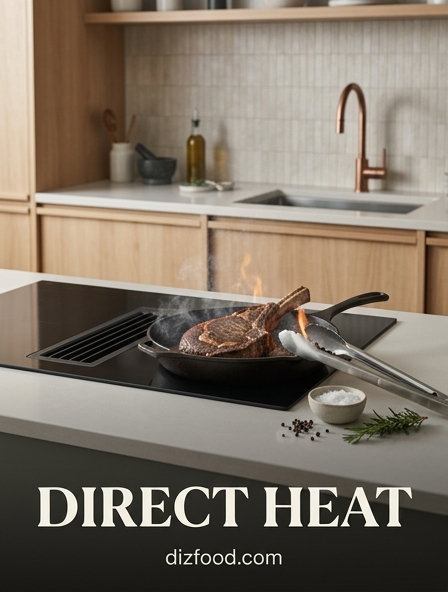
Mastering High Intensity Heat
Mastering high intensity heat is the cornerstone of professional-grade culinary results, particularly when working with direct heat sources like gas flames or induction coils. This technique involves utilizing temperatures typically exceeding 400 degrees Fahrenheit to trigger rapid chemical transformations on the surface of proteins and vegetables. Unlike gentle cooking methods, high heat requires constant vigilance and an understanding of how thermal energy transfers from the source to the vessel and finally to the ingredient. Success depends on the cook's ability to manipulate the burner to achieve an aggressive sizzle without crossing the threshold into carbonization.
- Develops a deep, complex flavor profile through rapid browning.
- Creates a textural contrast between a crisp exterior and a tender interior.
- Reduces cooking time, which helps preserve the structural integrity of certain vegetables.
- Ensures the immediate release of food from the cooking surface once a crust forms.
Proper mastery also involves recognizing the physical cues of the pan, such as the shimmering of oil or the slight wisp of vapor, which signal that the environment is ready for the ingredient.
Essential Tools for Searing
The success of direct heat cooking is largely dictated by the physical properties of the cookware. A vessel must have high thermal mass to prevent significant temperature drops when cold food is introduced. Thin pans often fail because they lose heat too quickly, leading to steaming rather than searing. Materials like cast iron and carbon steel are the gold standard for high-heat applications due to their exceptional heat retention and durability under extreme conditions.
| Material | Pros | Best Use |
|---|---|---|
| Cast Iron | Excellent heat retention and emissivity. | Thick steaks and heavy proteins. |
| Carbon Steel | Heats quickly and offers a slick surface. | Wok cooking and delicate fish. |
| Stainless Steel | Non-reactive and shows fond clearly. | Pan sauces and deglazing. |
Additionally, using the correct utensils is vital. High-heat silicone or metal tongs and spatulas ensure that the cook can manipulate food safely without the tool melting or warping during the process.
Understanding Smoke Points
Every fat and oil used in the kitchen has a specific smoke point, the temperature at which it begins to break down and produce visible smoke. When using direct heat, selecting an oil with a high smoke point is critical to prevent the development of acrid flavors and harmful compounds. When an oil surpasses its smoke point, its molecular structure changes, leading to the release of free radicals and a distinct, bitter taste that can ruin a dish. For high-heat searing or stir-frying, refined oils are generally preferred over unrefined ones.
- Avocado Oil: Approximately 520°F (Ideal for extreme searing).
- Grapeseed Oil: Approximately 420°F (Clean flavor, great for general high heat).
- Refined Peanut Oil: Approximately 450°F (Excellent for deep frying and woks).
- Clarified Butter (Ghee): Approximately 450°F (Adds richness without burning milk solids).
Understanding these limits allows a cook to maintain the integrity of the ingredient while pushing the boundaries of temperature to achieve the desired golden-brown finish.
The Science of Perfect Searing
The science behind a perfect sear is centered on the Maillard reaction, a chemical process between amino acids and reducing sugars that occurs under high heat. This reaction is responsible for the complex aromas and savory flavors associated with roasted or seared foods. To achieve this, the surface of the food must reach temperatures between 280 and 330 degrees Fahrenheit. If the heat is too low, the food will simply gray and toughen; if it is too high, it bypasses the Maillard reaction and moves directly into pyrolysis, or charring.
- Preheat the pan until it is radiating heat evenly across the surface.
- Add a high-smoke-point oil and wait for it to shimmer and expand.
- Place the protein in the pan, ensuring maximum surface contact.
- Resist the urge to move the food immediately, allowing the crust to form and naturally release.
By controlling these variables, you ensure that the kinetic energy of the heat source efficiently converts the raw surface of the ingredient into a flavorful, caramelized crust.
Effective Boiling Techniques
Boiling is one of the most common applications of direct heat, yet it requires precision to be effective. The process involves heating a liquid until its vapor pressure equals the atmospheric pressure, causing bubbles of vapor to form within the liquid. In a kitchen setting, the intensity of the boil should be adjusted based on the ingredient. A rolling boil is necessary for pasta to keep the pieces moving and prevent sticking, while a gentle simmer is better for delicate proteins or long-term extractions like stocks.
- Slow Simmer: Small bubbles break the surface occasionally (185°F-205°F).
- Full Boil: Vigorous, large bubbles consistently breaking the surface (212°F at sea level).
- Blanching: A brief boil followed by an ice bath to preserve color and texture.
The choice of vessel also matters; a wide, shallow pot increases the evaporation rate, which is ideal for reducing sauces, whereas a tall, narrow stockpot minimizes evaporation for long-duration cooking tasks.
Surface Preparation and Moisture
Moisture is the primary enemy of a successful sear when using direct heat. When water is present on the surface of food, the energy from the pan is diverted into evaporating that water rather than browning the food. Since water turns to steam at 212 degrees Fahrenheit, the temperature of the food surface cannot rise above that point until the moisture is gone. This leads to "steaming" the meat, resulting in a rubbery texture and a lack of flavor. Proper preparation is essential to eliminate this barrier.
- Pat the ingredient thoroughly dry with paper towels on all sides.
- Allow the food to sit uncovered in the refrigerator to air-dry the skin.
- Apply salt just before cooking to avoid drawing out internal juices prematurely.
- Avoid overcrowding the pan, as this traps steam between the pieces of food.
By ensuring a dry surface, the heat can immediately begin the process of caramelization, leading to a superior crust and a more efficient cooking process overall.
Temperature Control Strategies
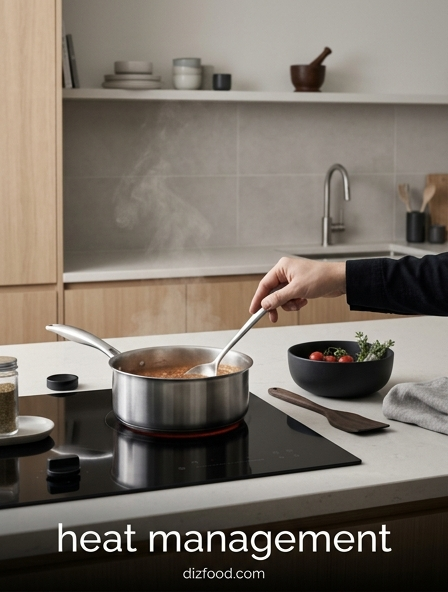
Effective temperature control when using direct heat is not just about turning a knob; it is about managing the thermal equilibrium between the heat source, the pan, and the food. One common strategy is the "heat-up and cool-down" method, where the pan is preheated on high, but the flame is lowered slightly once the food is added to prevent the exterior from burning before the interior reaches the target temperature. Understanding the lag time between adjusting the dial and the pan's response is also crucial for success.
- Visual Cues: Watch for oil movement, smoke wisps, and the color of the pan.
- Physical Cues: Use the "flick" test with water or a laser thermometer for precision.
- Zone Cooking: On a grill or large griddle, create high and low-heat zones to move food as needed.
Mastering these strategies allows for a more dynamic cooking experience, giving the chef the power to accelerate or decelerate the cooking process based on how the ingredients are reacting in real-time.
Preventing Overcooking and Burning
The line between a perfect sear and a burnt meal is incredibly thin when working with high-intensity direct heat. One of the most important concepts to understand is carryover cooking, where the internal temperature of the food continues to rise even after it has been removed from the heat source. This is caused by the residual thermal energy on the outer layers of the food moving toward the cooler center. To prevent overcooking, ingredients should be removed from the pan slightly before they reach their final desired temperature.
| Protein Type | Pull Temp (F) | Final Temp (F) |
|---|---|---|
| Steak (Medium Rare) | 125°F | 130-135°F |
| Chicken Breast | 160°F | 165°F |
| Pork Tenderloin | 140°F | 145°F |
Using a digital instant-read thermometer is the most reliable way to monitor these changes and ensure that the direct heat has done its job without compromising the juiciness of the dish.
Safety Tips for High Heat
Working with direct high heat introduces specific risks that require strict safety protocols. Grease fires are a primary concern; they occur when oil reaches its auto-ignition temperature. In such an event, water must never be used, as it will cause the oil to explode and spread the flames. Instead, the oxygen supply should be cut off using a metal lid or baking soda. Proper attire and kitchen organization are also vital to prevent accidental burns or spills during fast-paced cooking sessions.
- Always keep a fitting lid nearby when frying or searing with oil.
- Turn pan handles inward to prevent them from being knocked over.
- Ensure the kitchen is well-ventilated to handle smoke and carbon monoxide.
- Avoid wearing loose clothing or dangling sleeves that could catch fire.
By maintaining a clean workspace and staying focused on the task, you can harness the power of high heat while minimizing the dangers associated with it.
Maintaining Consistent Heat Levels
Consistency is the hallmark of a skilled cook. When using direct heat, maintaining a steady temperature is difficult because adding food naturally cools the pan. To counteract this, one must account for the "recovery time"-the duration it takes for the pan to return to its target temperature after an ingredient is added. Using heavy-bottomed pans helps, but technique is equally important. Cooking in batches is often better than filling a pan to capacity, as it prevents the temperature from plummeting and turning a sear into a boil.
- Preheat Thoroughly: Give the pan at least 3-5 minutes to saturate with heat.
- Batch Cooking: Leave space between items to allow moisture to escape quickly.
- Monitor Flame: Adjust the gas flow to compensate for the cooling effect of the food.
- Use Lid Wisely: Use a lid momentarily to trap heat if the pan is losing temperature too fast.
Consistency ensures that every piece of food in the pan cooks at the same rate, resulting in a professional and uniform final product.

Comments