
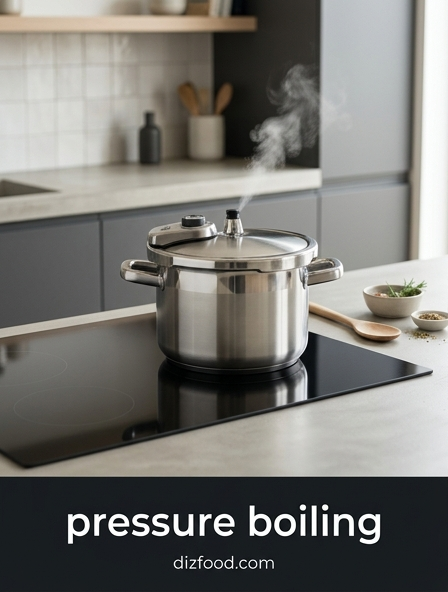
Pressure boiling is a revolutionary technique for modern kitchens, offering a perfect balance between speed and health. By increasing internal pressure, water reaches higher temperatures faster, slashing traditional cooking times by up to 70% and significantly boosting overall kitchen efficiency. This rapid process is also superior for nutrient retention; because ingredients are exposed to heat for shorter periods and require less liquid, essential vitamins and minerals remain locked inside your food rather than leaching out. Mastering this method ensures flavorful, wholesome meals in record time. For a deeper dive into these techniques, explore the key differences between Pressure Boiling vs Atmospheric Boiling.
The Science of High Pressure Heat
The fundamental principle of pressure boiling lies in the relationship between atmospheric pressure and the boiling point of liquids. In a standard kitchen environment, water boils at 212°F (100°C); however, when liquid is heated within a hermetically sealed vessel, the internal pressure rises significantly. This increased pressure forces the boiling point of the water to ascend to approximately 250°F (121°C). This elevation in temperature allows for a much more aggressive thermal transfer into the core of the food items being prepared.
At a molecular level, the high-pressure environment increases the kinetic energy of the water molecules, allowing them to penetrate dense fibers and cell walls more efficiently than standard boiling. This physical shift does not merely cook food faster; it alters how heat is distributed through various densities of matter. By manipulating these physical constants, the kitchen becomes a laboratory where the traditional limits of thermal energy are bypassed, ensuring that even the most resilient ingredients are transformed by the sheer intensity of pressurized steam and liquid equilibrium.
Accelerated Cooking Times and Energy Savings
One of the most immediate benefits of pressure boiling is the drastic reduction in cumulative cooking duration. Because the internal temperature exceeds the normal boiling point, chemical reactions such as starch gelatinization and protein denaturing occur at a rapid pace. This efficiency translates directly into significant energy savings, as the heat source is required for a fraction of the time compared to traditional simmering or braising methods. The following table illustrates the time disparities for common ingredients:
| Ingredient | Standard Boiling | Pressure Boiling |
|---|---|---|
| Dried Chickpeas | 60-90 Minutes | 15-20 Minutes |
| Beef Pot Roast | 3-4 Hours | 45-60 Minutes |
| Brown Rice | 45 Minutes | 15 Minutes |
| Whole Beets | 45-60 Minutes | 12-15 Minutes |
By shortening the operational window of kitchen appliances, households can reduce their carbon footprint and utility costs while achieving high-quality culinary results in a modern, fast-paced environment.
Preserving Essential Vitamins and Minerals
Traditional boiling often leads to the degradation and leaching of vital nutrients into the cooking water, which is frequently discarded. Pressure boiling mitigates this loss by utilizing significantly less water and subjecting the food to heat for a shorter duration. This method is particularly effective at preserving water-soluble vitamins that are highly sensitive to prolonged heat exposure and oxidation. The sealed environment ensures that the nutritional integrity of the ingredients remains largely intact within the food itself.
Key nutrients that benefit from this pressurized environment include:
- Vitamin C: Rapid cooking minimizes the time available for thermal degradation.
- B Vitamins: Thiamine, riboflavin, and niacin are better retained due to reduced water contact.
- Antioxidants: Phytochemicals in colorful vegetables remain concentrated rather than diluting into the liquid.
- Minerals: Potassium and magnesium stay locked within the cellular structure of legumes and tubers.
Consequently, the finished meal is not only more vibrant in appearance but also possesses a higher nutrient density, contributing to a healthier dietary profile for the consumer.
Enhancing Natural Food Flavors and Aromas
In a standard open-pot boiling scenario, the steam that escapes into the kitchen carries with it a significant portion of the food's volatile aromatic compounds. This results in a loss of flavor depth and a muted sensory profile. Pressure boiling prevents this dissipation by trapping all vapors within the sealed chamber. These concentrated aromatics are forced back into the food fibers, intensifying the natural profile of the ingredients. The high-pressure environment also facilitates a unique form of the Maillard reaction that can occur even in the presence of liquid, creating complex savory notes that are typically absent in traditional boiling.
Because the flavors are locked in, there is often a reduced need for supplemental sodium or artificial flavor enhancers. Spices and herbs used during the process become more potent, as their essential oils are extracted and distributed under pressure. The result is a dish that tastes more "of itself," with a clean, robust character that highlights the quality of the raw materials used in the recipe.
Achieving Superior Ingredient Texture
Texture is a critical component of the culinary experience, and pressure boiling offers unparalleled control over structural transformations. For tough cuts of meat, the high-pressure steam effectively breaks down connective tissues like collagen and transforms them into gelatin much faster than a slow cooker. This results in succulent, fork-tender meat that retains its structural integrity without becoming dry or stringy. In vegetables, the process can tenderize fibrous cell walls while maintaining a pleasant bite, avoiding the mushy consistency often associated with over-boiling.
Legumes and grains also benefit immensely from this method. The pressure ensures that moisture reaches the exact center of every grain or bean simultaneously, preventing a common issue where the exterior is overcooked while the interior remains chalky. Whether one is aiming for a creamy risotto or a firm bean salad, the consistency achieved through pressurized heat is remarkably uniform. This precision allows chefs to produce professional-grade textures that are difficult to replicate through traditional atmospheric cooking methods, regardless of the ingredient's initial toughness.
The Role of Steam in Nutrient Locking
Steam acts as a high-efficiency medium for heat transfer, but in a pressurized environment, its role becomes even more specialized. Unlike submerged boiling, where nutrients leach into the surrounding water, pressurized steam creates a saturated atmosphere that "locks" the surface of the food. This vapor pressure prevents the internal juices of vegetables and proteins from migrating outward. The steam penetrates the food items uniformly, ensuring that the heat is delivered without the physical agitation of turbulent boiling water, which can often damage delicate ingredients.
The benefits of this steam-centric approach include:
- Minimal water requirements, reducing the volume of nutrient runoff.
- Elimination of "hot spots," ensuring every part of the ingredient cooks at the same rate.
- Prevention of surface dehydration, which is common in dry-heat cooking methods.
- Enhanced color retention, as the steam protects the pigments from prolonged oxygen exposure.
By leveraging the physical properties of pressurized steam, the kitchen can produce food that is visually striking and packed with its original biological value.
Streamlining Meal Preparation Workflows
The efficiency of pressure boiling extends beyond the stove, fundamentally altering how a kitchen operates. By condensing hours of cooking into minutes, meal preparation becomes a more dynamic and less labor-intensive process. This technology allows for "one-pot" cooking, where various components of a meal-such as proteins, starches, and aromatics-are added in stages or even simultaneously, reducing the need for multiple pans and minimizing cleanup. To maximize workflow, many cooks adopt a systematic approach to pressurized preparation:
- Sautéing: Browning aromatics or meat directly in the vessel to build flavor.
- Deglazing: Adding liquid to incorporate browned bits into the cooking base.
- Sealing: Securing the lid to initiate the pressure-building phase.
- Rapid Cooking: Executing the high-heat cycle.
- Pressure Release: Using natural or quick-release methods depending on the recipe.
This structured workflow minimizes downtime and allows for the preparation of complex, slow-cooked flavors even on a busy weekday schedule. It empowers the home cook to experiment with ingredients that were previously reserved for weekend projects.
Maximizing Moisture Retention in Proteins
One of the primary challenges in cooking meat is the loss of moisture as muscle fibers contract under heat. Pressure boiling addresses this through forced hydration. The high pressure of the cooking environment actually pushes moisture into the protein fibers rather than allowing it to evaporate. This is particularly noticeable in lean meats, such as chicken breast or pork loin, which can easily become dry and unpalatable with traditional methods. Under pressure, these proteins remain exceptionally moist, as the internal liquids are held in place by the external atmospheric weight.
Furthermore, the rapid cooking time means that the proteins are exposed to high heat for a much shorter duration, preventing the excessive contraction that squeezes out natural juices. When the pressure is released correctly, the meat reabsorbs a portion of the concentrated cooking liquid, further enhancing its juiciness. The resulting texture is consistently superior, providing a succulent mouthfeel that rivals high-end sous-vide techniques but in a fraction of the time.
Reducing Oxidation During the Cooking Process
Oxidation is a chemical reaction that occurs when food is exposed to oxygen, leading to the browning of vegetables and the degradation of delicate flavors. In an open pot, oxygen is constantly available to react with the food. However, in a pressure cooker, the first stage of the process involves the steam displacing the air within the chamber. Once the air is vented and the valve is sealed, the cooking takes place in an almost entirely oxygen-free environment. This lack of oxygen is crucial for maintaining the vivid colors of green vegetables and preventing the "off" flavors that can develop in fats and oils during long simmers.
By minimizing oxidation, the natural antioxidants in the food are also better preserved, as they are not "used up" fighting oxygen during the cooking process. This results in a finished product that looks as fresh as it did when it was raw, with bright greens, deep reds, and vibrant oranges. This aesthetic and chemical preservation makes pressure boiling an ideal choice for chefs who prioritize the visual presentation and the nutritional integrity of their dishes.
Sustainable Kitchen Practices with Pressure Boiling
Adopting pressure boiling is a significant step toward a more sustainable and eco-friendly kitchen. Because the method is roughly 70% faster than traditional boiling, it consumes substantially less electricity or gas. Furthermore, because the environment is sealed, there is very little heat loss to the surrounding room. This keeps the kitchen cooler and reduces the load on air conditioning systems during the summer months. The conservation of water is another key environmental benefit, as the process requires only a fraction of the liquid used in conventional steaming or boiling.
Sustainable benefits include:
- Reduced Energy Consumption: Lower utility bills and smaller carbon footprint.
- Water Conservation: Efficient use of resources with minimal waste.
- Longevity of Ingredients: The ability to transform less expensive, tough cuts or older produce into high-quality meals, reducing food waste.
- Decreased HVAC Usage: Less ambient heat generation improves indoor climate control efficiency.
By integrating these practices, the modern kitchen becomes a hub of efficiency, proving that high-quality culinary results and environmental responsibility can go hand in hand.

Comments