
Science of the Gentle Simmer
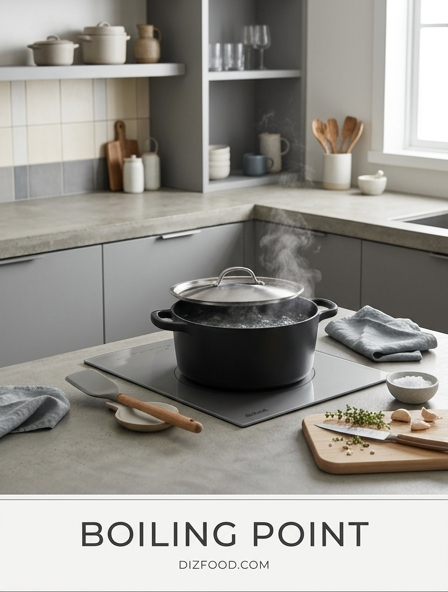
The gentle simmer is a fundamental culinary state occurring between 185°F and 205°F. Unlike a rolling boil, where water vaporizes violently at 212°F, a simmer provides a controlled release of thermal energy. This stage is characterized by small bubbles that rise slowly from the bottom of the vessel, breaking the surface with minimal agitation. This environment is critical for flavor extraction, as the lower kinetic energy prevents the emulsification of fats and impurities into the liquid, resulting in clearer stocks and broths.
- Reduces the risk of scorching thick sauces or dairy-based liquids.
- Facilitates the slow breakdown of connective tissues without toughening muscle fibers.
- Maintains the clarity of the cooking medium by preventing turbulent mixing.
- Ensures even heat distribution throughout the pot via gentle convection currents.
From a thermodynamic perspective, the simmer represents a state of near-equilibrium. By maintaining the temperature just below the boiling point, the chef maximizes the efficiency of heat transfer into the food while minimizing the loss of volatile aromatic compounds that escape during rapid evaporation.
Preserving Delicate Protein Structures
Proteins are highly sensitive to thermal fluctuations, and the transition toward the boiling point can trigger irreversible structural changes. When meat or eggs are exposed to temperatures exceeding 180°F, the proteins undergo rapid coagulation and contraction. This process squeezes out intracellular moisture, resulting in a dry, rubbery texture. Maintaining a sub-boiling environment allows for the gradual denaturation of proteins, preserving the natural juices within the cellular matrix.
| Protein Type | Ideal Temperature Range | Result of Over-Boiling |
|---|---|---|
| Egg Whites | 145°F - 150°F | Rubberiness and sulfur release |
| Fish Fillets | 130°F - 145°F | Flaking and total disintegration |
| Poultry Breast | 160°F - 165°F | Fibrous and stringy texture |
By avoiding the violent agitation of a 212°F boil, chefs ensure that the exterior of the protein does not overcook before the core reaches the desired temperature. This precision is essential for achieving a uniform texture throughout the ingredient.
Mastering Low Temperature Poaching
Poaching is a sophisticated technique that utilizes a liquid medium kept strictly between 160°F and 180°F. At this temperature, the liquid remains completely still, with no visible bubble activity. This lack of turbulence is essential for cooking delicate items that might otherwise break apart. The medium is often enriched with aromatics, acids, or fats to infuse flavor while the gentle heat works on the ingredient's internal structure. This method is particularly effective for fruits, eggs, and lean meats.
- Select a high-quality poaching liquid such as court bouillon, milk, or olive oil.
- Preheat the liquid to the target temperature before submerged the food.
- Maintain a constant temperature to prevent the formation of "shrimp eyes" or small bubbles.
- Monitor the internal temperature of the food frequently using a probe.
Because the temperature is so far below the boiling point, the thermal gradient between the liquid and the food is low. This results in a slow, gentle cook that yields unparalleled tenderness and helps the food retain its original shape and volume.
Visual Indicators for Water Temperature
Before the advent of digital thermometers, culinary traditions relied on visual cues to identify the proximity of water to its boiling point. These indicators, often described through metaphors in Chinese tea culture, allow a chef to estimate temperature ranges by observing bubble size and steam patterns. Recognizing these stages is vital for tasks that require specific heat levels, such as blooming spices or hydrating delicate noodles. Understanding these shifts prevents the accidental degradation of heat-sensitive ingredients.
- Shrimp Eyes (155°F-165°F): Tiny, pinhead-sized bubbles clinging to the bottom of the pot.
- Crab Eyes (175°F-180°F): Slightly larger bubbles that begin to rise to the surface.
- Fish Eyes (185°F-190°F): Large, distinct bubbles that rise steadily, indicating a simmer.
- String of Pearls (195°F-205°F): Continuous lines of bubbles rising rapidly but not yet breaking the surface violently.
- Raging Torrent (212°F): The full rolling boil characterized by total surface agitation.
By mastering these visual benchmarks, a cook can adjust the heat source intuitively to maintain a steady thermal environment without constantly relying on external measuring devices.
Preventing Texture Degradation in Boiling
The mechanical force of a rolling boil is often as damaging to food as the heat itself. When water reaches 212°F, the rapid conversion of liquid to gas creates high-velocity bubbles that physically batter the ingredients. This turbulence can cause starches to slough off pasta, resulting in a gummy surface, or cause legumes to burst their skins before the interior is fully softened. Preventing this degradation requires a strategic reduction in heat once the initial boiling point is achieved.
Starch-heavy foods are particularly susceptible to this phenomenon. In a violent boil, the outer layers of pasta or potatoes may over-hydrate and disintegrate, while the center remains undercooked. By lowering the heat to a simmer, the cook allows the water to penetrate the food at a rate consistent with the starch gelatinization process. This leads to a more uniform texture and better mouthfeel. Furthermore, minimizing the boiling intensity reduces the amount of foam-caused by proteins and starches-that can boil over the sides of the vessel, ensuring a cleaner and more efficient cooking process.
Maintaining Structural Integrity of Vegetables
Vegetables rely on a complex network of pectin and cellulose for their structural rigidity. High heat, specifically the intense energy of a 212°F boil, rapidly breaks down these polysaccharides. If the boiling period is too long or too aggressive, the cell walls collapse entirely, turning crisp vegetables into a soft, unappealing mush. To maintain a vibrant "al dente" snap, the duration of exposure to boiling water must be strictly controlled through techniques like blanching and shocking.
- Use a large volume of water relative to the amount of vegetables to ensure a quick return to boiling.
- Add salt to the water to slow the leaching of nutrients and stabilize the cell walls.
- Submerge vegetables only for the duration required to soften the pectin without destroying the cellulose.
- Immediately transfer the vegetables to an ice bath to halt residual thermal energy.
Acidity also plays a role in this process; adding a small amount of vinegar or lemon juice to the boiling water can help firm up the pectin, providing an extra layer of protection against the softening effects of the high-temperature environment.
Precision Heat Control Techniques
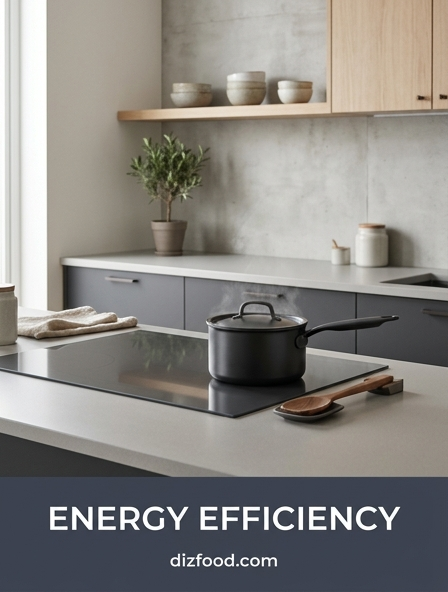
Achieving and maintaining a temperature just below the boiling point requires more than just turning a dial. Modern kitchen equipment provides various ways to manage thermal energy with high specificity. Induction cooktops are particularly effective, as they allow for instantaneous adjustments in magnetic field strength, which translates directly to temperature changes in the vessel. However, even on traditional gas ranges, manual techniques can be employed to prevent the liquid from reaching a full, destructive boil.
- The Heat Diffuser: A metal plate placed between the burner and the pot to spread heat evenly and eliminate hot spots.
- The Offset Lid: Placing the lid slightly ajar to allow steam to escape, which regulates internal pressure and temperature.
- Thermal Mass: Using heavy-bottomed pots, such as cast iron or copper-core stainless steel, to buffer against flame fluctuations.
- Water Tempering: Adding small amounts of cold liquid to a boiling pot to instantly drop the temperature back to a simmer.
By integrating these methods, chefs can sustain a "steady state" simmer for hours, which is essential for complex reductions and slow-cooked stews where consistency is the primary goal.
Managing Thermal Energy for Seafood
Seafood presents a unique challenge due to its high water content and short-chain protein fibers. These proteins coagulate at much lower temperatures than beef or pork, meaning the window between perfectly cooked and overdone is exceptionally narrow. Subjecting shrimp, scallops, or delicate white fish to a rolling boil is often a recipe for failure. Instead, managing the thermal energy by using "carry-over" cooking or poaching techniques is the preferred approach for professional results.
| Seafood Item | Optimal Technique | Maximum Temperature |
|---|---|---|
| Shrimp/Prawns | Off-heat steeping | 185°F (liquid temp) |
| Salmon Fillet | Low-temp poaching | 125°F (internal) |
| Lobster Tail | Gentle simmer | 190°F (liquid temp) |
One effective method involves bringing a flavorful liquid to a boil, removing it from the heat source, and then adding the seafood. The residual heat is often sufficient to cook the item through without ever reaching the point of protein toughening, ensuring a tender and succulent final product.
Steady State Simmering Strategies
Steady state simmering is the art of keeping a liquid at a constant temperature for an extended duration, usually for the purpose of extraction or reduction. This is critical when making clear consommés or reducing sauces to a glacé. If the temperature fluctuates too high, the liquid may boil dry or become bitter; if it drops too low, the extraction of gelatin from bones or flavor from aromatics will stall. The goal is to balance the energy input from the stove with the energy loss from evaporation.
To achieve this, many chefs prefer using an oven rather than a stovetop. By placing a heavy lidded pot in an oven set to 200°F-225°F, the liquid is heated evenly from all sides rather than just from the bottom. This prevents the "hot spot" at the base of the pot that often leads to sticking and burning. This ambient heat environment is the most reliable way to maintain a simmer that remains perfectly consistent for many hours, allowing the chef to focus on other tasks without the need for constant monitoring.
Tools for Monitoring Near Boiling Points
While visual cues are valuable, precision in the modern kitchen is often facilitated by specialized tools designed to monitor temperatures near the boiling point. Accurate measurement is the only way to guarantee repeatability in recipes that rely on specific enzyme activations or protein denaturations. The following tools are standard in high-performance kitchens for managing heat levels effectively:
- Instant-Read Digital Thermometers: Provide a fast, accurate reading of the liquid's surface and core temperatures.
- Probe Thermometers with Alarms: Allow the cook to set a specific threshold (e.g., 190°F) and receive an alert before the liquid boils.
- Immersion Circulators: The gold standard for precision, keeping a water bath within 0.1 degree of the target temperature indefinitely.
- Infrared Thermometers: Useful for checking the surface temperature of the liquid or the vessel itself without contact.
Using these tools ensures that the chef remains in total control of the thermal environment. Whether preparing a delicate hollandaise or slow-poaching a piece of halibut, the ability to quantify heat removes the guesswork and leads to consistently superior culinary outcomes.

Comments