
Ever wonder how professional chefs achieve that perfect balance of a tender interior and a crisp outer crust? The secret lies in parboiling, a culinary game-changer that involves partially cooking food in boiling water before its final preparation. This technique significantly slashes your total cooking time, making it ideal for busy weeknights when you want gourmet results without the long wait. By pre-softening dense vegetables or grains, you ensure even heat distribution and a consistent, professional texture every single time you cook. To elevate your kitchen skills further, it is helpful to explore the key differences between Parboiling vs Full Boiling for better meal prep efficiency.
Understanding the Science of Parboiling
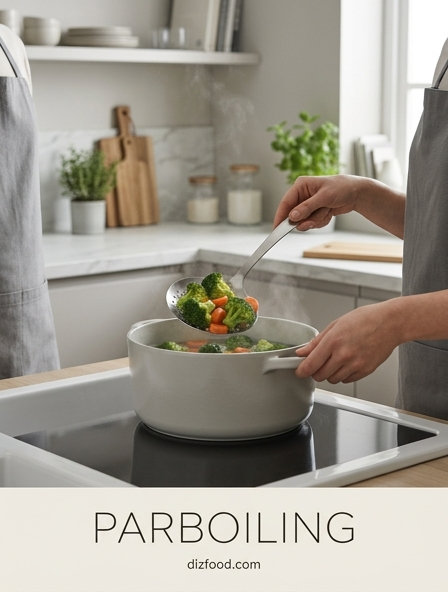
Parboiling, a portmanteau of "partial boiling," is a fundamental culinary technique that involves precooking food in boiling water just until it reaches a specific stage of partial doneness. Unlike blanching, which is a rapid plunge and shock process primarily used to preserve color and deactivate enzymes, parboiling typically involves a longer duration to soften internal structures. At the molecular level, this process initiates the gelatinization of starches and the softening of cellulose in plant tissues without fully collapsing the cell walls.
This technique is particularly critical for ingredients with varying densities. By applying a controlled heat treatment, chefs can ensure that the enzymatic reactions are halted and the internal moisture is stabilized. In grains like rice, parboiling drives vitamins and minerals from the husk into the endosperm, significantly enhancing the nutritional profile while altering the starch structure to ensure the grains remain separate after the final cooking phase. Understanding these scientific shifts allows for greater control over the final texture and nutritional integrity of the ingredients.
Unlocking the Secret to Perfect Crispy Textures
Achieving a glass-like crunch on roasted potatoes or fried vegetables often depends on a preliminary parboil. When starchy vegetables are simmered briefly, the exterior surface begins to break down, creating a microscopic layer of "slurry" or fuzz. This increased surface area is the key to maximum crispiness; when subsequently tossed in oil or fat, this roughened texture dehydrates in the oven or fryer to form a thick, golden crust that is far superior to that of raw-roasted counterparts.
- Starch Release: Parboiling brings surface starches to the exterior, which caramelize more effectively under dry heat.
- Dehydration Efficiency: A pre-heated vegetable loses its surface moisture faster once it hits the roasting pan.
- Fat Absorption: The softened exterior allows fats to penetrate slightly deeper, ensuring a rich, savory crunch.
This method is essential for thick-cut fries and roast potatoes. Without it, the exterior often burns before the interior reaches the desired fluffy consistency. By manipulating the surface through boiling, you create the ideal structural foundation for the Maillard reaction to flourish during the high-heat finishing stage.
How Parboiling Slashes Final Cooking Times
In high-pressure kitchen environments or busy weeknight meal preparation, parboiling serves as a strategic time-management tool. By front-loading the cooking process, you effectively "short-circuit" the time required for the final assembly of a dish. This is particularly advantageous for stir-fries and sheet-pan dinners where various ingredients have disparate cooking rates. When dense items are parboiled, they can be finished in the same timeframe as delicate greens or quick-cooking proteins.
Consider the logistical benefits in the following scenarios:
- Stir-Frying: Parboiling broccoli or carrots ensures they are tender-crisp in the two minutes they spend in a hot wok.
- Grilling: Pre-cooking sausages or ribs reduces the time spent over direct flames, preventing charred exteriors with raw centers.
- Casseroles: Parboiling pasta or hard vegetables ensures they reach perfect doneness within the bake time of the sauce.
This reduction in final heat exposure also helps maintain the vibrancy and nutrient density of the food, as the second stage of cooking is focused on flavor development rather than raw softening.
Mastering Even Doneness in Dense Root Vegetables
Dense root vegetables such as beets, turnips, and large carrots present a unique challenge: the exterior often becomes overcooked and mushy before the heat can penetrate the center. Parboiling solves this gradient issue by slowly raising the internal temperature of the vegetable in a liquid medium, which conducts heat more evenly than the dry air of an oven. This ensures that the core is nearly cooked through before the vegetable ever touches a roasting pan or grill.
By starting root vegetables in cold water and bringing them to a simmer, the heat penetrates the dense cellular structure gradually. This prevents the outer layers from sloughing off while the heart remains woody. Once the vegetables are parboiled to the point where a knife can enter with slight resistance, they are ready for a high-heat finish. This dual-stage approach guarantees a uniform texture from the skin to the core, eliminating the unpleasant experience of biting into a hard, undercooked center in an otherwise beautiful dish.
The Key to Fluffy and Distinct Grains
Parboiling is a transformative technique for rice and other cereal grains, particularly in the production of "converted" rice. By steaming or boiling the grain in its husk, the starches are gelatinized and then cooled. This process makes the grains tougher and less likely to break during milling. For the home cook, parboiling basmati or long-grain rice before adding it to a biryani or pilaf ensures that each grain remains distinct, elongated, and firm, rather than clumping into a sticky mass.
This technique is effective because it removes excess surface starch that otherwise acts as a biological glue. When grains are parboiled, the amylose and amylopectin molecules are restructured, leading to a lower glycemic index and a more resilient texture. This is especially useful in dishes where the rice must undergo a long secondary steaming process with other ingredients. The result is a light, airy pile of grains that provides a superior mouthfeel and aesthetic presentation compared to standard steaming methods.
Preparing Tough Meats for High Heat Searing
While often associated with vegetables, parboiling is a secret weapon for preparing certain proteins. Tougher cuts of meat or those with high fat and connective tissue content, such as pork ribs, chicken wings, or beef short ribs, benefit immensely from a preliminary simmer. This process begins the breakdown of tough collagen into gelatin, ensuring the meat is tender before it is subjected to the intense, drying heat of a grill or broiler.
Furthermore, parboiling helps render out excess subcutaneous fat. For example, parboiling duck or chicken wings before frying results in a significantly crispier skin because the rendering process has already begun, allowing the skin to dehydrate and crisp more rapidly in the oil. It also serves a safety function, ensuring that bone-in meats are cooked safely through to the center without requiring the exterior to be exposed to high heat for an excessive duration, which can lead to the formation of harmful charred compounds and bitter flavors.
Essential Timing for Different Food Groups
Precision is the hallmark of successful parboiling. The duration depends entirely on the density, water content, and intended final cooking method of the ingredient. Overstaying in the water transforms parboiling into full boiling, resulting in a loss of structural integrity. Conversely, under-parboiling fails to provide the benefits of shortened final cook times and improved texture. Maintaining a "tender-crisp" state is generally the objective.
| Ingredient | Parboiling Time | Final Texture Goal |
|---|---|---|
| Potatoes (cubed) | 5-8 Minutes | Soft edges, firm core |
| Carrots (sliced) | 3-5 Minutes | Slightly flexible |
| Broccoli Florets | 2-3 Minutes | Bright green, crisp snap |
| Pork Ribs | 15-20 Minutes | Partially rendered fat |
| Brown Rice | 10-12 Minutes | Al dente, distinct grains |
Always use a timer and test the food frequently using the "knife test." If the blade meets heavy resistance, it needs more time; if it slides through effortlessly, the food is likely overdone for parboiling purposes.
The Role of Salt and Acidity in the Pot
The liquid used for parboiling is not merely a heat conductor; it is a medium for flavor and structural modification. Salting the water heavily is essential, as this is the only stage where seasoning can deeply penetrate the cellular structure of the food. Since the parboiling time is short, the salt concentration must be high enough to osmose into the center of the ingredient, enhancing its natural flavors from within.
Acidity also plays a pivotal role in the pot. Adding a splash of vinegar or lemon juice to the water can prevent the breakdown of pectin in vegetables like potatoes. This allows you to cook the vegetable longer to ensure internal tenderness while the acid keeps the exterior structurally sound and prevents it from becoming mushy. Conversely, a pinch of baking soda can be used to accelerate the breakdown of the exterior starch for those seeking a more "fuzzy" surface for extreme roasting crispness. These chemical adjustments allow the cook to fine-tune the result based on the specific requirements of the final dish.
Optimizing Meal Prep with Advanced Parboiling
For those who practice batch cooking or meal prep, parboiling is an indispensable strategy for maintaining food quality over several days. Vegetables that are fully cooked during prep often become soggy when reheated. However, parboiled vegetables retain their structural integrity and can be quickly finished in a pan or microwave just before serving, resulting in a "just-cooked" taste and texture. This technique is widely used in commercial kitchens to ensure consistent service speeds.
To optimize meal prep, follow these steps:
- Shocking: Immediately plunge parboiled items into an ice bath to stop the cooking process.
- Drying: Thoroughly dry the ingredients before storage to prevent bacterial growth and "fridge-funk."
- Storage: Store in airtight containers; parboiled vegetables typically last 3-5 days in the refrigerator.
By preparing components this way, you reduce active cooking time during the week to mere minutes, allowing for high-quality, nutritious meals even on a tight schedule.
Avoiding Common Overcooking Pitfalls
The most common mistake in parboiling is the failure to account for "carryover cooking." Because the food is hot when removed from the water, the internal residual heat continues to cook the center. If you parboil an item until it is perfectly tender, it will likely be overcooked by the time you start the second stage of the recipe. To avoid this, always remove the food when it is slightly under the desired level of doneness.
Another pitfall is overcrowding the pot. Adding too much cold food to the boiling water drops the temperature significantly, leading to a "soaking" effect rather than a "boiling" effect, which results in soggy textures. Use a large volume of water and work in batches if necessary. Finally, ensure the water is at a true rolling boil before adding ingredients. Starting in lukewarm water makes timing inconsistent and often leads to a loss of nutrients and color. By maintaining high heat and precise timing, you ensure that parboiling remains a tool for enhancement rather than a source of culinary frustration.

Comments