
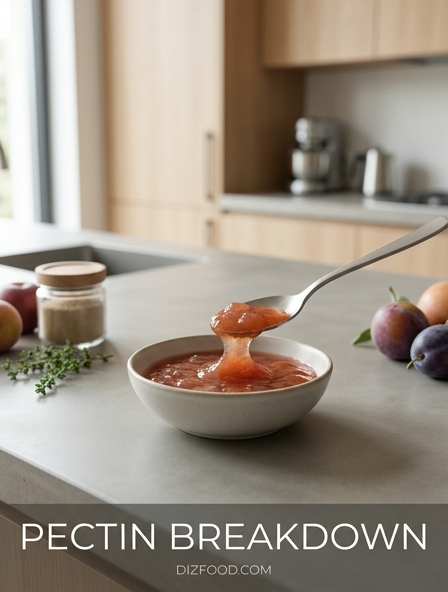
The Role of Pectin in Vegetable Structure
Pectin serves as the fundamental adhesive within the plant kingdom, acting as the primary component of the middle lamella that binds adjacent cell walls together. This complex polysaccharide provides the rigid structural framework necessary for vegetables to maintain their shape and characteristic crunch. Within the kitchen, understanding pectin is essential for controlling the final mouthfeel of cooked produce. Pectin molecules form a hydrated gel-like matrix that supports the cellulose microfibrils, creating a pressurized cellular environment known as turgor.
- High-methoxyl pectin: Found in firm fruits and vegetables, requiring sugar and acid to gel.
- Low-methoxyl pectin: Requires divalent ions like calcium to form stable bridges.
- Protopectin: The water-insoluble precursor found in underripe or raw vegetables.
As vegetables age or undergo mechanical stress, the protopectin begins to degrade into soluble pectin, naturally softening the tissue. In culinary applications, the chef's goal is often to manipulate this structural "glue" to achieve specific textures, ranging from the crisp snap of blanched green beans to the velvety smoothness of a vegetable purée. The integrity of the pectin network determines how well a vegetable resists collapsing during various cooking processes.
Temperature Effects on Cell Wall Degradation
Thermal energy is the most immediate catalyst for pectin breakdown in the kitchen. As temperatures rise, the kinetic energy within the vegetable tissue increases, causing the non-covalent bonds holding the pectin chains together to weaken. This process, known as thermal depolymerization, leads to the eventual solubilization of the middle lamella. When vegetables are dropped into boiling water, the rapid heat transfer causes the cellular structure to lose its elasticity and rigidity almost instantly.
| Temperature Range | Structural Effect |
|---|---|
| 50°C - 60°C | Initial cell membrane damage; loss of turgor pressure. |
| 60°C - 70°C | Activation of pectin methylesterase; potential firming. |
| 80°C - 100°C | Rapid hydrolysis of pectin; significant softening. |
At boiling temperatures (100°C), the glycosidic linkages between the galacturonic acid units in pectin are broken through a process called beta-elimination. This chemical reaction is significantly faster than simple hydrolysis and is responsible for the rapid transition from "al dente" to mushy. Controlling the duration of heat exposure is therefore critical to preventing the total collapse of the vegetable's architecture.
Impact of pH on Vegetable Firmness
The acidity or alkalinity of the cooking liquid dramatically alters the rate of pectin degradation. In acidic environments, such as those containing vinegar or citrus juice, pectin is highly stable. The low pH prevents the beta-elimination reaction, keeping the pectin chains intact and the vegetable firm even after prolonged cooking. Conversely, alkaline conditions act as a powerful accelerant for softening. Adding baking soda to the cooking water increases the pH, which rapidly neutralizes the acidic groups in pectin and facilitates its dissolution.
- Acidic (pH < 4.0): Pectin remains insoluble; cell walls remain rigid.
- Neutral (pH 7.0): Standard rate of thermal degradation.
- Alkaline (pH > 8.0): Rapid hemicellulose and pectin breakdown; slippery texture.
In a high pH environment, the hemicellulose that reinforces the cell walls also dissolves, leading to a complete loss of structural integrity. This is why a pinch of baking soda can turn dried beans soft quickly but can also turn green vegetables into a mushy, unappealing mass if not carefully monitored. Understanding this balance allows for precise control over texture during pickling or boiling.
Calcium Ions and Pectin Chain Stabilization
Calcium plays a unique role in kitchen science by acting as a molecular bridge between pectin chains. This phenomenon is often referred to as the "egg-box model." When divalent calcium ions are introduced to the cooking environment, they interact with the negatively charged carboxyl groups on the pectin molecules. This creates cross-links that reinforce the middle lamella, making it much more resistant to heat-induced breakdown. This technique is frequently employed in commercial canning and professional kitchens to maintain the "snap" of vegetables.
- Calcium Chloride: Common additive for firming canned tomatoes.
- Calcium Lactate: Used in modern gastronomy for spherification and firming.
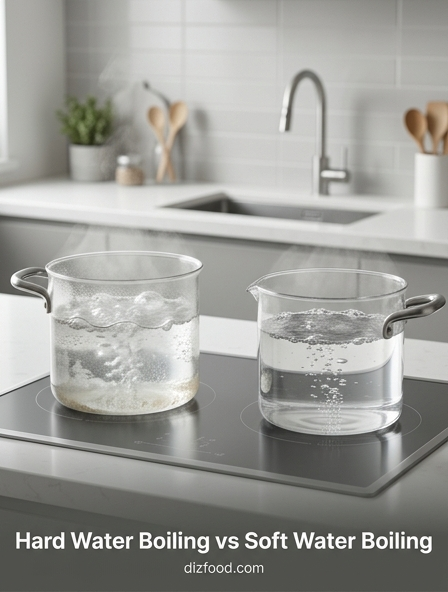
- Hard Water: Natural minerals can inadvertently keep vegetables tougher.
By pre-soaking vegetables in a calcium-rich solution or adding calcium salts to the cooking water, a chef can ensure that the vegetables retain their bite even when cooked to high internal temperatures. This ion-exchange process effectively "spot-welds" the cellular structure, preventing the pectin from leaching out into the surrounding liquid. It is a vital strategy for long-simmered stews where vegetable integrity is desired.
Enzymatic Activation During Early Heating
Before pectin reaches the point of thermal destruction, it encounters an enzymatic window between 50°C and 70°C. During this phase, an enzyme naturally present in plant tissues called pectin methylesterase (PME) becomes highly active. PME removes methyl groups from the pectin chains, creating more free carboxyl sites. If calcium ions are present, they can then bind to these new sites, effectively strengthening the vegetable's structure before the higher temperatures of boiling begin to take their toll.
| Enzyme Phase | Outcome |
|---|---|
| Low Heat (55°C) | PME removes methyl groups; structure firms up. |
| High Heat (85°C+) | PME is denatured; thermal breakdown dominates. |
This biological quirk is why "low-temperature long-time" (LTLT) blanching is used to create exceptionally firm vegetables. By holding vegetables at approximately 60°C for a period before ramping up the heat, the chef harnesses the plant's own enzymes to reinforce its cell walls. This enzymatic "pre-treatment" makes the pectin significantly more resistant to subsequent softening during roasting, frying, or boiling, providing a superior texture that cannot be achieved through high-heat methods alone.
Hemicellulose and Pectin Solubilization Science
The softening of vegetables is not solely the result of pectin breakdown; it involves the simultaneous solubilization of hemicelluloses. These branched polysaccharides wrap around cellulose microfibrils, providing lateral strength to the cell wall. During cooking, the heat and chemical environment cause these polymers to detach from the cellulose and dissolve into the cooking medium. As the hemicellulose dissolves, the pectin-rich middle lamella loses its internal support, leading to a generalized weakening of the vegetable tissue.
- Solubilization: The transition of solid cell wall components into a liquid state.
- Diffusion: The movement of dissolved pectins out of the vegetable and into the water.
- Swelling: The absorption of water by the remaining cell wall matrix.
This science explains why the cooking water often becomes viscous or cloudy. The "body" of the liquid is literally the dissolved structural components of the vegetables. In sauces and soups, this solubilization is beneficial as it contributes to the thickness and mouthfeel of the liquid. However, when the goal is a distinct, separate vegetable component, minimizing the solubilization of both hemicellulose and pectin is the primary technical challenge.
Sodium Influence on Softening Rates
Sodium ions, primarily from common table salt (sodium chloride), have a counter-intuitive effect on vegetable texture compared to calcium. While calcium reinforces pectin, sodium can actually accelerate its breakdown. This occurs through a process of ion exchange where sodium ions displace the calcium ions already present in the vegetable's cell walls. Because sodium is monovalent, it cannot form the "bridges" that calcium does, leading to a more open and soluble pectin structure.
- Ion Displacement: Sodium pushes calcium out of the pectin matrix.
- Increased Solubility: Pectin becomes more likely to dissolve in water.
- Hydration: Sodium-pectin complexes attract more water, softening the tissue.
This is why adding salt to the soaking water for dried legumes or the boiling water for tough root vegetables helps them soften more quickly. The sodium ions penetrate the middle lamella and loosen the tight bonds of the pectin, allowing water to enter the cells more efficiently. However, in green vegetables, excessive salt can lead to a loss of texture if the cooking time is not carefully managed to account for this accelerated softening rate.
Blanching Techniques for Pectin Integrity
Blanching is a critical culinary technique designed to preserve the structural integrity and color of vegetables by manipulating heat exposure. By briefly submerging vegetables in boiling water followed by immediate cooling in an ice bath, chefs can deactivate destructive enzymes without allowing enough time for significant pectin solubilization. The goal is to reach a temperature high enough to denature enzymes like lipoxygenase and peroxidase while maintaining the beta-elimination reaction at a minimum.
- Short-term high heat: Rapidly kills surface bacteria and stops enzymatic browning.
- Thermal Shock: Ice bath stops the residual heat from continuing pectin breakdown.
- Pore Expansion: Briefly opens the structure for better seasoning absorption.
When done correctly, blanching sets the pectin matrix, resulting in a vegetable that is vibrant in color and possesses a "tender-crisp" texture. If the blanching time is too long, the pectin in the middle lamella will begin to dissolve, and the vegetable will lose its ability to "snap." This technique is essential for mise en place, as it stabilizes the vegetable for later finishing steps like sautéing or grilling.
Acidic Additives for Crispness Retention
In culinary preparations where a long cooking time is required but a mushy texture is undesired, the addition of acidic components is a standard scientific solution. Ingredients like lemon juice, vinegar, wine, or tomato products lower the pH of the cooking environment. As previously discussed, a low pH environment stabilizes pectin by preventing the beta-elimination reaction that occurs at higher temperatures. This is particularly noticeable in dishes like braised red cabbage or pickled vegetables.
- Vinegar: Acetic acid prevents pectin chains from sliding past each other.
- Citric Acid: Found in lemons, provides a sharp flavor while maintaining crunch.
- Wine: Provides tartaric acid and tannins that can further interact with proteins and pectins.
It is important to note that adding acid too early to certain vegetables, like potatoes or legumes, can prevent them from ever softening properly, resulting in a "chalky" or unpleasantly hard texture. The timing of acidic additions must be balanced: late enough to allow for some softening, but early enough to halt the total dissolution of the pectin framework. This mastery of timing ensures the perfect balance between tenderness and structural definition.
Mastering Texture Through Heat Control
Ultimately, the texture of a cooked vegetable is the result of a delicate tug-of-war between thermal breakdown and chemical stabilization. To master vegetable cookery, one must view heat not just as a means of making food hot, but as a precision tool for modifying pectin. Gradual heating encourages enzymatic firming through PME activation, while rapid, intense heat focuses on quick softened through beta-elimination. Modern techniques like sous vide allow for unprecedented control over these variables by holding temperatures at the exact degree required for specific textural outcomes.
| Technique | Pectin Goal |
|---|---|
| Steaming | Minimal leaching; retains most soluble pectin. |
| Boiling | Maximum solubilization; ideal for purées. |
| Sous Vide | Precise enzymatic control; consistent "snap." |
By manipulating the variables of temperature, pH, and mineral content, a chef can transform the same raw vegetable into vastly different culinary experiences. Whether the objective is a crisp salad garnish or a silky-smooth mash, the scientific focus remains the same: the careful management of the pectin polymers that hold the plant's world together.

Comments