
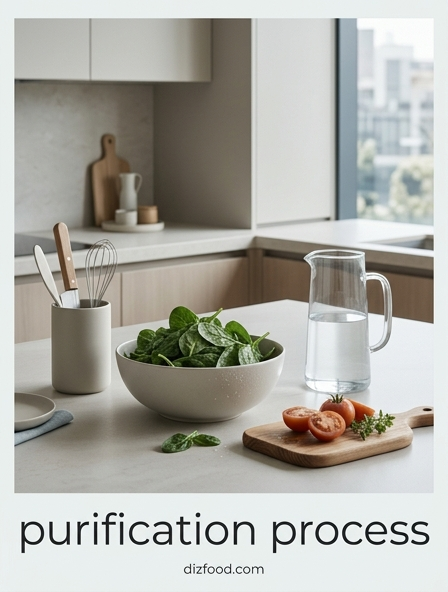
The Role of Pure Water in Culinary Excellence
Water is often described as the universal solvent, but in the context of a professional kitchen, it is the foundational ingredient that dictates the success of every dish. Culinary excellence relies on the ability to control variables, and municipal water supplies introduce unpredictable elements such as heavy metals, microplastics, and varying chemical compositions. By implementing rigorous purification processes, chefs ensure a blank canvas that allows the true essence of raw ingredients to shine without interference.
The transition from standard tap water to purified water impacts various culinary techniques:
- Hydration of dry goods like grains and legumes, ensuring uniform swelling.
- Reduction of unwanted chemical reactions during high-heat reductions.
- Consistency in yeast activation for artisanal baking processes.
- Maintenance of the structural integrity of delicate seafood during poaching.
Purification is not merely about safety; it is about precision. When the water used in a recipe is free from dissolved solids that might alter the pH or the boiling point, the chef gains absolute control over the chemical environment of the pot. This meticulous approach to water quality separates casual cooking from true gastronomic artistry, where every molecular interaction is accounted for and optimized.
Eliminating Chlorine for Untainted Food Aromas
Chlorine and its derivatives, such as chloramines, are essential for disinfecting public water supplies, yet they are the enemies of delicate culinary aromas. These chemicals possess a distinct, medicinal scent that can permeate porous foods during the washing and cooking stages. When steaming white fish or preparing a light vinaigrette, even trace amounts of chlorine can mask the subtle floral or earthy notes of the primary ingredients, leading to a muted sensory experience.
| Water Component | Impact on Aroma | Purification Benefit |
|---|---|---|
| Chlorine | Bleach-like, chemical scent | Restores natural food fragrance |
| Chloramines | Persistent medicinal odor | Prevents off-flavors in stocks |
| Organic Volatiles | Musty or metallic notes | Ensures a neutral sensory base |
Activated carbon filtration is the primary defense against these aromatic intruders. By adsorbing chlorine molecules before they reach the stovetop, cooks can preserve the volatile compounds responsible for the appetizing smell of freshly baked bread or roasted vegetables. Eliminating these chemical additives is the first step in ensuring that the only scents emanating from the kitchen are those intended by the recipe.
Impact of Mineral Balance on Boiling Precision
The physics of boiling is significantly influenced by the concentration of dissolved minerals in the water. High mineral content, often referred to as "hard water," causes boiling point elevation, which can subtly alter cooking times and the rate of evaporation. In technical applications like candy making or the creation of delicate syrups, these variations can lead to inconsistent crystallization or scorching. Purified water provides a stable, predictable boiling point that is essential for precision tasks.
- Thermal Conductivity: Pure water allows for more efficient and uniform heat distribution across the surface of the food.
- Evaporation Rates: Without excess minerals, the reduction of sauces becomes a more linear and predictable process.
- Surface Tension: Purified water interacts differently with starches, preventing excessive foaming during the boiling of pasta or potatoes.
By stabilizing the mineral profile through reverse osmosis or deionization, a chef can replicate results across different geographic locations regardless of local water quality. This scientific approach to boiling ensures that a "simmer" or a "rolling boil" behaves exactly as expected, protecting the integrity of heat-sensitive proteins and complex carbohydrates during the cooking process.
Enhancing Natural Colors in Blanched Vegetables
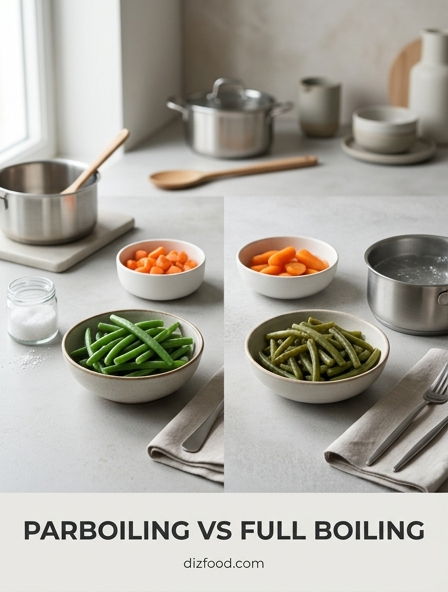
Vibrant colors are a hallmark of high-quality vegetable preparation, yet minerals like calcium and magnesium can dull these pigments through oxidative reactions. Chlorophyll, the pigment responsible for the deep greens in spinach and broccoli, is particularly sensitive to the pH levels of cooking water. In hard water environments, the alkaline nature can cause chlorophyll to degrade into pheophytin, turning bright greens into unappealing shades of olive and grey.
- Prevents mineral deposits from coating the surface of vegetables, which can create a matte finish.
- Maintains a neutral pH that protects anthocyanins in red and purple vegetables.
- Reduces the presence of iron, which can cause browning in potatoes and cauliflowers.
- Allows for faster blanching times by improving heat penetration through the cell walls.
Purification processes that target transition metals and alkaline earth metals ensure that the visual appeal of the produce is preserved. When vegetables are plunged into an ice bath made of purified water, the "shock" is cleaner, locking in the natural enzymes and pigments. This results in a plate that is as visually stimulating as it is nutritionally dense, showcasing the raw beauty of the harvest.
Achieving Crystal Clear Stocks and Consommés
In the world of fine dining, the clarity of a stock or consommé is a direct indicator of technical proficiency. Cloudiness in liquids is often caused by suspended solids and the interaction between proteins and the minerals found in tap water. When bones and aromatics are simmered in hard water, the calcium ions can bridge with proteins, creating large, insoluble complexes that remain suspended, making the liquid appear murky despite repeated straining.
- Pre-filtration: Removing sediment and rust from the water before the heat is applied.
- Ion Exchange: Softening the water to prevent protein-mineral flocculation.
- Slow Extraction: Using pure water to draw out gelatin and collagen without adding inorganic impurities.
- Clarification: Ensuring the "raft" used in consommé production isn't overwhelmed by municipal additives.
Using purified water minimizes the formation of "scum" that rises to the surface during the initial stages of stock making. This reduces the need for aggressive skimming and results in a final product with a jewel-like transparency. A clear stock provides a sophisticated base for soups and sauces, allowing the depth of flavor to be matched by a pristine, professional appearance.
Optimizing Water Hardness for Ideal Texture
Texture is a critical component of the dining experience, and water hardness plays a silent role in the mouthfeel of various foods. The interaction between divalent cations, like calcium, and the pectins found in plant cell walls can toughen the skin of legumes and grains. While some hardness is desirable for certain styles of bread to strengthen gluten, excessive minerals can make beans remain stubbornly hard even after hours of simmering.
| Food Category | Hard Water Effect | Soft/Purified Water Effect |
|---|---|---|
| Legumes/Beans | Tough skins, uneven cooking | Creamy interior, tender skin |
| Pasta | Sticky surface, gummy texture | Al dente precision, clean surface |
| Rice/Grains | Reduced fluffiness | Individual grain separation |
By tailoring the mineral content through purification and remineralization, chefs can manipulate the texture of their dishes. For example, softening water for the soaking and cooking of chickpeas ensures a smoother hummus. Understanding the relationship between water chemistry and cellular structure allows for the consistent delivery of the "perfect bite" in every serving.
Unlocking Hidden Flavor Profiles in Coffee and Tea
Coffee and tea are essentially extractions, where water acts as the vehicle for transporting flavor compounds from the bean or leaf to the cup. If the water is saturated with its own minerals and chemicals, it lacks the "room" to absorb the delicate oils and acids that define a high-quality brew. Overly hard water can lead to a flat, chalky cup, while water with high chlorine levels will produce a metallic and bitter finish that ruins expensive harvests.
- TDS Management: Maintaining a specific range of Total Dissolved Solids for optimal extraction.
- Acidity Balance: Preventing alkaline water from neutralizing the bright, fruity acids in light-roast coffees.
- Clarity of Flavor: Allowing subtle notes like jasmine, citrus, or chocolate to be distinguished.
- Consistency: Ensuring that a signature blend tastes the same in every city.
Specialty brewers often use multi-stage filtration systems to reach a specific "recipe" for their water. This usually involves removing everything through reverse osmosis and then adding back a precise amount of magnesium and calcium. This scientific control over the solvent ensures that the extraction is neither sour nor bitter, but a perfect representation of the origin's terroir.
Protecting Kitchen Equipment from Limescale Buildup
The lifespan and efficiency of expensive kitchen machinery are directly tied to water quality. Appliances that heat water, such as steam ovens, espresso machines, and dishwashers, are susceptible to limescale buildup. Limescale, primarily composed of calcium carbonate, acts as an insulator on heating elements, forcing the equipment to work harder and consume more energy while eventually leading to mechanical failure and costly repairs.
- Reduces the frequency of descaling cycles, saving time and chemical usage.
- Maintains consistent steam pressure in combi-ovens for perfect roasting.
- Prevents clogged nozzles in coffee group heads and spray arms in dishwashers.
- Extends the operational life of internal seals and pumps.
Beyond the mechanical benefits, purified water ensures that dishwashers produce spot-free glassware and cutlery. Without mineral deposits drying on the surface, there is no need for manual polishing, which reduces labor costs and the risk of breakage. Protecting the "heart" of the kitchen through purification is a strategic investment that ensures the facility operates at peak performance with minimal downtime.
Scientific Filtration for Consistent Gastronomy
Consistency is the greatest challenge in the culinary world. A recipe perfected in one location may fail in another due to the hidden variable of water composition. Scientific filtration systems, ranging from multi-stage carbon blocks to sophisticated reverse osmosis membranes, provide the standardization required for modern gastronomy. By stripping water back to its molecular basics, chefs can build a reliable foundation for their entire menu, regardless of the local environment.
- Sediment Removal: Eliminating physical particulates that can grit or cloud dishes.
- Chemical Adsorption: Removing pesticides, herbicides, and industrial runoff.
- Microbiological Defense: Utilizing UV light or ultra-filtration to ensure absolute sterility.
- Precision Remineralization: Reintroducing specific ions to enhance flavor according to scientific benchmarks.
This level of control is particularly vital in molecular gastronomy, where hydrocolloids and gelling agents react specifically to calcium concentrations. If the water is too hard, a sodium alginate bath may set prematurely; if too soft, it may not set at all. Filtration provides the repeatability that transforms cooking from a game of chance into a disciplined science.
Transforming Everyday Cooking with Molecular Purity
The benefits of water purification are not reserved for Michelin-starred establishments; they have the power to transform everyday home cooking. By integrating purification into the standard kitchen workflow, the home cook can elevate simple meals into gourmet experiences. Whether it is the clarity of an ice cube in a cocktail or the fluffiness of a pot of basmati rice, molecular purity enhances the inherent quality of the ingredients already present in the pantry.
- Improved hydration of doughs leads to better crust development in home-baked bread.
- Healthier vegetable preparation by reducing exposure to heavy metals.
- Better tasting soups and stews that rely on water as a primary volume builder.
- Superior ice quality that melts slower and does not taint spirits with "freezer taste."
Ultimately, purification shifts the focus back to the food itself. When the water is pure, it ceases to be a distraction and becomes a silent partner in the creative process. It allows the home cook to explore the nuances of flavor, texture, and presentation with the confidence that their most used ingredient is of the highest possible standard. Transforming everyday cooking starts with the tap.

Comments