
Have you ever noticed your fresh green smoothie turning a dull brown after just a few minutes? That is the result of oxidation, a process where traditional blenders whip air into your ingredients, rapidly degrading sensitive vitamins and muted flavors. Vacuum blending changes the game by removing oxygen from the jar before the blades even start spinning. This innovative technology protects heat-sensitive antioxidants and phytonutrients, resulting in a vibrant, nutrient-dense drink that tastes exactly like the fresh produce you put in. If you are looking to maximize your daily nutrition while enjoying a silkier, frothier texture that stays fresh longer, vacuum blending is the clear winner for your kitchen.
| Feature | Traditional Blending | Vacuum Blending |
|---|---|---|
| Oxidation Level | High; air incorporated during blending. | Near Zero; air removed prior to blending. |
| Nutrient Retention | Standard; significant loss of Vitamin C and A. | Maximum; preserves up to 3x more antioxidants. |
| Texture & Foam | Layered, bubbly, and prone to separation. | Homogenous, ultra-smooth, and foam-free. |
| Color & Visuals | Quickly browns (oxidizes) and fades. | Vibrant, "high-definition" natural colors. |
| Shelf Life | Best consumed within 10-20 minutes. | Stays fresh and stable for up to 24 hours. |
| Flavor Intensity | Muted; diluted by air bubbles. | Rich, bold, and concentrated natural taste. |
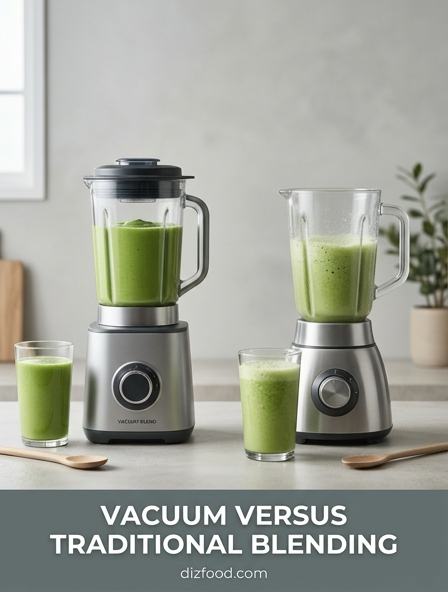
Understanding Oxidation in Traditional Blending
Traditional high-speed blending operates by spinning sharp blades at thousands of revolutions per minute. While this is effective for breaking down tough fibers, it simultaneously pulls a massive amount of oxygen into the container. This process is known as oxidation, a chemical reaction that occurs when oxygen interacts with the organic compounds found in fruits and vegetables. You can observe this phenomenon easily when an apple slice turns brown after being exposed to the air; in a high-speed blender, this reaction is accelerated significantly due to the sheer volume of air being whipped into the liquid.
As the air is integrated, it begins to break down the molecular structure of the ingredients. This does not just affect the physical appearance but also the chemical integrity of the food. Oxidation leads to the degradation of essential phytonutrients and enzymes that are sensitive to air exposure. In a traditional blending environment, the heat generated by the friction of the blades combined with the constant influx of oxygen creates a perfect environment for rapid nutrient decay. The following factors contribute to the speed of oxidation during standard blending:
- Blade speed and the resulting vortex that pulls air downward.
- The surface area of the finely chopped ingredients exposed to oxygen.
- The duration of the blending cycle, where longer cycles result in higher air integration.
- The ambient temperature of the ingredients, as warmth can catalyze chemical reactions.
Ultimately, traditional blending serves as a high-intensity aeration process. While it produces a quick meal, it inadvertently sacrifices the long-term stability and nutritional density of the ingredients by forcing them into a reactive state with the surrounding atmosphere.
Nutrient Retention Benefits of Vacuum Technology
Vacuum technology addresses the primary flaw of traditional blending by removing the air from the blender jar before the blades begin to spin. By creating a low-pressure environment, the ingredients are protected from the volatile effects of oxygen. This preservation is particularly crucial for delicate micronutrients that are prone to rapid degradation. For example, Vitamin C and various B vitamins are highly sensitive to oxidation; when blended in a vacuum, these levels remain significantly higher compared to traditional methods.
Research into food science suggests that the antioxidant capacity of a smoothie can be preserved for much longer when prepared under a vacuum. Antioxidants are responsible for neutralizing free radicals in the body, but if they are "used up" reacting with oxygen inside the blender, they provide less benefit to the consumer. Vacuum blending ensures that these compounds remain intact until they reach your digestive system. Below is a comparison of typical nutrient behavior between the two methods:
| Nutrient Type | Traditional Blending | Vacuum Blending |
|---|---|---|
| Vitamin C | Rapid decline due to air exposure | High retention levels |
| Polyphenols | Oxidize quickly, causing browning | Remain stable and active |
| Enzymes | Denatured by heat and air | Preserved at higher concentrations |
| Beta-carotene | Fades as molecular bonds break | Maintains original potency |
By utilizing a vacuum seal, the blender acts as a preservation chamber. This is not merely an aesthetic choice but a fundamental shift in how we extract nutrition from whole foods, ensuring that the "raw" power of the produce is not lost to the air before the first sip is even taken.
Comparing Texture and Consistency Results
The texture of a smoothie is often the deciding factor in its palatability. In traditional blending, the incorporation of air creates a frothy, "bubbly" consistency. While some may initially enjoy the lightness, this air often results in a grainy or "chewy" mouthfeel because the air bubbles prevent the blades from making full, consistent contact with the smallest particles of fiber. Over time, these bubbles rise, leaving a thick, fibrous sludge at the bottom and a light foam on top, which can be unpleasant to consume.
Vacuum blending, conversely, produces a remarkably silkier and denser texture. Because the air has been evacuated, the ingredients do not expand or "fluff up." This allows the blades to shear the fibers much more efficiently. Without air pockets, the liquid remains a homogenous mixture where the solid particles are perfectly suspended. The result is a heavy, creamy consistency that feels more like a professional purée than a standard home-made smoothie.
Users often notice that vacuum-blended drinks feel more filling and satisfying. This is because you are consuming more actual food mass per gulp rather than a mixture of food and air. The absence of bubbles also means that the liquid is smoother on the palate, with a consistent viscosity from the first sip to the last. This refined texture is especially noticeable when blending difficult ingredients like leafy greens, skins of fruits, or fibrous stalks, which are pulverized into a liquid state rather than remaining as tiny flecks in a foam.
Color Preservation in Fresh Smoothies
The visual appeal of food is a significant indicator of its freshness and health value. In the world of blending, color is often the first thing to go. When you blend green vegetables like kale or spinach traditionally, the chlorophyll reacts with oxygen and light, often turning the vibrant emerald green into a dull, brownish-khaki color within minutes. This color change is a visual representation of the loss of nutritional value and the onset of enzymatic browning.
Vacuum blending maintains the vivid, natural colors of the ingredients. Because the air is removed before the blades break the cell walls of the plants, the pigments remain protected. A strawberry smoothie prepared in a vacuum blender remains a bright, appetizing red, whereas a traditionally blended one might appear pale pink or slightly orange due to the thousands of tiny air bubbles diluting the pigment and the oxygen reacting with the anthocyanins.
This preservation of color is not just about aesthetics; it is a sign of chemical stability. The pigments in fruits and vegetables-such as lycopene in tomatoes, chlorophyll in greens, and carotenoids in carrots-are themselves powerful antioxidants. When the color is preserved, it indicates that these specific compounds have not been destroyed. For parents trying to encourage children to drink green smoothies, or for professional chefs requiring high-level presentation, the ability to serve a drink that looks as fresh as the raw ingredients is a massive advantage of the vacuum process.
Eliminating Foam and Air Bubbles
Foam is the byproduct of high-speed aeration. In traditional blenders, the vortex acts like a whisk, folding air into the liquid. While foam might look attractive on a cappuccino, it is generally undesirable in a nutritional smoothie. The foam consists of trapped air bubbles coated in proteins or fibers from the ingredients. This foam can make up to 30% of the volume of a traditionally blended drink, leading to several practical and physiological issues.
From a digestive standpoint, consuming a large amount of foam can lead to bloating and gas. As you swallow the smoothie, you are also swallowing a significant volume of air. For individuals with sensitive digestive systems, this can cause immediate discomfort. Vacuum blending eliminates this issue entirely. By removing the air from the jar, there is no gas available to create foam. The resulting liquid is flat, dense, and entirely free of the "frothy head" that typically sits atop a standard smoothie.
- Air is extracted from the chamber using a specialized pump.
- The blender creates a negative pressure environment.
- Blades spin without creating a vortex of air.
- The final product is a pure liquid without gaseous inclusions.
Eliminating foam also means the smoothie is easier to pour and store. Foam tends to dry out and stick to the sides of the container or the glass, making cleanup more difficult. A vacuum-blended drink pours cleanly and leaves very little residue, ensuring that you consume all the ingredients you paid for rather than leaving a layer of bubbles behind.
How Vacuum Blending Prevents Layer Separation
One of the most frustrating aspects of making a smoothie in advance is layer separation. We have all seen a smoothie sit for ten minutes only to have the water settle at the bottom while a thick layer of pulp floats to the top. This happens because air bubbles attach themselves to the fiber particles, making them more buoyant. In a traditional blend, these micro-bubbles eventually pull the solids away from the liquid base, leading to a disconnected and unappealing drink that requires constant re-shaking.
Vacuum blending prevents this separation by ensuring that no air bubbles are present to provide buoyancy to the fibers. When the ingredients are pulverized in a vacuum, the solids are more thoroughly integrated with the liquid. Because there is no air to lift the particles, the mixture remains emulsified for a much longer period. This creates a stable suspension where the density is uniform throughout the entire glass.
This stability is a key benefit for meal preppers. You can blend a drink in the morning and find it in almost the same state by lunchtime. While some natural settling may occur over many hours due to gravity, the dramatic "split" seen in traditional blending is virtually eliminated. This consistency ensures that every sip provides a balanced ratio of liquid to fiber, maintaining the intended flavor profile and mouthfeel without the need for constant stirring or agitation.
Impact on Flavor Intensity and Freshness
The flavor of a smoothie is dictated by the volatile compounds found in the fruits and vegetables. In traditional blending, these compounds are often masked or diluted by the sheer volume of air incorporated into the mix. Think of it as "watering down" the flavor, but with gas instead of liquid. Furthermore, oxidation can quickly turn the bright, tart flavor of a citrus fruit or the crisp sweetness of a berry into something dull and slightly metallic.
Vacuum blending preserves the integrity of these flavor molecules. Because the air is absent, the flavors are more concentrated and "true to life." Users often report that vacuum-blended drinks taste significantly more intense. The natural sugars and acids are not muted by aeration, leading to a more vibrant taste experience. For instance, a vacuum-blended gazpacho or green juice will taste remarkably fresher, as if the vegetables were just harvested and crushed.
- Reduction in "off-flavors" caused by rapid enzymatic reactions.
- Enhanced sweetness as natural sugars are not diluted by air volume.
- Brighter acidity in fruits like pineapple or lime.
- Cleaner finish on the palate without the lingering taste of oxidized pulp.
This preservation of freshness also extends to the aroma. Since volatile aromatic compounds are not being blown out of the blender by a constant stream of air, they remain trapped within the liquid. When you open a vacuum-blended container, the scent is often much more potent and appetizing than that of a traditionally blended one.
Longer Storage Life for Vacuum Blends
One of the greatest limitations of traditional blending is the "drink it now" rule. Because the drink is already heavily oxidized the moment the blender stops, the quality plateaus immediately and then drops off a cliff. Within an hour, a traditional smoothie loses much of its color, flavor, and nutritional potency. This makes it difficult to prepare healthy drinks for a full day or to take a smoothie to work for a mid-afternoon snack.
Vacuum blending significantly extends the shelf life of the finished product. By removing the catalyst for spoilage-oxygen-the degradation process is slowed to a crawl. If you store a vacuum-blended smoothie in an airtight container (ideally one that can also be vacuum-sealed), it can stay fresh for up to 24 to 48 hours with minimal loss of quality. This is a game-changer for those with busy schedules who want to batch-prepare their nutrition.
The extended storage life is due to the lack of "active" oxygen within the liquid itself. Even when stored in the fridge, a traditionally blended drink continues to oxidize from the inside out because of the trapped bubbles. In a vacuum blend, those internal reactors are gone. This results in a drink that looks and tastes nearly as good the next morning as it did the moment it was made, providing much-needed flexibility for a healthy lifestyle.
The Mechanical Process of Air Extraction
The magic of a vacuum blender lies in its specialized lid and motor assembly. Unlike a standard blender, which has a simple cap, a vacuum blender features a high-grade rubber seal and a powerful air extraction pump. This pump is usually located either in the base of the unit or within a separate housing that attaches to the top of the jar. Before the blending cycle begins, the user activates the vacuum function, which draws the air out of the canister, creating a negative pressure environment (a partial vacuum).
As the air is removed, you may see ingredients like spinach leaves or soft fruits slightly expand as the internal air within the food's cellular structure tries to escape to the low-pressure exterior. Once the desired vacuum level is reached-usually indicated by a sensor or a timer-the motor engages the blades. Because the blades are spinning in a near-vacuum, they encounter less air resistance, though the density of the food remains the primary load. The mechanical process follows these steps:
- The jar is locked and the vacuum seal is engaged.
- The pump runs for 30-60 seconds to remove oxygen.
- A pressure sensor confirms the vacuum state.
- High-speed blending commences in the absence of air.
- A release valve is used to let air back in so the lid can be opened.
This mechanical sequence ensures that the food is processed in an inert environment. High-end models often combine these steps into a single "auto" button, making the sophisticated science of air extraction as simple as a standard blend for the end user.
Choosing the Right Blender for Nutrition
When selecting between a traditional and a vacuum blender, the primary consideration should be your nutritional goals and your daily routine. If you consume your smoothies immediately and are not particularly concerned with the finest textures, a high-quality traditional blender may suffice. However, for those who prioritize maximum nutrient density, better flavor, and the ability to store drinks for later, the investment in vacuum technology is clearly justified.
When shopping for a vacuum blender, look for the following features to ensure you are getting the best performance for your kitchen:
- Vacuum Strength: Ensure the pump is powerful enough to remove a significant percentage of air (measured in kPa or bars).
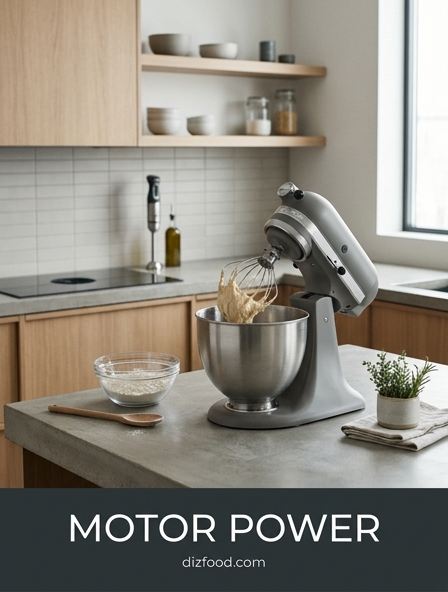
- Motor Power: A high wattage (1000W+) is still necessary to pulverize seeds and frozen ingredients.
- Seal Integrity: Look for heavy-duty gaskets and locking mechanisms that won't leak air during the cycle.
- Ease of Cleaning: Vacuum lids can be more complex; ensure they are easy to disassemble and wash.
- Versatility: Some blenders offer a "standard" mode for when you don't need the vacuum, giving you the best of both worlds.
While vacuum blenders can be more expensive and slightly louder due to the air pump, the long-term benefits to your health and the quality of your food are substantial. By choosing a machine that minimizes oxidation, you are ensuring that the money you spend on organic produce and supplements is actually being utilized by your body, rather than being lost to the air in your kitchen.


Comments