
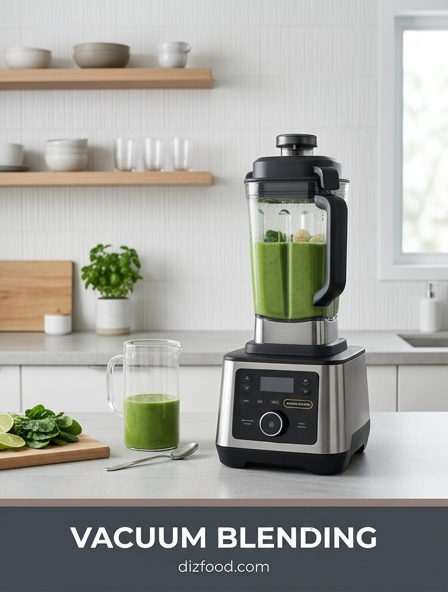
The Science of Vacuum Blending
The fundamental science behind vacuum blending lies in the manipulation of atmospheric pressure within the blending jar. Before the stainless steel blades begin to rotate at high speeds, a specialized integrated pump extracts the oxygen, creating a low-pressure environment. This process facilitates the expansion of the ingredients at a molecular level. When air is removed, the physical resistance against the blades is altered, and more importantly, the ingredients are no longer subjected to the high-speed injection of oxygen that occurs in standard blending cycles.
This technological shift addresses several thermodynamic and chemical challenges inherent in food processing:
- Reduced Internal Friction: Lower air density can lead to slightly less heat friction during long cycles.
- Cellular Expansion: Ingredients expand under vacuum, potentially allowing for more efficient fiber breakdown.
- Gas Extraction: Entrapped air within the plant tissues is pulled to the surface and removed before homogenization begins.
By operating in a near-vacuum state, the blender functions more as a precision instrument for emulsification rather than a simple mechanical crusher. This ensures that the final product is defined by its purity and the unadulterated essence of the raw materials used.
Eliminating Oxidation for Richer Colors
Oxidation is the primary culprit behind the unappealing browning of fruits and vegetables, such as apples, avocados, and bananas. This chemical reaction occurs when polyphenol oxidase enzymes in the food come into contact with oxygen. In traditional blending, the rapid vortex action pulls massive amounts of air into the mixture, accelerating this degradation instantly. Vacuum blending solves this by removing the oxygen trigger entirely, allowing the natural pigments-such as chlorophyll, carotenoids, and anthocyanins-to remain vibrant and true to life.
The visual difference is striking; a vacuum-blended green smoothie retains a deep, emerald hue rather than turning a murky olive brown. This preservation of color is not merely aesthetic; it serves as a visual indicator of the chemical integrity of the food. When the pigments are protected from oxidative stress, the cellular structure remains more stable. This results in a finished product that looks as fresh as the raw ingredients. For culinary enthusiasts, this means presentations remain professional and appetizing for significantly longer durations without the need for acidic additives like lemon juice to inhibit browning.
Achieving Perfectly Smooth Micro-Textures
The pursuit of the perfect texture is a cornerstone of professional culinary arts. Conventional blenders often produce a "fluffy" or "airy" result because they whip millions of tiny air bubbles into the liquid. While this might seem pleasant initially, it creates a textured foam that masks the actual silkiness of the ingredients. Vacuum blending achieves a superior micro-texture by eliminating these gas pockets, resulting in a much denser, heavier, and more uniform liquid. The lack of air allows the blades to shear fibers into much smaller particles without the interference of air resistance.
When you sip a vacuum-blended beverage, the mouthfeel is remarkably different-it is often described as "creamy" even when no dairy is present. This is particularly noticeable in fibrous recipes containing kale, celery, or ginger. Instead of a gritty or pulpy consistency, the vacuum process ensures that the particles are so finely processed and tightly packed that they glide across the palate. This level of homogenization is difficult to achieve with standard high-speed blenders, making vacuum technology a preferred choice for those who demand a consistent, professional-grade finish in every glass.
Preserving Vital Nutrients and Enzymes
Nutritional degradation begins the moment a fruit or vegetable is cut, but high-speed blending usually accelerates this through heat and oxygen exposure. Many essential vitamins, particularly Vitamin C and various B vitamins, are "oxygen-sensitive," meaning they break down rapidly when exposed to air. By utilizing a vacuum seal, the blender protects these delicate micronutrients from being destroyed during the processing stage. This ensures that the glass of juice or smoothie you consume is as nutritionally dense as possible.
The following table illustrates the general impact of vacuum blending on various nutritional components compared to traditional methods:
| Nutrient Type | Standard Blending Impact | Vacuum Blending Impact |
|---|---|---|
| Vitamin C | High Loss (Oxidation) | Maximum Retention |
| Antioxidants | Rapid Diminishment | High Stability |
| Enzymes | Heat/Air Degradation | Preserved Bioactivity |
By maintaining the biochemical profile of the raw ingredients, vacuum technology transforms the blender from a convenient tool into a powerful wellness appliance. It ensures that the investment made in high-quality organic produce is not wasted during the preparation process.
Saying Goodbye to Foam and Bubbles
One of the most frustrating aspects of traditional high-speed blending is the thick layer of foam that often sits atop the liquid. This foam is essentially a collection of air bubbles trapped by the surface tension of the blended solids. For many, this foam is not only unappealing in texture but also leads to digestive discomfort. Drinking air-filled smoothies can cause bloating and gas as the swallowed air moves through the digestive tract. Vacuum blending completely removes this issue by extracting the air before the vortex is created.
The result is a crystal-clear, foam-free liquid from top to bottom. This is especially beneficial for juices made from high-pectin fruits or leafy greens, which are notorious for creating "head" or froth. Without the air bubbles to lift the solids to the surface, the mixture remains homogenous and does not separate as quickly. Furthermore, the absence of foam means you can fit more actual food into your storage containers or glasses. It provides a cleaner, more refreshing drinking experience that is easier on the stomach and more visually consistent throughout the entire serving.
Why Vacuum Blending Enhances Natural Flavor
Flavor is an intricate combination of taste and aroma, both of which are highly volatile. When food is blended in the presence of air, the volatile organic compounds responsible for the characteristic scent and flavor of the ingredients are often "stripped" away or oxidized. This can lead to a muted, bland taste that requires extra sweeteners or seasonings to compensate. Vacuum blending keeps these volatile compounds locked within the liquid. Because the air is removed, the flavors are concentrated and intensified, allowing the natural sweetness and tartness of the produce to shine.
Users often report that they need fewer ingredients to achieve a robust flavor profile. For example, a single strawberry in a vacuum environment can provide a more potent aromatic impact than several strawberries processed in a standard blender. This preservation of the "top notes" of the ingredients creates a more complex and satisfying sensory experience. It allows for the creation of sophisticated culinary components, such as coulis and purees, that capture the raw essence of the season's best harvest without any "processed" aftertaste.
Vibrant Smoothies That Stay Fresh Longer
A common problem with meal-prepping smoothies is that they tend to separate and discolor within minutes of being made. This separation occurs because air bubbles attach to the fibers, causing them to float to the top while the water settles at the bottom. Since vacuum blending removes the air, the emulsion remains stable for a significantly longer period. A smoothie made under vacuum can often stay vibrant and well-mixed in the refrigerator for up to 24 hours, whereas a traditional blend might become unappetizing in less than an hour.
This extended freshness is a game-changer for busy individuals who want to prepare their nutrition in advance. You can blend a nutrient-dense beverage in the evening and find it looking and tasting just as fresh the following morning. The lack of oxygen in the storage container further slows down the natural decay process. This means your "grab-and-go" meals maintain their integrity, ensuring you don't have to sacrifice quality for convenience. The stability of the blend also means less shaking or re-blending is required before consumption, maintaining the intended texture.
Comparing Traditional and Air-Free Methods
Understanding the mechanical differences between traditional blending and vacuum blending is essential for any modern kitchen. Traditional blenders rely on a high-speed vortex that naturally pulls air down through the center of the jar. This air is then whipped into the mixture at thousands of revolutions per minute. In contrast, vacuum blenders perform a pre-processing step that alters the physics of the environment inside the jar before the blades ever move. The differences manifest in several key areas:
- Appearance: Traditional blends are pale and frothy; vacuum blends are dark and clear.
- Consistency: Traditional blends suffer from rapid separation; vacuum blends stay emulsified.
- Longevity: Traditional blends lose flavor and color quickly; vacuum blends are stable for hours.
- Digestion: Traditional blends introduce excess air to the gut; vacuum blends are easier to digest.
While traditional blenders are excellent for tasks like crushing ice or making hot soups (where aeration might be desired), vacuum blenders are specifically engineered for cold preparations where nutrient density and texture are the priorities. The choice between them often depends on whether the user values culinary precision and nutritional preservation over simple mechanical speed.
The Secret to Professional Culinary Textures
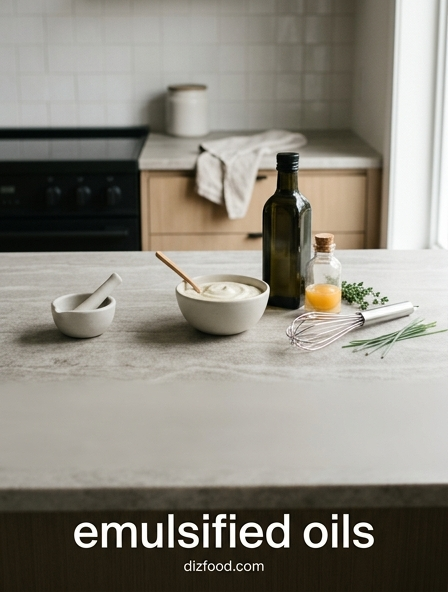
In high-end culinary environments, the difference between a good sauce and a great sauce is the quality of the emulsion. Chefs have long sought ways to create perfectly smooth purees and dressings without the interference of unwanted air. Vacuum blending provides a technological solution that was once only available in industrial food processing. By removing the air, the blender can create a more perfect emulsion, where oil and water-based ingredients are bound together more tightly. This creates a sheen and a "glossy" finish that is the hallmark of professional-grade sauces.
This method is particularly effective for creating herb oils, gastriques, and delicate vegetable mousses. The absence of bubbles ensures that the color remains vivid-a bright green basil oil or a deep red bell pepper coulis-providing a striking visual contrast on the plate. Furthermore, the density of vacuum-blended liquids allows them to coat a spoon perfectly, providing a luxurious mouthfeel that enhances the overall dining experience. It allows home cooks to replicate the precise, refined textures found in Michelin-starred kitchens with the push of a button.
Mastering Oxidation-Free Food Preparation
To get the most out of vacuum blending technology, it is helpful to follow a specific workflow that maximizes the benefits of an air-free environment. While the machine does the heavy lifting, the way you prep your ingredients can further enhance the final result. For instance, using chilled ingredients helps maintain the vacuum seal and prevents any heat-induced oxidation during the process. Because the flavor is more intense, you may find that you can reduce the amount of salt or sugar usually required to make a recipe "pop."
Consider the following steps for mastering the technique:
- Layering: Place liquids at the bottom and frozen or heavy items at the top to ensure a quick start to the vortex once the vacuum is achieved.
- Sealing: Ensure the vacuum lid gaskets are clean and dry to maintain a perfect airtight seal during the pump cycle.
- Timing: Allow the vacuum pump to finish its cycle completely before starting the blades to ensure all air is removed.
- Storage: If not consuming immediately, store the result in a vacuum-sealed flask to continue the protection against the atmosphere.
By adopting these habits, you ensure that every blend maximizes the unique potential of the technology, resulting in superior food quality every time.



Comments