
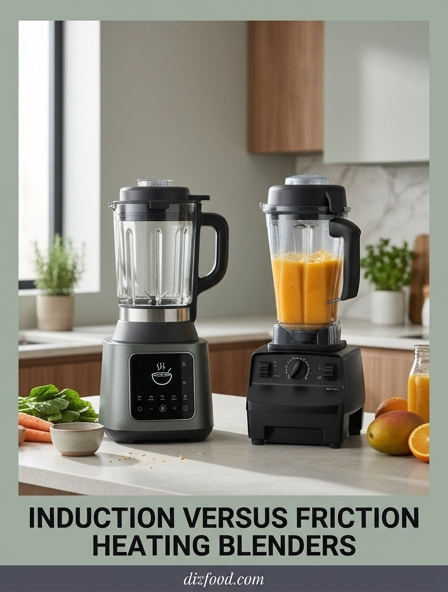
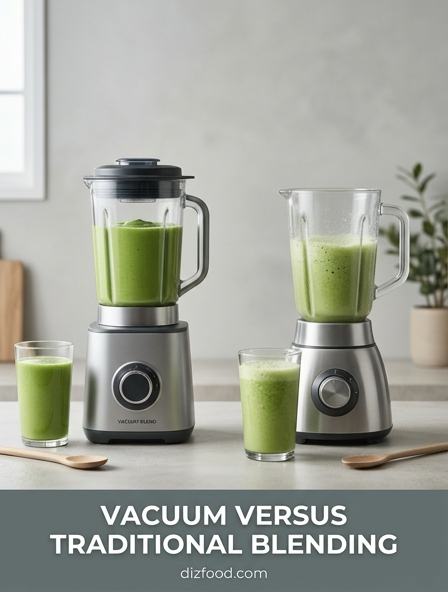
Understanding the science behind nutrient retention is crucial for anyone looking to maximize their daily health and wellness. When we process raw fruits and vegetables, exposure to oxygen and heat acts as a catalyst that quickly degrades sensitive phytonutrients, enzymes, and antioxidants. To achieve maximum nutritional density, we must focus on preparation techniques that shield these bioavailable compounds from rapid oxidation, ensuring every sip or bite delivers its full medicinal potential. Protecting these delicate cellular structures helps maintain vibrant colors and fresh flavors while significantly boosting your intake of essential vitamins. A key factor in this preservation process involves understanding the technical advantages of Vacuum Versus Traditional Blending.
Molecular Bioavailability Through Mechanical Shear
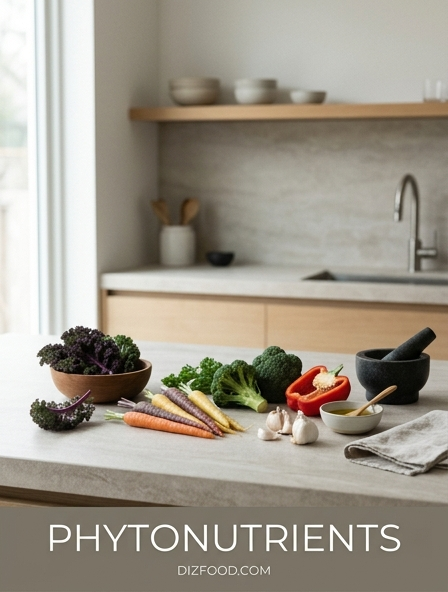
Mechanical shear in the kitchen refers to the physical force applied to food items, typically through high-speed blending or grinding. This process is essential for increasing the bioavailability of phytonutrients that are otherwise trapped within tough plant structures. When a blender blade spins at high revolutions per minute, it creates intense shear forces that break down the fibrous matrix of vegetables and fruits. This transition from whole food to a homogenized liquid state significantly increases the surface area exposed to digestive enzymes.
- Reduction of particle size to the micron level.
- Liberation of hydrophobic compounds from protein complexes.
- Increased solubility of dietary fibers.
By disrupting the physical barriers of the plant, mechanical shear ensures that the gut can absorb a higher percentage of beneficial compounds. For instance, the lycopene in tomatoes becomes far more bioavailable when the fruit is processed into a smooth paste compared to being consumed raw and whole. This mechanical intervention mimics and enhances the first stage of digestion, ensuring the molecular profile of the meal is optimized for nutrient uptake.
Minimizing Thermal Degradation During High Speed Blending
While high-speed blending is effective for nutrient release, it introduces the risk of thermal degradation. The kinetic energy generated by rapidly rotating blades is converted into heat, which can quickly raise the temperature of the ingredients. Many phytonutrients, particularly water-soluble vitamins and certain antioxidants, are thermolabile and begin to break down once temperatures exceed specific thresholds. To maintain the nutritional integrity of a blend, it is crucial to manage the duration of the processing cycle.
| Technique | Effect on Temperature | Nutrient Preservation |
|---|---|---|
| Pulse Function | Low Heat Accumulation | High |
| Pre-chilled Ingredients | Offsets Kinetic Heat | Very High |
| Extended High Speed | Significant Heat Gain | Low |
Utilizing frozen fruits or adding ice cubes can act as a thermal buffer, absorbing the heat generated by the motor and friction. Keeping the blending time under sixty seconds is generally recommended to ensure that the temperature remains below the point of significant nutrient loss, preserving the delicate molecular bonds of the food.
The Role of Vacuum Technology in Preventing Oxidation
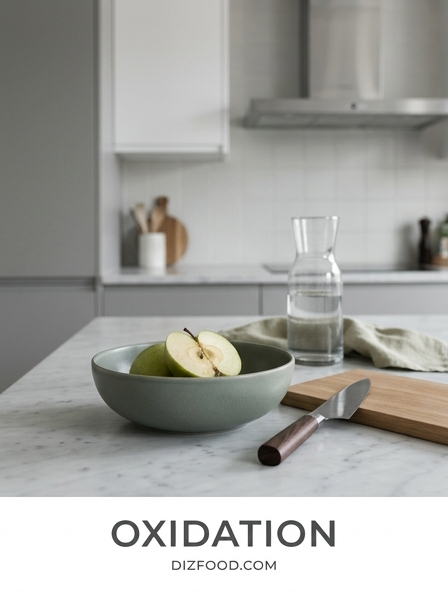
Oxidation is a primary cause of nutrient degradation during food preparation. When ingredients are blended traditionally, millions of tiny air bubbles are incorporated into the mixture, increasing the contact between oxygen and sensitive phytonutrients. This leads to the rapid browning of polyphenols and the destruction of Vitamin C. Vacuum blending technology addresses this by removing air from the blender jar before the blades begin to rotate. By creating a low-oxygen environment, the technology preserves the vibrant colors and chemical potency of the ingredients.
The benefits of reducing oxygen exposure include:
- Prevention of enzymatic browning in apples and avocados.
- Protection of delicate carotenoids and chlorophyll.
- Reduction of foam and separation in the final texture.
In a vacuum-sealed environment, the phytonutrients remain stable for a longer period post-processing. This technology is particularly beneficial for those who prepare smoothies in advance, as the lack of initial oxidation significantly slows down the subsequent rate of nutrient decay during storage, keeping the antioxidants intact for several hours longer than standard blending methods.
Maximizing Sulforaphane and Phytochemical Activation
Sulforaphane, a powerful phytochemical found in cruciferous vegetables like broccoli and kale, does not exist in the plant in its active form. Instead, it requires a chemical reaction between a precursor called glucoraphanin and the enzyme myrosinase. This reaction is triggered when the plant cells are damaged. In a kitchen setting, mechanical blending or fine chopping is the most efficient way to initiate this enzymatic activation. However, because myrosinase is heat-sensitive, the activation must occur before cooking or through specific raw processing techniques.
To maximize the yield of sulforaphane, one should consider the following steps:
- Blend raw cruciferous vegetables and allow them to sit for 40 minutes.
- Add a source of active myrosinase, such as mustard seed powder, to cooked greens.
- Avoid immediate heating after blending to allow the chemical conversion to complete.
The "wait time" is essential because it provides the enzyme enough window to convert the precursors into active sulforaphane before any heat is applied that might denature the proteins involved in the process. This strategic approach ensures the highest possible concentration of cancer-fighting compounds in the finished dish.
Enzymatic Stability and Temperature Control Thresholds
Enzymes are specialized proteins that catalyze biochemical reactions, and their stability is highly dependent on the temperature of their environment. In the kitchen, managing these thresholds is vital for preserving the "living" quality of raw foods. Most plant enzymes remain active between 40°F and 118°F. Once the temperature exceeds 120°F, many enzymes begin to denature, losing their functional shape and biological activity. This is particularly relevant when using high-powered blenders that can reach soup-making temperatures through friction alone.
| Temperature Range | Enzymatic State | Culinary Application |
|---|---|---|
| 32°F - 40°F | Dormant/Stable | Cold Storage |
| 70°F - 110°F | Highly Active | Fermentation/Activation |
| 120°F+ | Denaturing | Pasteurization/Cooking |
Monitoring the internal temperature of a blender jar with an infrared thermometer can provide precision in nutrient preservation. For those seeking the digestive benefits of exogenous plant enzymes, keeping the processing temperature within the "active" range ensures that these biological catalysts remain functional when they reach the digestive tract, aiding in the breakdown of complex macronutrients.
Cell Wall Disruption for Micronutrient Release
The primary barrier to micronutrient absorption in plant-based diets is the cell wall, which is composed of cellulose, hemicellulose, and pectin. Humans lack the enzyme cellulase required to break down these tough fibers effectively during chewing. High-speed blending acts as a surrogate for this biological limitation by mechanically rupturing the cell walls. This disruption releases the cytoplasm and the organelles, such as chloroplasts and chromoplasts, which house vital phytonutrients like chlorophyll and carotenoids.
Specific benefits of total cell wall disruption include:
- Release of bound phenolic acids from the fiber matrix.
- Improved access to minerals stored in the vacuoles.
- Enhanced extractability of fat-soluble vitamins.
When the cell wall is thoroughly shattered, the surface area available for intestinal absorption increases exponentially. This is why green smoothies are often more nutrient-dense than salads of the same volume; the blender performs the "heavy lifting" of cellular breakdown that the human jaw cannot achieve. Consequently, the body spends less energy on mechanical digestion and can focus on the assimilation of the liberated micronutrients.
Impact of Blade Friction on Heat Sensitive Vitamins
The physics of high-speed blending involves significant friction between the stainless steel blades and the food particles. This friction generates localized heat at the point of contact, which can be detrimental to heat-sensitive vitamins like Vitamin C, Vitamin B1 (thiamine), and Vitamin B9 (folate). These vitamins are particularly vulnerable to both heat and light. As the blades spin at speeds exceeding 200 miles per hour, the resulting temperature spike can occur in seconds, leading to a measurable decline in the vitamin concentration of the final product.
To mitigate the impact of friction, users should adopt specific blending protocols:
- Use short, high-intensity bursts rather than long, continuous runs.
- Incorporate frozen liquids to neutralize the frictional heat gain.
- Process dense ingredients first at lower speeds before adding delicate greens.
By understanding that blade speed is a double-edged sword-necessary for texture but risky for nutrition-one can find a balance. The goal is to achieve the desired consistency while keeping the mixture cool enough to ensure that the delicate chemical structures of the vitamins remain intact and biologically available for the consumer.
Synergistic Food Pairing for Enhanced Nutrient Absorption
Phytonutrient absorption is not just about how you process food, but also what you pair it with. Many beneficial compounds are fat-soluble, meaning they require the presence of lipids to be transported across the intestinal wall. When blending or preparing meals, adding a source of healthy fats can increase the absorption of carotenoids, such as beta-carotene and lycopene, by several hundred percent. This synergy turns a simple meal into a highly efficient delivery system for antioxidants.
| Nutrient | Synergistic Partner | Mechanism |
|---|---|---|
| Curcumin | Piperine (Black Pepper) | Inhibits Metabolic Clearance |
| Carotenoids | Avocado/Nuts | Micelle Formation |
| Iron (Non-heme) | Vitamin C | Enhanced Reduction/Solubility |
Beyond fats, other pairings like black pepper with turmeric or lemon juice with spinach can significantly alter the bioavailability profile. Piperine in black pepper increases the absorption of curcumin by 2,000%, while Vitamin C converts plant-based iron into a form that is more easily absorbed by the body. These kitchen-level chemical adjustments are vital for maximizing the therapeutic potential of the phytonutrients present in the diet.
Reducing Nutrient Loss During Post Blending Storage
Once the cellular structure of food is disrupted through blending, the countdown for nutrient degradation accelerates. The increased surface area, while good for absorption, also makes the food more susceptible to environmental factors. Exposure to light, air, and room temperature can lead to rapid oxidation and the loss of volatile compounds. To preserve the nutritional value of a blend for later consumption, storage conditions must be strictly controlled to minimize these external influences.
Key strategies for post-blending preservation include:
- Storing in airtight, glass containers filled to the brim to minimize head-space air.
- Using opaque or dark-colored bottles to block UV light degradation.
- Maintaining a storage temperature of 34°F to 38°F in the refrigerator.
Adding a squeeze of citrus juice can also help; the citric acid acts as a natural preservative and antioxidant, shielding other nutrients from oxidation. However, even with these precautions, the concentration of phytonutrients will inevitably decline over time. For the most potent results, blended foods should ideally be consumed within 24 hours of preparation to capture the nutrients at their peak molecular stability.
Optimal Blending Durations for Preserving Antioxidant Capacity
The duration of blending is a critical variable in the quest for maximum antioxidant capacity. There is a "sweet spot" where the particle size is sufficiently reduced to allow for nutrient release, but before the effects of oxidation and heat become dominant. Research indicates that for most high-powered machines, this window is surprisingly short. Blending for too little time leaves large fiber clusters that shield nutrients from the gut, while blending for too long introduces excessive oxygen and thermal energy that destroys the very compounds being sought.
To optimize blending durations, consider the following timeline:
- 0-20 Seconds: Initial breakdown of soft fruits and liquids.
- 20-45 Seconds: Complete homogenization and cell wall rupture of fibrous greens.
- 45-90 Seconds: Transition to thermal gain and potential oxidation.
For most applications, a total blending time of 30 to 45 seconds is sufficient to achieve a professional texture while maintaining a high antioxidant profile. By timing the process precisely, one can ensure that the kinetic energy is used efficiently for structural breakdown without crossing the threshold into nutritional degradation, resulting in a drink that is both smooth and chemically potent.


Comments