
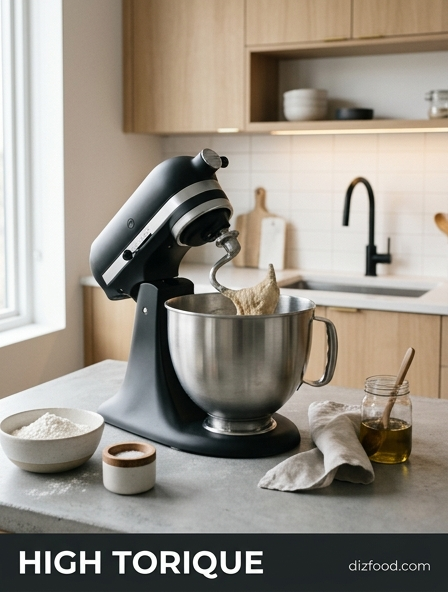
Power and Performance of High Torque Motors
High torque motors represent the engineering pinnacle of modern kitchen appliances, specifically designed to maintain rotational momentum under extreme resistance. Unlike standard consumer-grade motors that rely solely on high wattage to achieve speed, high torque systems prioritize the force behind the rotation. This ensures that when the blades encounter dense materials like frozen fruit or thick batters, the motor does not stall or lose efficiency. This mechanical advantage is achieved through superior copper winding and advanced electromagnetic configurations that allow for a more efficient transfer of energy.
- Consistent power delivery even at low speeds for delicate tasks.
- Reduced risk of motor burnout during heavy-duty processing cycles.
- Improved energy efficiency by minimizing heat dissipation during use.
- Enhanced capability to handle high-viscosity mixtures without speed drops.
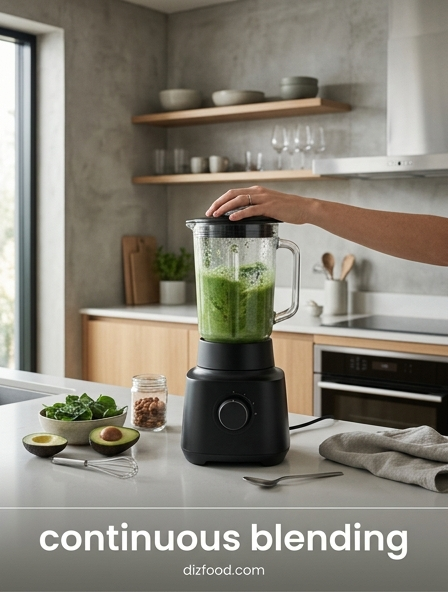
The performance of these motors is often characterized by their ability to reach peak operating capacity almost instantaneously. This immediate response is critical for culinary applications where timing and precision are paramount. By integrating high torque technology, desktop blenders can operate for longer durations, making them suitable for both demanding home environments and light commercial settings where reliability is a non-negotiable requirement for daily food preparation.
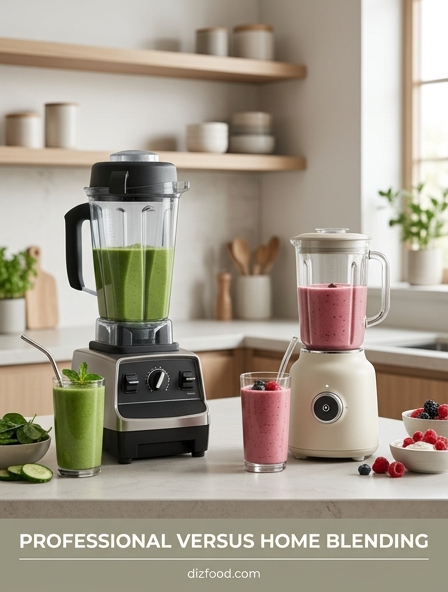
Professional Texture Control for Home Chefs
Achieving the perfect texture in culinary creations requires more than just raw power; it demands a sophisticated level of control over the blending process. High torque kitchen equipment provides the necessary stability to manipulate ingredients at varying speeds, allowing chefs to transition from coarse chopping to silky emulsification with ease. This control is vital when working with sensitive ingredients that can easily over-process if the motor speed fluctuates unexpectedly. Professional-grade machines utilize variable speed dials and pulse functions that react instantly to user input.
- Initiate blending at low speeds to break down large, solid fragments.
- Gradually increase velocity to aerate and refine the mixture's consistency.
- Use high-torque pulses to incorporate dense additives without liquefying them.
- Finalize with a high-speed cycle to ensure complete molecular breakdown.
The result of this precision is a significant elevation in food quality. Home chefs can produce textures that were previously reserved for high-end restaurants, such as perfectly smooth hollandaise, velvety soups, and airy mousses. The mechanical consistency provided by high torque motors eliminates the "stuttering" often found in cheaper models, ensuring that every layer of the mixture is exposed to the blades uniformly throughout the entire blending cycle.
Mastering Tough Ingredients with Desktop Power
The true test of any kitchen appliance lies in its ability to process challenging ingredients that typically cause mechanical strain. High torque desktop powerhouses excel in breaking down fibrous vegetables, hard nuts, and solid ice. The sheer force exerted by the drive socket allows the blade assembly to slice through cellular structures rather than simply bouncing off them. This is particularly important for health-conscious individuals who utilize kale, ginger, or wheatgrass, as these ingredients require significant mechanical force to release their nutrients and achieve a palatable drinkable state.
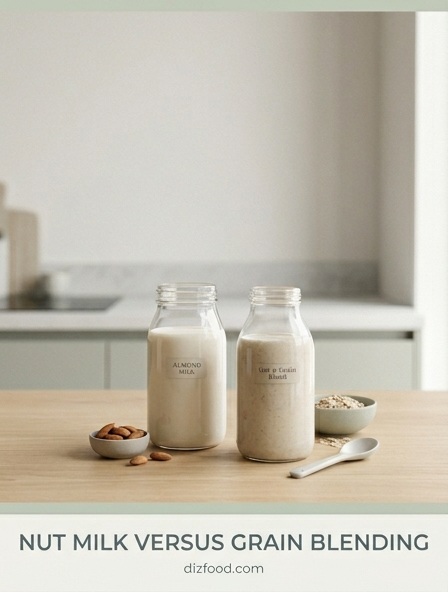
- Pulverizing almond and cashew skins for grit-free nut milks.
- Crushing ice into a fine, snow-like consistency for frozen desserts.
- Liquefying tough root vegetables for nutrient-dense smoothies.
- Grinding coffee beans or grains into consistent, fine flours.
By leveraging high torque, these machines reduce the overall processing time, which in turn minimizes the oxidation of ingredients. Shorter blending times mean that heat-sensitive vitamins and enzymes are preserved, resulting in a more nutritious final product. The robust nature of these appliances means that even the most difficult recipes-such as thick hummus or dense pizza dough-can be tackled without the manual intervention of stirring or shaking the container mid-cycle.
Engineering Behind High RPM Blending
While torque provides the force, High Revolutions Per Minute (RPM) provide the finishing finesse. The engineering behind high RPM blending involves a complex balance of aerodynamics, thermal management, and structural integrity. As blades rotate at speeds exceeding 20,000 RPM, they create a localized vacuum known as a vortex, which pulls ingredients down toward the cutting edge. This creates a continuous cycle of processing that is essential for achieving ultra-fine particles. However, such high speeds generate significant friction and heat, necessitating advanced cooling systems within the base.
| Feature | Engineering Impact |
|---|---|
| Dual Cooling Fans | Prevents overheating during 5+ minute blend cycles. |
| Metal Drive Systems | Ensures power transfer without stripping plastic gears. |
| Ball Bearing Assemblies | Reduces friction for smoother, quieter high-speed operation. |
Furthermore, the materials used in high RPM machines must be aerospace-grade to withstand the centrifugal forces applied. The drive socket, which connects the motor to the blade assembly, is typically constructed from hardened steel or reinforced alloys. This ensures that the mechanical energy is transferred with minimal loss, allowing the machine to sustain its peak performance even when the container is filled to maximum capacity with dense, resistant ingredients.
Precision Blade Technology for Smooth Results
The blades of a high torque blender are far more than simple cutting tools; they are precision-engineered instruments designed to maximize contact with the ingredients. High-performance blades are often laser-cut from hardened stainless steel, featuring specific angles and serrations to facilitate different types of food processing. Some blades are blunt by design, relying on the massive force of the high torque motor to pulverize ingredients through sheer impact rather than cutting. This approach is often more effective for breaking down the cell walls of fibrous plants and tough seeds.
- Multi-angled designs to eliminate "dead zones" in the blender jar.
- Hardened steel construction to maintain edge integrity over years of use.
- Wingtip geometries that enhance the downward vortex effect.
- Anti-corrosive coatings for longevity against acidic ingredients.
Precision blade technology also plays a crucial role in the homogenization of liquids. When creating emulsions like vinaigrettes or mayonnaise, the blade must be able to shear oil molecules into tiny droplets that can be suspended in water. The combination of high torque and specialized blade geometry ensures that these emulsions are stable and will not separate shortly after preparation. This level of mechanical reliability is what distinguishes professional culinary results from standard home blending outcomes.
Versatility from Smoothies to Nut Butters
The versatility of high torque kitchen equipment is perhaps its most compelling feature for the modern cook. These machines are not limited to simple beverage preparation; they function as multi-purpose processors capable of handling a wide spectrum of culinary tasks. For example, creating homemade nut butter requires the motor to run for several minutes against a very thick, oily paste. A low-torque motor would quickly overheat and shut down, whereas a high torque system can sustain the necessary pressure to release the natural oils from the nuts, resulting in a creamy spread.
- Fruit and vegetable smoothies with zero pulp residue.
- Homemade nut butters and seed pastes from raw ingredients.
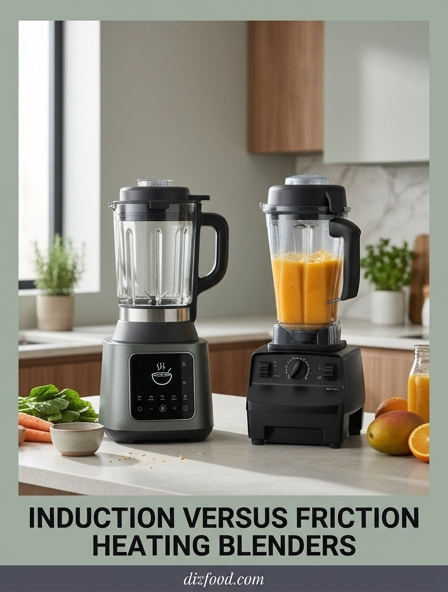
- Hot soups generated by the friction of high-speed blending.
- Frozen treats including sorbets, ice creams, and margaritas.
- Grinding dry spices and grains into fresh powders.
This range of functionality allows users to replace several smaller appliances with a single high-performance unit. By consolidating tasks such as grinding, mixing, and heating into one machine, the kitchen workflow becomes more streamlined. The ability to move from a morning green juice to an evening hot tomato soup using the same base unit demonstrates the incredible adaptability of high torque technology in a domestic setting.
Optimizing Your Kitchen with Desktop Blenders
Integrating a high torque desktop blender into the kitchen environment requires an understanding of both its physical footprint and its operational capabilities. These machines are designed to be the workhorses of the countertop, often featuring taller profiles to accommodate larger batches and more powerful motors. To optimize their use, placement should be near a dedicated power outlet capable of handling the high initial draw of the motor. Stability is also a key factor; high torque units are typically heavier, featuring rubberized feet to prevent "walking" across the counter during high-speed operation.
Efficiency in the kitchen is further enhanced by the ease of cleaning associated with these modern designs. Many high-performance blenders feature a self-cleaning cycle where the high torque motor creates a powerful turbulent action with just a drop of soap and warm water. This eliminates the need to disassemble the blade assembly, which preserves the seals and prevents leaks over time. By reducing the friction of both preparation and cleanup, these machines encourage more frequent use and experimental cooking, ultimately leading to a more dynamic and productive culinary environment.
Superior Durability for High Performance Tasks
Durability in high torque equipment is achieved through a "built-to-last" philosophy that focuses on the quality of internal components. Unlike budget appliances designed for occasional use, high-performance tasks require a build quality that can withstand daily thermal expansion and mechanical stress. This starts with the housing, which is often made from high-impact polymers or die-cast metals. Internally, the use of thermal sensors ensures that if the motor does approach its heat limit, it will automatically shut down before permanent damage occurs.
- Reinforced power cords to handle high current without degradation.
- Heavy-duty seals that prevent liquid from entering the motor base.
- Metal-on-metal coupling systems for the most robust drive connection.
- Advanced ventilation paths to exhaust hot air away from the user.
This focus on durability extends to the warranty and serviceability of the units. High torque machines are often backed by long-term guarantees, reflecting the manufacturer's confidence in the engineering. Components like the carbon brushes in the motor and the bearings in the blade assembly are designed for thousands of hours of operation. For the user, this means a higher upfront investment that pays for itself over time by avoiding the frequent replacement cycles common with lower-tier kitchen gadgets.
Achieving Consistent Culinary Purees
The hallmark of a high-quality dish is often the consistency of its sauces and purees. In professional kitchens, achieving a "passable" texture usually requires straining the mixture through a fine-mesh chinois. However, with the application of high torque blending, this extra step often becomes unnecessary. The motor's ability to maintain high speeds while under the load of thick vegetable fibers allows for a level of micronization that standard blenders cannot match. This results in a puree that is perfectly smooth to the palate, with no detectable grains or fibers.
Consistency is also about repeatability. Because high torque motors are governed by sophisticated electronic speed controls, they deliver the same power output every time the machine is turned on, regardless of how much food is in the jar. This allows chefs to develop precise recipes where the blending time is standardized. Whether processing a small garnish or a large batch of base sauce, the mechanical behavior remains predictable. This reliability is essential for maintaining brand standards in a commercial kitchen or ensuring that a favorite family recipe turns out perfectly every single time it is prepared.
Selecting the Best High Torque Equipment
Choosing the right high torque equipment requires a careful evaluation of specifications beyond just peak horsepower. Prospective buyers should look at the "rated" or "continuous" power, which indicates what the motor can sustain during a long blending cycle. Additionally, the interface-whether it be tactile switches, digital touchscreens, or manual dials-should align with the user's preference for control. The container material is also a vital consideration; BPA-free copolyester is the industry standard for its combination of clarity, lightweight handling, and extreme impact resistance.
| Criterion | Ideal Specification |
|---|---|
| Motor Rating | 2.0 Peak HP or higher for true high-torque. |
| Warranty | 5 to 10 years for premium durability. |
| Container | Tritan or similar impact-resistant material. |
| Drive Socket | Stainless steel or hardened alloy construction. |
Finally, consider the noise levels and footprint. While high torque motors are inherently louder due to their power, many modern designs incorporate noise-dampening enclosures or specialized airflow designs to muffle the sound. Selecting a model that balances power with user comfort ensures that the appliance becomes a staple of the kitchen rather than a stored-away specialty tool. By prioritizing these engineering markers, consumers can invest in a machine that provides professional-grade results for years to come.

Comments