
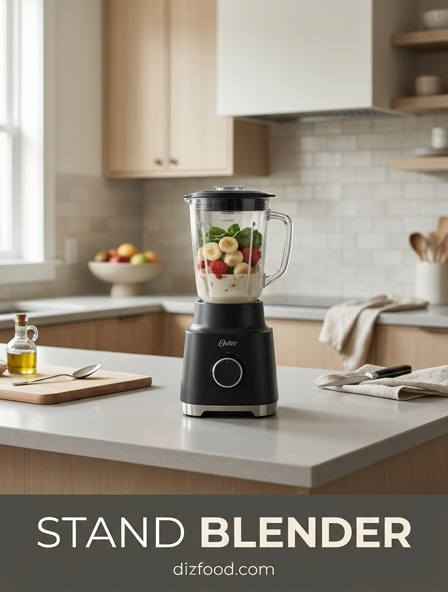
Superior Motor Power for Tough Ingredients
The heart of any high-performance stand blender lies in its motor. Superior motor power, often measured in peak horsepower or high wattage, is essential for tackling the most demanding culinary tasks. When dealing with dense ingredients like raw almonds, fibrous kale, or frozen root vegetables, a weak motor may stall or overheat. High-torque motors are engineered to maintain consistent blade speed even when the resistance within the jar increases significantly.
- High-wattage motors ranging from 1200 to 1500 watts for residential use.
- Cooling systems designed to prevent thermal shutdown during long blends.
- Direct-drive mechanisms that transfer energy efficiently from motor to blade.
- Heavy-duty copper windings for increased longevity and heat resistance.
By investing in a blender with a robust motor, users can achieve professional-grade results at home. This power allows for the creation of homemade nut butters, where the friction and density require sustained force over several minutes. Without sufficient power, the motor risks burning out, whereas a superior motor handles these tough ingredients with ease and reliability.
Achieving the Perfect Smoothie Consistency
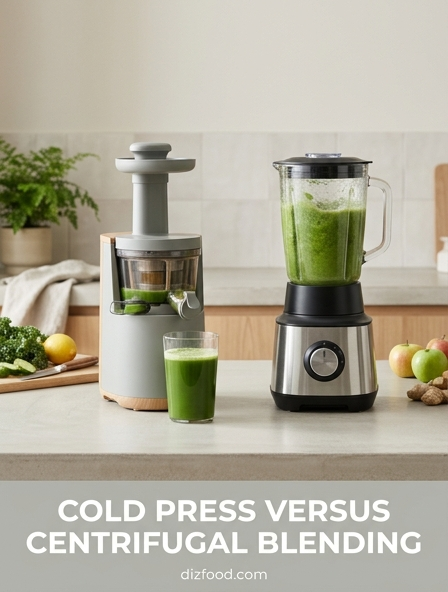
The hallmark of a premium stand blender is its ability to produce a perfectly smooth texture without any residual chunks. This consistency is achieved through a combination of blade geometry and jar design, which together create a powerful vortex. This vortex continuously pulls ingredients down into the blades, ensuring that every particle is processed multiple times. Achieving this level of refinement is particularly important for green smoothies, where leafy greens like spinach or collard greens can often remain stringy if not blended at high speeds.
The interaction between the liquid base and solid ingredients is crucial. A well-designed blender aerates the mixture slightly, giving the smoothie a light, velvety mouthfeel rather than a heavy, grainy one. Whether you are using fresh fruit, protein powders, or yogurt, the goal is a homogenous emulsion that does not separate quickly. The high-speed rotation effectively breaks down cell walls, releasing more flavor and creating a uniform drink that mimics the quality of specialized juice bars. Consistency is not just about aesthetics; it also affects the overall taste and drinking experience.
High-Velocity Blades for Frozen Fruit
Frozen fruits present a unique challenge for kitchen appliances due to their hardness and low temperature. High-velocity blades are specifically crafted from hardened stainless steel to withstand the impact of frozen strawberries, mangoes, and bananas. These blades do not necessarily need to be sharp in the traditional sense; instead, they rely on blunt force and incredible speed to pulverize frozen matter into a smooth puree.
| Blade Feature | Functional Benefit |
|---|---|
| Laser-Cut Stainless Steel | Resists corrosion and maintains structural integrity. |
| Dual-Angle Design | Simultaneously crushes and circulates ingredients. |
| Ball-Bearing Assembly | Reduces friction for higher RPM thresholds. |
When processing frozen fruit for sorbets or smoothie bowls, the speed of the blades generates a small amount of friction heat. This subtle warmth helps slightly soften the outer edges of the frozen fruit, allowing them to bind together into a creamy, soft-serve consistency. High-velocity blades ensure that no large icy fragments remain, providing a professional finish to any frozen treat.
The Advantage of Large Batch Blending
For families or those who enjoy meal prepping, the capacity of a stand blender is a significant advantage. Large-capacity jars, typically ranging from 64 to 72 ounces, allow users to prepare multiple servings in a single cycle. This efficiency is vital when hosting guests or preparing a week's worth of soup or sauce. The geometry of a larger jar also provides more room for the vortex to expand, which can lead to more efficient blending of voluminous ingredients like salad greens.
- Prepare family-sized batches of healthy morning smoothies.
- Blend large quantities of hot soups for winter meal storage.
- Mix batters for pancakes or waffles for a crowd without making a mess.
- Create bulk amounts of salsa or hummus for social gatherings.
Furthermore, large batch blending reduces the time spent in the kitchen. Instead of running multiple cycles and cleaning the jar repeatedly, a single large-capacity blend gets the job done. Many modern jars are designed with a low-profile shape to fit comfortably under standard kitchen cabinets while still maintaining their high-volume capacity, combining convenience with functionality.
Crushing Ice with Precision and Ease
Not all blenders are created equal when it comes to ice. Achieving "snow" rather than just cracked ice requires a specific pulse frequency and blade impact force. A high-quality stand blender can transform ice cubes into a fine, fluffy texture ideal for margaritas, daiquiris, or snow cones. This process requires the blades to strike the ice with enough force to shatter it instantly, preventing the ice from melting due to prolonged processing time. Precision is key; you want uniform granules rather than a mix of slush and large chunks.
The pulse function is particularly useful for ice crushing, as it allows the ice to settle back onto the blades between bursts of power. This prevents the "bridge" effect where ice gets stuck above the blades. By using short, powerful bursts, the blender maintains control over the final texture. This capability is often a benchmark for motor quality, as ice puts significant stress on the drive socket. A blender that can crush ice with ease demonstrates high-end engineering and robust components that are built to last through years of entertaining and beverage crafting.
Hands-Free Operation and Programmable Settings
Modern stand blenders have evolved beyond simple "On" and "Off" switches. The integration of programmable settings allows for a "set it and forget it" workflow, which is invaluable in a busy kitchen. These presets are calibrated to vary the speed and duration of the blend based on the specific requirements of the recipe. For example, a smoothie setting might start slow to pull ingredients down and then ramp up to high speed for a silky finish, automatically stopping once the cycle is complete.
- Smoothie Presets: Optimized for fruit and ice integration.
- Hot Soup Cycles: Runs long enough to heat ingredients via friction.
- Ice Crush Mode: Utilizes timed pulses for uniform results.
- Self-Cleaning Mode: Pre-programmed for optimal agitation.
Hands-free operation means you can walk away to perform other tasks, such as cleaning up or preparing garnishes, without worrying about over-blending. Digital timers display the remaining time, providing precision that manual toggles cannot match. This automation ensures consistent results every time, regardless of who is operating the machine, making it a favorite for both novice cooks and seasoned chefs.
Durability for Daily Heavy-Duty Use
A stand blender is a significant investment, and its durability is paramount for those who use it daily. Heavy-duty construction typically involves high-grade materials that can withstand the vibrations and heat generated by a powerful motor. The base of the blender should be heavy enough to remain stable on the countertop during high-speed operation, preventing "walking" or tipping. Furthermore, the internal components, such as the drive metal-to-metal coupling, are far superior to plastic alternatives that can strip over time.
Long-term reliability is also found in the jar material. High-impact, BPA-free copolyester jars are preferred because they are shatterproof and resistant to the clouding that often occurs after processing acidic foods or abrasive ingredients like grains. Heat resistance is another factor; durable blenders can handle boiling liquids for soups without the risk of the jar cracking. When a blender is built for heavy-duty use, it often comes with an extended warranty, reflecting the manufacturer's confidence in the product's ability to endure the rigors of a demanding kitchen environment day after day.
Nutrient Extraction and Fiber Processing
The concept of nutrient extraction goes beyond simple blending. It refers to the breakdown of plant cell walls to release phytonutrients, vitamins, and minerals that are often locked away in tough fibers. High-performance blenders excel at this by spinning blades at speeds high enough to pulverize seeds, skins, and stems. This process makes the nutrients more bioavailable, meaning the body can absorb them more easily. Fiber processing is equally important; instead of removing the pulp like a juicer, a blender retains all the fiber but breaks it down so finely that it becomes part of a smooth liquid.
| Ingredient Type | Extraction Result |
|---|---|
| Leafy Greens | Chlorophyll and minerals fully integrated. |
| Seeds/Nuts | Healthy fats and proteins pulverized for absorption. |
| Whole Fruits | Pectin and fiber maintained in drinkable form. |
By consuming the whole fruit or vegetable, users benefit from the complete nutritional profile of the food. This method supports digestive health through high fiber intake while providing a convenient way to consume large quantities of produce in a single, delicious beverage.
Variable Speed Control for Texture Perfection
While presets are convenient, variable speed control offers the ultimate precision for culinary enthusiasts. This feature usually manifests as a dial that allows the user to manually adjust the RPM of the blades. This control is essential for recipes that require a specific texture, such as chunky salsas, hearty vegetable soups, or delicate emulsions like hollandaise sauce. By starting at the lowest speed, you can gently chop ingredients without liquefying them, gradually increasing the speed as needed.
- Start at speed 1 to incorporate dry powders into liquids.
- Slowly increase to speed 5 for medium-textured dicing.
- Ramp up to speed 10 for total liquification and aeration.
- Use the lowest setting to stir in ingredients at the end of a cycle.
Variable speed control provides a tactile connection to the blending process. It allows the cook to observe the texture in real-time and stop exactly when the desired consistency is reached. This versatility transforms the blender from a simple smoothie maker into a multi-functional kitchen tool capable of replacing food processors and mixers for certain tasks.
Easy Cleaning and Maintenance Solutions
The utility of a kitchen appliance is often judged by how easy it is to clean. Modern stand blenders address this with ingenious self-cleaning functions. By adding a drop of dish soap and some warm water to the jar, the blender can be run on high speed for 30 to 60 seconds to dislodge food particles from under the blades. This prevents the need for disassembly, which can be dangerous given the sharpness of the blade assembly. A quick rinse afterward usually leaves the jar sparkling and ready for the next use.
- Self-cleaning cycles that reach tight spots under the blades.
- Dishwasher-safe jars and lids for deep cleaning.
- Wipeable touchpads that prevent food buildup in buttons.
- Removable gaskets for thorough sanitation.
Regular maintenance is also streamlined in high-end models. Many feature sealed housings that prevent liquid from entering the motor base in the event of a spill. Keeping the blender clean not only ensures food safety but also extends the life of the seals and the motor by reducing strain. When maintenance is effortless, the blender is more likely to be used as a staple tool in daily cooking routines.

Comments