
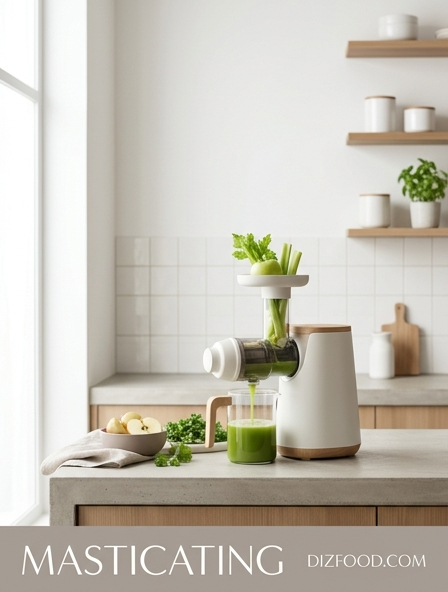
The Science of Cold Press Extraction
The science behind cold press extraction, often referred to as mastication, centers on a slow and deliberate mechanical process designed to mimic the human chewing action. Unlike high-speed extraction methods that rely on centrifugal force, masticating juicers utilize a heavy, rotating screw known as an auger. This component slowly crushes fruits and vegetables against a stainless-steel mesh screen. This method effectively tears open the plant's cellular membranes, allowing the liquid gold of the plant-the juice-to be separated from the fibrous pulp with minimal physical stress.
This extraction method is highly valued in the culinary world because it maintains the integrity of the produce. By applying high pressure at low speeds, the juicer ensures that the structural properties of the juice remain intact. Common components of this process include:
- Single or double auger systems for crushing.
- Conical or cylindrical strainers for filtration.
- Slow-geared motors that provide high torque.
- Pressure adjustment caps to optimize yield for different produce types.
Ultimately, the science of cold pressing is about efficiency and quality, ensuring that the maximum amount of liquid is extracted while keeping the chemical composition of the ingredients as close to their raw state as possible.
Minimizing Heat to Preserve Enzymes
One of the primary advantages of using a masticating juicer in the kitchen is its ability to operate without generating significant heat. Enzymes are delicate biological catalysts found in raw produce that facilitate digestion and support metabolic functions. These proteins are highly sensitive to temperature; once they are exposed to heat exceeding approximately 118 degrees Fahrenheit, they begin to denature, losing their functional shape and nutritional efficacy. Masticating juicers solve this problem by operating at very low revolutions per minute (RPM).
In a standard kitchen environment, a high-speed juicer can create a "heat zone" due to the friction of the blades spinning at thousands of rotations per minute. In contrast, the cold press method generates negligible friction. This ensures that the juice remains at room temperature or cooler throughout the extraction process. By keeping the temperature low, the live enzymes remain active and bioavailable for the consumer. This thermal stability is why cold-pressed juice is often considered a "living" food. Maintaining these enzymes not only boosts the nutritional profile but also helps the body process the natural sugars found in the juice more effectively, preventing the rapid spikes often associated with processed beverages.
Reducing Oxidation for Longer Freshness
Oxidation is the enemy of fresh juice, occurring when the liquid is exposed to oxygen, leading to the degradation of color, flavor, and nutrients. Masticating juicers are specifically engineered to minimize the amount of air incorporated into the juice during the extraction phase. Because the auger turns slowly, it does not whip air into the liquid, which prevents the frothing and foaming commonly seen in centrifugal models. This lack of aeration is critical for maintaining the chemical stability of the juice.
When juice is heavily oxidized, it turns brown and develops a bitter or flat taste shortly after being made. The cold press process keeps the cellular structure of the juice more stable, delaying the onset of spoilage. To maximize the freshness of your cold-pressed juice, consider the following steps:
- Store the juice in an airtight glass container immediately after extraction.
- Fill the container to the very top to eliminate any air gaps.
- Keep the juice refrigerated at temperatures below 40 degrees Fahrenheit.
- Add a slice of lemon or lime to provide natural citric acid as a preservative.
By controlling oxidation, masticating juicers allow users to prepare larger batches of juice that stay vibrant and tasty for several days rather than just a few minutes.
Masticating vs Centrifugal Juicing Methods
Choosing the right juicer depends on the user's priorities regarding speed, yield, and quality. While centrifugal juicers are known for their rapid pace, masticating juicers provide a more thorough extraction process. The following table highlights the key differences between these two common kitchen technologies:
| Feature | Masticating (Cold Press) | Centrifugal (High Speed) |
|---|---|---|
| Speed (RPM) | 40-80 RPM | 3,000-15,000 RPM |
| Heat Generation | Very Low | High (Friction-based) |
| Oxidation Level | Minimal | High (Air-infused) |
| Juice Yield | High (Dry Pulp) | Lower (Wet Pulp) |
| Leafy Green Performance | Excellent | Poor |
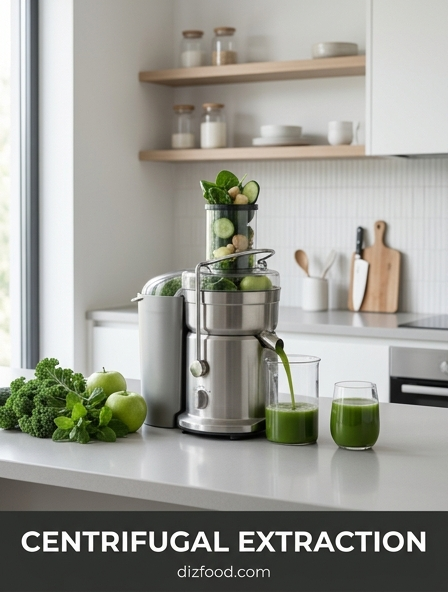
As shown, the masticating method is a superior choice for those who value nutrient density and versatility. While a centrifugal juicer might save time in the morning, the masticating juicer saves money over time by extracting more juice from the same amount of produce and allowing for the juicing of items like wheatgrass and herbs that high-speed blades simply cannot process efficiently.
Maximizing Vitamin and Mineral Yield
The efficiency of a masticating juicer is directly tied to its ability to squeeze every possible microgram of vitamins and minerals out of the plant fibers. High-speed juicers often leave a significant amount of moisture in the discarded pulp, which represents wasted nutrients. Because a cold press juicer uses an intense crushing and pressing motion, the resulting pulp is often bone-dry. This indicates that the liquid-and the heavy concentrations of Vitamin C, Vitamin A, and essential minerals like potassium and magnesium-have been successfully moved into the glass.
This thorough extraction is particularly noticeable when processing dense root vegetables like carrots and beets. The masticating process breaks down the tough lignin and cellulose walls that hold these nutrients captive. By liberating these elements, the user receives a much more concentrated dose of nutrition per ounce. Furthermore, because the juice is not diluted by excess heat or air, the specific gravity and mineral density remain higher. For those using juicing as a form of supplemental nutrition or therapy, the increased yield of vitamins and minerals makes the masticating juicer an essential tool for achieving health goals through dietary intervention.
The Role of Low Speed Rotation
The "slow" in slow juicing is the most critical technical specification of a masticating machine. Typically operating between 40 and 80 revolutions per minute, these machines prioritize torque over velocity. This low-speed rotation allows the auger to methodically grip the produce and pull it into the crushing chamber. This slow pace is what prevents the buildup of kinetic energy that converts into heat, thereby protecting the delicate phytonutrients within the fruits and vegetables.
From a mechanical perspective, low-speed rotation also ensures a quieter kitchen environment. High-speed centrifugal motors often sound like aircraft turbines, whereas a masticating motor produces a low hum, making it possible to juice early in the morning without disturbing the household. Additionally, the low speed reduces the wear and tear on the internal components. Since the machine isn't struggling against the high-frictional resistance of rapid spinning, the motor and gears tend to have a much longer lifespan. This durability, combined with the preservation of juice quality, highlights why the "slow" movement in juicing technology has gained such a dedicated following among health enthusiasts and professional chefs alike.
Extracting Nutrients from Leafy Greens
One of the most significant challenges in the kitchen is effectively extracting juice from leafy greens such as kale, spinach, chard, and wheatgrass. Centrifugal juicers fail in this area because the light, thin leaves are often flung into the pulp bin before the blades can even touch them. Masticating juicers, however, excel at this task. The auger system acts like a vice, tightly squeezing the greens against the screen to wring out every drop of chlorophyll-rich liquid.
This capability opens up a wider range of ingredients for the user, allowing for the inclusion of highly nutritious items:
- Wheatgrass: High in chlorophyll and antioxidants.
- Kale: A dense source of Vitamin K and calcium.
- Parsley and Cilantro: Excellent for detoxification and flavor.
- Collard Greens: Thick leaves that require high pressure for extraction.
Because leafy greens are often the most nutrient-dense foods available, the ability to juice them efficiently is a game-changer. Cold press juicers ensure that the dark, vibrant pigments-which indicate high antioxidant levels-are fully preserved in the final drink, providing a potent boost of plant-based nutrition that other juicing methods simply cannot match.
Superior Juice Quality and Texture
The sensory experience of drinking cold-pressed juice is markedly different from that of juice produced by high-speed methods. Due to the slow crushing process, the texture of the juice is incredibly smooth and consistent. In centrifugal juicing, the high speed often results in a thin, watery liquid with a thick head of foam on top. This foam is largely comprised of air and oxidized particles, which can be unappealing and cause digestive bloating. Masticating juice, by contrast, is dense, rich, and maintains its color throughout the glass.
Texture is further improved by the precise filtration systems used in cold press machines. While some pulp can be allowed through for those who prefer a "nectar" style juice, the standard output is a refined liquid that feels substantial on the palate. There is also no immediate separation; while centrifugal juice will often separate into layers of water and solids within minutes, cold-pressed juice remains emulsified for a much longer period. This stability means every sip tastes as full-bodied as the first. For those who appreciate the culinary nuances of fresh produce, the superior mouthfeel and vibrant taste profile of masticated juice make it the gold standard of home juicing.
Cellular Breakdown for Optimal Bioavailability
Bioavailability refers to the proportion of a nutrient that is absorbed and utilized by the body. Many of the most beneficial compounds in vegetables are locked within tough cell walls made of cellulose. Humans lack the enzymes to break down cellulose effectively, which is why raw vegetables require extensive chewing. Masticating juicers perform this "pre-digestion" by mechanically rupturing these cell walls during the slow-pressing process. This releases the intracellular fluid, including phytonutrients and antioxidants, making them instantly available for absorption.
By breaking down the cellular structure so thoroughly, the juicer ensures that the body does not have to work as hard to access the nutrition. This is particularly beneficial for individuals with sensitive digestive systems or those undergoing nutritional therapy. The resulting liquid is a concentrated "shot" of nutrients that enters the bloodstream quickly, providing a rapid energy boost without the digestive heavy lifting required by whole foods. This optimization of bioavailability is perhaps the most significant scientific reason to choose a masticating juicer, as it transforms raw produce into a highly efficient delivery system for essential vitamins and minerals.
Extended Shelf Life of Cold Pressed Juice
A major pain point with fresh juicing is the rapid degradation of the product. However, because masticating juicers minimize heat and oxidation, the resulting juice has a significantly longer shelf life. While centrifugal juice should be consumed within 20 to 30 minutes for maximum benefit, cold-pressed juice can typically be stored for up to 72 hours without a significant loss in nutritional quality or taste. This allows for "batch juicing," a convenient practice for busy individuals who want to prepare several days' worth of nutrition at once.
To ensure your juice remains safe and delicious over this extended period, follow these storage guidelines:
- Use glass bottles instead of plastic to avoid chemical leaching and air permeability.
- Ensure bottles are sanitized before use to prevent bacterial growth.
- Keep the juice in the coldest part of the refrigerator, usually the back of the bottom shelf.
- Shake gently before drinking, as some natural settling of fine solids is normal over 48 to 72 hours.
This longevity makes the masticating juicer a more practical kitchen appliance for long-term lifestyle changes, providing the flexibility to enjoy high-quality juice whenever it is most convenient.

Comments