
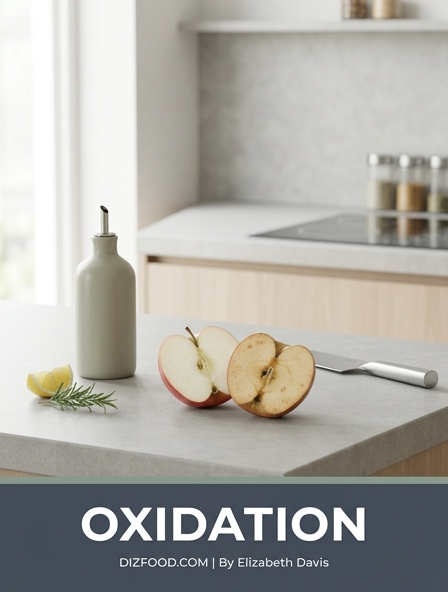
The Science Behind Juice Oxidation
Oxidation in the kitchen is a biochemical process that occurs when the internal cellular structures of fruits and vegetables are ruptured, exposing their sensitive compounds to oxygen. The primary catalyst for this reaction is an enzyme known as polyphenol oxidase (PPO). When oxygen enters the mix, PPO facilitates the conversion of phenolic compounds into quinones, which subsequently polymerize to create the brown pigment known as melanin. This is not merely a visual concern; the process fundamentally alters the nutritional profile and flavor of the juice.
- Enzymatic Browning: The rapid discoloration of apples, avocados, and bananas upon exposure to air.
- Nutrient Degradation: The loss of volatile antioxidants like Vitamin C as they react with oxygen molecules.
- Flavor Alteration: The development of "off" flavors as fats and aromatic compounds break down.
- Molecular Fragmentation: The physical breakdown of juice consistency due to cell wall degradation.
Understanding this cycle is vital for anyone looking to maximize the health benefits of fresh produce. Once the oxidation chain reaction begins, it continues until the substrate is exhausted or the enzyme is neutralized through external intervention.
Vacuum Blending for Nutrient Retention
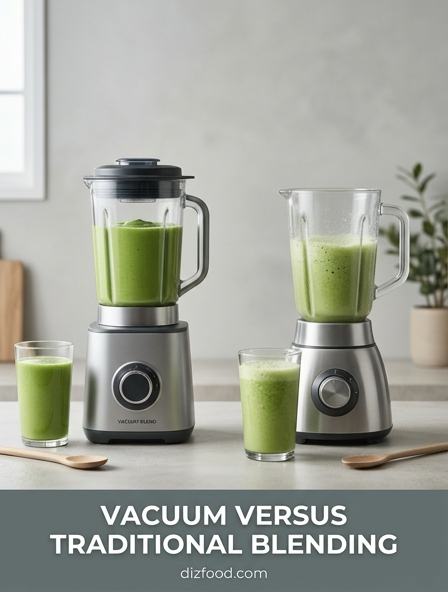
Vacuum blending represents a significant technological leap in the quest to minimize oxidation during the preparation of smoothies and juices. Traditional high-speed blenders pull a massive amount of air into the carafe, whipping oxygen directly into the liquid. This results in a frothy, aerated texture that begins to degrade almost instantly. In contrast, vacuum blenders utilize a specialized pump to remove the air from the container prior to the blades spinning. This creates a low-pressure environment where oxidation is physically impossible because the primary reactant-oxygen-is absent.
- Air Removal: The pump extracts oxygen to create a near-vacuum state.
- High-Speed Processing: The ingredients are pulverized without the introduction of air bubbles.
- Stable Emulsification: The lack of air results in a smoother, denser texture that does not separate as quickly.
- Pigment Preservation: Colors remain vibrant for hours, indicating that phytonutrients are still intact.
The visual difference is striking; vacuum-blended juices appear deeper in color and lack the foamy "head" found in standard blending. More importantly, the lack of oxygen ensures that light-sensitive and air-sensitive vitamins remain bioavailable for a much longer duration.
Controlling Heat and Blade Speed
The speed at which a blender or juicer operates has a direct correlation with the rate of oxidation. High-speed blades generate significant kinetic energy, which is partially converted into heat via friction. This thermal increase acts as a catalyst, accelerating the chemical reactions that lead to nutrient loss and spoilage. Even a minor rise in temperature can denature sensitive enzymes and destabilize the molecular bonds of essential vitamins.
| Factor | Effect on Oxidation | Mitigation Strategy |
|---|---|---|
| RPM Speed | Higher speeds increase air incorporation and friction. | Use pulses or lower speeds when possible. |
| Frictional Heat | Warmth accelerates enzymatic activity and browning. | Start with chilled ingredients or ice. |
| Processing Time | Longer exposure to moving blades increases air contact. | Minimize blending duration to under sixty seconds. |
By managing these variables, home cooks can protect the integrity of their beverages. Cold ingredients help absorb the heat generated by the motor, while efficient, sharp blades ensure that the food is processed quickly before too much thermal energy is absorbed by the liquid.
Using Citrus to Prevent Browning
Citrus fruits like lemons, limes, and oranges are powerful natural tools in the fight against oxidation. The secret lies in their high concentration of ascorbic acid, more commonly known as Vitamin C. Ascorbic acid acts as a sacrificial antioxidant; it reacts with oxygen before the oxygen can reach the enzymes in the produce. Additionally, the citric acid in these fruits lowers the pH level of the mixture, creating an acidic environment in which polyphenol oxidase becomes significantly less active.
- Enzyme Inhibition: Low pH levels denature the proteins responsible for browning.
- Oxygen Scavenging: Ascorbic acid neutralizes free radicals before they damage the juice.
- Flavor Brightening: The acidity enhances the natural sweetness of fruits while preserving freshness.
- Visual Stabilization: A few drops of lemon juice can keep a green smoothie vibrant for several extra hours.
When preparing juices meant for storage, incorporating at least ten percent citrus content is a highly effective strategy. This biological barrier provides a window of stability that plain water or other low-acid liquids cannot offer, ensuring the juice remains both palatable and nutritious.
Best Airtight Storage Containers
Selecting the correct vessel for juice storage is the final step in preventing environmental oxidation. The goal is to create a total barrier between the liquid and the atmosphere. Materials play a crucial role here, as some are more gas-permeable than others. Glass is generally considered the gold standard because it is non-porous and chemically inert, meaning it will not leach toxins or allow oxygen molecules to seep through its walls over time.
- Borosilicate Glass: Highly resistant to temperature changes and completely air-tight.
- Stainless Steel: Excellent for blocking light, which can also trigger photo-oxidation.
- Silicone Seals: Vital for ensuring the lid creates a hermetic seal that prevents air exchange.
- Vacuum-Seal Jars: Specialized containers that allow users to pump out excess air after filling.
Avoid using cheap plastics, which can be slightly porous at a microscopic level. Furthermore, ensure that the container is sized appropriately for the volume of juice; a large jar with only a small amount of liquid will trap a significant volume of air inside, defeating the purpose of an airtight seal.
Impact of Produce Freshness on Longevity
The oxidative stability of a juice begins long before it hits the blender; it starts at the moment of harvest. As soon as a fruit or vegetable is picked, its natural defense mechanisms begin to slow down, and internal enzymes start the slow process of senescence. Freshly harvested produce contains the highest levels of endogenous antioxidants, which help the juice resist oxidation once processed. Conversely, older produce has already undergone significant cellular stress, making it highly susceptible to rapid browning.
- Cellular Integrity: Fresh produce has stronger cell walls that protect internal compounds.
- Antioxidant Load: Higher initial Vitamin C levels provide a better buffer against air.
- Microbial Load: Older produce may harbor bacteria that accelerate fermentation and spoilage.
- Hydration Levels: Turgid, well-hydrated produce yields juice that is less prone to immediate separation.
For the best results, utilize "farm-to-table" principles. If produce must be stored, keeping it in a cold, humid environment will help preserve its chemical defenses. Using wilting or bruised produce for juicing will inevitably lead to a drink that oxidizes within minutes rather than hours.
Filling Containers to Minimize Headspace
Headspace refers to the pocket of air trapped between the top of the liquid and the lid of a storage container. This air is a reservoir of oxygen that will continuously react with the juice until the oxygen is depleted or the juice is ruined. To maximize the shelf life of fresh juice, one must minimize this headspace as much as possible. The ideal scenario is to fill the container until the liquid is almost touching the lid, leaving only a tiny margin for thermal expansion.
- Select Variable Sizes: Keep a range of jars to match the specific volume of juice produced.
- The "Overflow" Method: Fill the jar until a slight meniscus forms at the rim before capping.
- Displacement Techniques: Use clean glass fermentation weights to take up volume if the jar is too large.
- Immediate Capping: Seal the container the instant it is filled to prevent unnecessary air circulation.
By eliminating the air pocket, you drastically reduce the surface area exposed to oxygen. Even if the container is airtight, the air trapped inside at the moment of sealing is enough to significantly degrade the nutritional value of the juice over a 24-hour period.
Cold Press vs Centrifugal Oxidation
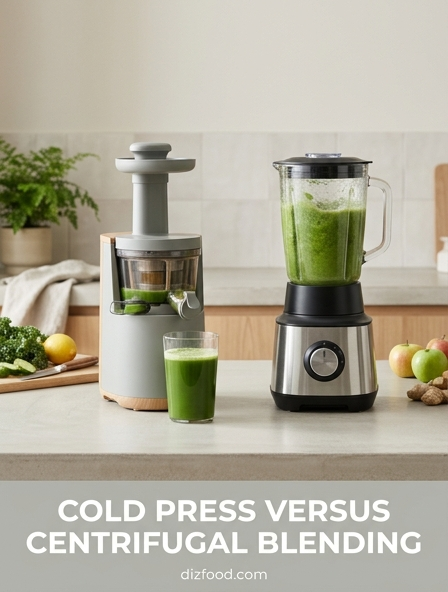
The mechanical method of juice extraction is perhaps the most influential factor in how fast a juice will oxidize. Centrifugal juicers operate at extremely high speeds, using a flat cutting blade to shred produce. This process creates a "cyclone" effect that forces air into the juice, leading to immediate aeration and foam. On the other hand, cold press (masticating) juicers use a slow-turning auger to crush and squeeze the produce, which introduces very little air into the final product.
| Feature | Centrifugal Juicer | Cold Press Juicer |
|---|---|---|
| Operating Speed | 6,000 - 15,000 RPM | 40 - 80 RPM |
| Air Incorporation | High (causes foam) | Minimal (liquid is dense) |
| Shelf Life | Short (approx. 2-4 hours) | Long (up to 72 hours) |
The slow, methodical pressing of a cold press juicer preserves the delicate enzymes and prevents the heat buildup associated with high-speed blades. This results in a juice that stays vibrant, flavorful, and nutritionally dense for significantly longer storage periods compared to its centrifugal counterparts.
Enzyme Protection in Smoothies
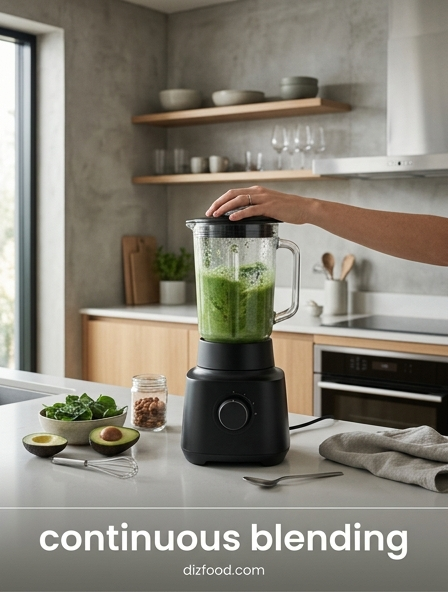
Smoothies differ from juices because they contain the full fiber profile of the plant, which acts as a natural buffer against rapid oxidation. However, the high-speed blending required to create a smooth texture can still be detrimental to enzyme health. Enzymes are biological catalysts that facilitate digestion and metabolic functions, and they are highly sensitive to the physical shear forces of blender blades. To protect these enzymes, blending should be done in short bursts rather than long, continuous cycles.
- Fiber Buffering: Cellulose and pectin help encapsulate some nutrients, slowing oxygen access.
- Temperature Management: Adding frozen fruit keeps the mixture cold, protecting heat-sensitive enzymes.
- Phytochemical Synergies: Combining different produce types can provide a broader spectrum of antioxidant protection.
- Pulse Blending: Using the pulse setting reduces the total time the blades are in motion.
While smoothies are naturally more stable than strained juices due to the presence of solids, they are not immune to browning. Consuming them immediately or utilizing vacuum technology remains the best practice for ensuring that the living enzymes remain functional when they reach your system.
Identifying and Avoiding Nutrient Loss
Recognizing the signs of oxidation is essential for assessing the nutritional value of your kitchen creations. The most obvious indicator is color change; a vibrant green juice turning muddy brown or a bright orange juice becoming dull and grey are clear signs that chemical degradation has occurred. However, sensory changes go beyond the visual. A metallic or "cardboard-like" taste often signals that the healthy fats and delicate vitamins have been compromised by oxygen exposure.
- Color Shift: The transition from bright pigments to dull, brown hues.
- Texture Separation: The liquid and solids dividing into distinct, unappealing layers.
- Odor Changes: A loss of fresh, floral aromas, replaced by a flat or sour smell.
- Flavor Muting: The disappearance of sharp, crisp notes in favor of a bland sweetness.
To avoid these losses, focus on the "prep and consume" timeline. The shorter the window between the destruction of the plant's cell walls and the consumption of the juice, the higher the nutrient density will be. If storage is necessary, the combination of cold temperatures, airtight containers, and acid stabilization is the only way to effectively slow the inevitable march of oxidation.


Comments