
Deciphering Blender Wattage and Motor Strength
When selecting a kitchen blender, wattage is often the first specification consumers notice. This number represents the electrical power consumed by the motor, but it does not always translate directly to blending efficiency. High wattage generally indicates a more robust motor capable of sustaining high speeds under heavy loads, such as crushing ice or grinding grains. However, the relationship between wattage and actual torque is influenced by the internal gear system and cooling mechanisms. A high-wattage motor that lacks efficient ventilation may overheat quickly, leading to performance degradation over time.
- 300W - 500W: Suitable for soft fruits, protein shakes, and light liquids.
- 600W - 900W: Ideal for daily smoothies, frozen fruit, and standard meal prep.
- 1000W - 1500W+: Professional grade, designed for nut butters, hot soups, and heavy ice crushing.
Understanding these ratings helps in identifying which appliance fits your specific culinary needs. While a 1200-watt motor offers immense strength, it may be unnecessary for someone who only prepares basic fruit juices. Conversely, attempting to process thick batters with a 300-watt motor can result in motor burnout. Evaluating the build quality alongside wattage provides a clearer picture of long-term durability and effectiveness.
The Impact of Power on Texture Consistency
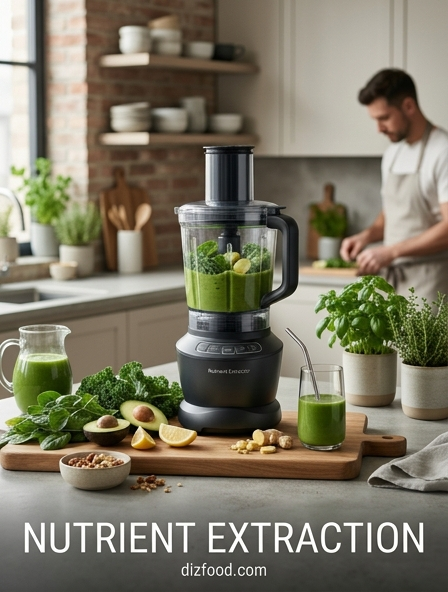
The primary goal of high-power output in a blender is the achievement of a perfectly smooth texture. When a motor operates at high revolutions per minute (RPM), the blades strike the ingredients with enough force to rupture cell walls, releasing more nutrients and creating a microscopic particle size. This is particularly noticeable when working with fibrous vegetables like kale or spinach, which can remain gritty in lower-powered machines. Consistency is not just about speed; it is about maintaining that speed when the mixture thickens.
In emulsification tasks, such as making hollandaise sauce or mayonnaise, consistent power output ensures that oil droplets are evenly dispersed throughout the base. A fluctuating motor speed can cause the emulsion to break, resulting in an unappealing oily mess. High-performance blenders utilize advanced circuitry to monitor blade resistance, automatically adjusting the power flow to keep the RPMs steady. This technical precision is what separates a professional-grade smoothie from one that contains unblended chunks of ice or fruit skins, ultimately elevating the sensory experience of the final dish.
Blending Tough Ingredients with High-Torque Motors
Tough ingredients require more than just raw speed; they demand high torque, which is the rotational force the motor applies to the blades. When processing dense items like frozen mangoes, raw carrots, or almonds, the resistance against the blades is significant. A motor with low torque will slow down or stall, causing the appliance to struggle and emit a burning smell. High-torque motors are engineered to push through this resistance without losing momentum, ensuring a continuous vortex that pulls ingredients down toward the cutting assembly.
| Ingredient Type | Recommended Wattage | Outcome with High Torque |
|---|---|---|
| Frozen Berries | 700W - 900W | Uniform sorbet-like consistency |
| Dry Grains | 1000W - 1200W | Fine flour without overheating |
| Fibrous Greens | 900W+ | Liquid silk texture, no pulp |
| Nut Butters | 1200W - 1500W | Creamy spread in under 3 minutes |
By investing in a high-torque system, home cooks can expand their repertoire to include homemade nut milks and gluten-free flours. These tasks put the most strain on kitchen appliances, making power output a critical factor for those who enjoy whole-food cooking from scratch.
Portable Blenders for On-the-Go Lifestyles
Portable blenders have carved out a significant niche by prioritizing convenience over raw power. These devices typically operate on lower wattage, often ranging from 50 to 200 watts, which is sufficient for mixing powders or blending soft fruits. Because they are designed for immediate consumption, the jars often double as travel cups, reducing the amount of cleanup required. The power output in these units is finely tuned to balance battery efficiency with the ability to handle a quick morning smoothie.
While they may not be capable of crushing large ice cubes or processing dry nuts, their utility lies in their mobility. For office workers, gym enthusiasts, or travelers, a portable blender offers the ability to enjoy fresh beverages anywhere. The evolution of these devices has seen improvements in blade design, allowing them to maximize the limited power available. Users must adapt their prep style by cutting ingredients into smaller pieces, ensuring the compact motor can effectively circulate the contents. Despite their smaller stature, they represent a vital segment of kitchen technology for modern, fast-paced lifestyles.
Balancing Countertop Footprint and Performance
One of the most common dilemmas in kitchen organization is the trade-off between the size of an appliance and its power capabilities. High-output motors are physically larger and require more substantial housing to manage vibration and noise. This often results in a bulkier countertop footprint that may not be suitable for small kitchens or apartments with limited prep space. Manufacturers are increasingly looking for ways to pack more power into slimmer profiles by utilizing denser motor windings and more efficient cooling fans.
- Measure your cabinet clearance before purchasing high-profile blenders.
- Consider "personal" high-power blenders that offer 900W in a narrow base.
- Look for modular designs where the motor base can be easily tucked away.
- Evaluate if a multi-purpose base (blender and food processor) saves more total space.
Achieving the right balance involves assessing how often the appliance will be used. If daily use is expected, a permanent spot on the counter for a high-performance machine is justified. For occasional users, a mid-range model that balances modest power with a compact frame provides the best of both worlds without cluttering the culinary workspace.
Cordless Blending Freedom and Battery Life
The rise of cordless kitchen technology has introduced a new variable into the power equation: battery capacity. Cordless blenders rely on lithium-ion batteries to drive their motors, which changes the focus from continuous wattage to discharge rates and longevity. A high-quality cordless blender needs to provide enough peak power to handle frozen ingredients while maintaining enough energy to last for 15 to 20 blending cycles on a single charge. This freedom allows users to blend on a kitchen island without being tethered to a wall outlet.
Managing battery life is crucial for maintaining consistent performance. As a battery nears depletion, the power output to the motor can dip, resulting in less efficient blending. Modern units often feature "fast-charge" capabilities via USB-C, making them compatible with common charging blocks used for mobile phones. For the best experience, users should look for models that include a battery level indicator. This prevents the frustration of a half-finished smoothie when the power cuts out unexpectedly. As battery technology continues to advance, the gap in power between corded and cordless models is steadily narrowing.
Travel-Friendly Designs for Daily Commutes
Travel-friendly blenders are engineered with aerodynamics and ergonomics in mind, specifically for those who need to blend and go. These designs focus heavily on the integration of the blending jar with a secure, leak-proof lid that can withstand the rigors of a daily commute or being tossed into a gym bag. The power output is optimized for quick, 30-second bursts, which is the typical duration needed to refresh a protein shake or mix a fruit juice. Lightness is a priority, so these units often use high-impact plastics rather than heavy glass.
The portability factor extends to the charging methods. Many travel blenders are now designed to be charged in a car or via a laptop, ensuring they are always ready for use. While the motor strength is lower than stationary models, the blade geometry is often more aggressive to compensate, ensuring that even at lower speeds, the ingredients are effectively processed. This category of kitchen tool emphasizes the democratization of healthy eating, making it possible to maintain a nutritional routine regardless of one's location or schedule.
How Motor Power Affects Preparation Speed
In a professional kitchen or a busy household, time is a valuable commodity. The power output of a blender directly correlates with how quickly a task can be completed. A 1500-watt motor can turn a pitcher full of raw vegetables into a steaming hot soup in about six minutes due to the friction heat generated by the high-speed blades. In contrast, a lower-powered motor might take twice as long just to reach a smooth consistency, and it would never be able to generate enough heat to cook the ingredients.
- High Power: Pulverizes ice into "snow" in under 10 seconds.
- Medium Power: Requires 30-45 seconds for a smooth fruit shake.
- Low Power: May require multiple cycles and manual stirring for thick mixtures.
Speed is not just about the final result; it is also about the motor's health. A powerful motor finishes the job quickly, which means it runs for a shorter duration and is less likely to suffer from heat-induced wear. This efficiency makes high-power appliances a smart choice for those who value both their time and the longevity of their kitchen equipment.
Choosing Between Compact Sizes and Heavy-Duty Power
The choice between a compact blender and a heavy-duty powerhouse often comes down to the intended volume of food and the frequency of use. Compact blenders are usually limited to single-serve portions, with motors that are optimized for smaller jars. They are excellent for individuals but fall short when preparing meals for a family. Heavy-duty blenders, with their massive power output and large capacity pitchers, are built for high-volume tasks such as batch-prepping sauces or making large quantities of frozen cocktails for guests.
Users must also consider the noise level associated with power. Generally, the more powerful the motor, the louder the appliance. Many high-end, heavy-duty models now come with sound enclosures to dampen the roar of a 1500-watt motor. Compact models are naturally quieter but lack the versatility to handle tough grains or heavy doughs. When making a decision, evaluate whether your primary need is for a quick personal drink or a versatile tool that can handle a wide variety of kitchen duties. Often, a mid-sized "personal" blender with a high-wattage motor provides the most effective compromise for the average user.
Maximizing Kitchen Efficiency with Versatile Power Settings
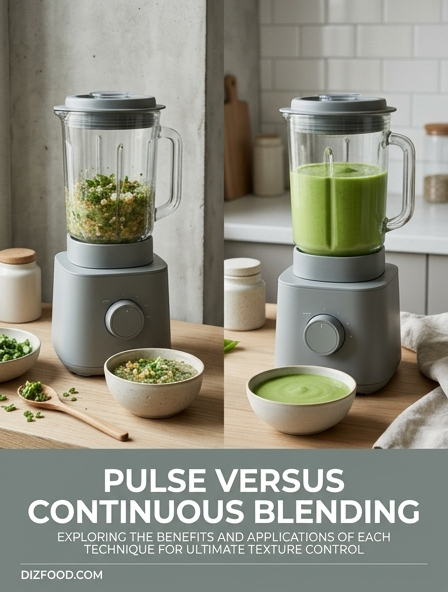
Modern kitchen blenders are no longer limited to a simple "on/off" switch. Versatility in power output is achieved through variable speed controls and pre-programmed settings that adjust the motor's intensity throughout the blending cycle. These settings allow the user to transition from a slow stir to a high-speed pulverize seamlessly. This control is essential for recipes that require adding ingredients gradually, such as drizzling oil into a dressing or folding in chocolate chips at the end of a muffin batter mix.
- Pulse Mode: Provides short bursts of maximum power for precise chopping.
- Low Speed: Ideal for breaking down large chunks without liquefying them.
- Variable Dial: Allows for manual ramp-up, preventing "splatter" on the lid.
- Smart Presets: Automatically adjusts time and speed for specific tasks like "Smoothie" or "Clean."
Utilizing these settings correctly maximizes efficiency and prevents over-processing. By matching the power output to the specific stage of the recipe, you ensure better texture, flavor retention, and overall culinary success. Mastering these controls turns a basic blender into a sophisticated multi-tool capable of replacing several other kitchen appliances.

Comments