

High Performance Blenders and Cell Wall Breakdown
High-performance blenders are engineered with powerful motors capable of achieving high rotations per minute (RPM). This mechanical force is essential for the physical disruption of plant cell walls, which are primarily composed of cellulose and lignin. Unlike standard kitchen appliances, these units create sufficient kinetic energy to pulverize tough fibers, releasing the intracellular fluids where the highest concentrations of vitamins and minerals reside.
- Increased bioavailability of phytonutrients.
- Transformation of fibrous greens into smooth, digestible liquids.
- Mechanical shearing of thick-skinned fruits.
- Rupturing of microscopic vacuoles containing antioxidants.
By breaking down these structural barriers, the blender facilitates "predigestion," allowing the human digestive tract to absorb nutrients that might otherwise pass through the system unprocessed. The sheer force of the blades ensures that even the most resilient plant structures are reduced to a micronized state, providing a texture that is both palatable and nutritionally superior to hand-chopped ingredients.
Selecting Nutrient Dense Whole Food Ingredients
The efficacy of nutrient extraction is inherently limited by the quality of the raw materials used. Selecting whole foods that are harvested at peak ripeness ensures a higher concentration of secondary metabolites. Dark leafy greens, deeply pigmented berries, and cruciferous vegetables serve as the foundation for high-quality extraction, providing a diverse spectrum of vitamins and trace elements.
| Ingredient Category | Key Nutrients | Extraction Benefit |
|---|---|---|
| Leafy Greens | Chlorophyll, Vitamin K | High surface area for breakdown |
| Berries | Anthocyanins, Vitamin C | Easily released antioxidants |
| Root Vegetables | Beta-carotene, Fiber | Solubilizes fat-soluble vitamins |
Incorporating a variety of colors ensures a broader range of phytochemicals. It is also vital to consider organic options when skins and peels are included, as these parts of the plant often contain the highest density of nutrients but can also harbor pesticide residues if not sourced carefully.
Optimizing Blending Speeds for Maximum Bioavailability
Achieving the perfect extraction requires more than just raw power; it requires the strategic manipulation of blending speeds. Starting at a low RPM allows the blades to grab the bulkier ingredients and pull them into the vortex without creating air pockets. Gradually increasing to the highest speed ensures that the mixture undergoes maximum shear force.
- Start at the lowest speed to engage the ingredients.
- Slowly increase the dial to medium to establish a consistent vortex.
- Shift to maximum high speed for the final 30 to 45 seconds.
- Monitor for a "four-leaf clover" motion at the surface.
This progression is critical because high speeds from the outset can cause cavitation, where the blades spin in a void of air, preventing the thorough breakdown of solids. Proper speed management ensures that every particle passes through the blade path multiple times, resulting in a homogenous mixture where nutrients are fully suspended in the liquid base for optimal intestinal absorption.
The Impact of Blade Geometry on Nutrient Release
Blade geometry plays a pivotal role in the efficiency of nutrient extraction. Most high-performance blenders utilize a combination of blunt and sharp edges designed to create a specific aerodynamic flow within the container. The angle of the blades is calibrated to propel ingredients upward and then pull them back down through the center, forming a continuous cycle of impact and reduction.
A well-designed blade system does not just cut; it smashes. The impact of a duller, heavy-duty blade edge at high velocities is often more effective at rupturing tough cell walls than a razor-sharp edge that might simply slice through them. This "hammer-mill" effect is what transforms fibrous stems and seeds into a silky consistency. Furthermore, the material of the blade-typically hardened stainless steel-ensures that no metallic leaching occurs while maintaining the structural integrity needed to process frozen or hard ingredients without dulling over time, maintaining consistent extraction performance for years.
Strategic Ingredient Layering for Efficient Extraction
The order in which ingredients are added to the blender container significantly influences the speed and thoroughness of the extraction process. Proper layering utilizes gravity to feed the blades, preventing the motor from straining and ensuring a consistent blend. When the blades can easily access the ingredients, they can more effectively rupture cells and release trapped nutrients.
- Liquids (water, nut milk, or juice) go in first.
- Dry goods and powders (protein powder, seeds) follow.
- Leafy greens and soft fruits are added next.
- Hard or frozen items (ice, frozen berries) are placed on top.
The weight of the frozen items on top pushes the softer ingredients down toward the blades. As the liquid at the bottom begins to spin, it creates a vacuum that pulls the upper layers into the extraction zone. This systematic approach reduces the need for a tamper and ensures that the entire contents are processed evenly, leaving no unblended chunks that harbor unreleased nutrients.
Maintaining Low Temperatures to Preserve Vital Enzymes
While high-speed blending is necessary for cell wall breakdown, the resulting friction can generate significant heat. Excessive heat is the enemy of live enzymes and certain heat-sensitive vitamins, such as Vitamin C and B-complex vitamins. Thermal degradation begins to occur when the temperature of the blend exceeds a certain threshold, potentially neutralizing the very benefits intended by the extraction.
- Use frozen fruits or vegetables to act as a natural coolant.
- Limit blending time to under sixty seconds when possible.
- Start with chilled liquids rather than room-temperature water.
- Utilize a pulse function to manage heat buildup in thick recipes.
By maintaining a cool temperature throughout the process, the structural integrity of enzymes remains intact. These enzymes are vital for metabolic processes and aid in the digestion of the smoothie itself. A cold extraction ensures that the final product is not only nutrient-dense but also biologically active, providing the maximum possible health impact per serving.
Unlocking Hidden Nutrients in Seeds and Skins
The peels and seeds of many fruits and vegetables are often discarded, yet they frequently contain higher concentrations of minerals and phytochemicals than the flesh. High-performance extraction allows these components to be integrated seamlessly into the diet. For instance, the white pith of citrus fruits is rich in bioflavonoids, and the skins of grapes contain concentrated resveratrol.
| Ingredient | Discarded Part | Nutritional Value |
|---|---|---|
| Apple | Skin | Quercetin and Fiber |
| Kiwi | Fuzzy Skin | High Vitamin E and C |
| Watermelon | Seeds/Rind | Citrulline and Magnesium |
Pulverizing these parts releases nutrients that are otherwise inaccessible due to their tough, fibrous nature. However, caution must be exercised with certain seeds, such as those from apples or stone fruits, which may contain trace amounts of cyanide-inducing compounds. When safe, including the whole plant maximizes the return on your nutritional investment.
The Science of Micronutrient Absorption in Smoothies
Extracting nutrients into a liquid form is only the first step; the body must then absorb them. Bioavailability is often dependent on the presence of co-factors. For example, fat-soluble vitamins (A, D, E, and K) require a source of dietary fat to be absorbed by the intestinal lining. Without a lipid component, many of the high-value nutrients in a green smoothie may simply pass through the body.
- Add a slice of avocado for healthy monounsaturated fats.
- Include a tablespoon of chia or flax seeds for Omega-3s.
- Use full-fat coconut milk or a small amount of nut butter.
- Pair iron-rich greens with Vitamin C-rich fruits to enhance iron uptake.
This synergistic approach to ingredient selection ensures that the micronutrients released by the blender are actually utilized by the body. The liquid format also increases the surface area of the nutrients, allowing digestive enzymes to work more efficiently compared to solid food that hasn't been chewed thoroughly.
Reducing Oxidation for Peak Vitamin Retention
Oxidation occurs when the ingredients are exposed to oxygen, a process that is accelerated during high-speed blending as air is whipped into the mixture. This reaction can lead to the degradation of antioxidants and vitamins, particularly Vitamin C and polyphenols. Reducing the time between extraction and consumption is the most common way to combat this, but other techniques can also be employed.
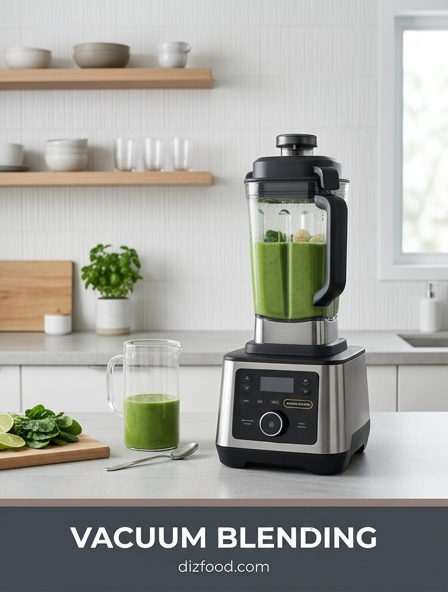
One advanced method involves vacuum blending, where air is removed from the container before the blending cycle begins. This prevents the formation of foam and preserves the vibrant colors and nutrient profile of the ingredients. If a vacuum blender is not available, adding acidic components like lemon or lime juice can provide a protective effect due to their high antioxidant content. Storing any leftover extract in an airtight container with minimal headspace also helps to slow the oxidative process, ensuring that the drink remains nutritionally potent for a longer period.
Essential Kitchen Techniques for Superior Nutrient Delivery
Beyond the blender itself, several kitchen techniques can enhance the final nutrient delivery of your extracts. Pre-soaking hard nuts and seeds can neutralize phytic acid, an anti-nutrient that binds to minerals and prevents their absorption. Similarly, lightly steaming certain vegetables like kale or spinach before blending can reduce oxalates while making the fiber more manageable for the blender.
- Soak almonds or walnuts for 4-8 hours before blending.
- Blanch tough cruciferous greens to improve flavor and digestibility.
- Grate hard roots like ginger or turmeric to assist the blades.
- Use a tamper to maintain the vortex without adding excess water.
Mastering these preparatory steps ensures that the extraction process is as efficient as possible. By combining proper preparation with high-performance hardware, you create a synergy that maximizes the concentration of bioavailable nutrients in every glass. These techniques transform simple ingredients into powerful, functional foods that support overall health and wellness through superior nutrient density.





Comments