
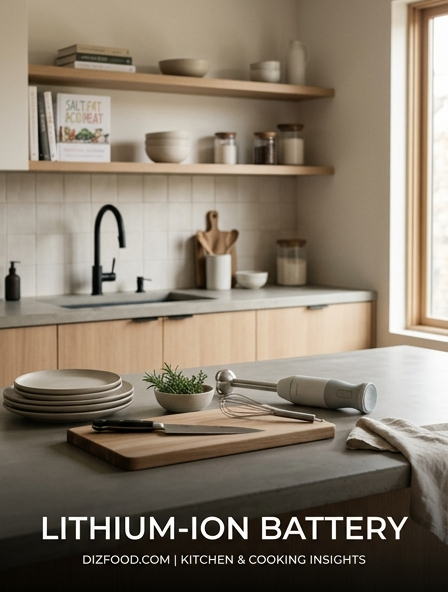
Unlocking Kitchen Mobility with Lithium-Ion
The integration of lithium-ion battery technology into the modern kitchen has fundamentally altered how home cooks approach meal preparation. Traditionally, the layout of a kitchen was dictated by the placement of electrical outlets, forcing users to congregate around specific wall segments. With the advent of high-capacity lithium-ion cells, appliances are no longer tethered to a fixed point, allowing for a more fluid and dynamic cooking environment. This mobility enables users to move their blending or mixing tasks to a central island, a dining table, or even an outdoor patio without the safety hazards of trailing cords.
- Increased freedom of movement across different workstations.
- Reduction of clutter on countertops previously crowded with cables.
- Enhanced safety by eliminating trip hazards in high-traffic areas.
- Greater flexibility for small kitchens with limited electrical access.
Beyond simple convenience, this technological shift supports a more ergonomic workflow. Cooks can now position their tools at the most comfortable height and angle, regardless of where the nearest plug is located. This liberation from the wall outlet marks a significant milestone in kitchen design, prioritizing the user's movement over the constraints of the building's wiring.
The Evolution of Cordless Blending
The transition from corded to cordless blending represents a major engineering feat facilitated by improvements in energy density. Early attempts at battery-powered kitchen tools often suffered from underwhelming torque and short runtimes, as older nickel-cadmium batteries were too heavy and inefficient for high-demand tasks like crushing ice. Lithium-ion chemistry changed this dynamic by offering a high power-to-weight ratio, enabling handheld blenders to achieve professional-grade results without a direct AC connection.
| Feature | Legacy Battery Tech | Modern Lithium-Ion |
|---|---|---|
| Weight | Heavy/Bulky | Lightweight/Compact |
| Memory Effect | High Risk | Non-Existent |
| Power Fade | Gradual Decline | Consistent Output |
As manufacturing processes refined, these batteries became more affordable and reliable. Today's cordless blenders can handle multiple smoothies or soups on a single charge, maintaining peak RPMs until the battery is nearly depleted. This evolution has moved cordless appliances from being niche novelties to essential staples for the serious home chef who values both performance and portability.
Seamless Power Without the Cords
The primary appeal of lithium-ion powered appliances lies in their ability to deliver seamless power without the physical limitations of a power cord. In a busy kitchen, the presence of a cord can be more than just an eyesore; it can be a logistical hurdle when moving between the stove, the sink, and the prep area. Lithium-ion technology provides a steady discharge rate, ensuring that the motor speed remains constant even as the battery levels fluctuate. This consistency is vital for achieving the desired textures in delicate sauces or emulsions where precision is required.
Furthermore, the absence of cords allows for a cleaner aesthetic and more organized storage. Appliances can be tucked away in drawers or cabinets without the frustration of tangled wires. When it is time to cook, the device is simply grabbed and used instantly. The "always-ready" nature of modern lithium batteries, which hold their charge for months when idle, ensures that the appliance is functional exactly when needed. This creates a more intuitive cooking experience where the focus remains on the ingredients and the process rather than the logistics of power management and cable routing.
Portable Performance for Modern Kitchens
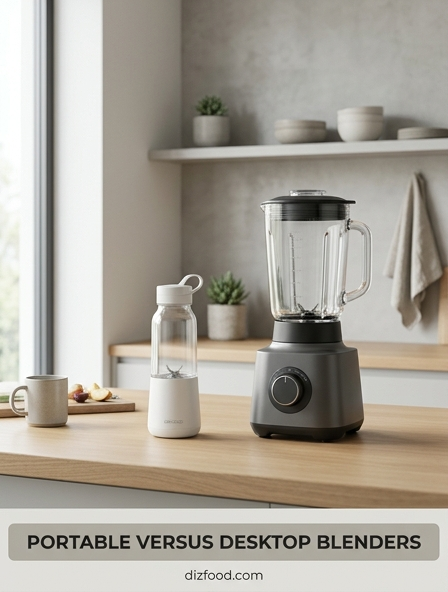
Modern kitchen design is increasingly focused on minimalism and multi-functional spaces. Lithium-ion appliances fit perfectly into this paradigm by offering high-performance capabilities in a portable form factor. These devices are engineered to be sleek and balanced, with the battery weight distributed to reduce wrist fatigue during extended use. Whether it is a hand mixer or a portable blender, the internal lithium cells provide the necessary current to tackle tough ingredients like frozen berries or thick batters.
- Rapid charging capabilities for quick turnaround times.
- Lightweight design for improved handheld control.
- USB-C compatibility for universal charging options.
- LED indicators for real-time battery monitoring.
The performance of these portable units now rivals their corded counterparts in many categories. High-voltage lithium packs allow for brushless motors that are both quieter and more durable. This synergy between battery tech and motor efficiency ensures that "portable" no longer means "underpowered." For the modern cook, this means the ability to execute complex recipes anywhere in the home, effectively turning every flat surface into a potential prep station without sacrificing the power required for professional results.
Rechargeable Freedom for On-the-Go Blending
The concept of "on-the-go" blending has been revolutionized by the lithium-ion battery. No longer confined to the four walls of a kitchen, these appliances have become popular for travel, camping, and office use. The ability to charge a blender via a standard USB port or a portable power bank has opened up new possibilities for maintaining a healthy lifestyle while away from home. Users can now prepare fresh protein shakes at the gym or blend baby food while traveling, all without needing to hunt for a wall socket.
- Charge the device fully using a standard power adapter or laptop.
- Pack the dry or liquid ingredients directly into the blending vessel.
- Operate the blender at the destination without any external power.
- Recharge the unit via a car charger or power bank if necessary.
This freedom is supported by the durability of lithium-ion cells, which are designed to withstand the vibrations and temperature fluctuations associated with travel. The compact size of these rechargeable units makes them an ideal companion for those with active lifestyles. By providing a reliable power source in a small package, lithium-ion technology has successfully bridged the gap between home convenience and outdoor utility.
Versatility of Battery-Powered Appliances
While blenders were among the first to adopt lithium-ion technology, the scope of battery-powered kitchen tools has expanded significantly. Today, a wide array of appliances utilizes these high-energy cells to provide versatility that was previously impossible. From cordless electric knives and hand mixers to milk frothers and spice grinders, the kitchen is becoming increasingly wireless. This versatility allows for a "modular" approach to cooking, where tools can be moved to where they are needed most, rather than the ingredients being moved to the tools.
The cross-compatibility of charging systems further enhances this versatility. Many manufacturers are developing ecosystems where a single battery type can power multiple different tools, similar to cordless drill sets used in home improvement. This reduces the number of chargers required and simplifies the user experience. As lithium-ion technology continues to improve, we can expect even more power-intensive appliances, such as small food processors or immersion heaters, to join the cordless revolution, further expanding the boundaries of what is possible in a modern, mobile kitchen environment.
Maximizing Efficiency with Cordless Technology
Efficiency in the kitchen is often measured by how quickly a task can be completed and how easily the workspace can be cleaned afterward. Lithium-ion technology maximizes this efficiency by streamlining the setup and breakdown phases of cooking. Without a cord to untangle or a specific outlet to clear space around, the user can begin prep work immediately. This is particularly beneficial for short, repetitive tasks like frothing milk for coffee or whisking a single egg, where the effort of plugging in a corded device might outweigh the benefit of using it.
- Immediate startup with the push of a button.
- Easier cleanup without cords getting in the way of sponges.
- Reduced countertop clutter allows for more prep space.
- Fast-charge features provide enough power for one use in minutes.
By removing the friction of cable management, cordless tools encourage more frequent use of specialized appliances. This leads to better culinary results as the barrier to using the right tool for the job is lowered. In a fast-paced kitchen, the seconds saved by skipping the cord add up, resulting in a more enjoyable and efficient cooking process from start to finish.
The Benefits of Lithium-Ion Blending
The specific benefits of using lithium-ion batteries in blending appliances extend beyond simple portability. One of the most significant advantages is the lack of "memory effect," which plagued older battery types. This means users can top off the charge at any time without degrading the battery's overall capacity or lifespan. Additionally, lithium-ion batteries have a very low self-discharge rate, ensuring that a blender sitting in a drawer for weeks will still have plenty of power when retrieved for a quick task.
| Benefit | Description |
|---|---|
| High Torque | Maintains blade speed through tough ingredients. |
| Longevity | Supports hundreds of charge cycles before capacity drops. |
| Rapid Charging | Often reaches 80% capacity in under an hour. |
The environmental impact is also a factor, as the long lifespan of lithium-ion cells means fewer batteries end up in landfills compared to disposable or low-quality rechargeable alternatives. Furthermore, the efficiency of these batteries ensures that very little energy is wasted as heat during operation, keeping the appliance cool and extending the life of the internal motor. These combined benefits make lithium-ion the gold standard for cordless kitchen performance.
Effortless Meal Prep Anywhere
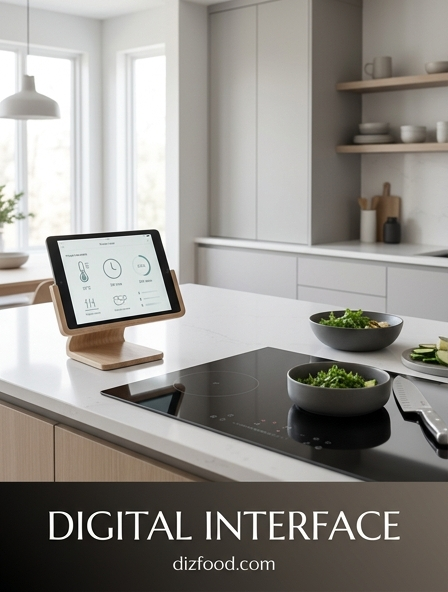
Effortless meal prep is the hallmark of a well-equipped kitchen, and lithium-ion technology is the key to achieving it anywhere. The ability to blend a vinaigrette directly at the dining table or mix a batter on a kitchen island while watching a cooking video on a tablet enhances the overall experience. Cordless tools allow the cook to remain part of the social environment, rather than being tucked away in a corner near a power outlet. This social aspect of cooking is often overlooked but is greatly facilitated by the mobility of battery-powered devices.
In addition to social benefits, cordless prep is ideal for multi-stage recipes. For example, a chef can sear meat on the stove and then use a cordless immersion blender to thicken the sauce right in the pan without worrying about the cord touching the hot burner. This seamless integration into the cooking process reduces the risk of accidents and allows for a more focused approach to flavor and technique. By removing the physical "leash" of the power cord, lithium-ion technology truly enables meal prep to happen wherever it is most convenient or effective.
Advancing Your Kitchen with Wireless Power
The future of the kitchen is undeniably wireless, and lithium-ion technology is at the forefront of this advancement. As we look forward, the integration of wireless charging surfaces directly into countertops could further enhance the convenience of battery-powered appliances. Imagine a kitchen where placing your blender on a specific spot on the counter automatically tops off its lithium-ion cells. This level of integration represents the next step in the evolution of the smart kitchen, where power management becomes nearly invisible to the user.
- Evaluate current corded appliances for cordless replacements.
- Organize storage to take advantage of the compact nature of battery tools.
- Implement a central charging station to keep all devices ready.
- Explore multi-tool systems that share a common battery platform.
Investing in lithium-ion technology today prepares a kitchen for the innovations of tomorrow. As battery chemistry continues to improve, offering even faster charging and higher power outputs, the reliance on traditional AC outlets will continue to diminish. Advancing your kitchen with wireless power is not just about following a trend; it is about embracing a more flexible, efficient, and enjoyable way to create meals in the modern age.


Comments