

Understanding Enzymatic Browning in Greens
Enzymatic browning is a complex biochemical process that occurs in many fruits and vegetables, particularly leafy greens, when their cellular structure is compromised. The primary culprit is an enzyme known as polyphenol oxidase (PPO), which resides within the chloroplasts of plant cells. Under normal conditions, these enzymes are physically separated from their substrates, known as phenolic compounds, which are stored in the cell's vacuoles. However, when greens are sliced, torn, or crushed, these internal barriers break down, allowing the enzyme and the substrates to mix in the presence of oxygen.
The resulting reaction transforms colorless phenols into quinones, which subsequently polymerize to form melanin-the same pigment responsible for dark spots and browning. This process is influenced by several factors:
- Temperature: Warmer environments accelerate enzymatic activity.
- pH Levels: Highly acidic environments can denature the PPO enzyme.
- Oxygen Exposure: Increased surface area exposure leads to faster discoloration.
- Moisture: Humidity levels can affect the rate of cellular degradation.
In a kitchen context, understanding this mechanism is vital for maintaining the aesthetic and nutritional quality of produce. While browning does not always indicate spoilage, it often signals a loss of flavor and crispness.
The Role of Metal Catalysts in Oxidation
In the chemical landscape of the kitchen, the tools we use often participate in the reactions we observe. Metal surfaces, particularly those containing iron or copper, act as potent catalysts in the oxidation process. When a metal blade cuts through the cell walls of greens, trace amounts of metal ions are transferred to the plant tissue. These ions lower the activation energy required for the oxidation of phenolic compounds, significantly speeding up the rate of enzymatic browning.
| Metal Type | Catalytic Effect | Result on Greens |
|---|---|---|
| Carbon Steel | High | Rapid darkening and metallic off-flavors. | Stainless Steel | Moderate | Gradual browning over several hours. |
| Copper | Very High | Immediate degradation of sensitive pigments. |
This catalytic interaction explains why a salad prepared with a standard steel knife may brown significantly faster than one where the leaves are hand-torn. The presence of even microscopic quantities of transition metals facilitates the electron transfer necessary for quinone formation, turning a vibrant green leaf into a dull brown one within a short period.
How Plastic Blades Minimize Cellular Trauma
The physical geometry and material properties of plastic blades offer a distinct advantage when processing delicate greens. Unlike metal knives, which are ground to a microscopic "v" shape that slices cleanly through cells, plastic blades often have a slightly blunter edge profile. While this might seem counterintuitive, the lack of metal ions is the primary benefit. Furthermore, specialized plastic "lettuce knives" are designed to minimize the crushing of cell walls that occurs during the shearing process.
- Cellular Preservation: Reduced pressure on the vascular bundles of the leaf.
- Ion-Free Cutting: Complete absence of iron or copper transfer to the cut site.
- Surface Friction: Plastic often exhibits different friction coefficients, reducing the dragging of enzymes across the cut surface.
By avoiding the introduction of metallic catalysts, the natural browning process is restricted to its baseline rate, dictated only by atmospheric oxygen. This mechanical approach ensures that the "wound" on the leaf remains relatively inert. Consequently, the kitchen professional can prepare large quantities of greens in advance without the immediate threat of unsightly discoloration that typically follows the use of traditional cutlery.
Chemical Reaction Between Steel and Polyphenols
The interaction between steel blades and plant polyphenols is not merely a physical one; it is a profound chemical engagement. Steel, particularly carbon steel, contains iron that reacts directly with the tannins and polyphenols found in greens like spinach or kale. This reaction produces a complex known as ferric tannate, which is a dark-colored pigment often used historically in the production of permanent inks. When this reaction occurs on the surface of your food, it results in a visible blackening at the site of the cut.
This specific chemical reaction is distinct from general enzymatic browning because it does not strictly require the PPO enzyme to be active; it is a direct inorganic-organic interaction. Even stainless steel, which is alloyed with chromium to prevent rust, can still harbor enough reactive surface area to influence the delicate chemistry of leafy greens. These reactions can also alter the organoleptic properties of the food, introducing a "tinny" or bitter note that masks the natural sweetness of the produce. By eliminating the metal source, you effectively bypass this secondary darkening pathway entirely, preserving the original chemical profile of the plant.
Preserving Chlorophyll and Nutrient Integrity
Chlorophyll is the pigment responsible for the green hue of plants, but it is also a sensitive indicator of a plant's nutritional status. Enzymatic browning is often accompanied by the degradation of other vital nutrients, such as Vitamin C (ascorbic acid) and various antioxidants. When oxygen enters the ruptured cells of a leaf, it begins to oxidize these molecules, reducing the health benefits of the food. Ascorbic acid is particularly vulnerable, as it acts as a sacrificial antioxidant, attempting to inhibit the browning process by reducing quinones back to phenols until it is completely depleted.
- Vitamin Retention: Slower oxidation rates help maintain high levels of folate and Vitamin C.
- Pigment Stability: Preserving the magnesium atom at the center of the chlorophyll molecule prevents the shift to pheophytin (olive-brown color).
- Antioxidant Capacity: Reduced enzymatic activity keeps the polyphenols in their original, beneficial state.
Utilizing non-reactive tools like plastic or ceramic prevents the accelerated depletion of these nutrients. This ensures that the final dish is not only visually appealing but also retains the maximum possible biological value for the consumer, making the choice of tool a nutritional decision as much as an aesthetic one.
Why Plastic Blades Extend Produce Shelf Life
The shelf life of processed greens is directly tied to the rate of cellular respiration and the onset of senescence. When metal blades accelerate oxidation, they also trigger a stress response in the plant tissue. This stress response increases the production of ethylene gas, a natural ripening hormone that speeds up the decay of the entire batch of greens. Plastic blades, by providing a non-reactive cut, avoid triggering this heightened state of physiological stress.
Furthermore, because the browning is delayed, the moisture within the leaves is better retained. A brown, oxidized edge often becomes soft and slimy, creating a breeding ground for spoilage bacteria. By keeping the cut edges clean and free of metallic catalysts, the structural integrity of the leaf remains intact for longer. This is why many commercial pre-packaged salad producers utilize non-metal cutting methods or inert blade coatings. In a home or restaurant kitchen, switching to plastic tools for leafy greens can extend the freshness of prepared salads by up to 48 hours compared to metal-cut counterparts, significantly reducing food waste and maintaining ingredient quality over time.
The Science of Non-Reactive Cutting Tools
Non-reactive tools are defined by their chemical stability when in contact with acidic or enzyme-rich environments. Plastic and ceramic materials are inherently non-conductive and do not shed ions, making them ideal for handling the volatile chemistry of fresh produce. While traditional metallurgy focuses on hardness and edge retention, the science of non-reactive tools focuses on surface inertness.
| Material | Reactivity | Best Use Case |
|---|---|---|
| Polypropylene | None | Soft leafy greens, lettuce. |
| Ceramic (Zirconia) | None | Firm vegetables, acidic fruits. |
| Silicone | None | Mixing and scraping delicate purees. |
| Stainless Steel | Low/Moderate | General butchery and heavy chopping. |
The molecular structure of plastics like polypropylene ensures that no metallic bonding occurs with the plant's organic acids. This prevents the formation of unwanted complexes that lead to discoloration. When choosing a tool for enzymatic browning prevention, the goal is to select a material that acts as a passive observer rather than a chemical participant in the slicing process.
Comparing Metal and Plastic Blending Performance
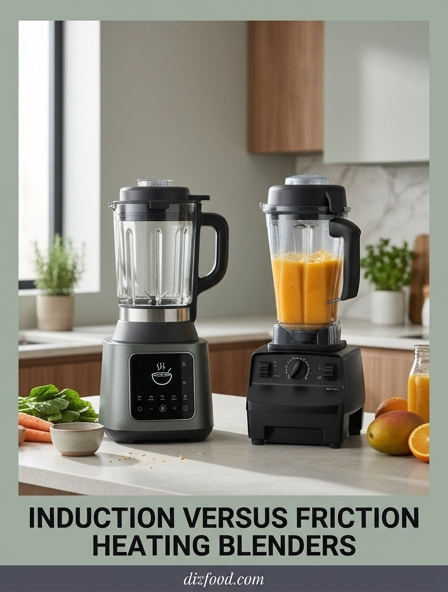
Blending presents a different challenge compared to slicing, as it involves high-velocity impact and intense shear forces. In a blender, metal blades are often preferred for their ability to pulverize tough fibers, but they introduce significant heat and metal-ion exposure. Plastic blending components, often found in specialized "green smoothie" carafes or lower-power systems, interact differently with the ingredients. While plastic may not achieve the same "silky" texture on fibrous stems, it excels at maintaining the color of soft leafy greens.
- Heat Generation: Metal blades transfer heat from the motor more efficiently, potentially warming the greens.
- Shear Stress: High-speed metal blades can rupture more cells per second, releasing more PPO.
- Ion Distribution: The high RPM of a metal blade distributes trace iron ions throughout the entire liquid mixture.
For those prioritizing color and immediate nutrient density, the "gentler" action of non-reactive or lower-speed blending can be advantageous. However, the trade-off usually lies in the final texture, where metal blades remain the industry standard for achieving high-viscosity emulsions and perfectly smooth purees.
Reducing Oxidation During High Speed Blending
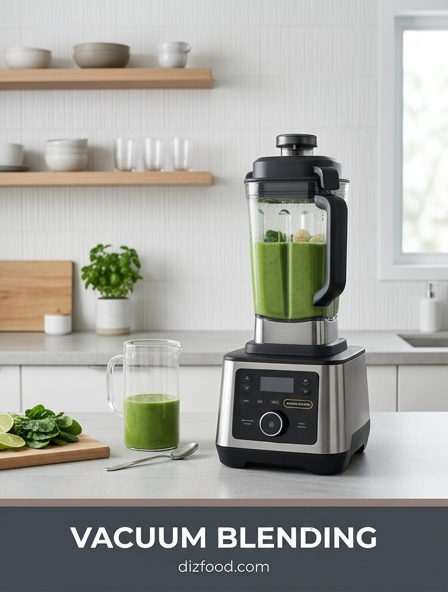
High-speed blending is an inherently oxidative process because it incorporates massive amounts of atmospheric oxygen into the liquid. This "aeration" is the engine that drives enzymatic browning at an accelerated pace. As the blades spin at thousands of revolutions per minute, they create a vortex that pulls air into the mixture, ensuring that every molecule of PPO and phenol has access to the oxygen required for the browning reaction. To combat this, many modern high-speed blenders have turned to vacuum technology.
By removing the air from the blending jar before the motor starts, the primary reactant-oxygen-is eliminated from the equation. This allows the use of powerful metal blades without the typical side effect of rapid browning. Without a vacuum, the user must rely on temperature control and speed. Blending in short pulses at lower speeds reduces the amount of air incorporated and keeps the temperature of the greens low, which inhibits enzyme activity. Using frozen greens or adding ice cubes also serves this purpose, as the cold temperatures slow the molecular movement necessary for the chemical reaction to proceed, effectively "putting the enzymes to sleep" during the processing phase.
Maintaining Vibrant Color in Fresh Green Smoothies
To achieve a professional-grade, vibrant green smoothie that resists browning, one must apply the principles of kitchen chemistry holistically. Preventing browning is not just about the blade material; it is about managing the environment of the mixture. The goal is to inhibit the PPO enzyme through as many pathways as possible-pH adjustment, temperature control, and minimized oxygen exposure.
Consider the following strategies for color maintenance:
- Acidity: Add lemon or lime juice to lower the pH, which slows the PPO enzyme significantly.
- Cold Chain: Use chilled liquids and frozen fruits to keep the mixture below 40°F (4°C).
- Antioxidant Boost: Add ingredients high in Vitamin C, like kiwi or oranges, to act as natural inhibitors.
- Timing: Consume the smoothie immediately or store it in an airtight, opaque container to limit light and air exposure.
By combining these methods with the use of non-reactive tools or vacuum blending, the vivid emerald color of chlorophyll can be preserved for much longer. This ensures that the final product remains as visually stimulating as it is nutritionally dense, providing the best possible experience for the consumer while highlighting the science of fresh ingredients.

Comments