

Molecular Impact of Silent Heating
In the modern kitchen, electromagnetic induction represents a paradigm shift in how energy is transferred to food. Unlike traditional conduction, which relies on thermal gradients, silent heating via electromagnetic fields targets the molecular structure of the ingredients directly. When a high-frequency alternating current passes through a copper coil, it creates a fluctuating magnetic field that penetrates the vessel. This field induces eddy currents within the metallic base, causing rapid molecular agitation. This friction at the atomic level generates heat instantaneously, allowing for a quiet yet powerful cooking process.
The efficiency of this method ensures that energy is not wasted heating the surrounding air, but is instead focused on the kinetic excitation of water and fat molecules. Key benefits of this molecular approach include:
- Reduced thermal lag during rapid temperature adjustments.
- Uniform heat distribution across the base of the container.
- Minimization of hot spots that lead to localized scorching.
- Enhanced safety through cool-to-the-touch external surfaces.
By bypassing the mechanical noise of traditional heating elements, electromagnetic systems preserve the tranquility of the kitchen environment while achieving superior thermodynamic results.
Acoustic Insulation for Thermal Blenders
Thermal blenders operate at high RPMs while simultaneously maintaining specific temperature profiles, creating a unique challenge for acoustic engineering. The intersection of electromagnetic motor noise and mechanical vibrations requires sophisticated insulation strategies. Modern devices utilize multi-layered dampening shells that absorb high-frequency whirring and low-frequency rumbling. These shells are often constructed from high-density polymers or silicone-based composites that decouple the motor housing from the external chassis.
Effective acoustic management involves more than just thick walls; it requires the strategic placement of air gaps and sound-absorbing foam. These materials must be thermally stable to withstand the heat generated by both the blending process and the electromagnetic motor. By trapping sound waves within internal baffles, the perceived noise level is significantly reduced, often by as much as 15 to 20 decibels. This allows for long-duration simmering or high-speed emulsification without disrupting the ambient kitchen atmosphere, making professional-grade tools more suitable for domestic use.
Friction-Based Heat and Fluid Dynamics
While electromagnetic fields provide direct heating, high-speed blending introduces friction-based heat through fluid dynamics. As blades rotate at velocities exceeding 20,000 RPM, the kinetic energy transferred to the liquid particles results in a rapid rise in temperature. This phenomenon is governed by the viscosity of the fluid and the design of the blending chamber. The interaction between the blade surface and the liquid creates shear forces that transform mechanical work into thermal energy.
| Variable | Effect on Heat Generation | Impact on Fluid |
|---|---|---|
| Blade Velocity | Exponential increase | Turbulent flow transition |
| Fluid Viscosity | Linear increase | Higher resistance and friction |
| Chamber Geometry | Variable distribution | Vortex stability and aeration |
Engineers must balance these dynamics to ensure that heat is distributed evenly throughout the mixture. If the fluid dynamics are poorly managed, the bottom of the pitcher may overheat while the top remains cool, leading to inconsistent culinary results and potential damage to heat-sensitive ingredients.
Precision Temperature for Gourmet Emulsions
The creation of gourmet emulsions, such as Hollandaise or delicate foams, requires extreme temperature precision that traditional stovetop methods rarely afford. Electromagnetic heating systems integrated with PID (Proportional-Integral-Derivative) controllers allow for temperature maintenance within a fraction of a degree. This precision prevents the proteins in eggs or dairy from denaturing prematurely, ensuring a silky texture. The electromagnetic sensor constantly monitors the feedback from the pitcher base, adjusting the field strength in real-time to counteract the cooling effect of adding room-temperature ingredients.
This level of control is essential for stabilizing emulsions where the balance between oil and water phases is highly sensitive to thermal fluctuations. By utilizing a controlled electromagnetic field, the blender can provide gentle warmth that encourages the surfactants to align without breaking the bond. Consequently, chefs can achieve repeatable, high-quality results in demanding recipes that were once prone to frequent failure due to inconsistent heat application.
Thermodynamics of Borosilicate Pitcher Walls
The material composition of the blending vessel plays a critical role in the thermodynamics of heated blending. Borosilicate glass is favored for high-end thermal blenders due to its exceptionally low coefficient of thermal expansion. This property makes the pitcher resistant to thermal shock, allowing it to transition from ice-cold blending to near-boiling temperatures without fracturing. From a thermodynamic perspective, the thick walls of a borosilicate pitcher act as a thermal reservoir, providing insulation that helps maintain the internal temperature of the contents.
Unlike plastic or standard soda-lime glass, borosilicate does not leach chemicals when exposed to electromagnetic fields or high heat, ensuring the purity of the flavor profile. The thermal conductivity of the glass is high enough to allow for efficient heat transfer from the base, yet low enough to keep the handle and exterior surfaces relatively safe for the user. Understanding these heat transfer properties allows designers to optimize the heating cycles and cooling periods required for complex multi-stage recipes, ensuring that every watt of energy is utilized efficiently.
Decibel Reduction in High-Speed Motors
High-speed motors are the heart of thermal blending, but they are also the primary source of kitchen noise. Decibel reduction is achieved through several engineering advancements focused on the electromagnetic core of the motor. By refining the alignment of the magnets and the winding of the copper coils, manufacturers can reduce electromagnetic "hum" and mechanical vibration. The transition to brushless DC motors has also played a significant role in noise reduction, as they eliminate the friction and sparking associated with traditional carbon brushes.
- Dynamic balancing of the rotor to eliminate wobbling at high RPM.
- Integration of soft-start technologies to prevent sudden noise spikes.
- Use of magnetic shielding to contain electromagnetic interference within the motor housing.
- Implementation of vibration-dampening mounts that decouple the motor from the blender base.
These measures collectively lower the decibel output, transforming a traditionally loud appliance into a sophisticated tool that can operate quietly in open-plan kitchen environments without sacrificing performance or power.
Enzymatic Preservation and Controlled Warmth
Preserving the nutritional integrity of raw ingredients requires a deep understanding of enzymatic activity and heat sensitivity. Many vitamins and enzymes begin to degrade at temperatures as low as 48°C (118°F). Thermal blenders utilizing electromagnetic heating can be programmed to maintain these specific "low-heat" thresholds, allowing for the preparation of warm soups or sauces that remain nutritionally "raw." The controlled warmth provided by the magnetic field is far more accurate than traditional burners, which often overshoot the target temperature.
By maintaining a steady, low-intensity electromagnetic field, the blender ensures that the heat is sufficient to soften fibers and meld flavors without reaching the point of thermal denaturation. This is particularly important for ingredients like honey, cold-pressed oils, and certain cruciferous vegetables where the bioavailability of nutrients is linked to temperature exposure. The ability to blend and warm simultaneously while strictly adhering to these enzymatic limits represents a major advancement in health-conscious culinary technology, allowing for maximum nutrient retention in every serving.
Blade Geometry for Silent Heat Distribution
The geometry of the blade system is a silent contributor to heat distribution and noise management. Traditionally, blades were designed solely for cutting; however, in a thermal blender, they must also function as efficient heat circulators. Modern blade designs feature varying angles of attack that create a controlled vortex, drawing the liquid down toward the heated base and pushing it back up the sides of the pitcher. This constant circulation ensures that the heat generated by the electromagnetic field is distributed uniformly throughout the entire volume.
Furthermore, aerodynamic blade shapes are engineered to minimize cavitation-the formation of vapor bubbles that collapse and cause significant noise. By smoothing the airflow and liquid passage over the blade edges, manufacturers can reduce the "chopping" sound of the blender. This silent distribution of heat is vital for thick mixtures like nut butters or purees, where stagnant pockets could otherwise burn. The synergy between blade shape and electromagnetic power creates a more harmonious and efficient cooking experience.
Viscosity Management in Heated Blending
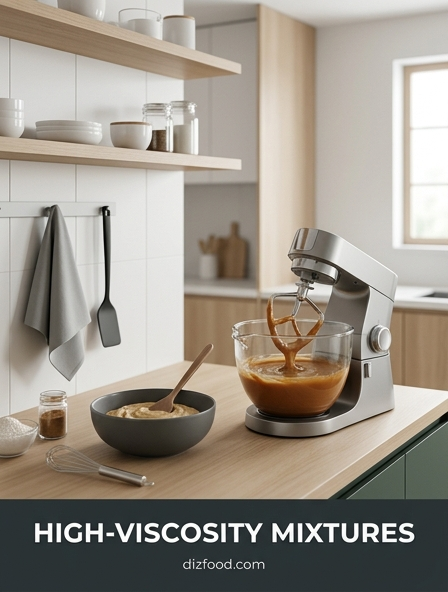
Viscosity management is a complex challenge when heating and blending are performed simultaneously. As temperatures rise, the viscosity of many fluids changes, often thinning soups while thickening starch-based sauces like béchamel. An intelligent thermal blender must detect these changes in resistance and adjust the electromagnetic power and motor torque accordingly. If the motor encounters high resistance from a viscous fluid, it can increase the electromagnetic current to maintain the set speed, while the heating element adjusts to prevent localized burning.
- Starch Gelatinization: Requires precise heat to ensure thickening occurs without lumping.
- Sugar Caramelization: Demands high torque and steady heat to prevent the mixture from seizing.
- Protein Coagulation: Needs gentle agitation and low heat to maintain a smooth consistency.
By monitoring the load on the motor, the device can provide feedback on the texture of the mixture. This allows the user to achieve the perfect consistency, whether they are looking for a light, aerated foam or a dense, velvety reduction, all through the precise application of electromagnetic energy.
Advancements in Soundproof Thermal Technology
The future of kitchen appliances lies in the integration of soundproofing and thermal efficiency. Recent advancements in soundproof thermal technology have seen the introduction of active noise cancellation (ANC) in high-end blending units. These systems use internal microphones to detect motor noise and emit anti-noise waves to neutralize it. Coupled with vacuum-sealing technology, which removes air before blending, these devices minimize both oxidation and sound transmission, as sound travels less effectively through a vacuum.
On the thermal side, the move toward gallium nitride (GaN) components in electromagnetic power supplies has allowed for smaller, cooler, and more efficient heating circuits. These advancements reduce the need for loud cooling fans, further contributing to the silence of the device. As these technologies become more accessible, the distinction between professional laboratory equipment and home kitchen tools continues to blur. The result is a new generation of appliances that offer unparalleled power, precision, and quietness, revolutionizing the way we approach heated food preparation.




Comments