
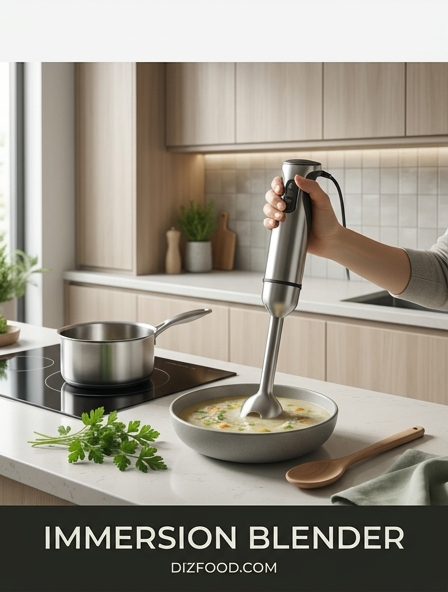
The Power of One Pot Blending
The immersion blender transforms the way home cooks approach liquid-based recipes by introducing the concept of one-pot blending. Traditional blending often requires moving hot ingredients from a pot to a stationary blender jar, which is both time-consuming and cumbersome. With an immersion blender, the motorized blades are brought directly to the ingredients. This method maintains the temperature of the dish while allowing for immediate integration of flavors. It is particularly effective for thick stews where you might want to blend only a portion of the vegetables to create a creamy base without sacrificing texture.
Common applications for one-pot blending include:
- Thickening rustic bean soups by pureeing a small section.
- Emulsifying fat back into a simmering gravy.
- Creating smooth tomato sauces without removing the pot from the stove.
- Whipping cream directly in a narrow measuring beaker.
This tool simplifies the workflow, allowing the cook to focus on seasoning and consistency rather than the logistics of moving heavy pots and hot liquids. By eliminating the middleman container, the cooking process becomes more intuitive and significantly faster for the everyday chef.
Eliminating Transfer Mess and Spills
One of the most significant hazards in a busy kitchen is the transfer of boiling liquids from a stockpot to a countertop blender. This process frequently results in steam-pressurized lids popping off or messy drips down the side of the machine. The immersion blender completely mitigates these risks by allowing the user to process the food exactly where it sits. Because the blending happens within the high walls of your existing cookware, the chances of splashing are minimized, provided the blade guard remains submerged.
This safety feature is invaluable when working with vibrant or staining ingredients like beets, turmeric, or deep red tomatoes. Without the need to pour, there are no spills on the counter or floor to mop up afterward. The streamlined movement from simmering to pureeing ensures a cleaner environment and reduces the physical strain of lifting heavy, hot containers. For those with limited mobility or smaller kitchen footprints, the reduction in physical steps and potential for accidents makes the immersion blender a superior choice for safety and cleanliness.
Mastering Silky Soups Directly in the Pot
Achieving a professional-grade, velvety texture in soups no longer requires a commercial-sized stand blender. The immersion blender provides the agility to target unblended chunks of vegetables or aromatics with precision. To master this, one should move the blender in a gentle circular motion, occasionally tilting it slightly to create a vortex that pulls solids toward the blades. This technique ensures that every piece of onion, carrot, or potato is pulverized into a consistent silkiness.
- Ensure the pot is deep enough to cover the blender head completely.
- Start on a low speed to break down larger chunks.
- Increase to high speed while moving the head across the bottom of the pot.
- Check the consistency by lifting the blender slightly to observe the flow.
This direct-in-pot method is also ideal for temperature retention. Since the soup never leaves the heat source, you don't lose the thermal energy that typically dissipates during a transfer. The result is a piping hot, perfectly textured soup ready for immediate serving.
Effortless Cleanup in Seconds
Maintenance is often the deterrent for using complex kitchen machinery, but the immersion blender excels in its simplicity. Most models feature a detachable blending shaft that can be removed with a single click. This design allows the motor body to remain clean while the part that touched the food is easily addressed. In many cases, cleanup is as simple as running the blades under warm water immediately after use to prevent food from drying.
| Component | Cleaning Method |
|---|---|
| Motor Handle | Wipe with damp cloth only |
| Blending Shaft | Rinse or Dishwasher safe |
| Whisk Attachment | Hand wash or Dishwasher |
For a deeper clean, filling a glass with soapy water and running the blender for ten seconds effectively "self-cleans" the blade housing. This efficiency encourages more frequent use, as the cook knows they won't be faced with a mountain of components to scrub once the meal is finished. It is the ultimate tool for the efficiency-minded individual.
Versatility from Sauces to Smoothies
While often associated with winter soups, the immersion blender is a year-round workhorse capable of handling a diverse range of culinary tasks. Its ability to emulsify makes it the perfect tool for homemade mayonnaise, hollandaise, and vinaigrettes that won't separate. The high-speed blades can turn a few simple ingredients into a lush pesto or a smooth hummus in under a minute. In the mornings, it serves as a quick solution for single-serve smoothies, blending frozen fruit and yogurt directly in a drinking glass.
- Whipped coffee or frothy lattes.
- Smooth batters for pancakes or crepes.
- Pureed baby food using fresh, steamed vegetables.
- Quick fruit coulis for dessert toppings.
The adaptability of the tool extends to its attachments. Many kits include whisks for aerating egg whites or mini-choppers for dicing nuts and garlic. This versatility allows the immersion blender to replace several bulkier appliances, providing a multi-functional solution that fits into a single kitchen drawer while handling both hot and cold preparations with ease.
Streamlining Your Meal Prep Routine
For those who dedicate their weekends to meal prepping, the immersion blender is a critical time-saver. It allows for the rapid processing of large batches of sauces or bases that can be frozen for later use. Instead of processing several small batches in a food processor, a cook can fill a large stockpot with ingredients and blend the entire volume at once. This significantly reduces the time spent on manual chopping and pureeing, allowing the prep work to be completed in a fraction of the time.
Furthermore, the tool's portability means you can move from one station to another without moving the heavy equipment. You can blend a marinade in a small jar, rinse the shaft, and immediately move to pureeing a large pot of marinara. This seamless transition between tasks keeps the momentum of meal prep high. By reducing the number of steps and the amount of equipment involved, the immersion blender makes healthy, home-cooked meals more attainable for people with busy schedules who need to maximize every minute spent in the kitchen.
Precise Texture Control at Your Fingertips
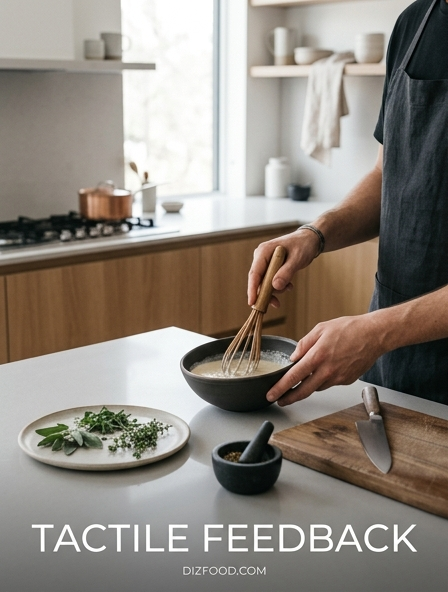
Unlike traditional blenders that often have binary settings, many immersion blenders offer variable speed triggers or dials that provide the user with tactile feedback and control. This allows for a range of textures, from a chunky, rustic salsa to a completely homogenized coulis. By pulsing the trigger, you can carefully monitor the breakdown of ingredients, ensuring you don't over-process delicate items like cooked legumes or soft fruits.
The benefits of this control include:
- Adjusting the "chunkiness" of gazpacho based on personal preference.
- Incorporating air into batters for a lighter, fluffier result.
- Gently mixing ingredients without fully pureeing them.
The ability to see the food as it is being processed-rather than looking through a cloudy plastic pitcher-enables the cook to make real-time adjustments. You can stop the moment the desired consistency is reached, preventing the "baby food" effect that often happens when over-blending in a high-powered stationary machine. This precision is essential for chefs who prioritize the mouthfeel and presentation of their dishes.
Saving Counter Space with Compact Design
In modern kitchens where counter space is at a premium, the immersion blender is a minimalist's dream. Standard blenders are bulky, heavy, and often too tall to fit under low-hanging cabinets. In contrast, the sleek, vertical profile of an immersion blender allows it to be tucked away in a utensil drawer or hung on a small wall hook. This frees up valuable workspace for rolling out dough, dicing vegetables, or plating meals. Its compact nature doesn't sacrifice power, as many modern models rival the wattage of their larger counterparts.
The portability of the device also makes it an excellent choice for those who cook in various locations, such as during holiday gatherings at a relative's house or while traveling in an RV. It provides full blending capabilities without the logistical burden of a heavy appliance. By choosing a tool that occupies minimal physical volume, cooks can maintain an organized, clutter-free environment which is known to reduce stress during the cooking process. The immersion blender proves that great power can indeed come in small, easily storable packages.
Reducing Kitchen Waste and Dirty Dishes
Efficiency in the kitchen isn't just about speed; it's about minimizing the cleanup and the waste generated during the process. The immersion blender contributes to a more sustainable kitchen by reducing the number of dishes used. When you blend directly in the pot or jar, you avoid leaving behind the "blender tax"-that significant portion of sauce or smoothie that gets trapped at the bottom of a traditional blender jar around the fixed blades. The open-head design of an immersion blender allows you to scrape every bit of food back into the dish.
- Blend ingredients in the same container they will be stored in.
- Use a silicone spatula to easily clear the straight shaft.
- Avoid the need for extra bowls or transfer pitchers.
By using fewer dishes, you save water and detergent, and more importantly, you save your own energy. This reduction in "clutter" dishes makes the entire cooking experience feel lighter and more manageable. It encourages the use of fresh ingredients, as the barrier to entry-the cleanup-is no longer a significant concern for the home cook.
Maximizing Efficiency for Busy Home Cooks
For the home cook balancing a career, family, and a desire for healthy eating, efficiency is the most valuable commodity. The immersion blender is the ultimate tool for this lifestyle because it accelerates the most tedious parts of food preparation. Whether it is quickly emulsifying a dressing for a last-minute salad or turning leftover roasted vegetables into a gourmet soup in three minutes, the speed of setup and execution is unmatched. It allows for spontaneous cooking without the dread of a difficult setup or a long cleanup process.
| Task | Immersion Blender Time | Traditional Method Time |
|---|---|---|
| Pureeing Soup | 2 Minutes | 10 Minutes (inc. transfer) |
| Mayonnaise | 1 Minute | 5 Minutes (whisking) |
| Cleanup | 30 Seconds | 5 Minutes |
By cutting down these micro-moments of friction throughout the week, the immersion blender enables a more consistent habit of cooking at home. It removes the "too much work" excuse, providing a high-performance solution that fits seamlessly into a fast-paced life. It is not just a gadget; it is a fundamental shift in kitchen efficiency.

Comments