
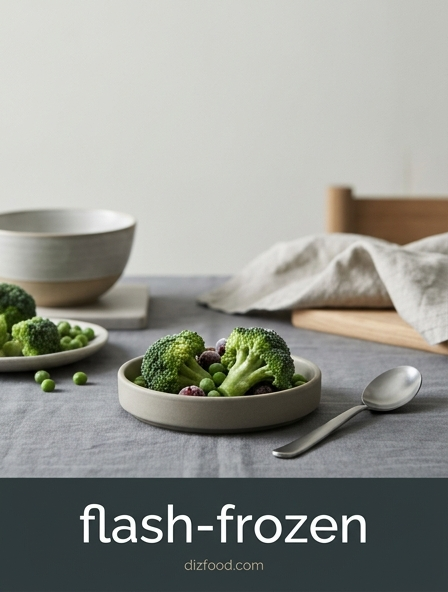
Nutrient Density of Flash Frozen Ingredients
The concept of nutrient density in the kitchen often revolves around the speed at which produce moves from the farm to the freezer. Flash freezing, or individual quick freezing (IQF), involves exposing fruits and vegetables to extremely low temperatures almost immediately after harvest. This rapid process prevents the formation of large ice crystals that can damage cellular structures. Consequently, the vitamins and minerals remain trapped within the plant tissues rather than leaching out over time. Studies have shown that flash-frozen produce often contains higher concentrations of essential nutrients compared to "fresh" counterparts that have spent days in transit or on grocery store shelves.
- Minimal exposure to heat and light, which degrade B-vitamins.
- Locked-in minerals such as potassium and magnesium.
- Prevention of enzymatic browning and nutrient loss.
- Maintenance of fat-soluble vitamins like A and E.
By utilizing these ingredients, home cooks can ensure their meals are fortified with the highest possible biological value. This is particularly crucial for those relying on smoothies as a primary source of daily micro-nutrition, where the integrity of every ingredient contributes to the overall health profile of the beverage.
Peak Ripeness and Vitamin Retention Science
The nutritional profile of any fruit or vegetable is at its zenith the moment it reaches full ripeness on the vine or branch. Traditional "fresh" produce is frequently harvested prematurely to withstand the rigors of long-distance shipping, meaning it never reaches its full vitamin potential. In contrast, produce destined for flash freezing is allowed to ripen naturally. Once the peak nutritional state is achieved, the produce is harvested and frozen within hours. This effectively "pauses" the biological clock of the plant, suspending the metabolic processes that lead to spoilage and nutrient degradation.
Scientific analysis confirms that water-soluble vitamins, such as Vitamin C and various B-complex vitamins, are particularly sensitive to time and temperature. When produce sits in a crisper drawer, these vitamins begin to oxidize. Flash freezing creates a protective environment that shields these volatile compounds. The cryogenic temperatures stop the activity of degradative enzymes like polyphenol oxidase. As a result, the nutritional data of a frozen blueberry or spinach leaf is often superior to a fresh version that has been sitting in a distribution center for a week, providing a more potent punch of health-promoting elements.
Comparing Fresh Versus Frozen Smoothie Nutrition
When constructing a daily smoothie, the choice between fresh and frozen can significantly alter the drink's chemical composition. Fresh produce, while aesthetically pleasing, begins losing its nutritional potency the moment it is picked. For example, spinach can lose up to 50% of its folate and carotenoids within eight days of harvest when kept at room temperature. Frozen ingredients circumvent this depletion, offering a reliable baseline of nutrients regardless of the season or the time elapsed since purchase. The following table illustrates the typical retention rates for key nutrients in both categories:
| Nutrient | Fresh (5 Days Old) | Flash-Frozen |
|---|---|---|
| Vitamin C | Moderate Loss | High Retention |
| Antioxidants | Declining | Stable |
| Fiber | Stable | Stable |
| Folate | Rapid Decline | High Retention |
Ultimately, while fresh produce is excellent when consumed immediately after harvest, frozen options provide a consistent and often superior nutritional density for the average consumer who shops weekly.
How Flash Freezing Preserves Essential Antioxidants
Antioxidants are the body's primary defense against oxidative stress, and their stability is highly dependent on environmental conditions. Compounds such as anthocyanins in berries, lycopene in tomatoes, and polyphenols in leafy greens are susceptible to degradation when exposed to oxygen and light. Flash freezing is uniquely effective at preserving these compounds because it limits the produce's exposure to the atmosphere. By rapidly lowering the temperature, the rate of oxidation is slowed to a near-halt. This ensures that the vibrant colors-which often signal the presence of these phytonutrients-remain intact.
- Anthocyanins: These pigments in blackberries and blueberries remain stable under frozen conditions.
- Beta-carotene: Found in carrots and mangoes, this precursor to Vitamin A is protected from light-induced breakdown.
- Quercetin: This flavonoid remains highly bioavailable in frozen kale and broccoli.
Research indicates that for many berries, the antioxidant capacity remains virtually unchanged for up to several months in a frozen state. This allows smoothie enthusiasts to consume high-potency antioxidants even during the off-season, supporting long-term cellular health and reducing inflammation through consistent intake of these powerful plant chemicals.
Achieving Perfect Smoothie Texture with Frozen Produce
Beyond nutrition, the physical properties of flash-frozen ingredients play a critical role in the culinary quality of a smoothie. One of the greatest challenges in blending is achieving a thick, creamy consistency without diluting the flavor with ice cubes. Frozen produce acts as a functional substitute for ice, providing the necessary chill while contributing to the body and mouthfeel of the drink. The small ice crystals formed during the flash-freezing process allow the blender blades to shear the ingredients into a micro-smooth puree rather than a gritty or watery slurry.
- Start with a liquid base like almond milk or coconut water.
- Add frozen leafy greens to ensure they are pulverized into the liquid.
- Incorporate frozen fruits such as bananas or mangoes for creaminess.
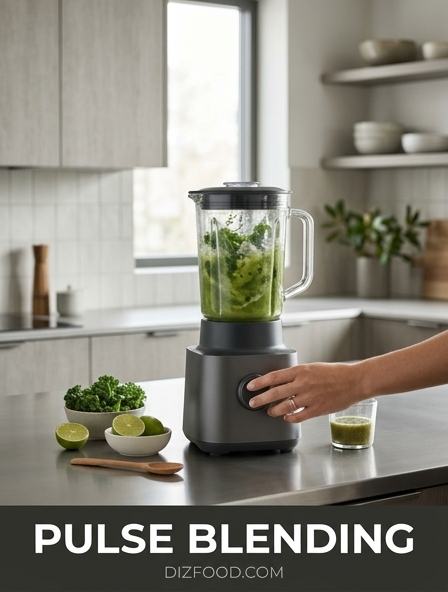
- Pulse briefly before a long high-speed blend to incorporate air.
The result is a beverage that maintains its temperature and structural integrity longer than one made with fresh fruit and ice. This "frosty" texture is not just a matter of preference; it prevents the separation of solids and liquids, ensuring that every sip contains a balanced distribution of nutrients and flavors.
Year Round Access to Seasonal Superfood Nutrients
Seasonal eating is often praised for its environmental and nutritional benefits, but it can be restrictive in regions with harsh winters or limited agriculture. Flash freezing democratizes access to superfoods by making seasonal peaks available 365 days a year. A consumer can enjoy the high Vitamin C content of summer strawberries in January or the vitamin-rich profiles of autumn pumpkin in the heat of July. This consistency allows for a diverse diet, which is a cornerstone of gut health and a robust immune system.
The global supply chain for frozen produce ensures that exotic superfoods, like acai from the Amazon or dragon fruit from Southeast Asia, can be enjoyed at their nutritional peak without the spoilage risks associated with long-distance shipping of fresh goods. This eliminates the "nutritional gaps" that often occur when people eat only what is locally available. By stocking a freezer with a variety of flash-frozen ingredients, individuals can rotate their nutrient intake and ensure they are receiving a wide spectrum of phytonutrients, regardless of the calendar date or their geographic location.
Reducing Kitchen Waste Through Frozen Produce Usage
One of the most significant advantages of integrating flash-frozen ingredients into a kitchen routine is the drastic reduction in food waste. Fresh produce is notoriously perishable; a bag of spinach or a carton of raspberries can turn from ripe to moldy in a matter of days. This not only results in lost money but also represents a waste of the resources used to grow and transport the food. Frozen produce, however, is shelf-stable in the freezer for months, allowing users to take exactly what they need for a single recipe while keeping the rest perfectly preserved.
- Eliminates the "slimy greens" phenomenon in the refrigerator crisper.
- Allows for precise portion control in smoothie recipes.
- Reduces the frequency of grocery trips, saving fuel and time.
- Promotes the use of "ugly" produce that is nutritionally perfect but aesthetically rejected for fresh sale.
By shifting toward a frozen-first approach for blending and cooking, households can contribute to a more sustainable food system. The ability to utilize every gram of purchased produce ensures that the environmental footprint of one's diet is minimized while maximizing the nutritional return on investment.
Impact of Flash Freezing on Fiber Integrity
Fiber is an essential component of a healthy diet, playing a vital role in digestion, blood sugar regulation, and satiety. A common misconception is that freezing produce breaks down fiber, making it less effective. In reality, the flash-freezing process has a negligible impact on both soluble and insoluble fibers. The structural polysaccharides that make up the cell walls of plants-such as cellulose, hemicellulose, and pectin-are highly resilient to sub-zero temperatures. In many cases, the freezing process slightly softens these fibers, making them easier to blend and digest without losing their prebiotic benefits.
When these frozen ingredients are pulverized in a high-speed blender, the fiber is broken down into smaller fragments, but its chemical nature remains unchanged. This is beneficial for the digestive system, as it increases the surface area for enzymes to work on during digestion. For individuals looking to manage their glycemic response, using frozen high-fiber ingredients like raspberries or broccoli in smoothies ensures a slow release of sugars into the bloodstream. The integrity of the fiber remains a constant, providing the necessary bulk to support a healthy microbiome and consistent energy levels throughout the day.
Maximizing Bioavailability in Your Blending Routine
Bioavailability refers to the proportion of a nutrient that is absorbed and utilized by the body. Interestingly, the process of flash freezing followed by blending can actually enhance the bioavailability of certain nutrients. The freezing process creates tiny ice crystals that gently pierce plant cell walls. When these partially "pre-broken" cells are subjected to the high-speed mechanical shear of a blender, the internal nutrients are released more fully than they would be through chewing alone. This is particularly true for compounds locked within tough fibrous matrices, such as the carotenoids in spinach or carrots.
- Freeze produce at peak ripeness to ensure maximum nutrient concentration.
- Blend frozen ingredients with a source of healthy fat, like avocado or seeds, to aid absorption.
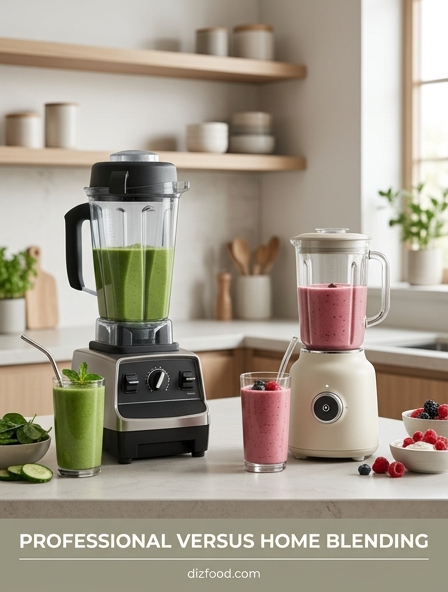
- Use a high-powered blender to ensure complete cellular breakdown.
- Consume the smoothie immediately to prevent post-blend oxidation.
By leveraging the structural changes caused by flash freezing, you turn your smoothie into a highly efficient delivery system for vitamins and antioxidants. This synergy between cryogenic preservation and mechanical processing ensures that your body can access the widest possible array of health-promoting compounds with minimal digestive effort.
Cost Effective Strategies for High Quality Smoothies
Maintaining a high-nutrient diet can often be expensive, but flash-frozen ingredients offer a cost-effective alternative to fresh produce without sacrificing quality. Because frozen fruits and vegetables are processed in bulk during periods of peak harvest, their prices remain stable throughout the year. This protects consumers from the price volatility seen in the fresh produce aisle during the winter months. Additionally, there is no "waste cost"-you only pay for what you actually eat, rather than paying for stems, peels, or produce that eventually spoils in the fridge.
| Factor | Fresh Produce | Flash-Frozen Produce |
|---|---|---|
| Price Stability | Volatile/Seasonal | Consistent |
| Waste Potential | High (30%+) | Near Zero |
| Bulk Discount | Rarely Practical | Highly Practical |
| Preparation Time | Washing/Chopping | Pre-washed/Pre-cut |
Smart shoppers can save significantly by purchasing large bags of frozen staples like blueberries, mangoes, and kale. These savings can then be reinvested into higher-quality "boosters" like protein powders or nut-butters, creating a premium smoothie experience on a budget-friendly foundation.



Comments