
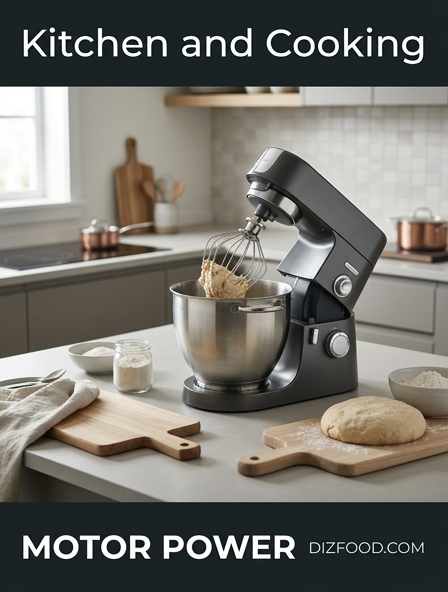
The Role of Wattage in Motor Power
Wattage in a kitchen appliance serves as a primary measurement of the electrical power consumed by the motor. In high-performance blenders and food processors, wattage is often equated with the machine's ability to tackle difficult tasks. While it represents power consumption rather than direct output, a higher wattage generally indicates a motor that can handle increased resistance without slowing down. This is particularly important when the appliance encounters dense ingredients that create friction against the blades.
- Consistent blade speed under heavy loads.
- Faster processing times for standard recipes.
- Greater versatility in handling diverse ingredient types.
- Reduced risk of motor stall during intensive operation.
Essentially, wattage provides the headroom necessary for the motor to operate efficiently. Without sufficient power, the motor may struggle, leading to uneven results or mechanical failure. When selecting kitchen equipment, understanding that wattage supports the overall stamina of the device is key to ensuring long-term performance and reliability in a demanding culinary environment. High wattage ensures that the appliance can sustain its top-rated performance throughout the entire duration of the blending or processing cycle.
Crushing Ice and Frozen Ingredients
Crushing ice requires a significant amount of immediate kinetic energy to break through the crystalline structure of frozen water. Kitchen motors with low power often struggle with this task, resulting in uneven chunks or stalled blades. A high-wattage motor provides the necessary "impact power" to pulverize ice into a snow-like consistency within seconds. This process involves the blades striking the hard surface of the ice at high velocity, requiring the motor to maintain its speed despite the repeated physical shocks.
When dealing with frozen fruits or ice, the motor must overcome two main challenges:
- Initial resistance: The force required to break the first few solid blocks.
- Sustained friction: The drag created as the mixture thickens into a slush.
Without adequate power, the motor may emit a burning smell as it works too hard to spin the blades. Professional-grade motors are designed to withstand these bursts of high resistance, ensuring that frozen margaritas, smoothies, and sorbets achieve a uniform texture without damaging the internal components of the appliance. The efficiency of ice crushing is a direct benchmark of a motor's peak torque capabilities.
Blending Tough Fibrous Greens Smoothly
Fibrous vegetables such as kale, chard, and celery contain tough cell walls made of cellulose that are difficult to break down. To achieve a truly smooth green juice or smoothie, the motor must spin the blades fast enough to micronize these fibers. Low-power motors often leave behind "stringy" bits or a gritty texture because they cannot maintain the ultra-high speeds necessary for total emulsification. A powerful motor ensures that the blades maintain high RPMs even as the mixture becomes thick and pulpy.
| Ingredient Type | Motor Requirement | Resulting Texture |
|---|---|---|
| Spinach | Medium Power | Smooth |
| Kale/Collards | High Power | Velvety |
| Celery stalks | High Power | Fiber-free |
The ability to rupture cell walls not only improves the mouthfeel of the final product but also makes the nutrients more bioavailable. For enthusiasts of healthy living, a high-wattage motor is essential for transforming raw, leafy greens into a liquid state that is pleasant to consume and easy to digest.
Maintaining Consistency in Large Batches
Processing large volumes of food presents a unique challenge to kitchen motors because the weight of the ingredients creates a constant heavy load. Whether you are blending a full pitcher of soup or mixing a large batch of thick batter, the motor must work harder to move the increased mass. High-power motors are engineered to provide consistent torque, ensuring that the blades do not slow down as the container reaches its maximum capacity. This consistency is vital for achieving a uniform result from the bottom of the container to the top.
In large-batch processing, several factors come into play:
- Vortex stability: Keeping the ingredients circulating effectively.
- Heat distribution: Preventing the motor from transferring heat to the food.
- Structural integrity: Managing the vibration caused by the heavy load.
When a motor is underpowered for a large batch, the bottom layer often becomes over-processed while the top remains chunky. A robust motor maintains a strong vortex, pulling ingredients down into the blades repeatedly. This ensures that every milliliter of the mixture receives the same level of processing, which is critical for professional catering and large family meal preparation.
How High Wattage Prevents Overheating
Overheating is the leading cause of motor failure in small kitchen appliances. When a motor is forced to work at its absolute limit to process tough ingredients, it generates excessive internal heat. High-wattage motors prevent this because they operate with a greater "power reserve." Because they do not have to work at 100% capacity for standard tasks, they remain cooler during operation. Many high-end appliances also include advanced cooling systems, such as dedicated fans and airflow channels, which are more effective when paired with a high-capacity motor.
The benefits of better thermal management include:
- Longer continuous run times without automatic shut-off.
- Protection of internal seals and bearings from heat damage.
- Reduced smell of ozone or burning plastic during heavy use.
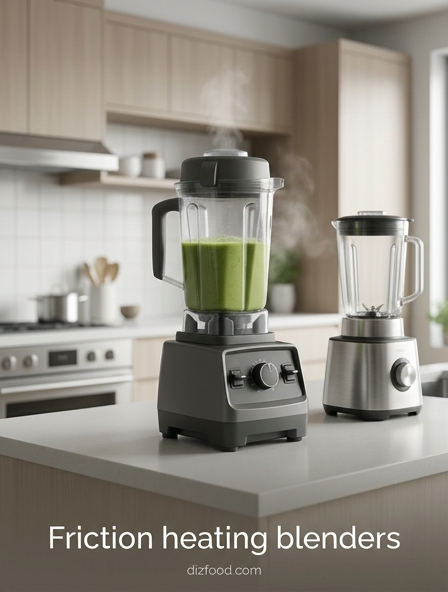
Most modern high-power blenders feature a thermal protection switch that cuts power if the unit gets too hot. However, a motor with higher wattage will rarely trigger this sensor because it handles the same load with significantly less strain. This makes high-wattage units far more reliable for tasks that require long blending cycles, such as heating soup through friction or creating thick emulsions.
The Relationship Between Torque and Speed
In the context of kitchen motors, it is essential to distinguish between torque and speed. Speed refers to how many revolutions per minute (RPM) the blades complete, while torque is the rotational force that allows those blades to push through resistance. A high-wattage motor typically offers a superior balance of both. For thin liquids, high speed is necessary for aeration and blending. However, for thick mixtures like bread dough or nut butters, high torque is required to keep the motor from stalling under the heavy physical drag.
| Task Type | Primary Requirement | Typical Appliance |
|---|---|---|
| Whipped Cream | High Speed | Stand Mixer |
| Pizza Dough | High Torque | Food Processor |
| Smoothies | Balanced | High-Power Blender |
The interaction between these two forces determines the versatility of the appliance. A motor that can maintain high torque at lower speeds is ideal for kneading, while high speed is the goal for liquefying. High-wattage engineering allows the appliance to transition between these states, providing the brute force needed for heavy doughs and the velocity needed for silken purees.
Achieving Professional Textures at Home
Professional culinary results often depend on the "fineness" of the blend, a feat that requires immense motor power. Commercial kitchens use high-wattage equipment to create sauces and purees that are completely free of grit. When using a standard consumer-grade blender, the motor often lacks the speed to achieve total emulsification, resulting in a separated or grainy texture. High-wattage motors allow home cooks to replicate these professional results by pulverizing seeds, skins, and fibers into microscopic particles.
Key textures achieved with high power include:
- Silky Hollandaise and Béarnaise sauces.
- Aerated foams and light-as-air mousses.
- Ultra-creamy hummus without skin fragments.
- Flour-like consistency when grinding grains.
The rapid movement of the blades creates intense friction and shear forces. These forces are responsible for creating stable emulsions where oil and water-based ingredients stay bonded together. For the home chef, investing in a high-wattage motor is the most effective way to elevate the quality of their dishes, ensuring that every sauce, soup, and spread has the refined mouthfeel associated with fine dining establishments.
Efficiency in Heavy Duty Food Processing
Heavy-duty food processing involves tasks that put sustained pressure on the motor over several minutes. Examples include kneading stiff dough, grinding raw meat, or processing hard cheeses like Parmesan. Efficiency in these tasks is measured by the motor's ability to maintain a steady rhythm without fluctuating in speed. A high-wattage motor is more efficient because it completes these tasks faster, reducing the total amount of energy used and preventing the ingredients from warming up due to prolonged processing time.
To ensure efficiency, heavy-duty motors often feature:
- All-metal gear systems to transfer power without slipping.
- Direct-drive mechanisms for maximum torque delivery.
- Variable speed control to match power to the specific task.
When a motor is efficient, the user experiences less vibration and noise, making the kitchen environment more pleasant. Furthermore, efficient processing means the blades stay sharp longer, as they spend less time struggling against the food. High-power motors transform labor-intensive prep work into quick, manageable steps, allowing for more complex recipes to be executed with ease and precision in a home setting.
Wattage Requirements for Nut Butters
Making nut butter is arguably the most grueling test for any kitchen motor. As nuts are processed, they release oils and form a thick, sticky paste that creates immense drag on the blades. To turn dry peanuts or almonds into a creamy spread, the motor must run for several minutes under high load. This requires a motor typically rated at 1,200 watts or higher. Units with lower wattage will often overheat or smell of burning long before the oils have fully emulsified, leading to a dry, crumbly result.
- High torque to move the viscous "clay-like" stage.
- Sustained power to reach the final creamy stage.
- Thermal endurance to handle 5-10 minutes of operation.
The process generates significant heat; a powerful motor handles this by having superior internal cooling. If the motor slows down during the process, the friction decreases, and the nuts will never reach the state of liquefaction required for smooth butter. Therefore, high wattage is not just a luxury for nut butter enthusiasts; it is a technical necessity for achieving a spreadable, store-quality consistency.
Longevity Benefits of High Power Motors
The longevity of a kitchen appliance is directly related to how hard its motor has to work. A motor that is consistently pushed to its maximum capacity will experience rapid wear and tear on its carbon brushes, bearings, and drive sockets. Conversely, a high-wattage motor that frequently operates at only 50% or 60% of its total potential will last significantly longer. This "overhead" means that the internal components are rarely stressed, reducing the likelihood of mechanical breakdown over years of use.
Purchasing a high-power motor is an investment in durability for several reasons:
- Reduced electrical strain on internal circuitry.
- Lower operating temperatures preserve lubricant viscosity.
- Heavy-duty builds often include higher-quality materials.
While the initial cost of a high-wattage appliance may be higher, the total cost of ownership is often lower because the machine does not need to be replaced every few years. For those who cook daily, the reliability of a powerful motor provides peace of mind, knowing the tool can handle any recipe without the risk of a mid-prep failure. Quality power delivery is the foundation of a long-lasting kitchen workstation.

Comments