
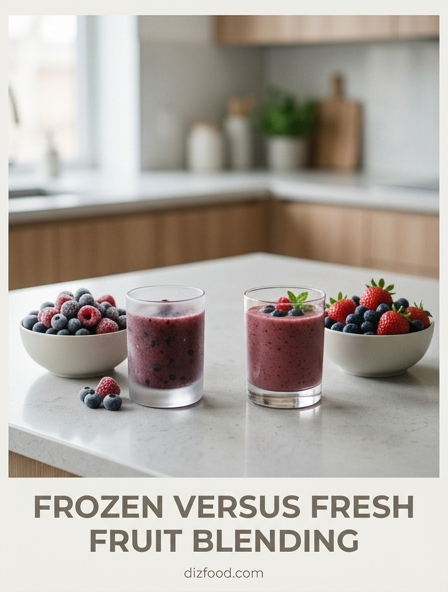
When blending up your morning boost, the debate between frozen and fresh fruit often comes down to more than just temperature. While fresh produce offers that vibrant, seasonal sweetness and peak enzymatic activity, frozen fruits are typically harvested at their nutritional prime and flash-frozen to lock in essential vitamins and antioxidants. Opting for frozen can give your smoothie a thick, velvety consistency without diluting the flavor with extra ice, whereas fresh fruit provides a lighter, more refreshing profile. Whether you prioritize the convenience of a year-round stash or the crisp bite of local harvests, both options deliver the vital fiber and micronutrients needed to power your day.
| Feature | Fresh Fruit | Frozen Fruit |
|---|---|---|
| Nutrient Density | Degrades during transport/storage. | Flash-frozen at peak ripeness; stable. |
| Texture Impact | Thinner; requires ice (dilutes flavor). | Thick, creamy, and chilled consistency. |
| Shelf Life | 3-7 days; high spoilage risk. | 8-12 months; minimal food waste. |
| Prep Efficiency | Requires washing, peeling, and chopping. | Pre-washed, pre-cut, and ready to blend. |
| Availability | Limited by local growing seasons. | Consistent year-round global access. |
| Cost Factor | Higher for out-of-season imports. | Budget-friendly; stable bulk pricing. |
Nutritional Content Comparison Between Fresh and Frozen
The debate between fresh and frozen fruit often centers on nutritional integrity. Fresh produce is frequently harvested before it reaches peak ripeness to survive the long journey to grocery stores. During transit and while sitting on shelves, these fruits are exposed to light and heat, which can lead to the degradation of sensitive vitamins like Vitamin C and various B vitamins. In contrast, fruit destined for the freezer is typically picked at the height of its ripeness when nutrient density is at its absolute peak. Once harvested, it is flash-frozen within hours, a process that effectively "locks in" the vitamins and minerals.
Studies have shown that after three days of refrigeration, many fresh fruits contain fewer antioxidants and vitamins than their frozen counterparts. While the blanching process used for some vegetables can cause slight nutrient loss, most fruits are frozen raw. Below is a comparison of how different storage methods impact common nutrients found in blending fruits:
| Nutrient | Fresh (After 5 Days) | Frozen (After 6 Months) |
|---|---|---|
| Vitamin C | Moderate Loss | High Retention |
| Fiber | Stable | Stable |
| Antioxidants | Significant Decline | Very High Retention |
| Folate | High Decline | Moderate Retention |
Ultimately, unless you are consuming fruit immediately after it is picked from the branch, frozen fruit offers a nutritional profile that is equal to, and often superior to, the produce found in the supermarket aisles. For the daily blender, this means a more potent delivery of micronutrients per serving.
Impact of Texture and Consistency on Blending
The choice between fresh and frozen fruit fundamentally alters the physical outcome of a blended beverage. Fresh fruit contains high water content in a liquid state, which results in a thinner, juice-like consistency. While this is ideal for light refreshments, it often lacks the "mouthfeel" many associate with a premium smoothie. To achieve a thicker texture with fresh fruit, one must add ice, which can lead to a grainy consistency and a diluted flavor profile as the ice melts.
Frozen fruit acts as both the flavor source and the cooling agent. When the cellular structure of fruit freezes, the water inside expands and forms ice crystals. Upon blending, these crystals break down into a micro-slurry that creates a creamy, soft-serve-like texture without the need for dairy or thickening agents. This is particularly noticeable with specific fruits:
- Bananas: Frozen slices create a custard-like base, whereas fresh bananas result in a frothy, liquid texture.
- Berries: Frozen berries maintain a thick suspension, preventing the solids from separating from the liquid.
- Mangoes: Provide a sorbet-like thickness when used frozen, but can become stringy when blended fresh.
For those using high-powered blenders, frozen fruit allows for the creation of "smoothie bowls" that are thick enough to be eaten with a spoon. If a thinner consistency is desired when using frozen ingredients, one can simply increase the ratio of liquid base, such as almond milk or coconut water, providing more control over the final product.
Preserving Antioxidants in Frozen Versus Fresh Fruits
Antioxidants such as anthocyanins, flavonoids, and polyphenols are highly susceptible to oxidation and thermal degradation. When fruit is harvested and kept at room temperature, enzymatic activity continues, slowly breaking down these beneficial compounds. For instance, blueberries and strawberries can lose a significant percentage of their antioxidant capacity within a week of being displayed in a produce section. The visual appearance of the fruit-its firmness and color-does not always reflect the internal decline of these phytochemicals.
Flash freezing halts this enzymatic breakdown almost instantly. Because the fruit is frozen at extremely low temperatures, the molecular structure of the antioxidants is stabilized. This preservation is vital for smoothie enthusiasts who rely on these compounds to fight oxidative stress and inflammation. Research comparing frozen raspberries to fresh ones often finds that the frozen versions have higher levels of extractable polyphenols because the freezing process slightly breaks down cell walls, making the antioxidants more bioavailable once blended.
Furthermore, because frozen fruit is kept in dark, airtight packaging, it is protected from photo-degradation. Light exposure in grocery stores can deplete riboflavin and other light-sensitive phytonutrients in fresh fruit. By opting for frozen, you ensure that the deep pigments-which represent the antioxidant power of the fruit-remain intact until the moment they hit the blender blades, providing a more functional and health-focused drink.
Cost Efficiency of Buying Frozen Fruit in Bulk
Economic considerations play a significant role in kitchen management, and blending can become an expensive habit when relying solely on fresh produce. Fresh fruits are subject to seasonal price fluctuations; for example, the cost of raspberries can triple during the winter months. Additionally, the "waste factor" of fresh fruit is high. It is estimated that up to 25% of fresh produce in domestic kitchens is discarded due to spoilage, bruising, or mold. This represents a direct loss of investment.
Frozen fruit offers a more stable and cost-effective alternative through several mechanisms:
- Unit Pricing: Buying large 3-pound or 5-pound bags of frozen fruit significantly lowers the price per ounce compared to the small plastic clamshells in the produce aisle.
- Year-Round Stability: Prices for frozen goods remain relatively constant regardless of the season, allowing for predictable grocery budgeting.
- Adding the liquid base to the blender jar.
- Pouring pre-washed and pre-cut frozen fruit directly from the bag.
- Adding any powders or supplements.
- Blending and rinsing the jar.
- Liquid First: Always place your liquid at the bottom. This allows the blades to create a vortex that pulls the frozen chunks down, ensuring an even chill.
- The 3:1 Ratio: Use approximately three parts frozen fruit to one part liquid for a thick, spoonable texture. For a drinkable shake, move toward a 2:1 ratio.
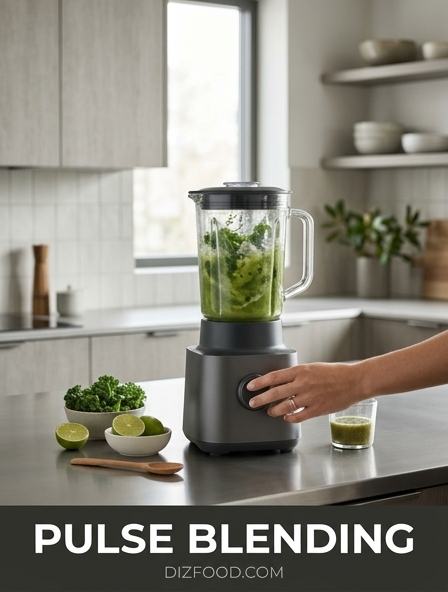
- Pulse Blending: Start with short pulses to break up the large frozen masses before moving to high speed. This prevents the friction from melting the fruit too quickly.
- Check the Ingredient List: The only ingredient should be the fruit itself (e.g., "Ingredients: Organic Blackberries").
- Avoid "Fruit Sauces": Any package labeled as being in a "light syrup" or "sauce" contains added refined sugars.
- Ascorbic Acid is Safe: You may see ascorbic acid (Vitamin C) or citric acid listed; these are natural preservatives used to prevent browning and are generally considered safe.
- Organic vs. Conventional: For fruits with thin skins like strawberries and nectarines, frozen organic options are often safer to avoid pesticide residues.
When calculating the true cost, one must consider the yield. A bag of frozen mango chunks is 100% usable material. A fresh mango requires peeling and pitting, often resulting in 30% of the weight being thrown away. For those blending daily, the savings accumulated by switching to bulk frozen options can amount to hundreds of dollars annually, without sacrificing the quality of the ingredients used in their shakes.
Convenience and Prep Time for Smoothie Enthusiasts
In a fast-paced morning routine, the time required to prepare ingredients can be the difference between a healthy breakfast and skipping a meal entirely. Fresh fruit demands a significant amount of "active" prep time. This includes washing, drying, peeling, de-seeding, and chopping. Furthermore, the cleanup involved with cutting boards, knives, and organic waste can be a deterrent for many users.
Frozen fruit eliminates nearly all of these steps, streamlining the workflow into a simple process. The typical workflow for a frozen-based smoothie involves:
Because frozen fruit is processed at an industrial scale, it arrives in the kitchen ready to use. There is no need to worry about the ripeness of a peach or the bruising on a strawberry. This consistency is a major advantage for those who follow specific recipes, as a cup of frozen fruit will always yield the same volume and texture. Additionally, the longevity of frozen fruit means fewer trips to the grocery store. While fresh berries might require shopping twice a week to ensure quality, a single trip to stock a freezer can provide enough blending material for an entire month, making it the ultimate choice for convenience-oriented consumers.
Flavor Profile Differences in Fresh and Frozen Produce
Flavor is subjective, yet there are scientific reasons why fresh and frozen fruits taste different in a blend. Fresh fruit, when perfectly ripe, possesses a vibrant, aromatic quality that is difficult to replicate. The volatile organic compounds responsible for the "smell" of a fresh strawberry are more active at room temperature, which enhances the perception of flavor. For those who prefer a light, floral, and highly aromatic smoothie, fresh fruit is often the superior choice. However, the window for this "perfect" flavor is narrow, often lasting only a day or two.
Frozen fruit, while sometimes having a slightly more muted aroma due to the cold temperatures, often provides a more consistent sweetness. This is because most frozen fruit is harvested at "full sugar" ripeness. In many cases, a frozen blueberry will be sweeter than a fresh one purchased out of season, which may have been picked green and lacked the time to develop its natural sugars. The cold temperature of frozen fruit also masks some of the bitterness that can be found in added greens like kale or spinach, making the overall flavor profile of a green smoothie more palatable.
One trade-off is the dilution factor. Because fresh fruit requires ice to be cold, the melting ice eventually waters down the flavor. A smoothie made with frozen fruit maintains its flavor intensity from the first sip to the last, as the "ice" is made of the fruit itself. For citrus and tropical blends, the intensity provided by frozen chunks often results in a more punchy and satisfying taste experience.
Managing Temperature and Slushy Texture Without Ice
A common mistake in kitchen blending is the over-reliance on ice cubes to achieve a cold temperature. Ice dilutes the nutritional density and the flavor of the fruit, often resulting in a "watery" finish. Utilizing frozen fruit is the most effective way to manage temperature while maintaining a thick, slushy texture. The frozen fruit acts as an internal cooling system, absorbing the heat generated by the blender's high-speed motor blades during the friction of the blending process.
To achieve the perfect slushy consistency without ice, consider the following techniques:
Managing the temperature this way ensures the drink stays cold for a longer period. Since the thermal mass of the frozen fruit is higher than that of a few ice cubes, the smoothie will resist melting, making it ideal for those who sip their drinks over thirty to sixty minutes. This method also preserves the vibrant color of the smoothie, as the rapid cooling prevents the oxidation that can occur when fruit is blended at warmer temperatures.
Seasonal Availability and the Benefits of Flash Freezing
Seasonal eating is a traditional pillar of health, but modern nutritional needs often require year-round access to specific compounds. Fresh cherries, for instance, are only available for a few weeks in summer. Attempting to buy them out of season usually results in high prices and poor quality. Flash freezing technology (Individual Quick Freezing or IQF) bridges this gap by allowing consumers to access "peak summer" produce in the middle of winter.
The IQF process is particularly beneficial because it prevents the fruit from freezing in a solid block. Each berry or slice is frozen individually on a conveyor belt before being bagged. This allows the user to pour out exactly half a cup of raspberries without having to thaw the entire package. This technology preserves the structural integrity of the fruit better than home-freezing methods, which often result in a mushy texture due to slow cooling and large ice crystal formation.
By utilizing the benefits of flash freezing, the kitchen becomes a place of infinite seasonal overlap. You can blend pomegranate seeds with summer peaches and autumn apples all in one glass. This variety is not just a culinary luxury; it is a nutritional advantage. It allows for a more diverse intake of different phytonutrients throughout the year, ensuring that your body receives a wide spectrum of antioxidants regardless of the local climate or the time of year.
Avoiding Added Sugars and Preservatives in Frozen Bags
While frozen fruit is inherently healthy, the consumer must be vigilant about commercial additives. Some manufacturers add sugar or corn syrup to frozen fruit to enhance flavor or maintain a specific texture during the thawing process. This is particularly common in "smoothie kits" that include pre-portioned fruit and yogurt pellets. These additives can turn a healthy post-workout drink into a high-calorie dessert, spiking blood sugar levels unnecessarily.
To ensure you are getting the cleanest ingredients, consider these guidelines when shopping:
By selecting pure, frozen fruit, you maintain total control over the glycemic load of your blend. You can choose to add your own natural sweeteners, like a single date or a touch of honey, rather than relying on the hidden processed sugars found in lower-quality frozen products. This mindfulness preserves the "clean" nature of your kitchen creations.
Optimizing Nutrient Density for Post Workout Shakes
Post-workout nutrition requires a specific balance of fast-acting carbohydrates to replenish glycogen and antioxidants to reduce muscle soreness. The combination of fresh and frozen fruits can be strategically used to optimize this window. Frozen fruits like tart cherries are scientifically proven to aid in muscle recovery due to their high anthocyanin content. When blended, the cold temperature of the frozen fruit also helps lower the body's core temperature after intense exertion.
To maximize nutrient density, the "base" of the shake should be carefully considered. Using frozen fruit allows you to pack more volume into the blender without the "airiness" that comes from fresh fruit and ice. This results in a more nutrient-dense liquid. Below is a guide for selecting fruits based on specific recovery goals:
| Recovery Goal | Best Fruit Choice | State |
|---|---|---|
| Glycogen Replenishment | Bananas / Mangoes | Frozen (for thickness) |
| Inflammation Reduction | Tart Cherries / Blueberries | Frozen (for antioxidant density) |
| Hydration | Watermelon / Pineapple | Fresh (for high water content) |
| Vitamin C Boost | Strawberries / Kiwi | Fresh or Frozen |
Optimizing these shakes also involves the fiber content. Blending frozen fruit keeps the fiber intact, unlike juicing, which ensures a slower release of natural sugars into the bloodstream. This prevents the "crash" often associated with high-sugar drinks. By mixing a base of frozen berries with a fresh banana, you get the benefit of immediate potassium from the fresh fruit and the long-term anti-inflammatory benefits of the frozen berries, creating a perfect synergistic recovery tool.

Comments