
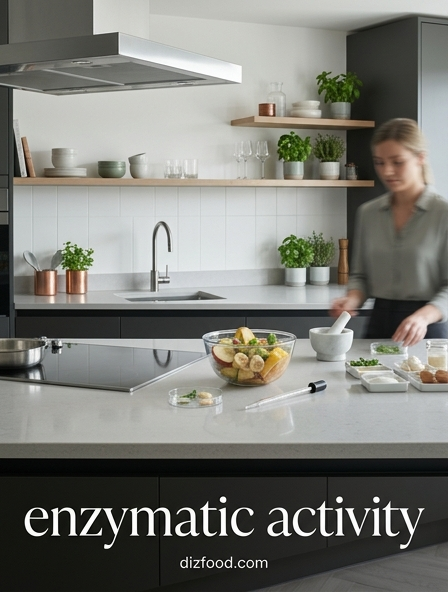
Optimizing Blender Speed for Enzyme Retention
Maintaining the biological integrity of enzymes during the blending process requires a careful balance between mechanical force and thermal management. High-speed blenders often reach velocities that generate significant friction, leading to a localized rise in temperature. When the internal temperature of a smoothie exceeds 118°F (48°C), the delicate tertiary structures of enzymes like amylase and protease begin to denature, rendering them biologically inactive. To prevent this thermal degradation, it is essential to utilize variable speed controls effectively.
- Start on the lowest setting to gently break down large fibrous chunks.
- Gradually increase to medium speeds for homogenization without excessive air incorporation.
- Limit high-speed bursts to less than thirty seconds to minimize kinetic heat transfer.
- Utilize frozen ingredients or ice to act as a heat sink during the processing phase.
By controlling the RPMs, the blender acts as a tool for cellular liberation rather than a catalyst for molecular destruction. This approach ensures that the "living" components of the raw ingredients remain functional, supporting digestive health and metabolic efficiency upon consumption.
Maximizing Natural Fructose Through Cellular Breakdown
The perception of sweetness in a smoothie is directly proportional to the efficiency of cellular wall disruption. Plants lock sugars within rigid cellulose structures; unless these walls are ruptured, much of the natural fructose remains sequestered and unavailable to the palate and the digestive system. Enzymes such as pectinase play a crucial role here, as they work to dissolve the middle lamella that holds plant cells together. High-torque blending mimics this enzymatic action by mechanically shearing the cells open.
| Fruit Type | Cellular Structure | Enzymatic Goal |
|---|---|---|
| Stone Fruits | Dense Parenchyma | Release of soluble sugars |
| Berries | Thin Epidermis | Extraction of anthocyanins |
| Root Veggies | Lignified Walls | Starch-to-sugar conversion |
When cellular breakdown is maximized, the bioavailability of the fruit's natural sugars increases, allowing for a more intense flavor profile without the need for added sweeteners. This process also facilitates the immediate interaction between enzymes and their substrates, enhancing the overall nutritional density of the beverage.
Impact of Oxidation on Raw Fruit Nutrients
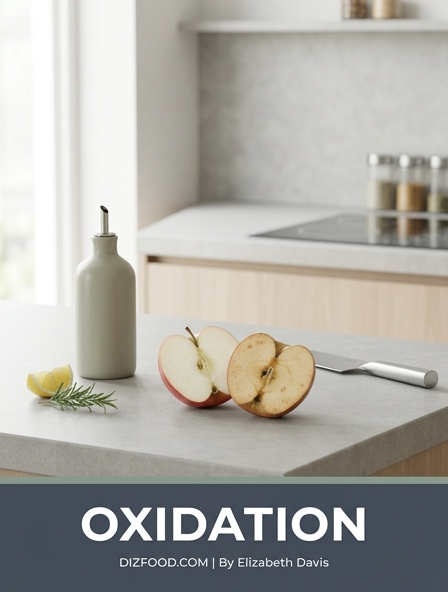
Oxidation is the primary antagonist of nutrient density in the kitchen. The moment fruit is sliced or blended, the enzyme polyphenol oxidase (PPO) is released and reacts with oxygen. This reaction is visible as browning, but the invisible damage is the degradation of vitamin C, polyphenols, and essential fatty acids. In a blender, the high-speed vortex pulls air into the mixture, exponentially increasing the surface area exposed to oxygen. This rapid aeration can deplete antioxidant levels within minutes of processing.
To mitigate these effects, many culinary scientists recommend "vacuum blending," a technique that removes air from the jar before the blades begin to spin. In the absence of oxygen, the PPO enzyme cannot trigger the oxidative cascade, resulting in more vibrant colors and higher concentrations of bioavailable nutrients. If a vacuum blender is unavailable, adding acidic catalysts like lemon or lime juice can lower the pH level, effectively inhibiting the enzymatic browning process and preserving the delicate molecular bonds of the fruit's phytochemicals.
The Science of Pulse Blending for Living Enzymes
Pulse blending is more than a convenience feature; it is a tactical method for preserving the "living" state of raw foods. Continuous blending creates a constant stream of kinetic energy that quickly converts to heat. In contrast, pulsing allows for intermittent periods of rest, which helps dissipate heat and prevents the mixture from reaching the "kill zone" for sensitive enzymes. This technique is particularly vital when processing dense greens or fibrous stalks that require significant mechanical effort to liquify.
- Engage the pulse trigger for two-second intervals to break down large solids.
- Allow the liquid to settle for one second between pulses to release trapped air bubbles.
- Monitor the consistency to ensure even distribution without over-processing.
- Finish with a short, continuous cycle only when a smooth emulsion is nearly achieved.
This rhythmic approach reduces the mechanical stress on both the equipment and the ingredients. By avoiding a sustained high-velocity vortex, you preserve the structural integrity of enzymes like lipase and cellulase, which are essential for breaking down fats and fibers in the human gut.
Ripeness Factors in Natural Smoothies
The enzymatic profile of a fruit changes dramatically as it transitions through different stages of ripeness. In under-ripe fruit, enzymes are often dormant, and the carbohydrate content is stored as complex starches. As the fruit ripens, signaling molecules like ethylene trigger the production of amylase, which converts those starches into simple, sweet sugars. Simultaneously, pectinase begins to soften the fruit by breaking down cell walls. For the high-vitality blender, choosing fruit at the peak of ripeness is essential for maximizing both flavor and enzyme activity.
Over-ripe fruit, while sweet, may have already begun the process of fermentation or enzymatic decay, where the beneficial proteins start to break down. Therefore, the "sweet spot" for smoothie preparation is when the fruit is fully colored and slightly soft to the touch, but not yet bruised. At this stage, the enzyme concentrations are at their highest, providing the body with a potent dose of catalysts that aid in the assimilation of vitamins and minerals. Understanding these biological cycles allows the home cook to time their blending for maximum physiological impact.
Temperature Control for Heat Sensitive Phytochemicals
Phytochemicals and enzymes are notoriously sensitive to thermal fluctuations. While many minerals are stable under heat, the active biological compounds that define "living food" are not. In a kitchen setting, the goal is to keep the smoothie temperature below the threshold of 105°F to 115°F. Achieving this requires a proactive strategy, especially when using high-wattage motors that naturally radiate heat into the blending carafe. Cooling the environment inside the blender is the most effective way to ensure these nutrients survive the mechanical process.
- Pre-chill the blender jar in the refrigerator before use.
- Use 25% frozen produce to offset the heat generated by friction.
- Add refrigerated liquids such as coconut water or nut milks instead of room-temperature options.
- Store the final product in insulated glassware to maintain the cold chain until consumption.
By strictly controlling the temperature, you protect heat-labile nutrients like Vitamin B12 and various peroxidase enzymes. This preservation ensures that the final drink is not just a source of calories, but a bio-active tonic that supports the body's internal chemistry.
Synergistic Fruit Pairings for Bioavailability
Bioavailability refers to the proportion of a nutrient that is absorbed and utilized by the body. In the kitchen, enzymatic synergy can be harnessed by pairing specific ingredients that enhance one another's properties. For instance, bromelain, a proteolytic enzyme found in pineapple, can help break down the proteins in hemp seeds or yogurt when blended together. This "pre-digestion" makes the amino acids more accessible. Similarly, certain fats are required to transport fat-soluble vitamins liberated by the blending process.
| Primary Ingredient | Synergistic Partner | Enzymatic / Nutrient Benefit |
|---|---|---|
| Spinach (Iron) | Orange (Vitamin C) | Enhanced non-heme iron absorption |
| Papaya (Papain) | Chia Seeds | Protein breakdown and fiber transit |
| Avocado | Carrots (Beta-Carotene) | Fat-mediated vitamin transport |
By understanding these pairings, you can transform a simple smoothie into a highly efficient delivery system for essential nutrients, utilizing natural enzymes to unlock the full potential of every ingredient in the carafe.
Preserving Fiber Integrity and Glycemic Balance
A common critique of blending is that it destroys fiber, but the reality is more nuanced. Blending does not "remove" fiber; rather, it physically shears the long-chain cellulose and lignin fibers into smaller fragments. While this makes the texture smoother, it can also accelerate the rate at which the body absorbs sugar, potentially leading to glycemic spikes. To maintain glycemic balance, it is crucial to preserve the integrity of these fibers as much as possible while still achieving a palatable consistency.
Including "binding" fibers, such as those found in flax or chia seeds, can help create a gelatinous matrix that slows down the release of sugars into the bloodstream. Furthermore, using a lower blending speed helps maintain some of the structural "bulk" of the fruit pulp. This bulk is essential for feeding the gut microbiome and ensuring healthy peristalsis. By focusing on fiber integrity, the blender becomes a tool for making nutrients more bioavailable without sacrificing the slow-release energy benefits of whole, raw produce. Balancing the mechanical breakdown with the biological need for fiber is the key to a healthy blend.
The Golden Hour for Enzyme Consumption
Once the cellular structure of a fruit is compromised by the blades of a blender, a "biological clock" begins to tick. The liberation of enzymes and the introduction of light and air start a rapid process of degradation. For maximum enzymatic vitality, the "Golden Hour" refers to the sixty-minute window immediately following the blending process. During this time, the concentration of active enzymes, antioxidants, and volatile phytonutrients is at its peak. As time passes, even if refrigerated, the mixture undergoes subtle chemical changes that reduce its "vitality."
- Consume 50% of the blend within the first fifteen minutes.
- Store any remainder in an airtight, opaque container to block light and oxygen.
- Keep the storage container in the coldest part of the refrigerator.
- Avoid re-blending or shaking vigorously, as this re-introduces oxygen.
After the first hour, the activity of enzymes like catalase and superoxide dismutase begins to wane. While the smoothie remains a healthy source of macronutrients, its "living" therapeutic potential is significantly diminished. Immediate consumption ensures you receive the full spectrum of the plant's natural defense mechanisms.
Essential Equipment for High Vitality Blending
To achieve professional-grade enzyme retention in a home kitchen, the choice of equipment is paramount. Not all blenders are created equal when it comes to preserving molecular integrity. High-vitality blending requires machines that offer precision control over speed and heat, as well as materials that do not leach chemicals into acidic mixtures. The goal is to find equipment that balances raw power with the finesse needed to protect delicate proteins.
- Vacuum Pump: Removes air to prevent oxidation and browning.
- High-Torque Motor: Allows for low-speed crushing of tough fibers without stalling.
- BPA-Free or Glass Carafes: Prevents chemical contamination of the enzyme-rich liquid.
- Tamper Tools: Enables processing of thick mixtures without adding extra liquid or increasing blend time.
Investing in tools that prioritize nutrient density over mere convenience allows for a more scientific approach to raw food preparation. When the equipment respects the biological nature of the ingredients, the result is a superior beverage that supports long-term health and provides a noticeable boost in metabolic energy through active enzymatic support.


Comments