
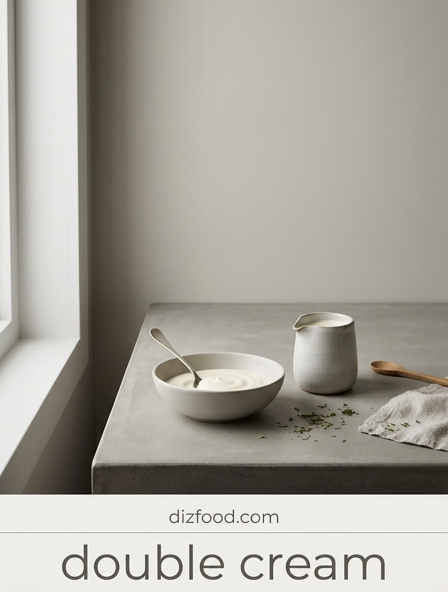
Understanding Double Cream Fat Content
Double cream is distinguished primarily by its exceptionally high butterfat content, which typically hovers around 48% in the United Kingdom and similar culinary markets. This high concentration of fat makes it significantly richer than single cream, which usually contains only 18% fat, or even heavy whipping cream found in the United States. The density of double cream allows it to be used in various states, ranging from a pourable liquid to a thick, spoonable consistency depending on how it has been processed and handled.
In the kitchen, this fat content is the primary driver of both flavor and functionality. Because fat is a carrier for flavor, double cream provides an intense, dairy-forward profile that can coat the palate and balance out acidic or spicy ingredients. The high fat percentage also means that it has less water content compared to lighter creams, which prevents it from diluting the textures of the dishes it is added to. Whether used as a base for a luxurious dessert or a finishing touch for a sauce, understanding the 48% fat threshold is essential for any chef looking to master the art of rich, continental-style cooking.
The Science of Silky Textures
The remarkably smooth mouthfeel of double cream is a result of complex emulsification. In its natural state, cream consists of tiny fat globules suspended in a water-based liquid. Because double cream has such a high density of these globules, they are packed closely together, creating a high level of viscosity. When heat is applied or when the cream is agitated, these fat globules interact in ways that provide structural integrity to recipes. In sauces, the fat prevents the proteins from clumping together, which ensures that the final result remains perfectly homogenous and silky rather than grainy or broken.
This scientific property is also what allows double cream to create stable emulsions with other ingredients, such as chocolate or fruit purees. The fat acts as a stabilizing agent that traps moisture and provides a velvety sheen to the finished product. When used in cold applications, the viscous nature of the cream provides a weightiness that lighter dairy products cannot replicate. This "cling" factor is why double cream is preferred for coating the back of a spoon in custard preparations, as the physical density provides a sensory experience that feels both indulgent and professionally refined.
Achieving the Perfect Soft Peak
Whipping double cream requires a more delicate touch than whipping heavy cream due to its high fat content. Because it starts with nearly 50% fat, it can transition from a liquid state to a stiff or even over-beaten state very quickly. To achieve the perfect soft peak-characterized by a texture that holds its shape but curls gently at the tip when the whisk is lifted-one must monitor the aeration process closely. It is highly recommended to use chilled equipment, as keeping the fat globules cold prevents them from melting and turning into butter prematurely during the mechanical agitation of whisking.
When double cream is whipped, air is incorporated into the liquid, and the fat globules form a protective network around the air bubbles. Because there is so much fat available, the structure forms rapidly. For the best culinary results, stop whisking just before you think the cream is ready, as the residual heat from the friction and the continued movement will continue to firm up the mixture. Properly whipped double cream should have a glossy finish and a cloud-like consistency, making it the ideal accompaniment for fresh berries or layered cakes where a light yet stable topping is required.
Elevating Savory Sauces and Soups
In savory cooking, double cream acts as a powerful thickening agent and a flavor balancer. Unlike lighter creams that may require a roux or cornstarch to provide body to a sauce, double cream can be added directly to a simmering liquid to achieve immediate thickness. This is particularly useful in French-style reductions where the goal is to concentrate flavors without the starchy aftertaste of flour. When added to a spicy curry or a piquant tomato soup, the high fat content mellows the sharpness of the spices and acids, resulting in a more rounded and sophisticated flavor profile.
Furthermore, double cream is excellent for finishing vegetable purees, such as parsnip or cauliflower, giving them a professional-grade sheen and a buttery depth. It can also be stirred into pan juices after searing meats to create an instant jus. Because it does not thin out as much as milk or single cream, it maintains the "body" of the soup even when served at high temperatures. Many chefs use it as a final "monter au beurre" substitute, whisking it in at the very end of the cooking process to provide a luxurious finish that lingers on the tongue.
Essential Baking and Pastry Uses
Double cream is a foundational ingredient in the world of pastry and baking, providing the necessary fat for a variety of classic textures. One of its most common uses is in the creation of chocolate ganache. When boiled and poured over high-quality chocolate, the high fat content of the cream ensures a stable, shiny emulsion that sets firmly but remains pliable enough to pipe or glaze. In traditional scone recipes, double cream is often used instead of butter and milk to provide a tender, crumbly texture that is uniquely rich.
In addition to ganache, double cream is essential for:
- Creating stable mousses that do not collapse under their own weight.
- Developing rich, set custards like Crème Brûlée.
- Making homemade ice cream with a lower ice-crystal count for a smoother finish.
- Enriching bread doughs like brioche for a softer, more indulgent crumb.
Comparing Double Cream and Heavy Cream
While often used interchangeably in casual conversation, double cream and heavy cream have distinct differences that can affect the outcome of a recipe. The primary difference lies in the fat percentage and the resulting thickness. Double cream is a staple of British and European kitchens, whereas heavy cream (or heavy whipping cream) is the standard in North America. These differences impact how the cream reacts to heat, how well it whips, and how much richness it adds to a dish.
| Feature | Double Cream | Heavy Cream |
|---|---|---|
| Fat Content | Approx. 48% | 36% - 40% |
| Consistency | Very thick, spoonable | Liquid, pourable |
| Whipping Speed | Very fast, easy to over-whip | Moderate, more stable |
| Boiling Stability | Excellent, rarely curdles | Good, but may thin out |
Using heavy cream in a recipe that specifically calls for double cream may result in a thinner sauce or a less stable dessert topping. Conversely, replacing heavy cream with double cream can make a dish significantly heavier and more caloric than intended. Understanding these regional variations is crucial for successfully executing international recipes.
Heat Stability in Gourmet Cooking
One of the most valuable attributes of double cream in a professional kitchen is its exceptional stability when exposed to high heat. In culinary terms, "splitting" or "curdling" occurs when the proteins in dairy denature and separate from the water and fat, often caused by high temperatures or the addition of acidic ingredients like wine, lemon juice, or vinegar. Because double cream has such a high ratio of fat to protein and water, the fat acts as a buffer that protects the proteins from this reaction. This makes it the ideal choice for deglazing pans or creating cream-based reductions.
Chefs can boil double cream vigorously to reduce its volume and concentrate its flavor without fear of the texture becoming grainy. This heat resistance allows for the creation of "beurre blanc" style sauces that are more forgiving than those made with butter alone. Even when added to boiling pasta water or acidic tomato bases, double cream maintains its integrity, ensuring a smooth, uniform appearance. This reliability under pressure is why it is preferred for slow-cooked gratins and baked pasta dishes, where it must withstand the dry heat of an oven for extended periods without breaking down into an oily mess.
Decadent Dessert Toppings and Pairings
Double cream is the ultimate finishing touch for desserts, offering a level of indulgence that lower-fat alternatives cannot match. It is traditionally served "extra thick" or dolloped straight from the container onto warm crumbles, tarts, and fruit pies. Because it is naturally sweet and incredibly dense, it provides a cold, creamy contrast to the heat of baked fruit. In many European traditions, a simple pour of un-whipped double cream over a bowl of fresh strawberries or raspberries is considered the pinnacle of summer dining, as the cream cuts through the natural acidity of the fruit.
Beyond fruit, double cream is a classic pairing for:
- Rich chocolate fondants or lava cakes to balance the dark cocoa.
- Strong black coffee or espresso as a "floater" in Irish coffee.
- Sticky toffee pudding, where it soaks into the warm sponge.
- Traditional scones alongside strawberry jam (the "cream tea" tradition).
Tips for Proper Handling and Storage
To maintain the quality and safety of double cream, proper handling is essential. Because of its high fat content, it is highly sensitive to temperature fluctuations and can easily absorb odors from other foods in the refrigerator. Ensuring that the cream is stored correctly will extend its shelf life and preserve its delicate, sweet flavor profile. Improper handling can lead to premature spoilage or a change in texture that makes it difficult to whip or incorporate into recipes.
- Always store double cream in the coldest part of the refrigerator, typically the back of the bottom shelf, rather than the door.
- Keep the container tightly sealed when not in use to prevent the absorption of pungent smells like onions or garlic.
- Check the "use by" date carefully, but also perform a sensory check; fresh double cream should smell sweet and clean.
- Avoid freezing double cream if you intend to whip it later, as freezing damages the fat globule structure and causes the cream to separate upon thawing.
- Use clean utensils every time you dip into the container to prevent bacterial cross-contamination.
If the cream has thickened slightly in the fridge, a gentle stir is usually enough to return it to a uniform consistency. However, if it has developed a sour smell or visible mold, it must be discarded immediately.
Enhancing Culinary Richness and Flavor
Ultimately, the use of double cream in the kitchen is about more than just texture; it is about the enhancement of the overall flavor profile of a dish. Fat is a primary conductor of taste, and the high lipid content in double cream helps to dissolve and distribute fat-soluble flavor compounds found in herbs, spices, and aromatics. This results in a deeper, more resonant taste that lingers longer on the palate. By incorporating double cream, a chef can transform a simple vegetable broth into a velvety bisque or turn a basic caramel into a complex, buttery toffee sauce.
The culinary richness provided by double cream also contributes to "satiety," the feeling of being full and satisfied after a meal. A small amount of a high-quality, high-fat ingredient often provides more sensory satisfaction than a larger quantity of a low-fat substitute. Whether used as a subtle enrichment in a savory dough or as the starring ingredient in a decadent panna cotta, double cream remains an indispensable luxury in gourmet cooking. Its ability to harmonize disparate flavors while providing a consistent, luxurious mouthfeel ensures its place as a foundational element in both classic and modern culinary arts.



Comments